MIL-STD-810 vs Total Ownership Cost in Industrial Videoscopes
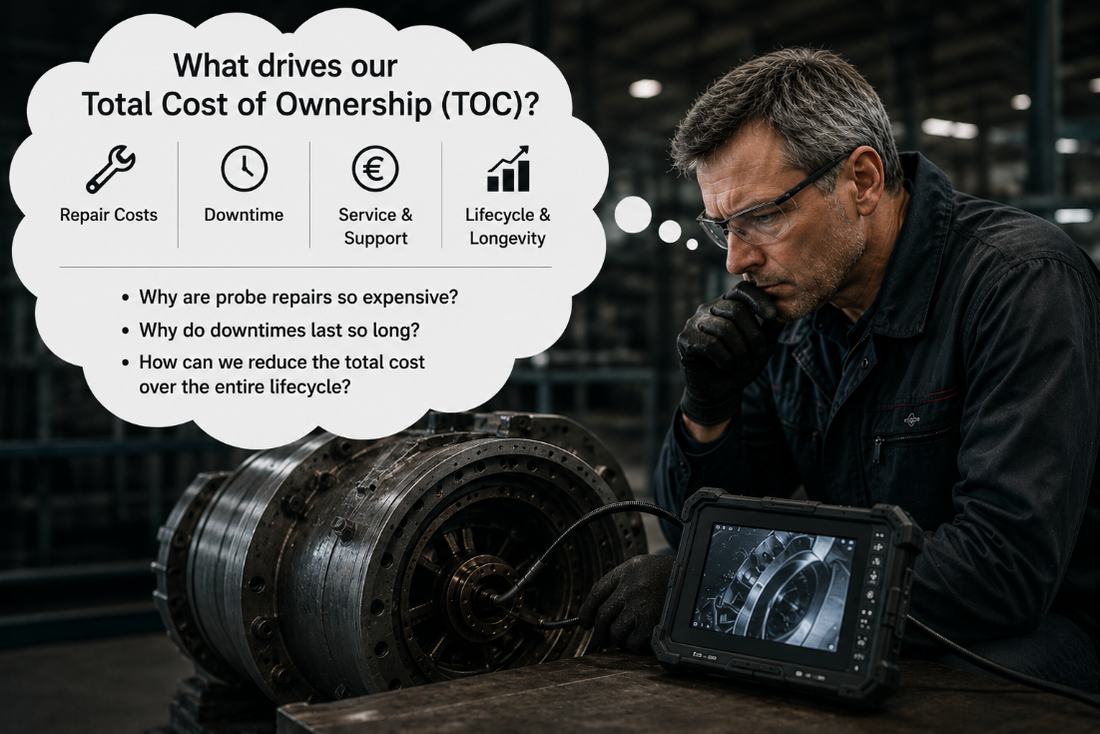
MIL-STD-810 testing proves environmental durability, but it does not always reduce videoscope ownership cost. Learn why probe damage, repairability, and service efficiency matter more in real industrial use.
MIL-STD-810 vs Total Ownership Cost in Industrial Videoscopes
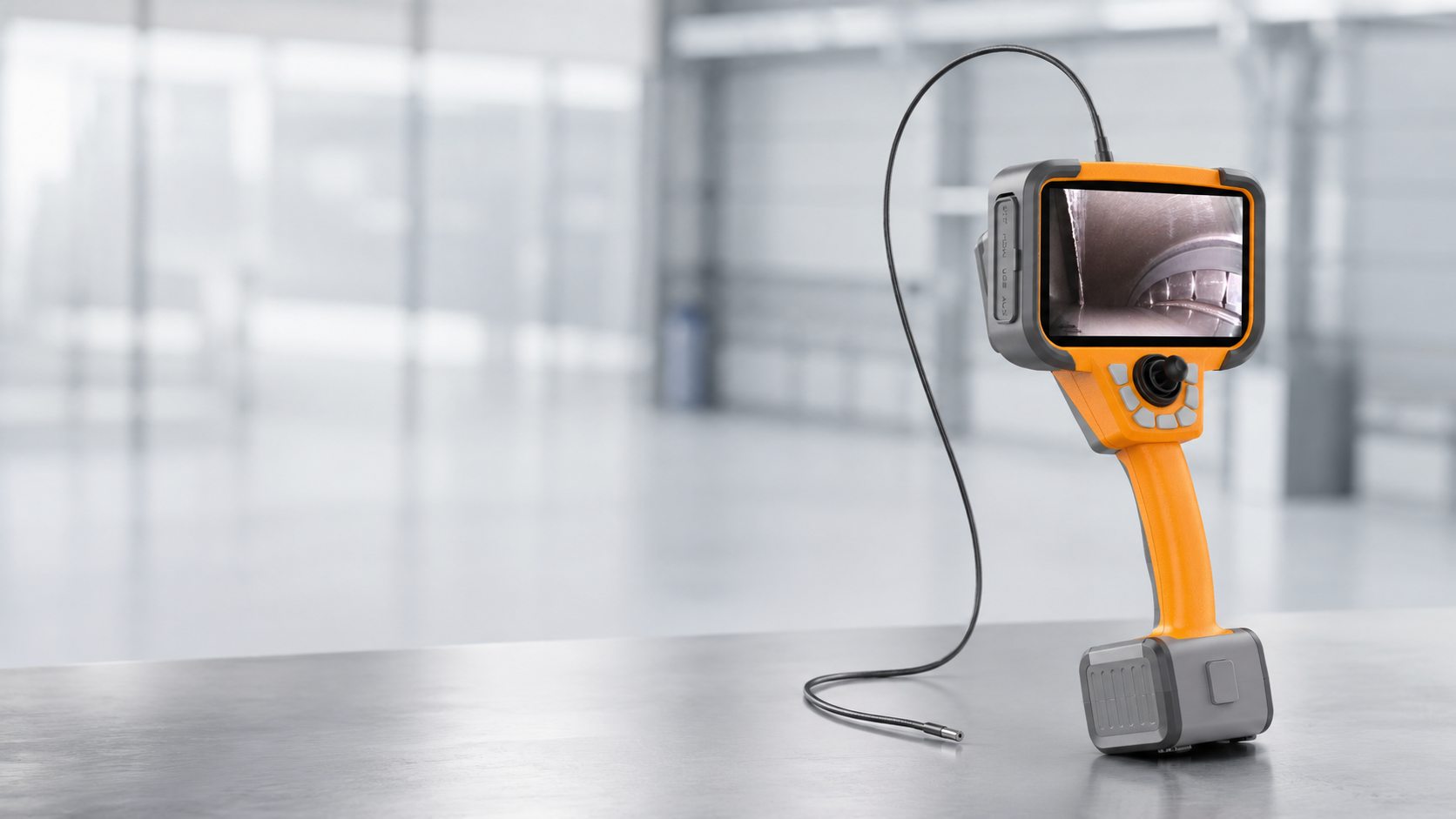
MIL-STD-810 is frequently used in the industrial videoscope industry to demonstrate durability and ruggedness. For many users, it sounds like a strong guarantee of reliability.
And to be fair, environmental testing does provide value. It can verify that a system has been tested against demanding conditions such as:
- Vibration
- Shock
- Humidity
- Dust exposure
- Salt fog
- Temperature changes
However, one important distinction is often overlooked:
MIL-STD-810 does not mean a videoscope system is “unbreakable”.
More importantly, it does not necessarily reduce the real Total Ownership Cost during years of industrial use.
Environmental Testing Is Not the Same as Field Reliability
MIL-STD-810 testing is designed to evaluate how equipment performs under defined environmental conditions. This is useful, especially for the main unit housing, electronics, and general system robustness.
But real industrial inspection is different from laboratory testing.
In actual field applications, many of the most expensive failures are not caused by vibration, humidity, dust, or temperature cycling. They are caused by direct mechanical damage during inspection work itself.
Typical Real-World Videoscope Failures
In daily industrial inspection work, common failure causes include:
- Probe crushing inside gearboxes
- Contact with turbine blades
- Insertion tube abrasion
- Articulation fatigue
- Accidental bending
- Long-term mechanical wear
- Improper handling in confined spaces
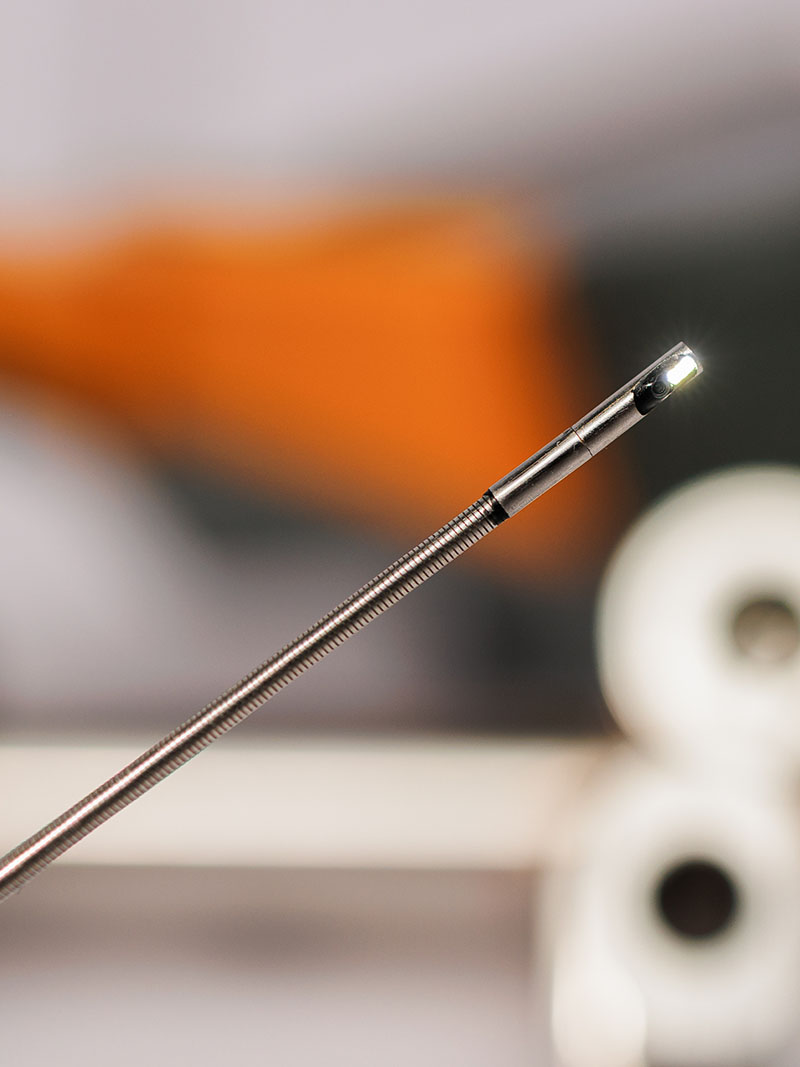
These failures usually happen at the probe level, not at the main unit level.
Why the Probe Determines Total Ownership Cost
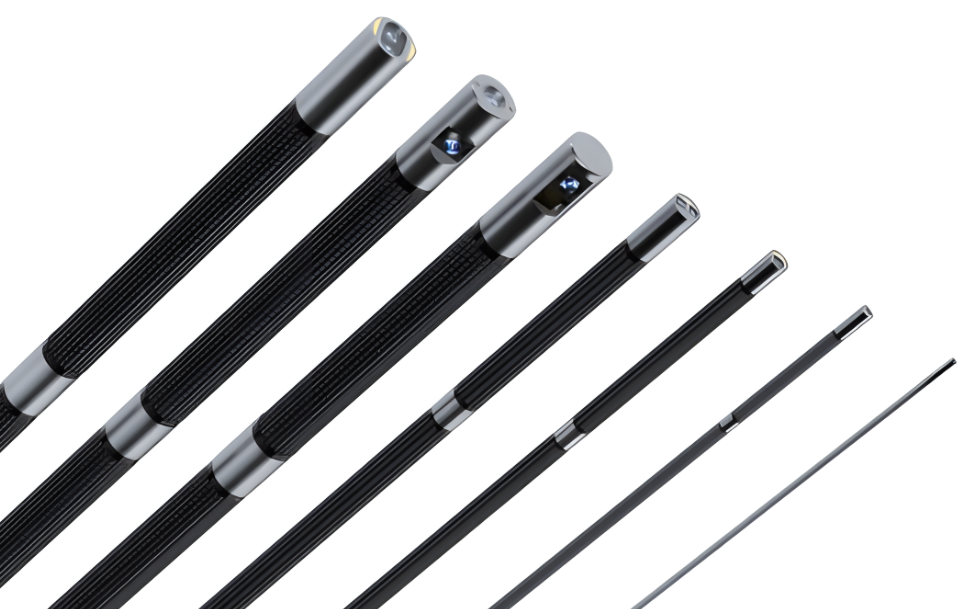
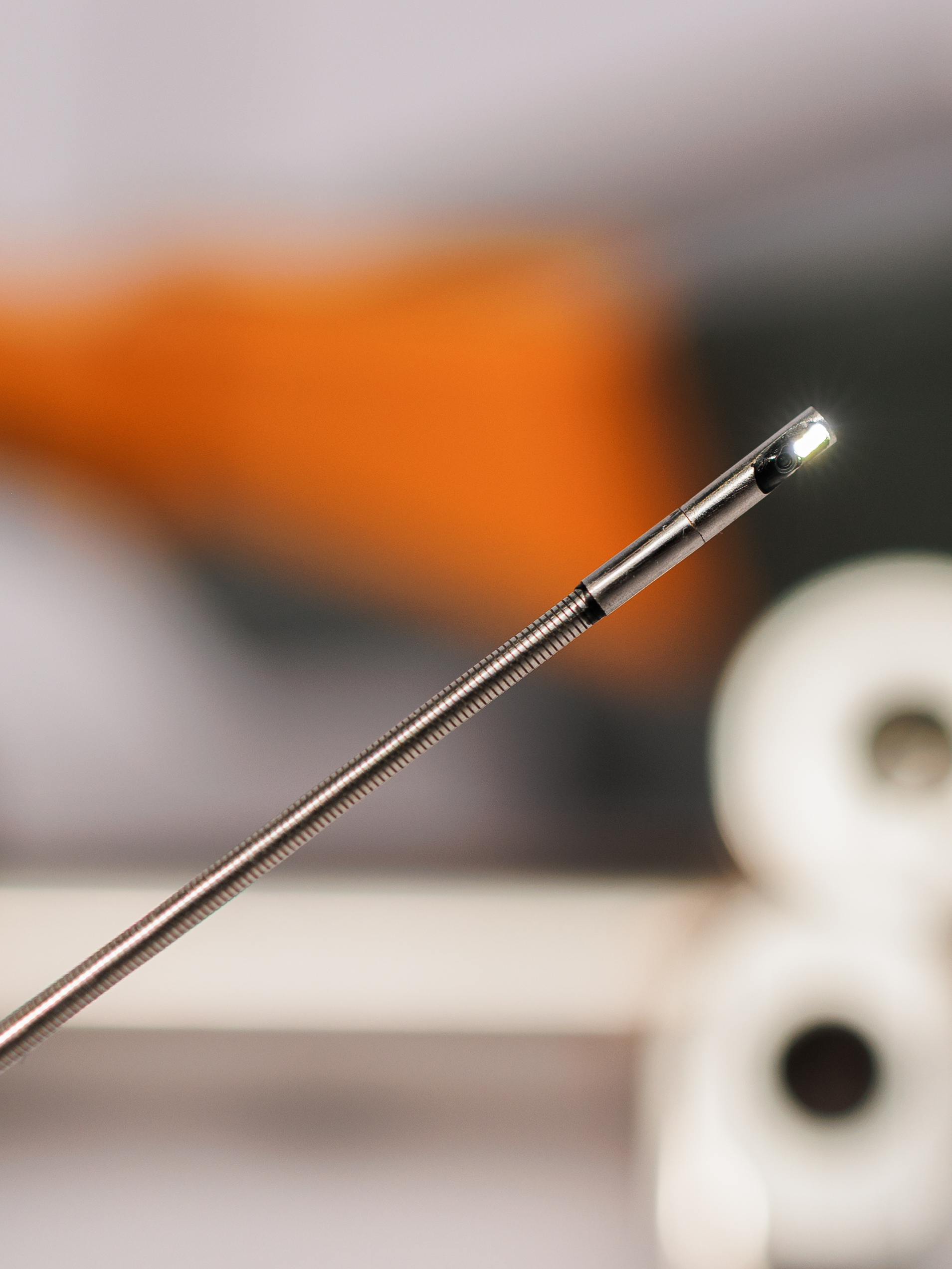
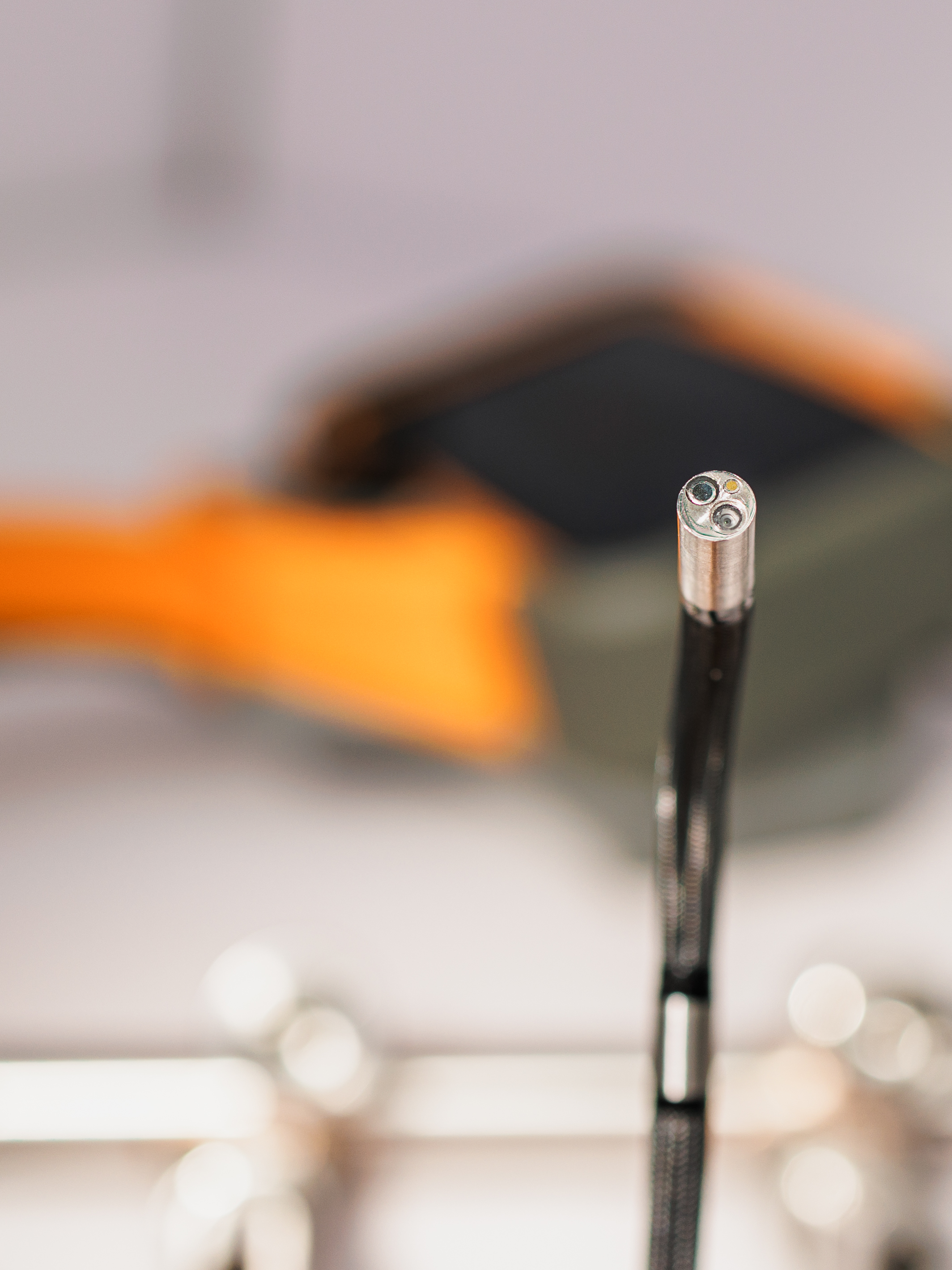
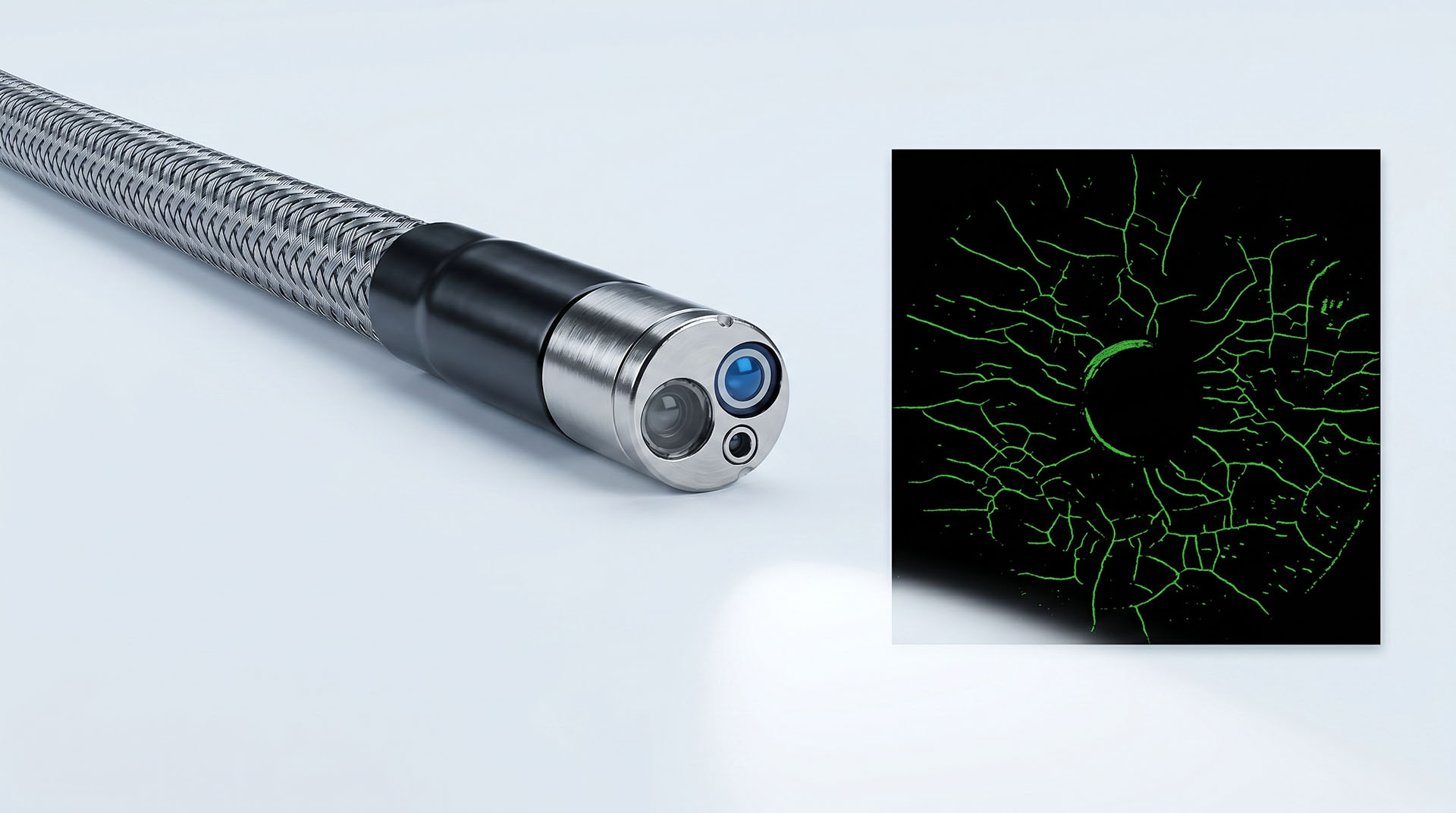
The probe is often the most critical part of an industrial videoscope system. It is also usually:
- The most fragile part of the system
- The most expensive part to repair
- The largest contributor to lifecycle ownership cost
This is why Total Ownership Cost should not be judged only by certification labels or rugged housing claims.
A videoscope main unit may be well protected, but if the probe is frequently damaged, the real ownership cost can still be high.
MIL-STD-810 and Low TOC Are Not the Same Thing
In many cases, MIL-STD-810 testing focuses primarily on the durability of the main unit housing, electronics, and environmental resistance of the system.
However, in practical industrial ownership, repairing a main unit is often more manageable than repairing or replacing a damaged probe.
Probe repair can lead to:
- High repair cost
- Longer service turnaround time
- Inspection delays
- Operational downtime
- Higher lifecycle cost
This is why a system can pass environmental testing and still generate high ownership costs if probe damage happens frequently.
What Really Reduces Ownership Cost?
For industrial users, real reliability should be evaluated not only by certification labels, but also by practical lifecycle performance.
Important evaluation points include:
- Practical probe durability
- Repairability of the probe and system
- Service efficiency
- Availability of replacement parts
- Lifecycle technical support
- Realistic field performance
- Operator training and handling procedures
These factors usually have a more direct impact on long-term ownership cost than a single environmental certification claim.
Practical Conclusion
MIL-STD-810 testing can be a valuable reference for system ruggedness. It shows that the equipment has been tested under defined environmental conditions.
But it should not be confused with complete protection against field damage.
In industrial videoscope inspections, the true cost of ownership is usually determined by probe durability, repairability, service speed, and real working conditions.
In industrial inspection, ownership cost is determined in the field — not only in the laboratory.
FAQ
Does MIL-STD-810 mean a videoscope is unbreakable?
No. MIL-STD-810 indicates that a system has been tested against certain environmental conditions. It does not mean the videoscope cannot be damaged during real inspection work.
Does MIL-STD-810 reduce Total Ownership Cost?
Not necessarily. Total Ownership Cost depends heavily on probe durability, repair cost, service turnaround time, and downtime. Environmental testing alone does not guarantee low lifecycle cost.
Why is the probe so important for ownership cost?
The probe is usually the most fragile and expensive part of the videoscope system to repair. Most field damage happens at the probe level, especially during inspections inside gearboxes, turbines, engines, and confined spaces.
What should users evaluate besides MIL-STD-810?
Users should also evaluate practical probe durability, repairability, service efficiency, spare part availability, lifecycle support, and real field performance.
Is MIL-STD-810 still useful?
Yes. MIL-STD-810 testing can provide useful information about environmental durability. However, it should be considered only one part of the total reliability and ownership cost evaluation.