2-Way vs 4-Way Articulation
Learn the difference between 2-way and 4-way videoscope articulation, including probe steering direction, control flexibility, inspection efficiency, access limitations, and how to choose the right articulation type for industrial inspection.
2-Way vs 4-Way Articulation in Industrial Videoscopes
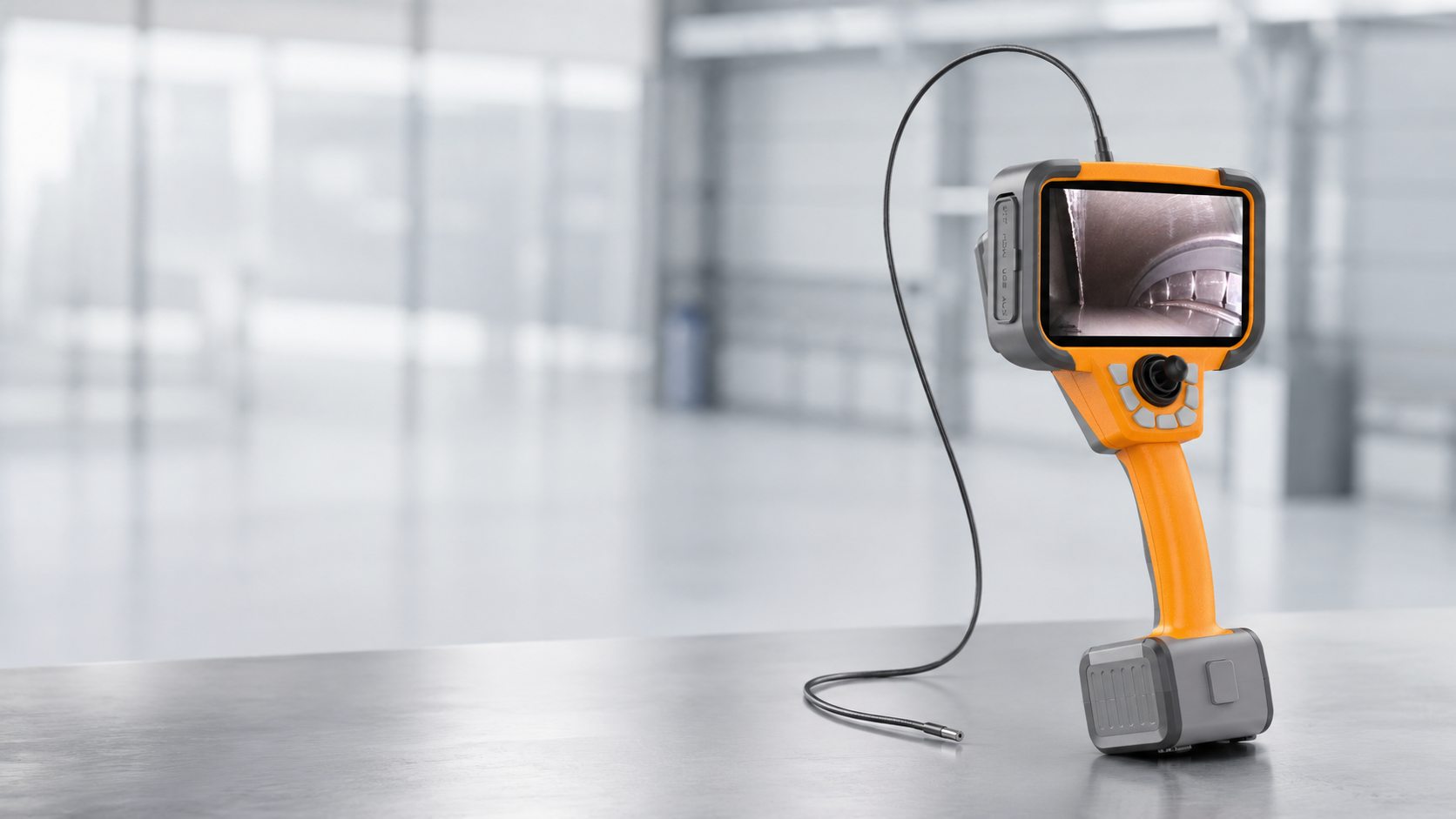
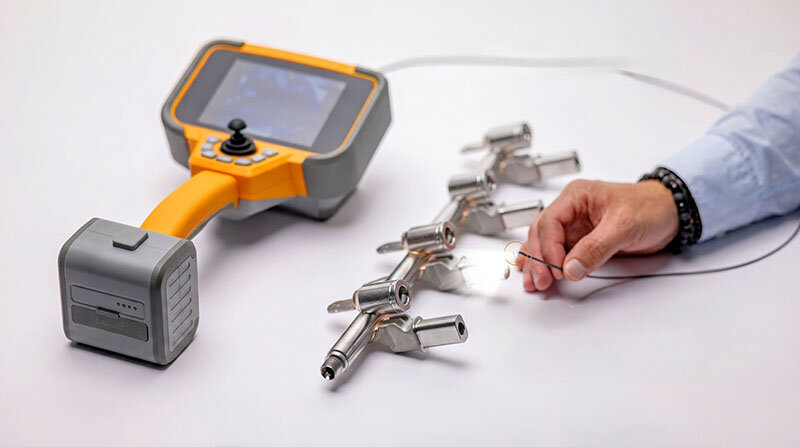
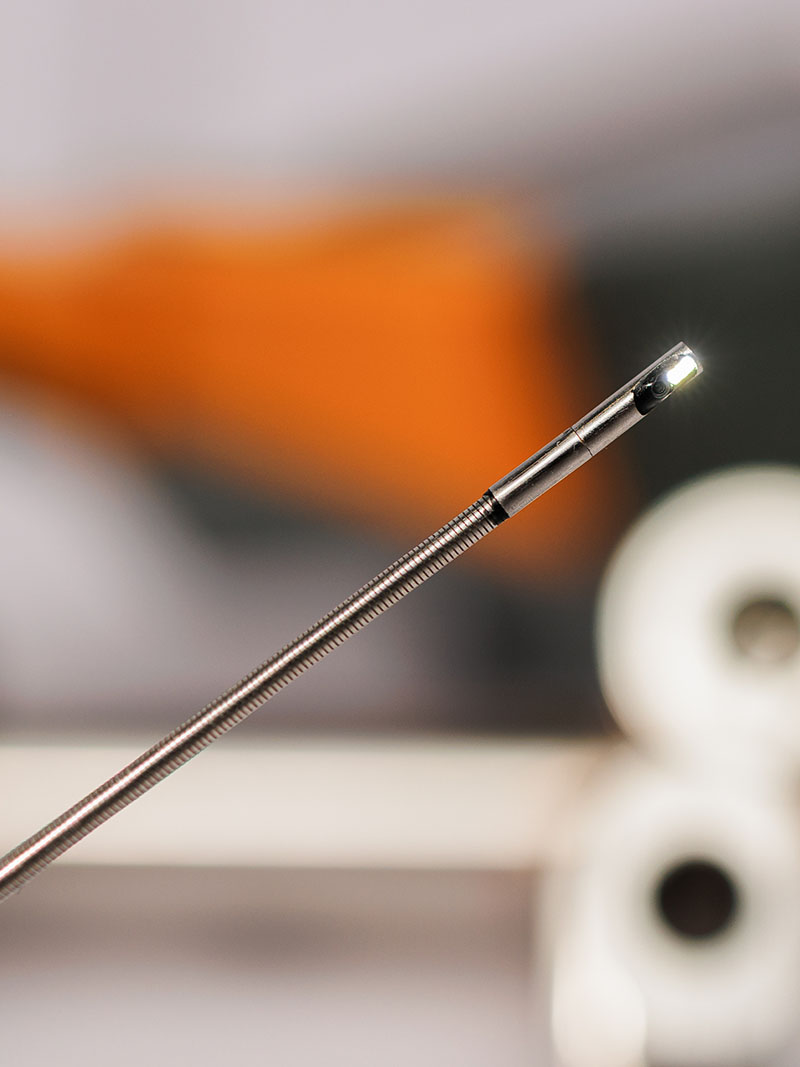
Articulation is one of the most important features of an industrial videoscope. It determines how the probe tip can bend and navigate inside complex inspection areas.
The two most common articulation systems are 2-way articulation and 4-way articulation. Understanding the differences between them helps users select the right videoscope configuration for their inspection tasks.
What is Articulation?
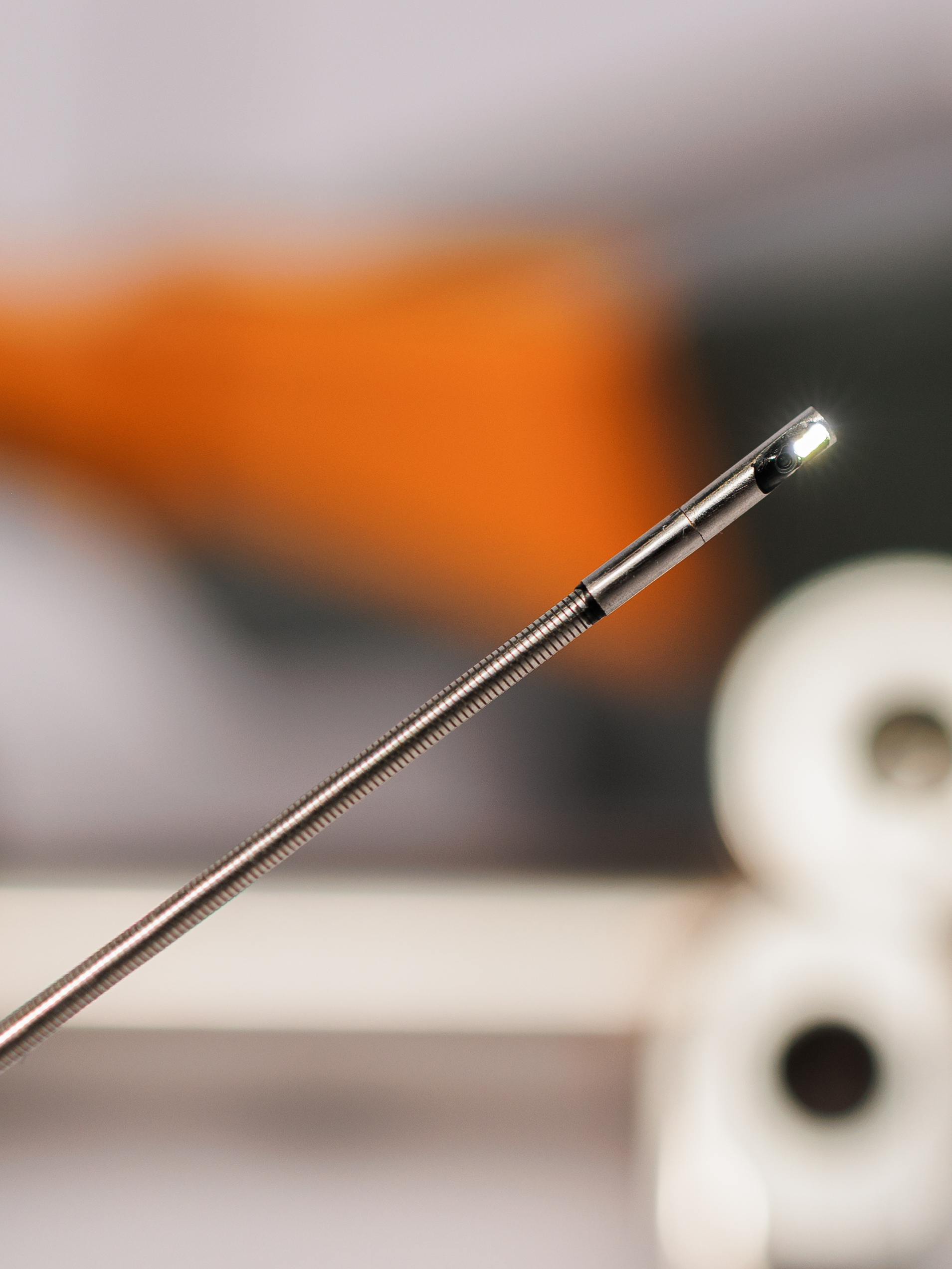
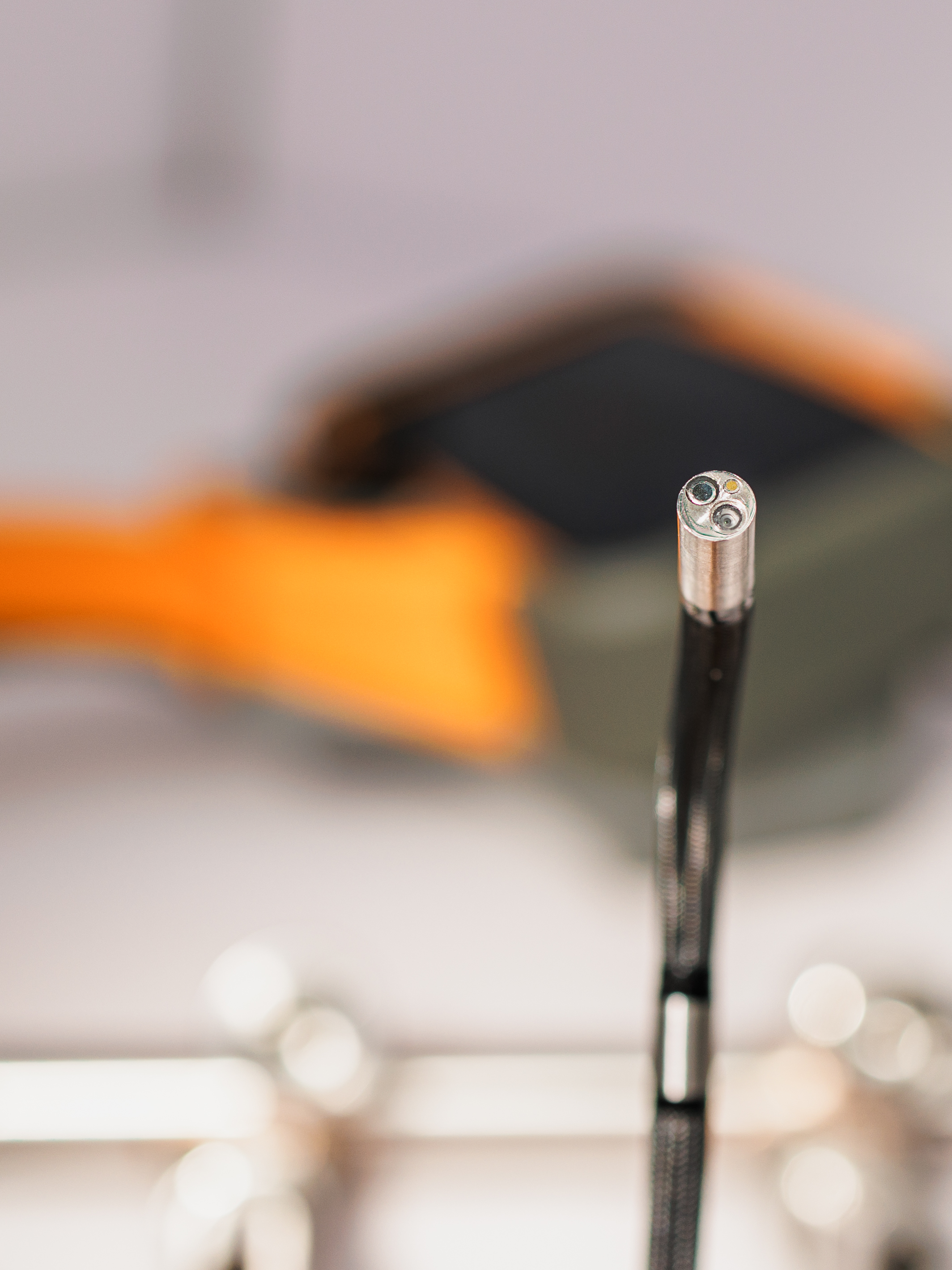
Articulation refers to the bending movement of the videoscope probe tip. By controlling the articulation system, inspectors can navigate around corners, inspect hidden areas, and position the camera toward defects or critical components.
Without articulation, inspections inside complex geometries become extremely difficult or impossible.
What is 2-Way Articulation?
2-way articulation allows the probe tip to bend in two directions, typically up and down.
This design is commonly used for:
Straight inspection paths
Simple tube inspection
Basic maintenance inspection
Cost-sensitive applications
Advantages of 2-Way Articulation
Simpler mechanical structure
Lower system cost
Smaller bending mechanism
Good for straight insertion paths
Typically more compact
Limitations of 2-Way Articulation
Limited navigation flexibility
Difficult to inspect side areas
Harder to navigate complex geometries
Limited viewing angle adjustment
What is 4-Way Articulation?
4-way articulation allows the probe tip to bend in four directions: up, down, left, and right.
This is the standard configuration for advanced industrial inspections where navigation flexibility is critical.
4-way articulation is widely used in:
Aerospace turbine inspection
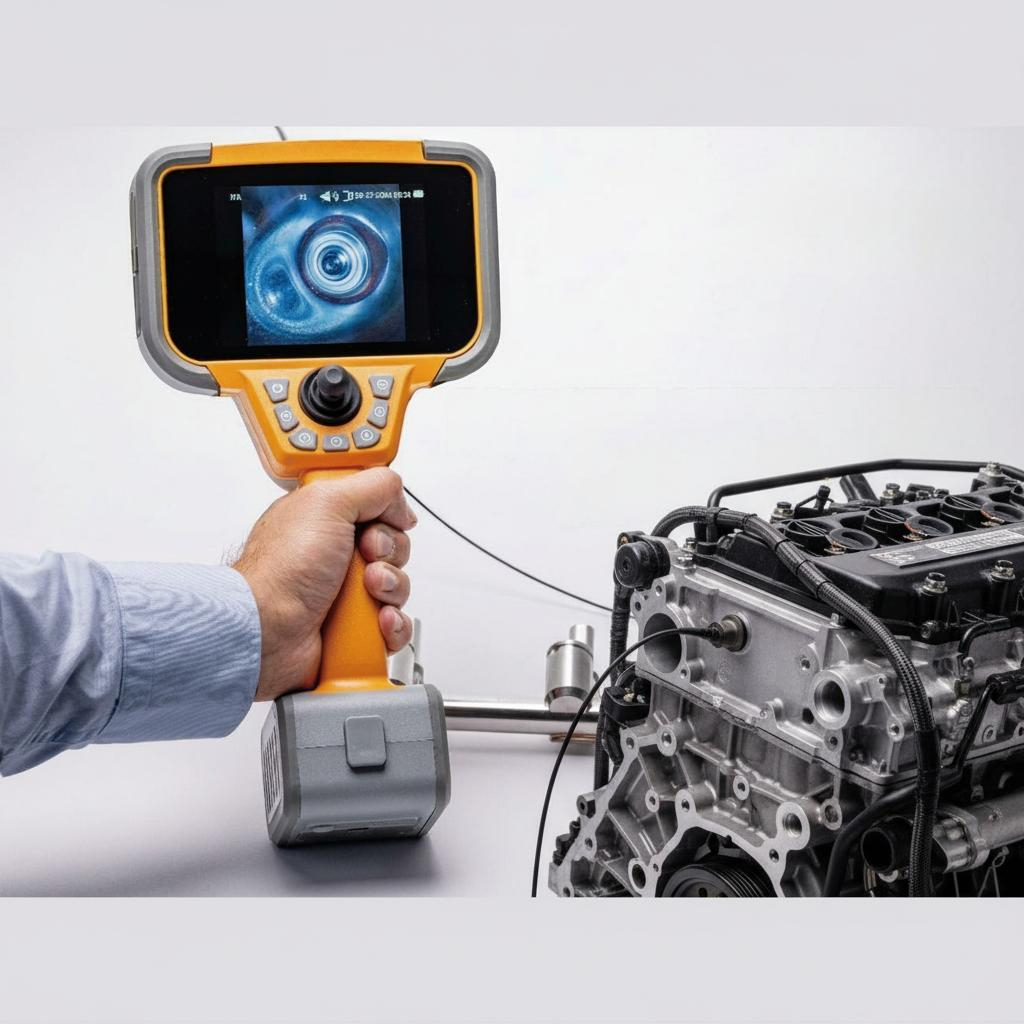
Automotive engine inspection
Power generation maintenance
Complex casting inspection
Industrial maintenance
Advantages of 4-Way Articulation
Maximum navigation flexibility
Easy inspection around corners
Better defect targeting
Improved inspection efficiency
Reduced need for probe reinsertion
Better control inside complex structures
Limitations of 4-Way Articulation
More complex internal structure
Higher system cost
Slightly larger bending section
Requires stronger articulation control mechanism
Comparison Between 2-Way and 4-Way Articulation
| Feature | 2-Way Articulation | 4-Way Articulation |
|---|---|---|
| Bending Directions | Up / Down | Up / Down / Left / Right |
| Navigation Flexibility | Limited | Excellent |
| Complex Geometry Inspection | Basic | Advanced |
| Inspection Efficiency | Moderate | High |
| System Cost | Lower | Higher |
| Typical Applications | Simple tubes and straight access | Turbines, engines, industrial maintenance |
When to Choose 2-Way Articulation
2-way articulation is suitable when:
The inspection path is relatively straight
The target area is directly ahead
Budget is limited
Inspection complexity is low
Probe diameter must remain extremely small
Typical examples include:
Basic tube inspection
Simple cavity inspection
Entry-level industrial maintenance
When to Choose 4-Way Articulation
4-way articulation is recommended when:
The inspection path contains bends or obstacles
The inspection target is located off-axis
High inspection efficiency is required
Complex turbine or engine structures must be inspected
Precise camera positioning is necessary
Typical applications include:
Aerospace engine inspection
Gas turbine inspection
Automotive engine diagnostics
Industrial quality inspection
Probe Diameter and Articulation
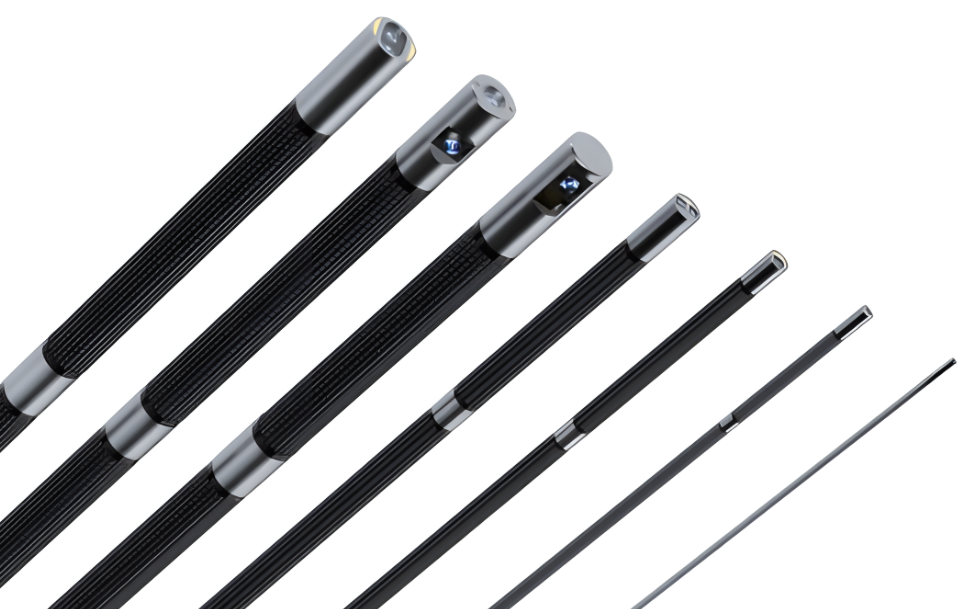
Smaller probe diameters make articulation more challenging due to limited internal space.
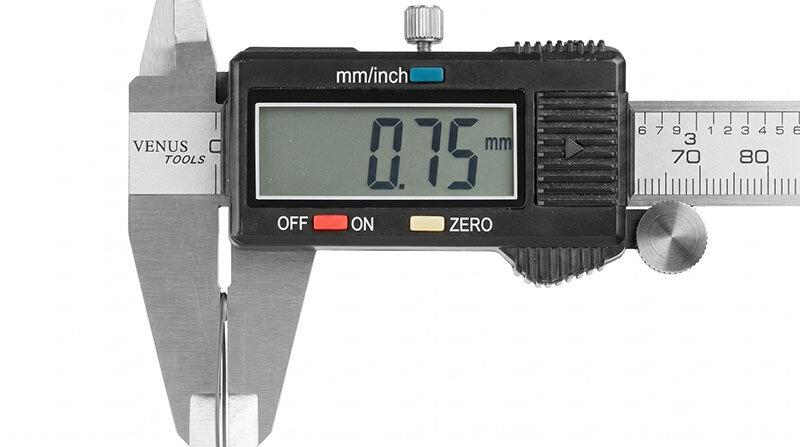
For ultra-thin probes below 2 mm, 2-way articulation is often more practical because:
The internal mechanical structure is extremely compact
Bending radius becomes limited
Durability requirements increase significantly
Larger probes such as 4 mm and 6 mm can support stronger and more stable 4-way articulation systems.
Conclusion
Both 2-way and 4-way articulation systems have their advantages depending on the inspection application.
2-way articulation offers a simpler and cost-effective solution for basic inspections, while 4-way articulation provides maximum flexibility and efficiency for complex industrial inspections.
For demanding applications such as turbine inspection, aerospace maintenance, and engine diagnostics, 4-way articulation is generally the preferred solution.