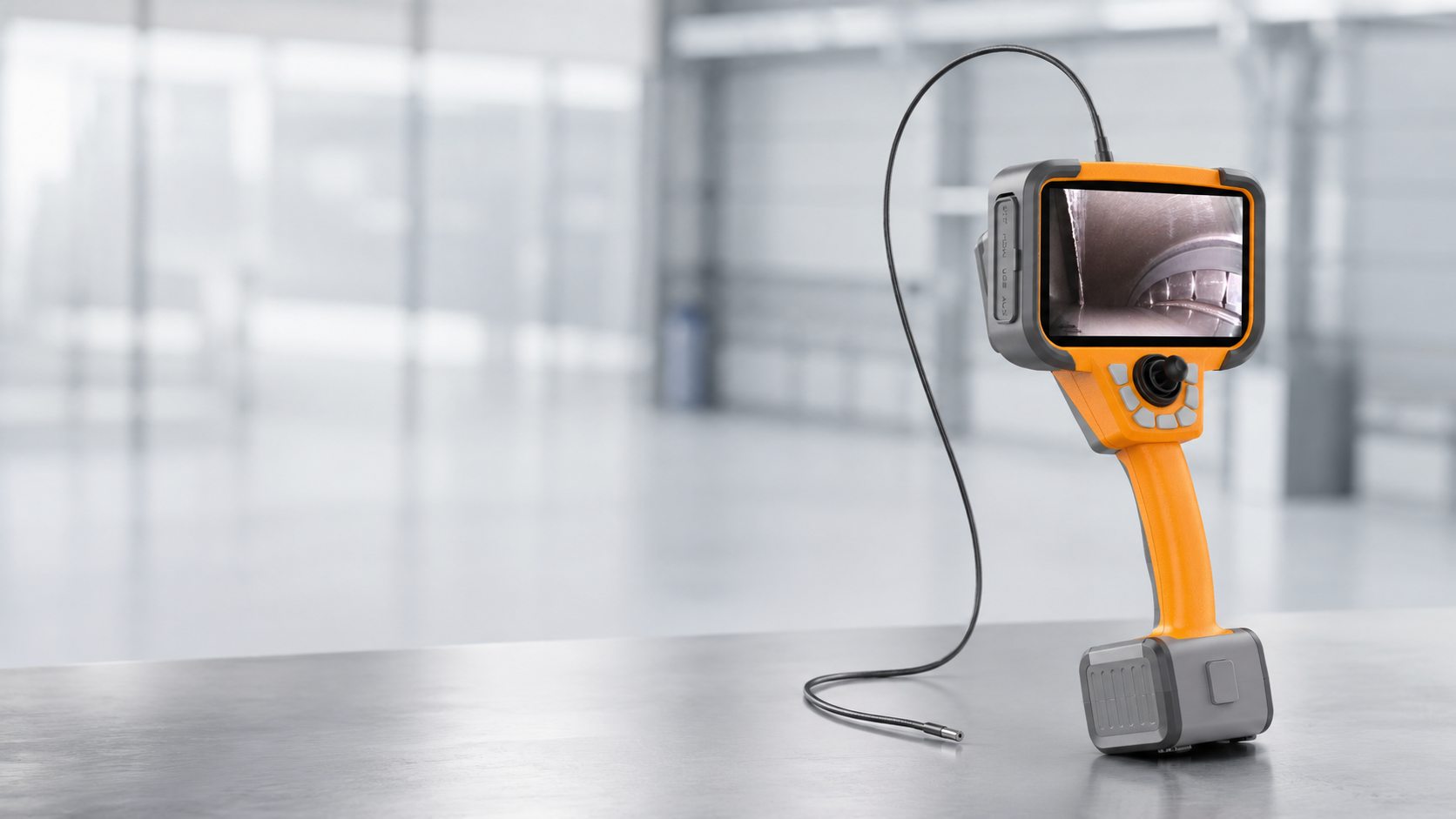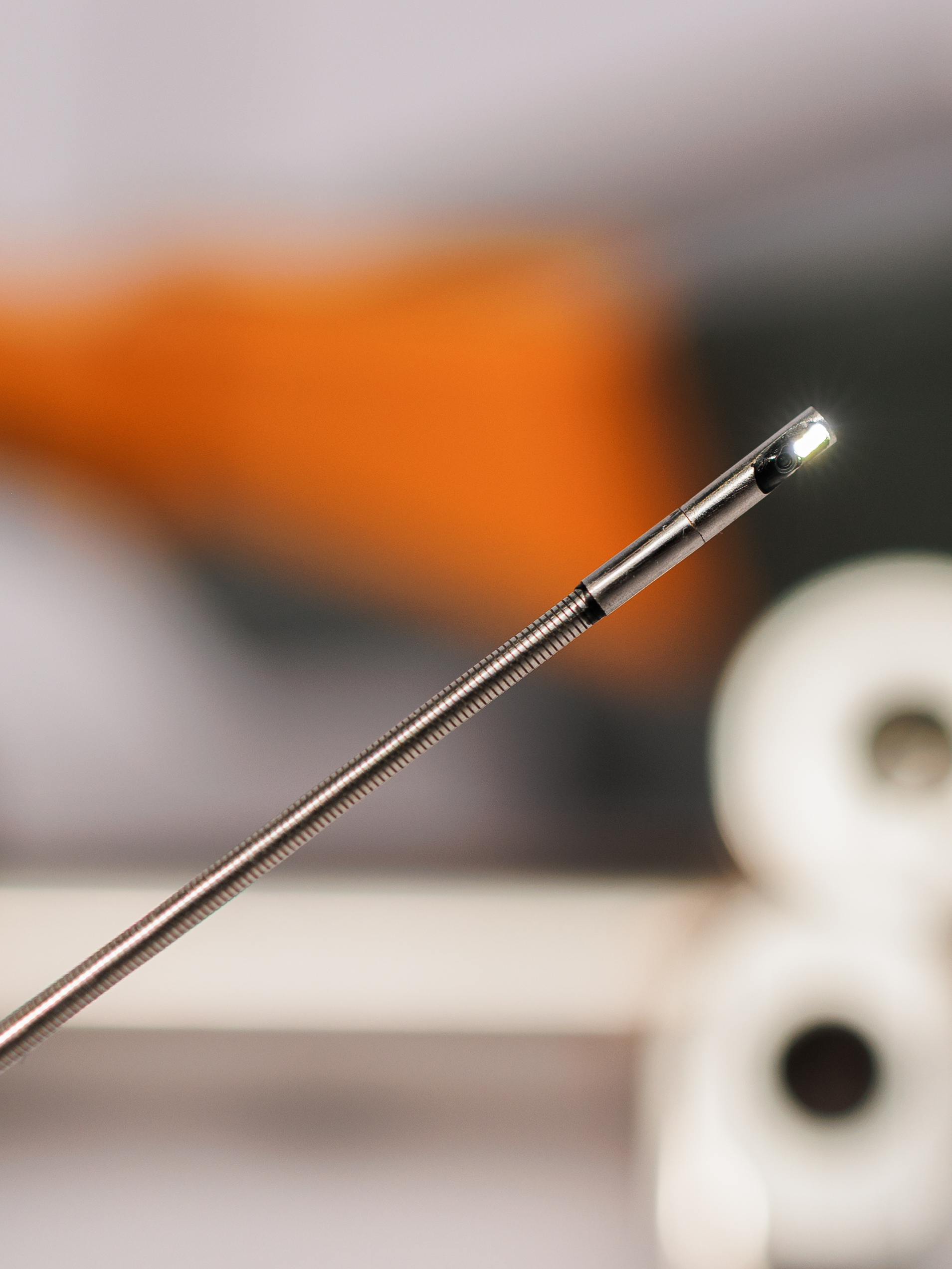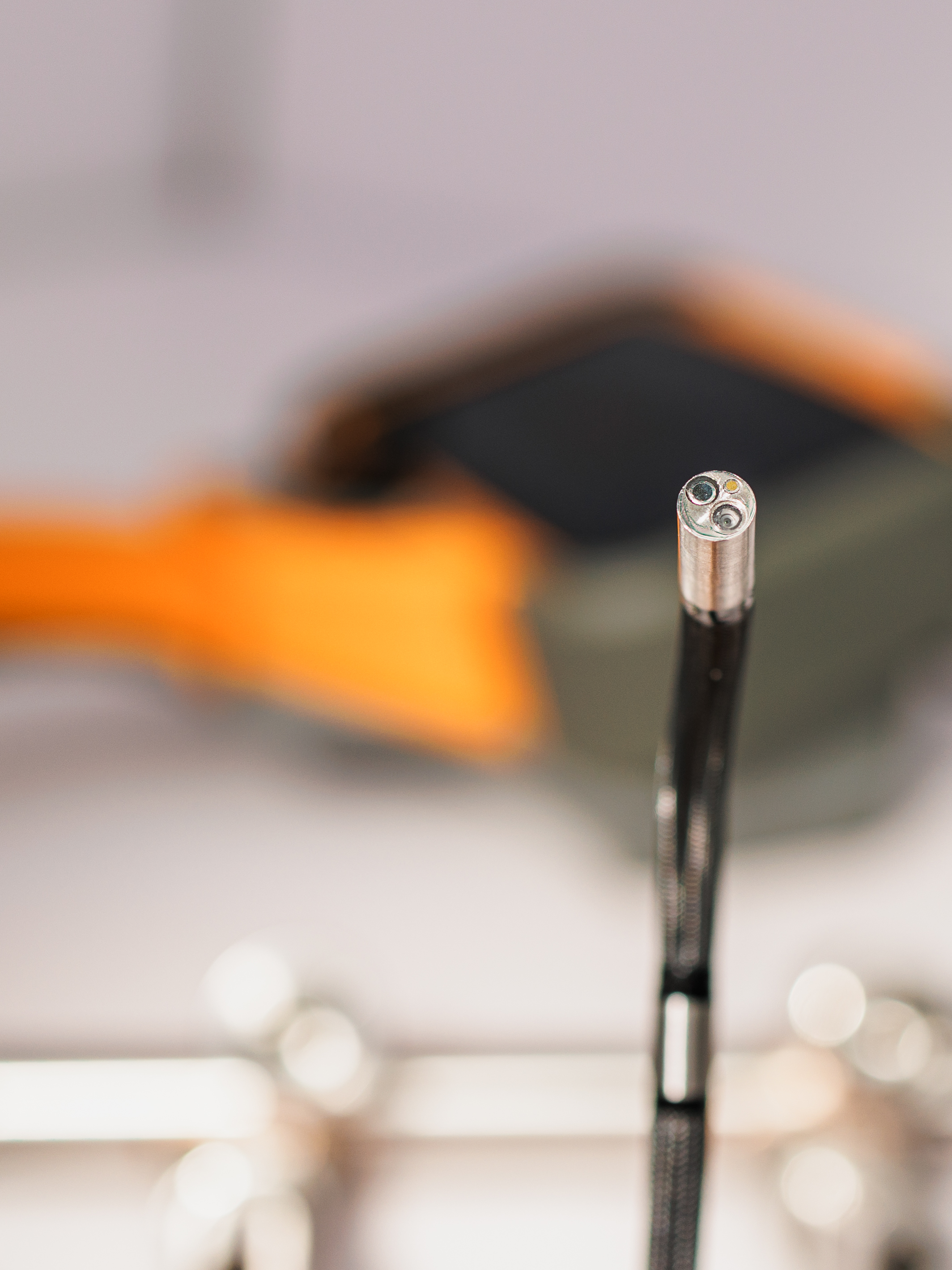
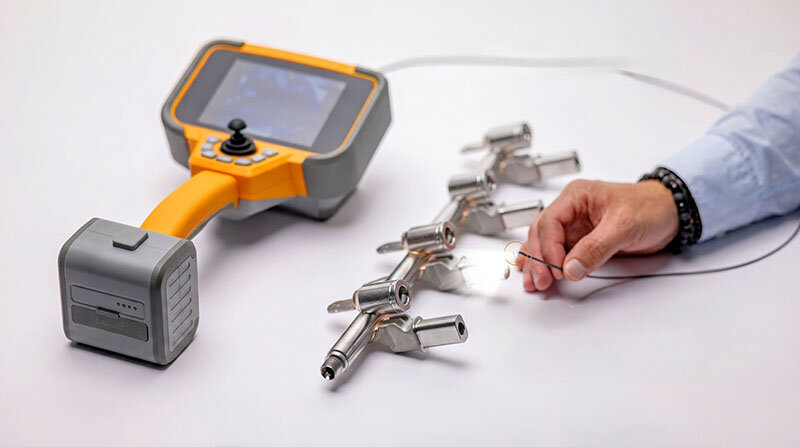
How to Choose the Right Videoscope Probe Diameter
Choosing the correct videoscope probe diameter is essential for successful non-destructive testing. This guide outlines common probe sizes, from 1mm micro-probes for tight spaces to 4-6mm standard probes for general use. Learn key selection tips regarding access size, inspection depth, and flexibility to ensure you select the right tool for the job.
How to Choose the Right Videoscope Probe Diameter
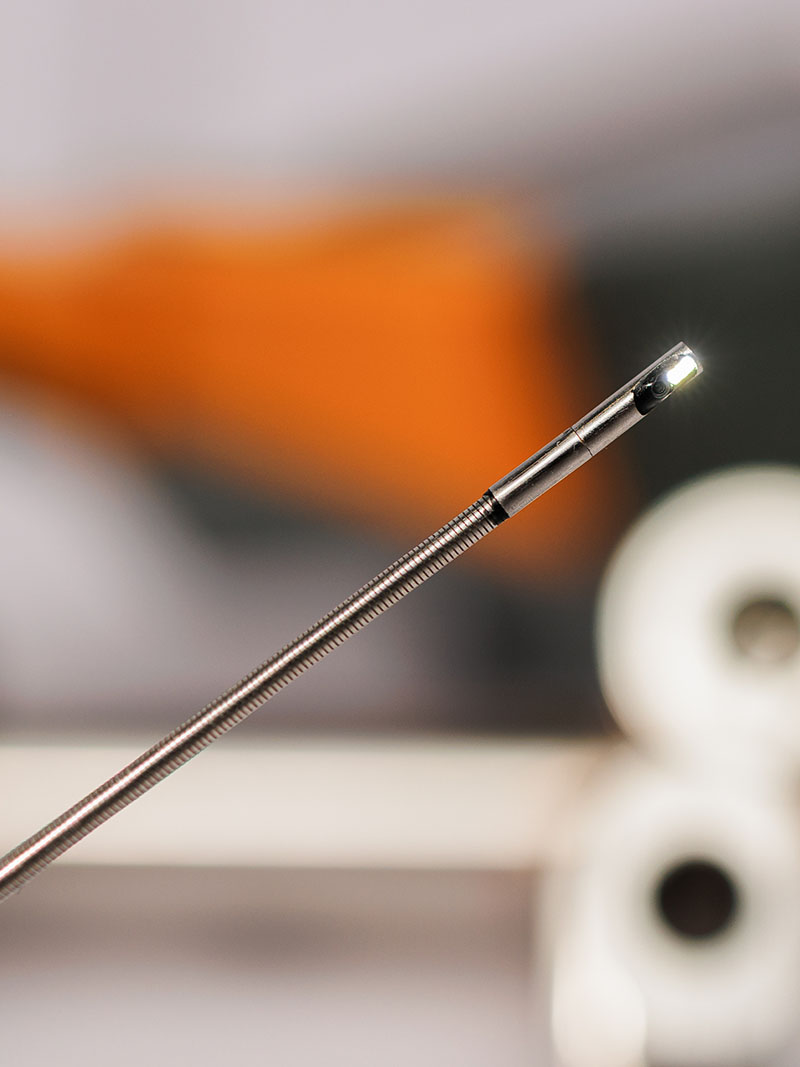
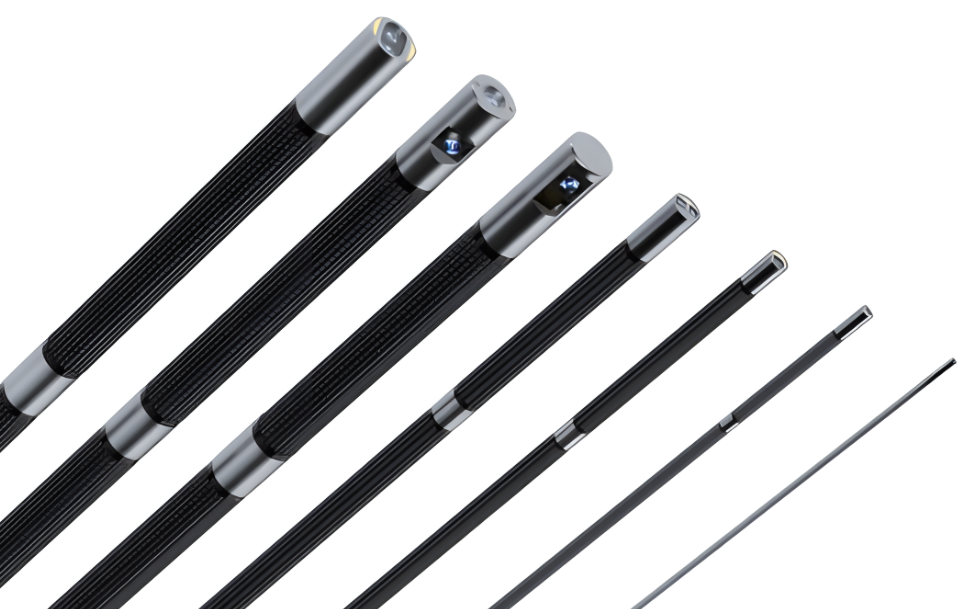
Selecting the correct videoscope probe diameter is one of the most important decisions in industrial visual inspection. A smaller probe allows access to tighter spaces, while a larger probe generally provides better image quality, stronger illumination, stronger articulation, and better durability.
The key principle is simple: choose the largest probe diameter that can safely access the inspection area.
Why Probe Diameter Matters
The probe diameter directly affects access capability, image resolution, illumination performance, flexibility, articulation strength, durability, and repair cost.
General Selection Rule
Always choose the largest probe diameter that can enter the inspection area safely. Smaller probes should only be selected when the access limitation requires them.
Typical Probe Diameter Options
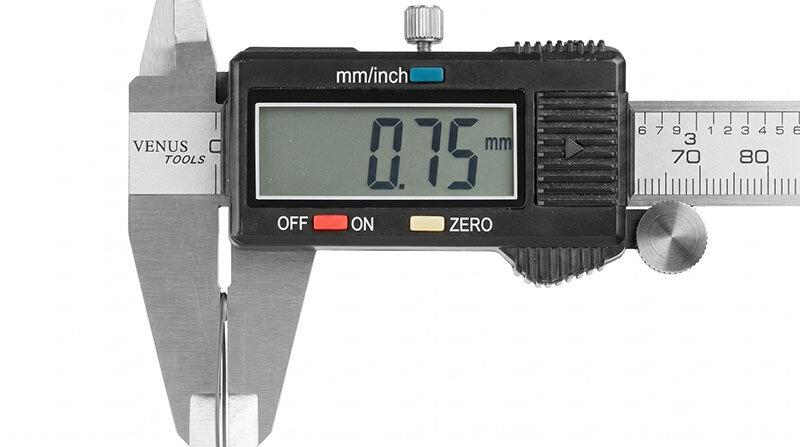
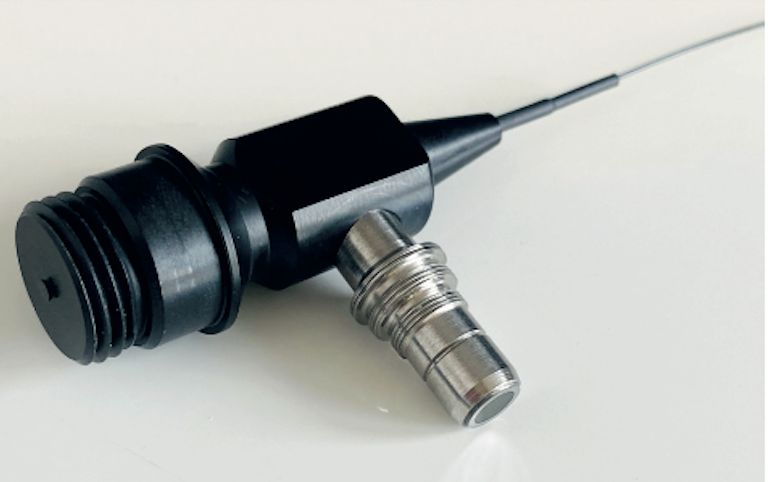
0.95 mm – 1.2 mm Ultra-Thin Probes
Ultra-thin probes are designed for extremely narrow access points such as small channels, cooling holes, injector areas, and precision components.
Best for extremely limited access
Suitable for micro inspection tasks
More fragile than larger probes
Lower illumination and image performance compared with larger diameters
1.8 mm – 2.8 mm Probes
This diameter range provides a practical balance between small access capability and usable image quality.
Suitable for automotive, casting, heat exchanger, and small component inspection
Good flexibility for narrow inspection paths
Available with 2-way articulation depending on configuration
Typical resolution: 400 × 400 pixels
4.0 mm Probes
A 4.0 mm probe is often the best balance for professional industrial inspection when access space allows.
Suitable for turbine, aerospace, power generation, weld, and pipe inspection
HD image quality
Strong 4-way articulation
Typical resolution: 1280 × 720 pixels
6.0 mm Probes
A 6.0 mm probe is recommended when image quality, brightness, and durability are the main priorities.
Ideal for large turbine, boiler, pipe, and heavy industry inspection
Best illumination performance
Strongest articulation structure
Typical resolution: 1280 × 720 pixels
Key Factors to Consider
1. Access Hole Size
Check the real usable opening size, not only the nominal diameter. Bends, insertion angle, and internal geometry may require a smaller probe than expected.
2. Image Quality Requirement
If defect recognition is critical, use a larger HD probe whenever possible. Smaller probes are mainly selected for access, not maximum image quality.
3. Illumination Distance
Larger probes normally provide stronger light output and better viewing performance at longer distances.
4. Articulation Requirement
For complex inspection paths, 4-way articulation is strongly recommended. Larger probes usually offer stronger and more stable articulation performance.
5. Durability and Repair Cost
Smaller probes are more delicate and more sensitive to crushing, bending, and sharp edges. For harsh industrial environments, a larger probe often provides better lifetime value.
Application-Based Recommendation
Aerospace turbine inspection: 4.0 mm or 6.0 mm probe
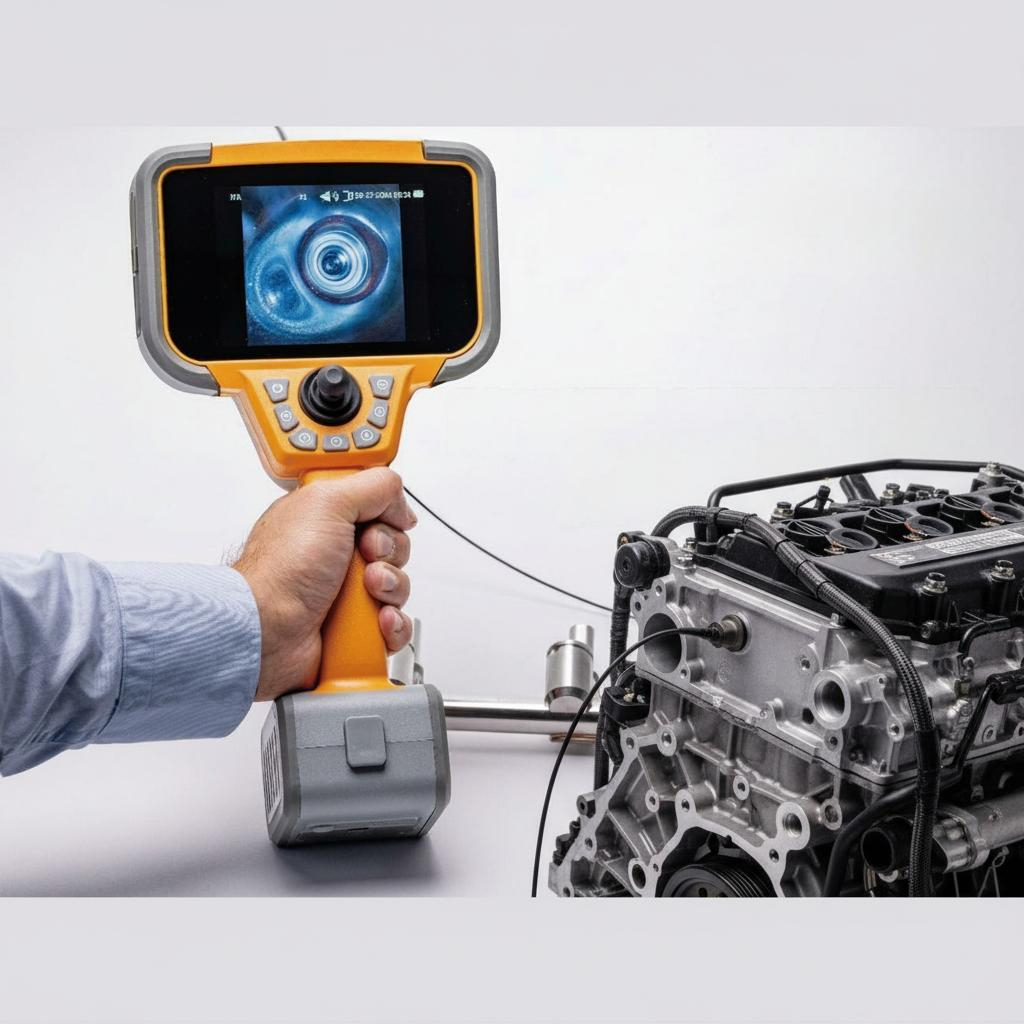
Automotive engine inspection: 2.8 mm, 4.0 mm, or 6.0 mm probe
Heat exchanger inspection: 1.8 mm – 4.0 mm probe
Casting inspection: 2.8 mm – 6.0 mm probe
Micro channel inspection: 0.95 mm – 1.2 mm probe
Conclusion
The right videoscope probe diameter depends on the balance between access, image quality, articulation, illumination, and durability. In most cases, users should avoid choosing the smallest possible probe unless it is technically required.
For industrial inspection, the best recommendation is to choose the largest probe diameter that can safely reach the inspection area. This provides better image quality, stronger performance, and lower long-term operating cost.