Flexible vs Rigid Borescope
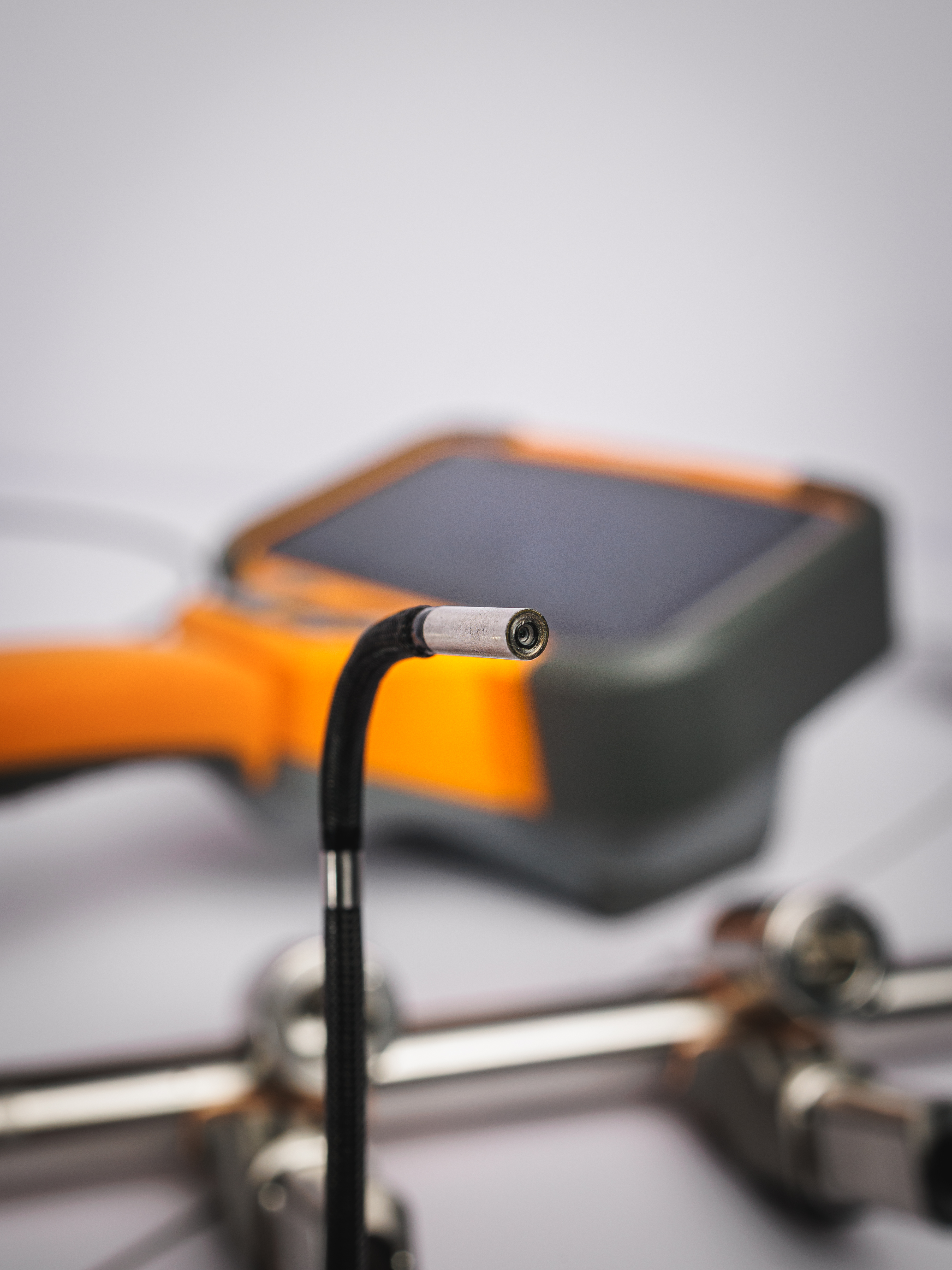
Learn the difference between flexible and rigid borescopes, including probe structure, access flexibility, image quality, inspection direction, application range, and how to choose the right inspection tool for industrial remote visual inspection.
Flexible vs Rigid Borescope
Borescopes are essential tools for industrial visual inspection and remote visual inspection (RVI). Depending on the inspection environment, users typically choose between two main types:
Flexible borescopes
Rigid borescopes
Both systems are designed to inspect areas that are difficult or impossible to access directly, but they are optimized for very different inspection conditions.
Choosing the correct type depends on:
Inspection path geometry
Required image quality
Access limitations
Durability requirements
Inspection workflow
What is a Rigid Borescope?
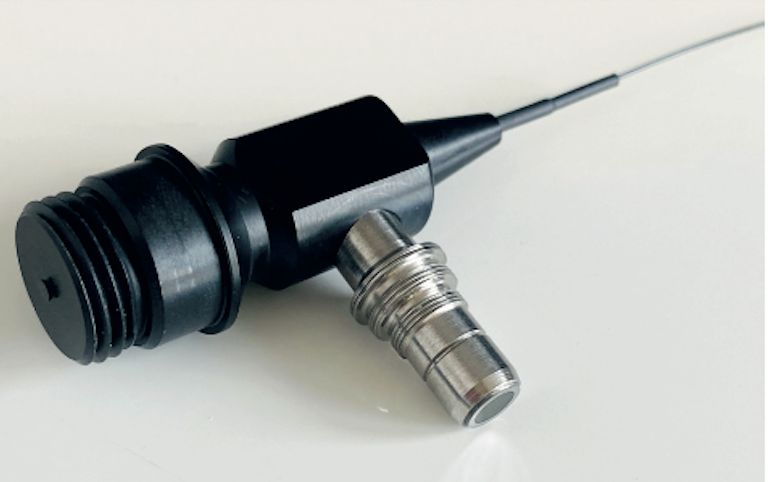
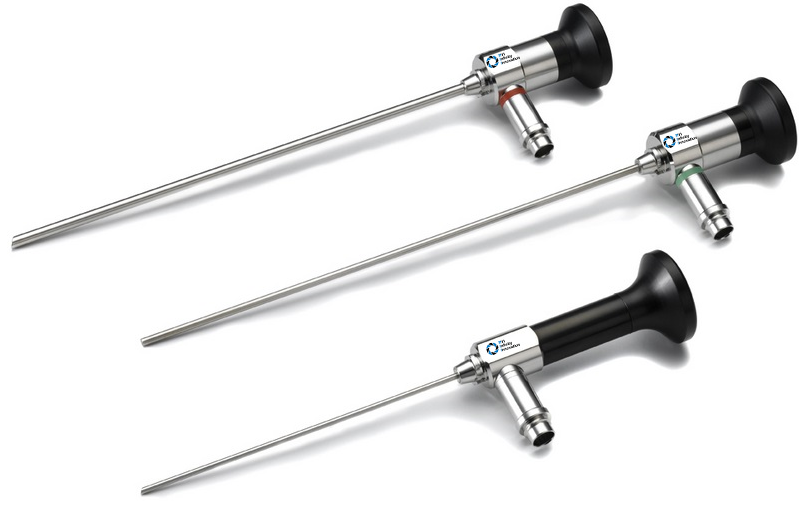
A rigid borescope uses a straight, non-flexible insertion tube with an optical lens system or integrated camera system.
Rigid borescopes are designed for inspections where there is a direct straight-line access path to the inspection target. :contentReference[oaicite:0]{index=0}
Typical applications include:
Automotive cylinder inspection
Fuel injector inspection
Hydraulic manifold inspection
Manufacturing quality control
Laboratory inspection
Advantages of Rigid Borescopes
Excellent image quality
High optical clarity
Strong mechanical durability
Simpler internal structure
Lower system cost
Easy operation in straight access paths
Rigid borescopes are widely recognized for delivering superior image quality compared with flexible systems of similar class. :contentReference[oaicite:1]{index=1}
Limitations of Rigid Borescopes
Cannot navigate around bends
Requires direct line-of-sight access
Limited flexibility in complex geometries
Less suitable for curved inspection paths
What is a Flexible Borescope?
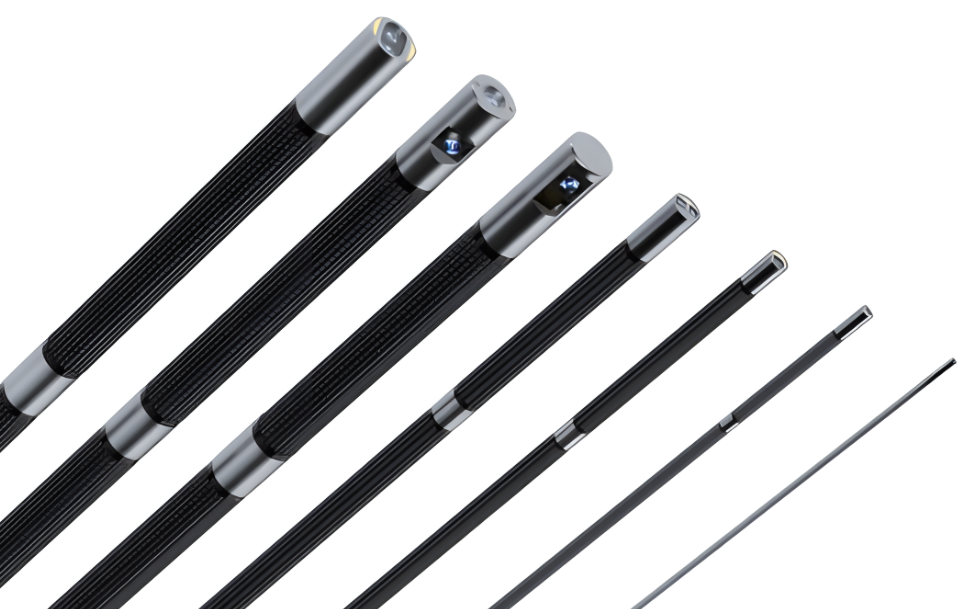
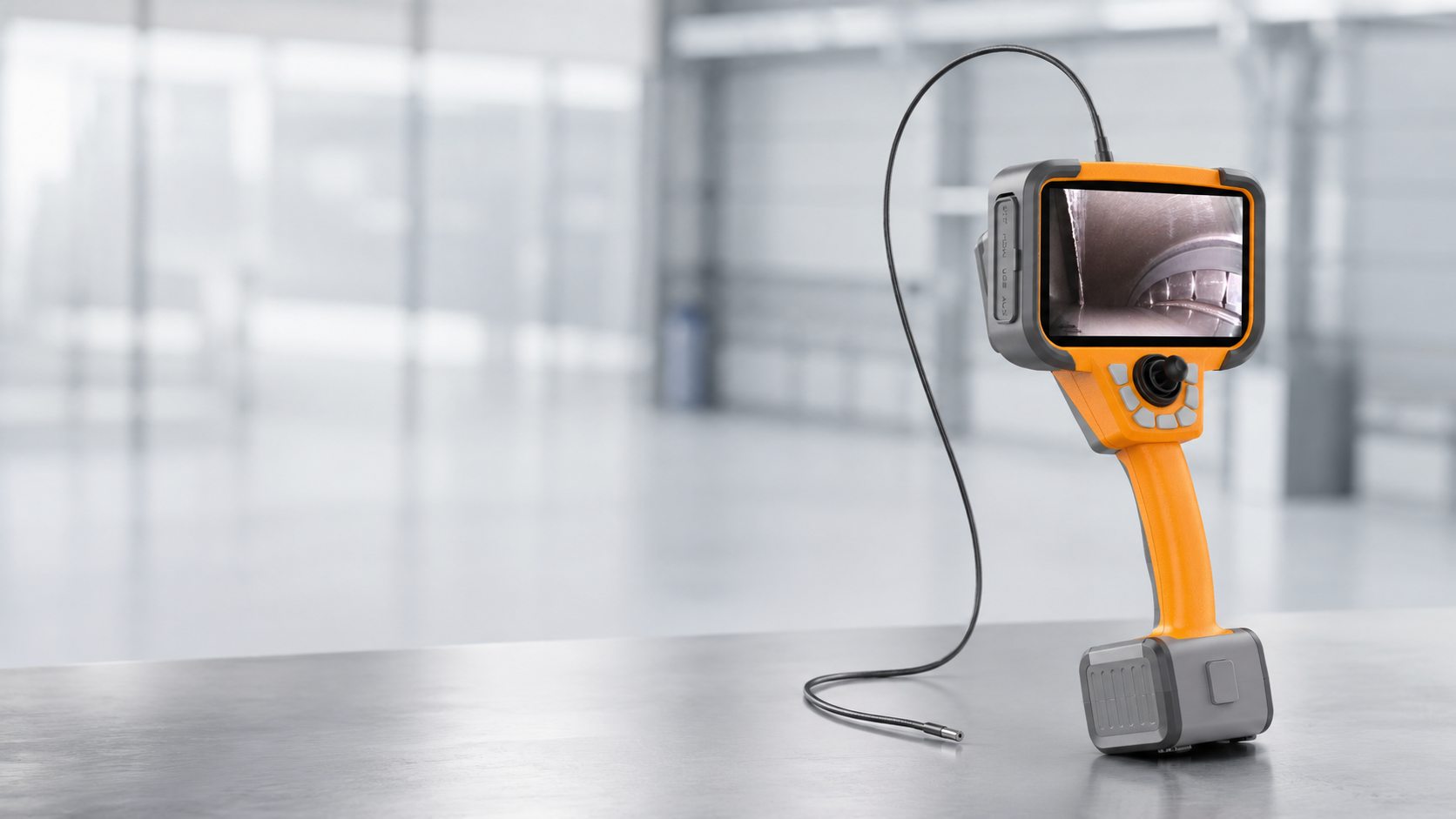
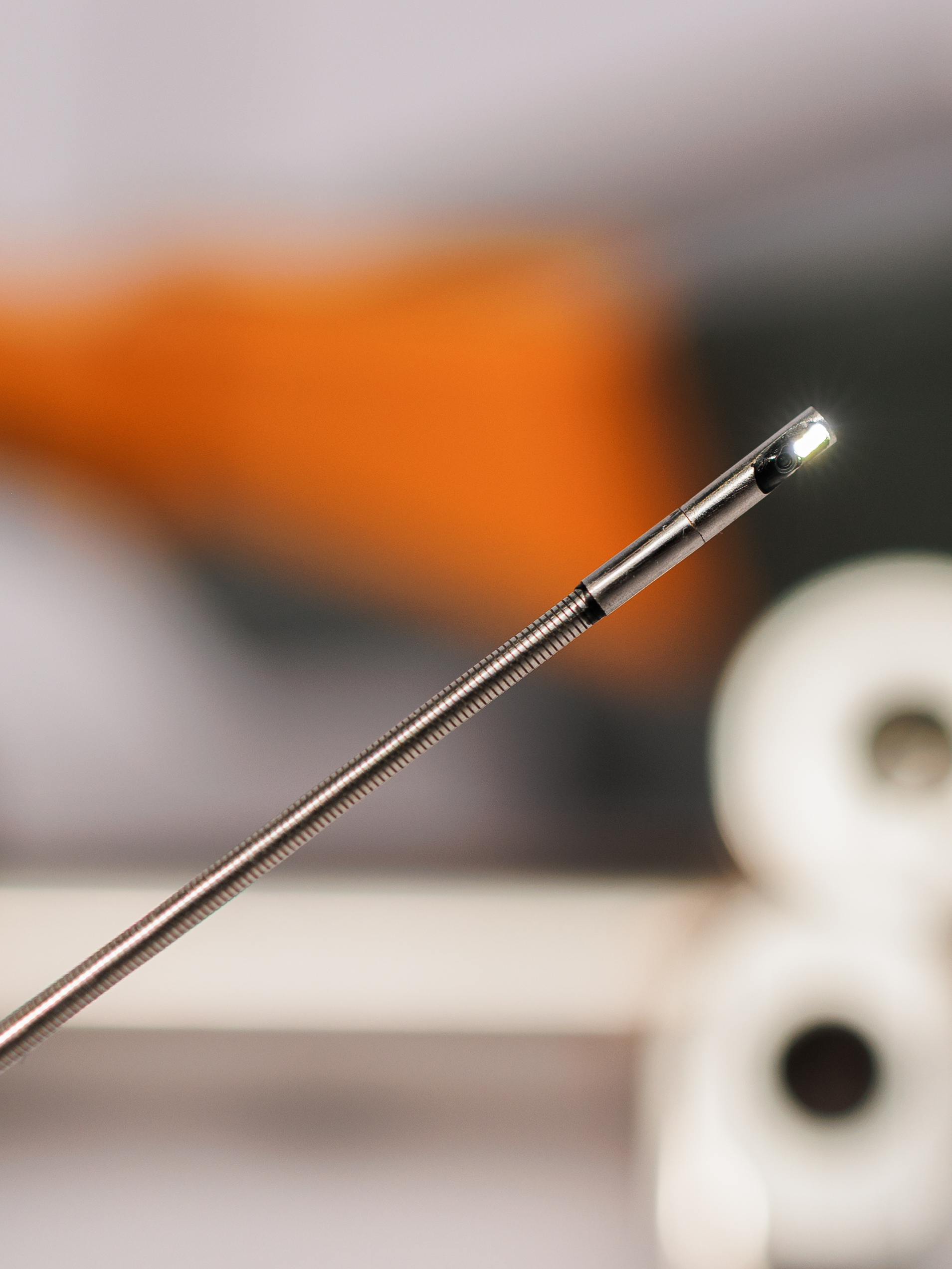
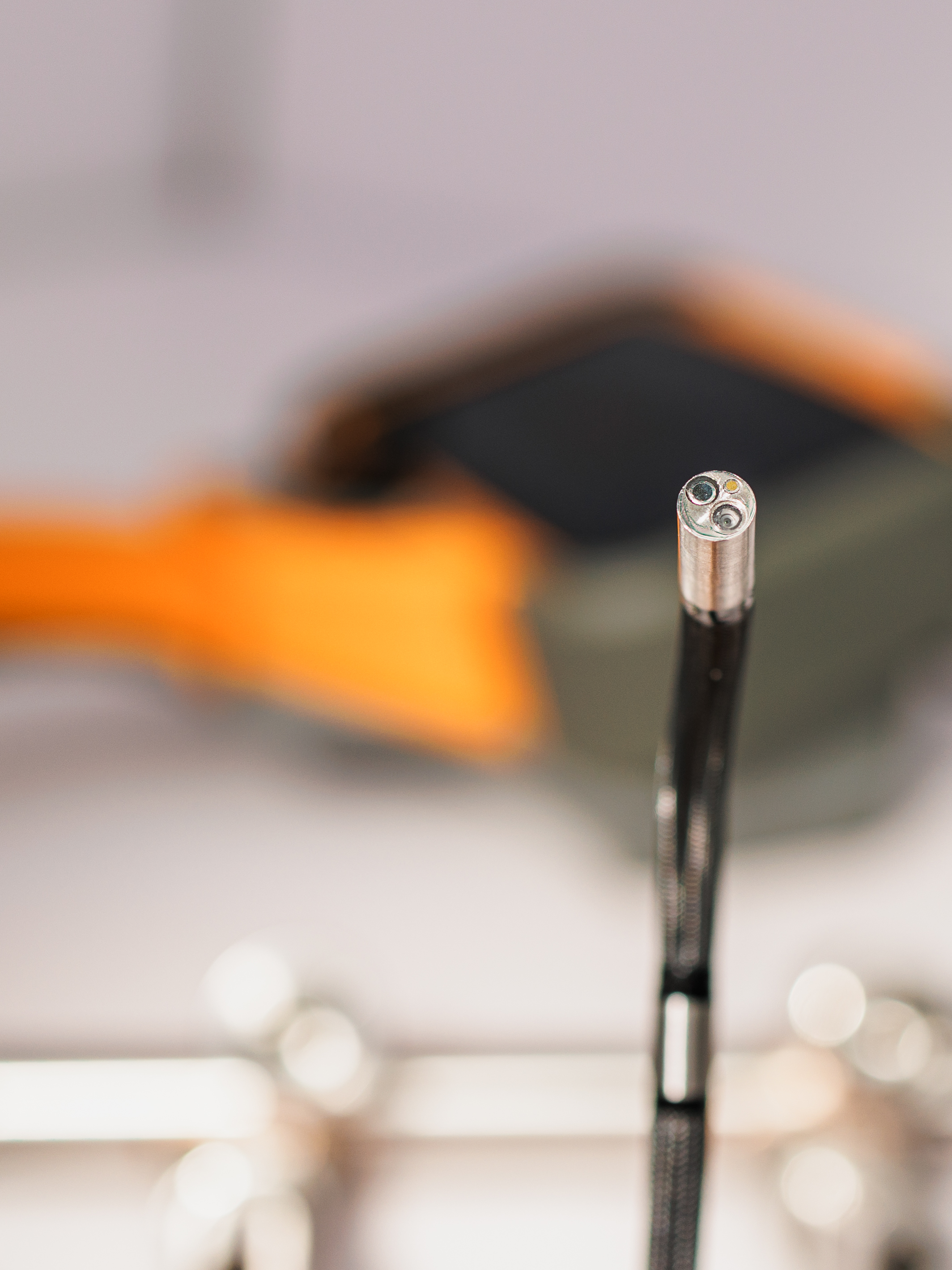
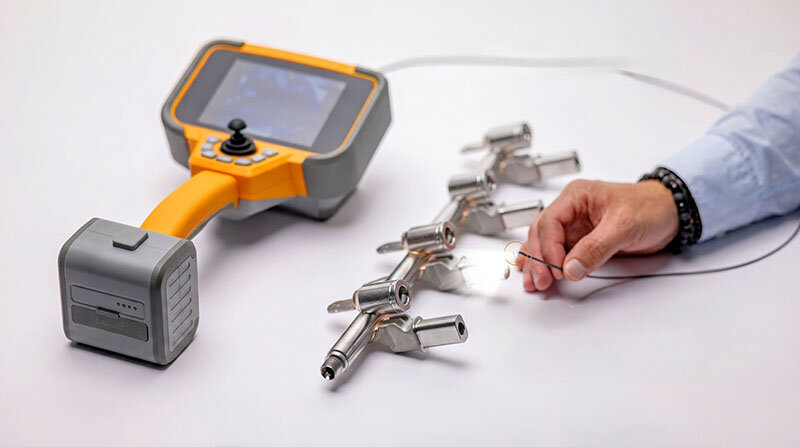
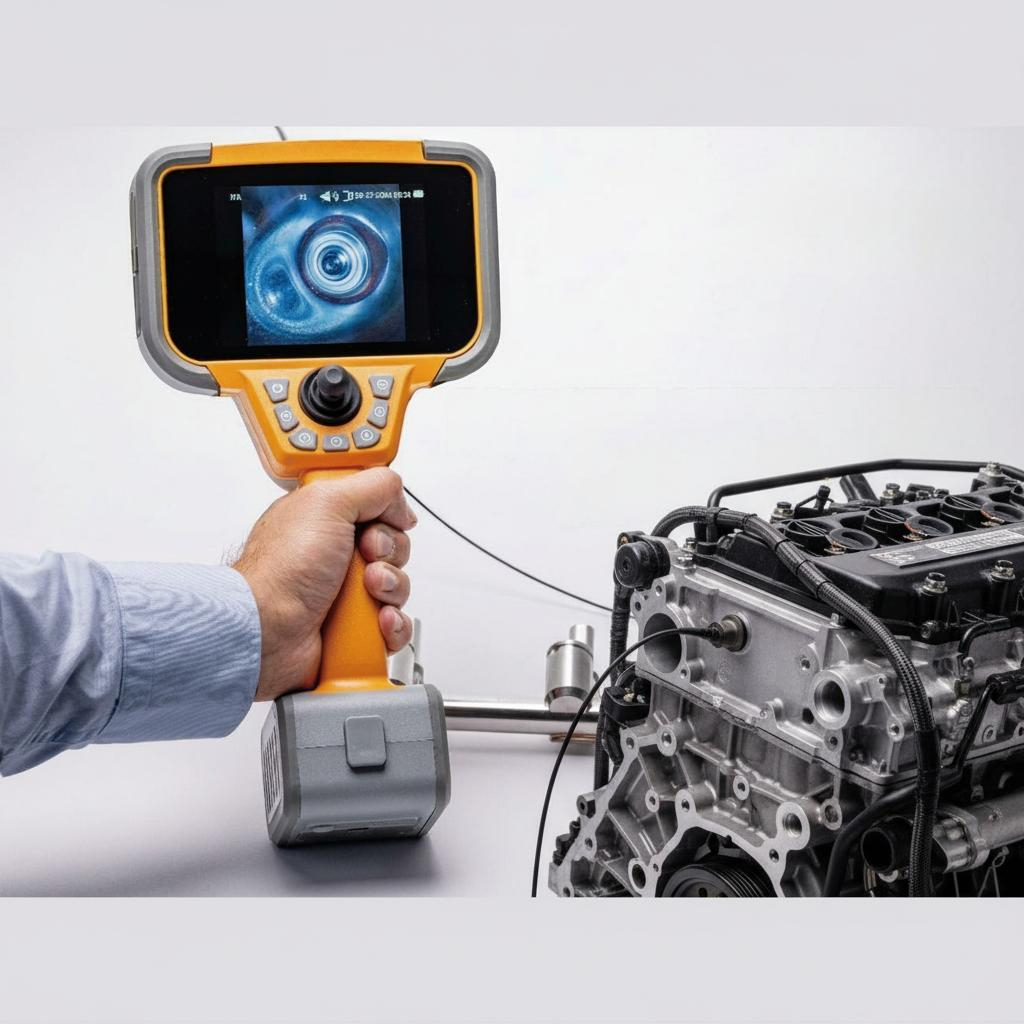
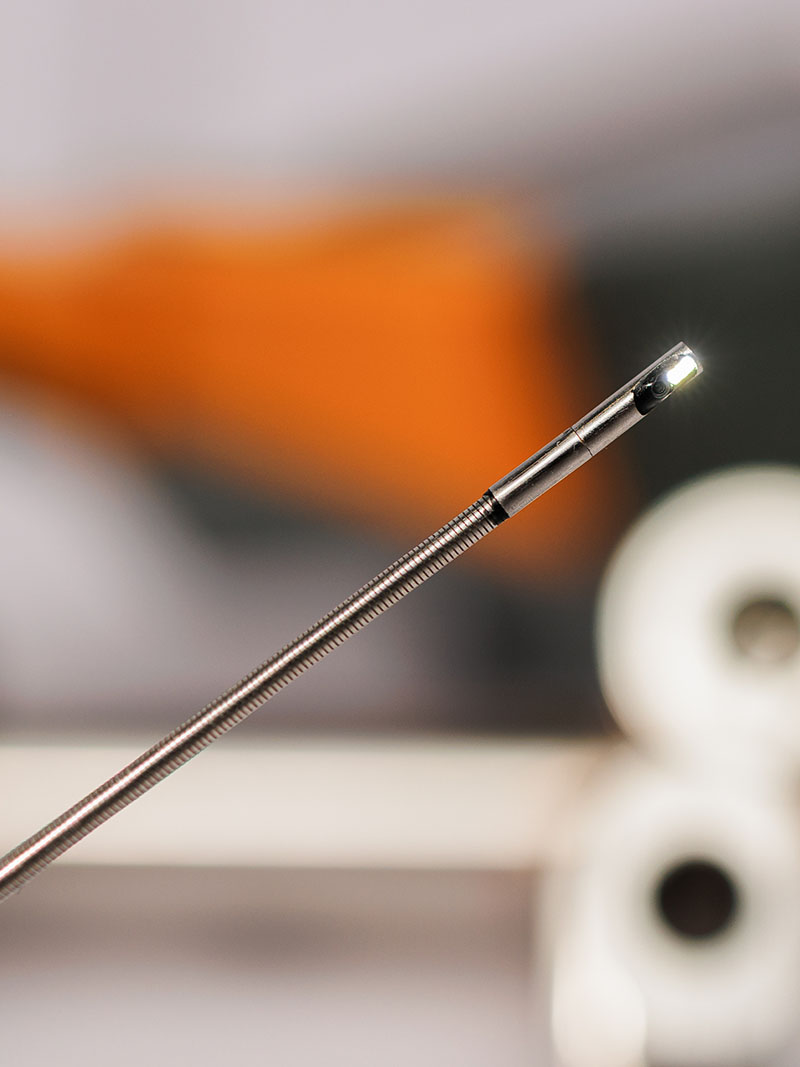
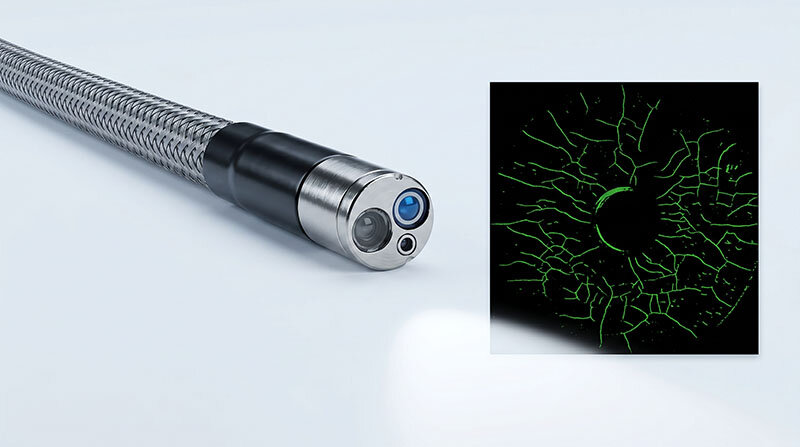
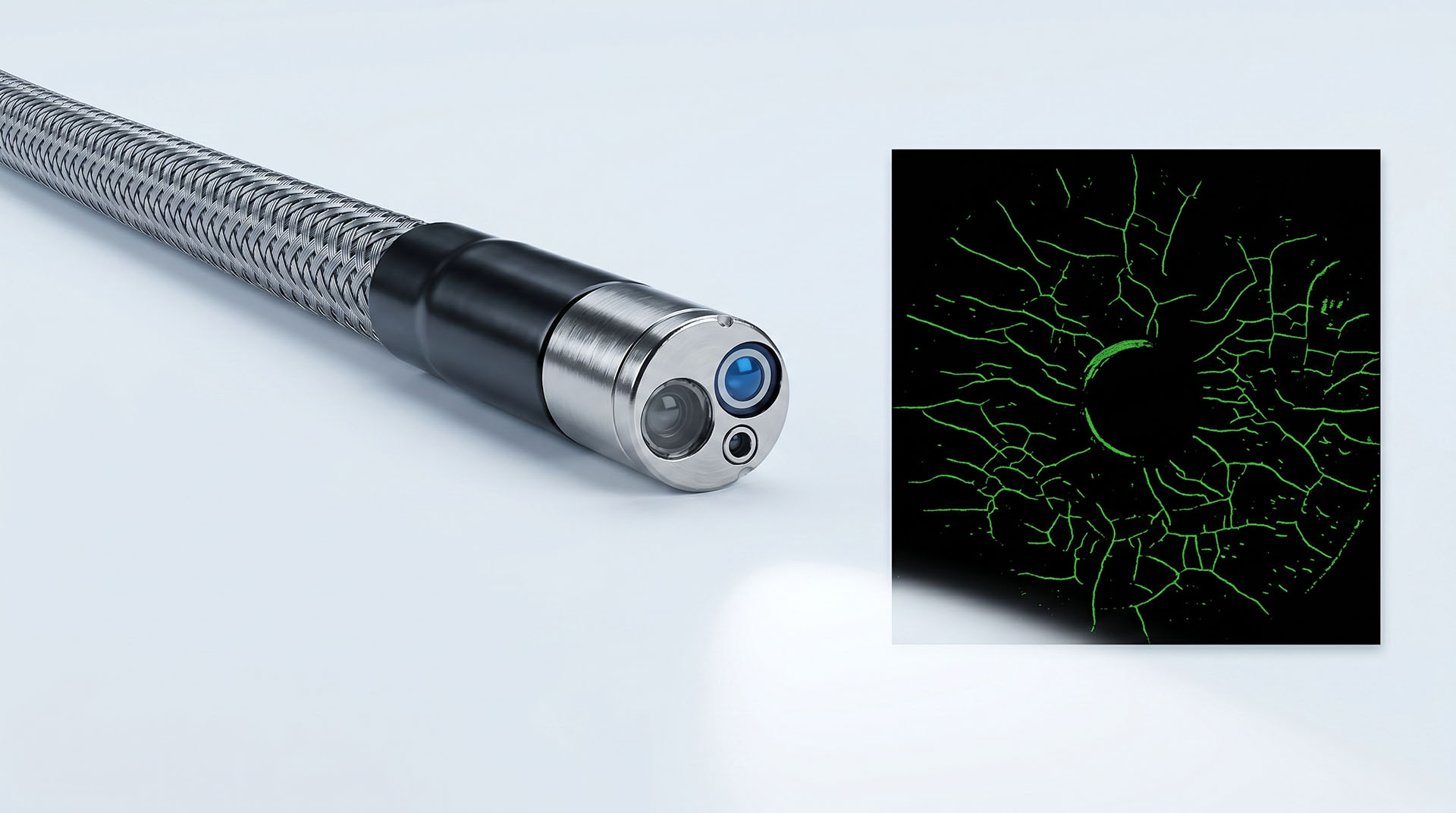
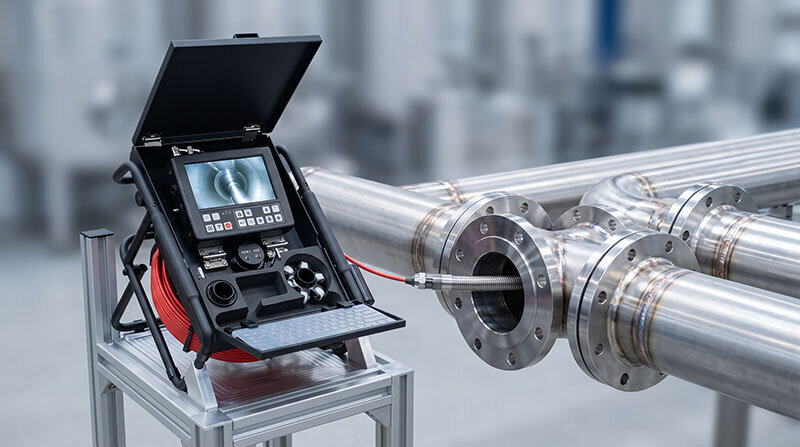
A flexible borescope uses a flexible insertion tube that can navigate through curved or complex inspection paths.
Modern flexible borescopes are often called videoscopes or fiberscopes depending on the imaging technology used. :contentReference[oaicite:2]{index=2}
Flexible systems are commonly used in:
Turbine inspection
Aerospace engine inspection
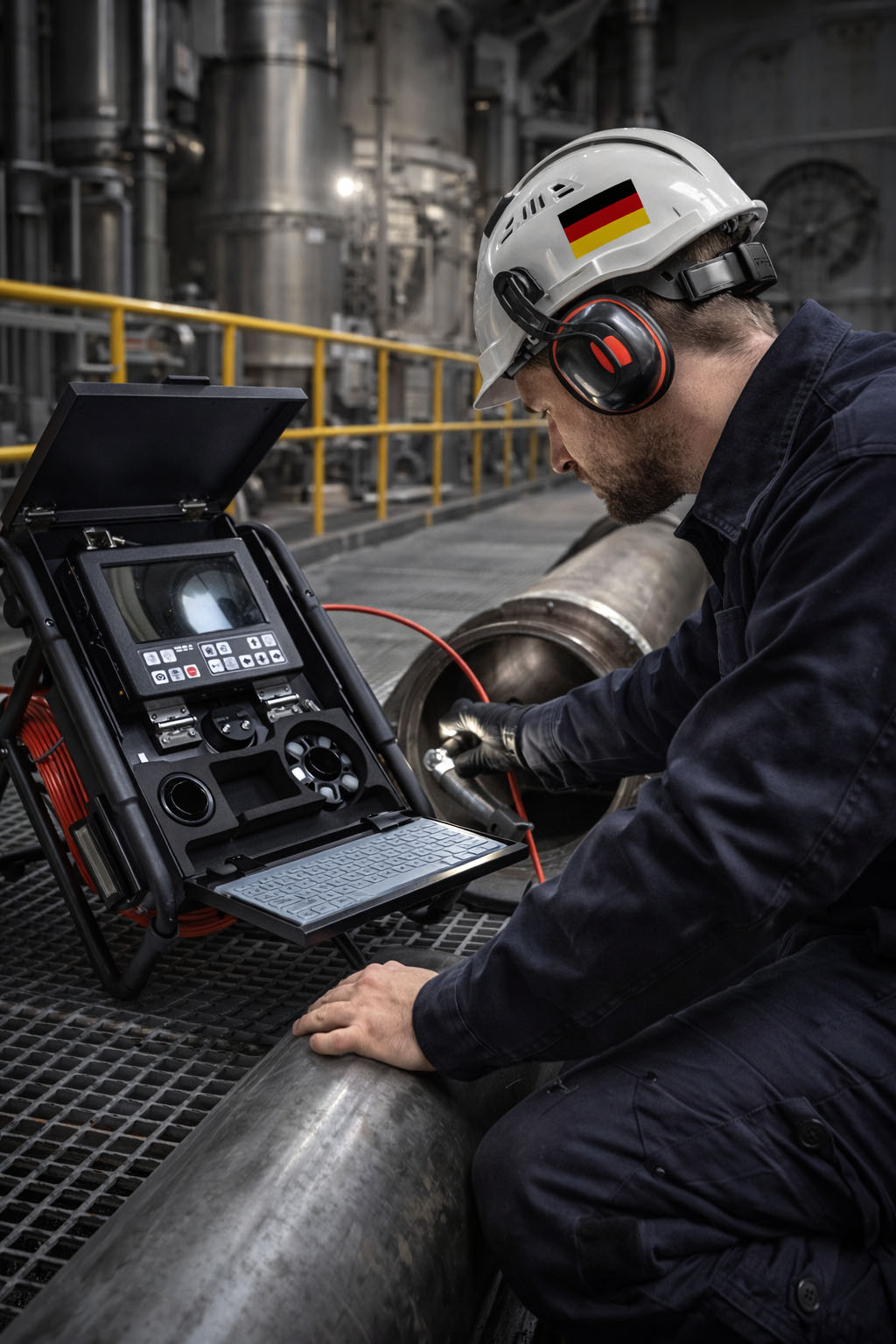
Pipe inspection
Heat exchanger inspection
Industrial maintenance
Complex machinery inspection
Advantages of Flexible Borescopes
Can navigate bends and corners
Suitable for complex internal geometries
Long insertion capability
Supports articulation systems
More versatile for industrial maintenance
Better access flexibility
Flexible borescopes are specifically designed for hard-to-reach cavities and curved inspection paths. :contentReference[oaicite:3]{index=3}
Limitations of Flexible Borescopes
More complex internal structure
Higher repair cost
Generally less durable than rigid systems
More sensitive to bending damage
Higher system cost
Comparison Between Flexible and Rigid Borescopes
| Feature | Rigid Borescope | Flexible Borescope |
|---|---|---|
| Inspection Path | Straight access only | Curved and complex paths |
| Image Quality | Excellent | Good to excellent |
| Durability | Very high | Moderate |
| Navigation Flexibility | Limited | Excellent |
| Articulation Capability | Usually fixed | Available |
| System Complexity | Lower | Higher |
| Repair Cost | Lower | Higher |
| Typical Applications | Cylinders, straight bores | Turbines, engines, industrial maintenance |
Image Quality Differences
Rigid borescopes traditionally provide superior optical image quality because they use direct optical lens systems with fewer transmission limitations. :contentReference[oaicite:4]{index=4}
Flexible borescopes historically suffered from lower image quality due to fiber optic image transmission limitations. However, modern videoscopes using digital image sensors have significantly improved image performance. :contentReference[oaicite:5]{index=5}
Why Flexible Videoscopes Dominate Modern Industrial Inspection
Modern industrial systems often contain:
Complex internal geometries
Bends and obstacles
Long inspection paths
Limited access points
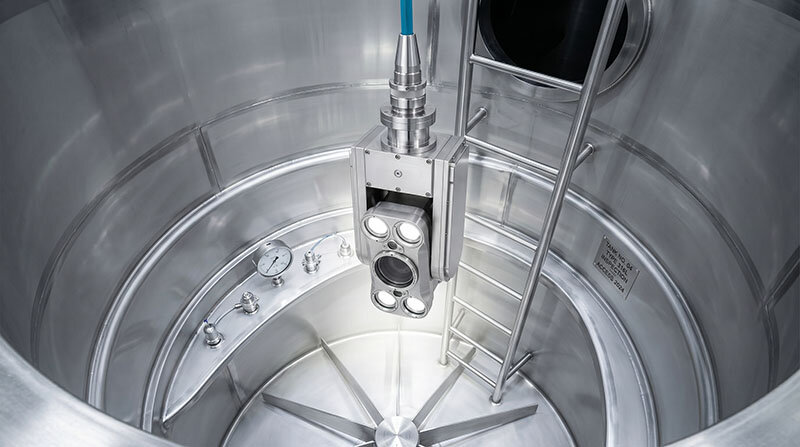
Flexible videoscopes allow inspectors to reach areas that rigid borescopes simply cannot access.
This is especially important in:
Aircraft engine inspection
Gas turbine maintenance
Power generation equipment
Industrial pipe systems
When Rigid Borescopes are Still Preferred
Rigid borescopes remain highly valuable when:
The inspection path is straight
Maximum image clarity is required
Durability is critical
Frequent industrial use is expected
Budget efficiency is important
In manufacturing and quality control environments, rigid borescopes are often preferred because of their simplicity and reliability.
Practical Industry Selection Rule
A common industrial selection principle is:
Choose a rigid borescope whenever straight access is available. Choose a flexible videoscope when navigation around bends or complex geometries is required.
Conclusion
Rigid and flexible borescopes are both important inspection tools with different strengths.
Rigid borescopes provide excellent image quality, durability, and cost efficiency for straight-line inspections, while flexible borescopes provide the navigation capability required for complex industrial systems.
Modern industrial inspection increasingly relies on flexible videoscopes because many inspection environments involve curved access paths and complex geometries.
FAQ
What is the main advantage of a rigid borescope?
The main advantage is superior image quality and durability when inspecting straight access paths.
What is the main advantage of a flexible borescope?
The main advantage is the ability to navigate bends, corners, and complex internal geometries.
Which type is better for turbine inspection?
Flexible videoscopes are generally preferred for turbine inspection because turbine inspection paths often contain curves and restricted access areas.
Are rigid borescopes cheaper than flexible systems?
In many cases, yes. Rigid borescopes usually have simpler structures and lower manufacturing costs compared with flexible articulated systems.
Why are flexible borescopes more expensive to repair?
Flexible systems contain complex internal components such as articulation mechanisms, flexible insertion tubes, wiring, and miniature camera systems that are more difficult to repair.
Can rigid borescopes have side viewing capability?
Yes. Many rigid borescopes support optical side-view adapters or fixed viewing angles such as 30°, 70°, or 90°.
Which system is more durable in harsh industrial environments?
Rigid borescopes are generally more durable because they have fewer moving and flexible internal components.
Are modern videoscopes replacing traditional fiberscopes?
Yes. Modern digital videoscopes provide improved image quality, image recording capability, and easier operation compared with traditional fiberoptic systems.