Why Many Engineers Still Prefer Buttons Over Voice Commands in Industrial Inspection

Voice commands sound modern, but many engineers still prefer physical buttons in industrial borescope inspection because tactile controls improve focus, reliability, safety, and predictable operation.
Why Many Engineers Still Prefer Buttons Over Voice Commands in Industrial Inspection
Voice command is becoming increasingly common in modern industrial equipment. Today, many systems promote features such as voice-assisted operation, AI voice interaction, hands-free workflow, and smart voice navigation.
At first glance, this sounds modern and efficient. But in real industrial environments, the key question is not simply:
Can voice control work?
The more important question is:
Does voice control actually improve safety, focus, and operational reliability?
Modern Does Not Always Mean More Practical
Interestingly, similar discussions are already happening in the automotive industry. Many drivers are becoming more critical of excessive voice and touchscreen control in modern electric vehicles.
Simple actions such as turning on lights, adjusting mirrors, opening windows, or controlling air conditioning may require voice commands, touchscreen menus, or several interaction steps instead of direct physical controls.
While voice systems may appear futuristic, many users quickly discover that physical buttons are often faster, easier to operate without visual attention, and more predictable under stress.
Why Aircraft Cockpits Still Use Physical Controls
This is one reason why even modern aircraft cockpits still rely heavily on physical switches, tactile controls, dedicated buttons, and deterministic feedback.
This does not mean aviation ignores innovation. It means that in critical environments, safety depends on:
muscle memory,
immediate response,
predictable operation,
clear tactile feedback,
and minimal cognitive distraction.
When operators are working under pressure, they should not need to think about where a function is hidden or whether the system has understood a command correctly.
Industrial Borescope Inspection Has the Same Reality
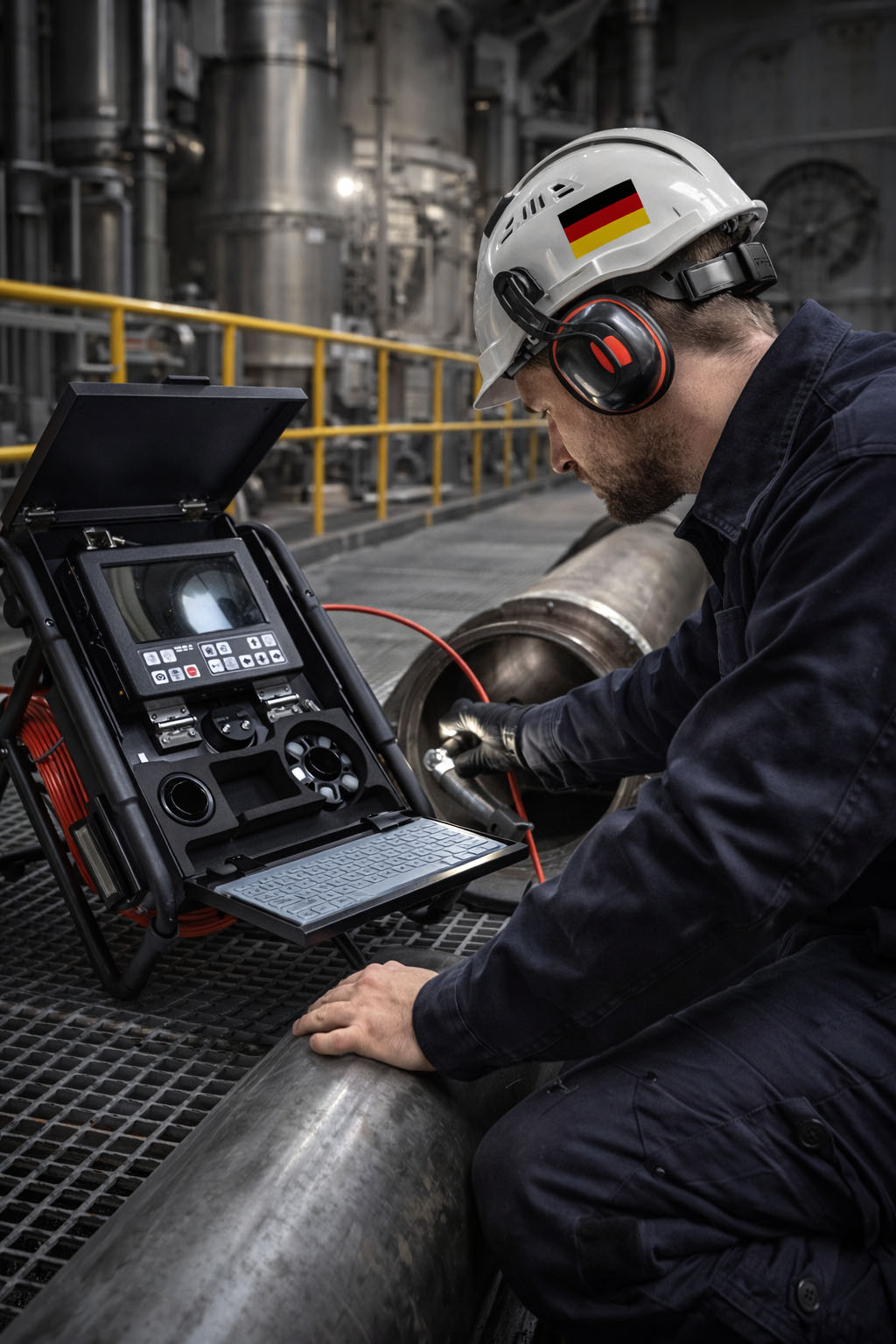
Industrial borescope inspection follows the same practical logic. During inspection, engineers already manage multiple tasks at the same time, including probe positioning, articulation control, cable routing, defect interpretation, surrounding equipment, and personal safety awareness.
This is especially important in demanding environments such as:
turbines,
power plants,
aerospace maintenance,
oil and gas facilities,
manufacturing plants,
and heavy industrial sites.
In these environments, operator attention is already highly loaded. A control system should reduce complexity, not add another layer of interaction.
The Hidden Risk of Voice Interaction: Cognitive Overload
Voice interaction may appear to be hands-free, but it can also introduce another cognitive task for the operator.
During inspection, the engineer may need to consider:
Did the system recognize the command?
Was the instruction understood correctly?
Do I need to repeat the command?
Is background noise affecting recognition?
Did the system execute the correct function?
In some industrial environments, the real operational risk is not only physical workload. It is cognitive overload.
When the inspector is already focused on probe movement, image interpretation, component condition, and site safety, unnecessary interaction uncertainty can reduce efficiency and increase operational risk.
Why Experienced Engineers Still Prefer Buttons
This is why many experienced engineers still prefer physical buttons, shortcut keys, direct controls, and tactile feedback.
They are not rejecting technology. They are choosing control methods that are proven, predictable, and reliable in real working conditions.
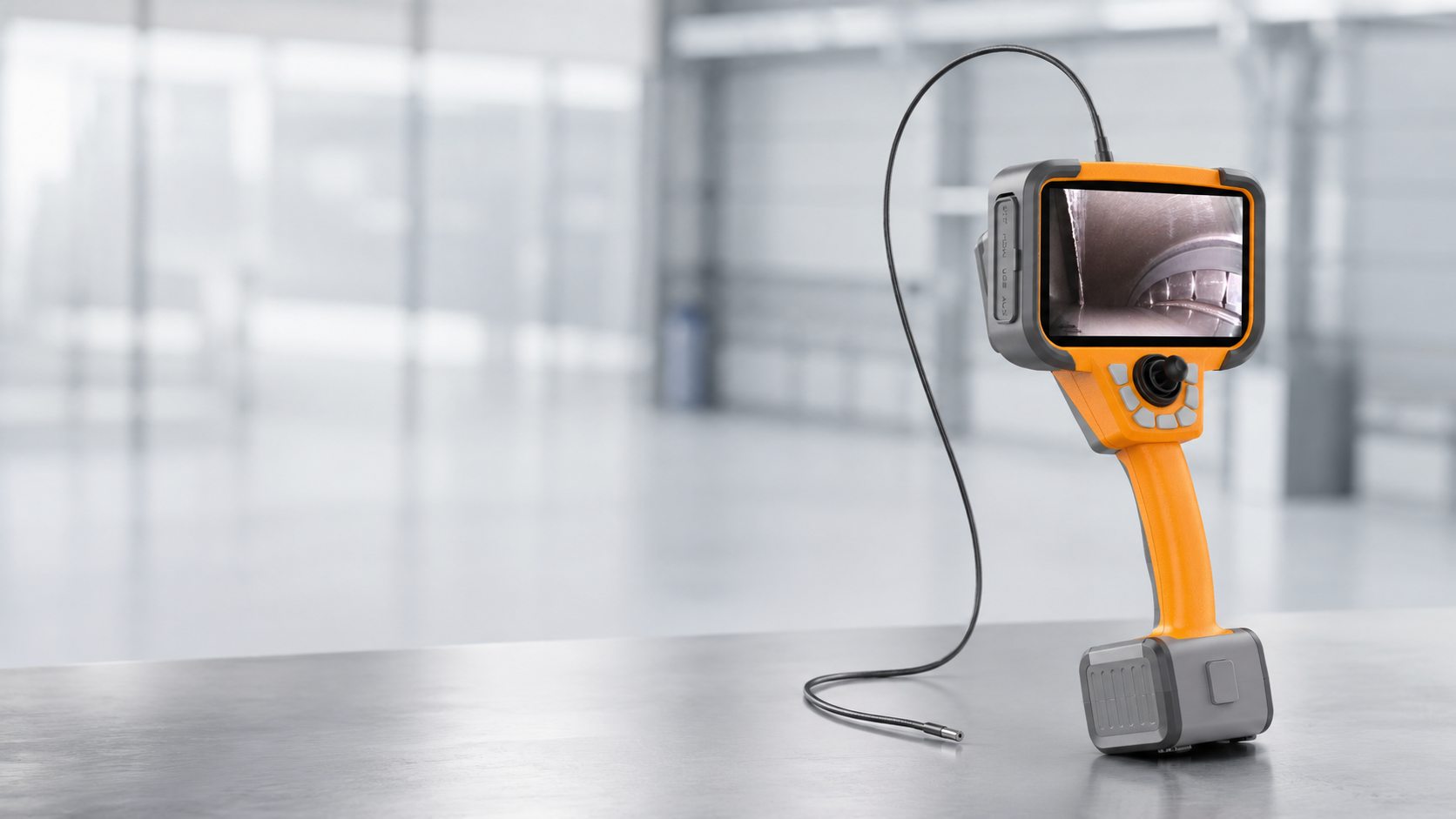
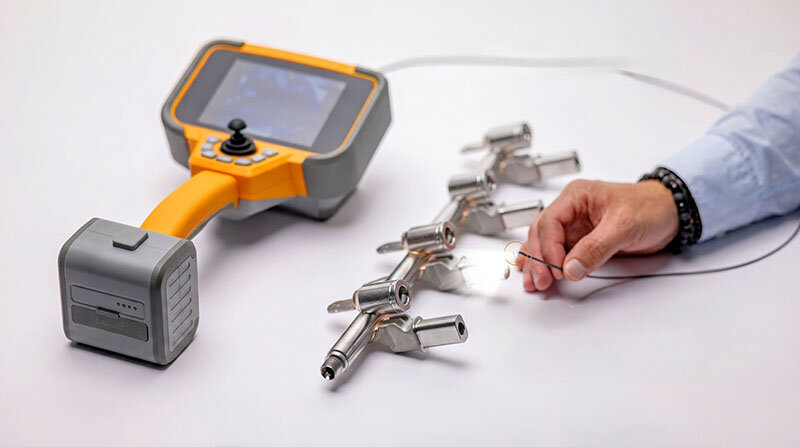
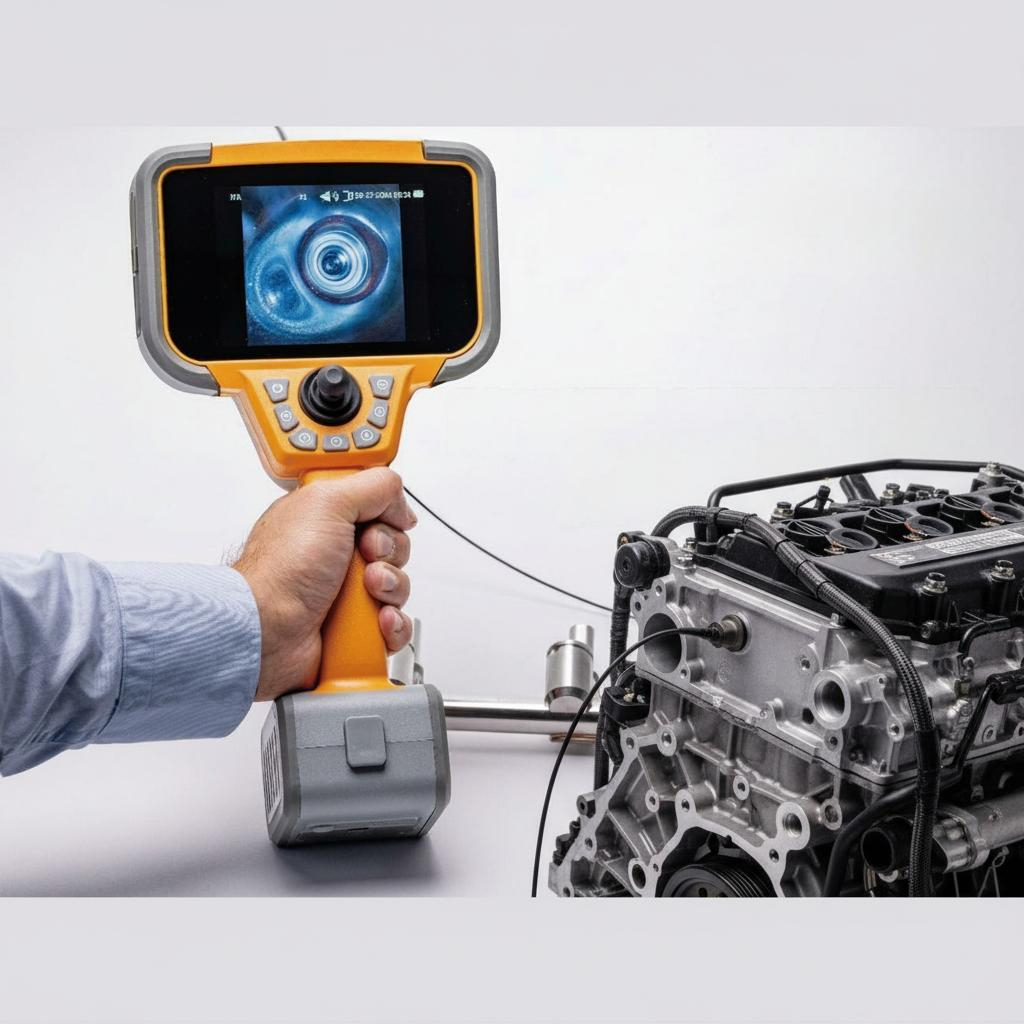
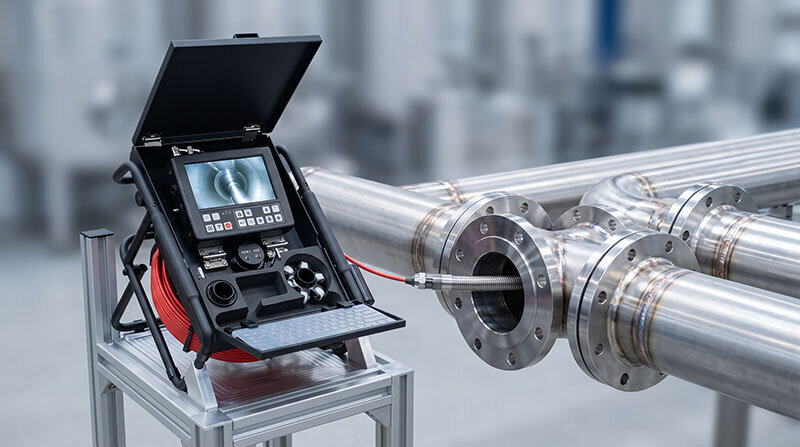
For industrial videoscope and borescope inspection, physical controls offer several practical advantages:
Faster response: key functions can be activated immediately.
Less visual distraction: operators can keep their eyes on the inspection image.
Better muscle memory: frequently used controls become intuitive over time.
More predictable operation: the same button always performs the same function.
Higher reliability in noisy environments: background noise does not affect physical buttons.
Lower cognitive load: operators do not need to verify whether a voice command was understood.
Technology Should Simplify the Inspection Workflow
At RVI Infinity Innovation, we believe technology should simplify industrial inspection workflows, not create additional layers of interaction complexity.
Voice control, touchscreen operation, and AI-assisted workflows may all have value in certain situations. However, in critical industrial environments, predictability, reliability, and operator focus are often more important than futuristic interaction.
The best interface is not always the most impressive one in a product demonstration. In real inspection work, the best interface is often the one engineers no longer need to think about.
Because industrial inspection is not only about using advanced technology. It is about helping engineers make safe, efficient, and reliable decisions in real working conditions.
FAQ
Are voice commands useful in industrial inspection?
Voice commands can be useful in certain workflows, especially for simple documentation or hands-free operation. However, in noisy, complex, or safety-critical industrial environments, voice control may introduce recognition uncertainty and additional cognitive workload.
Why do many engineers prefer physical buttons on borescopes?
Many engineers prefer physical buttons because they provide direct control, tactile feedback, fast response, and predictable operation. These advantages are important when inspectors need to focus on probe movement, image interpretation, and equipment safety at the same time.
Is touchscreen control better than physical buttons?
Touchscreen control can make file management, annotation, and software navigation easier. However, for core inspection actions such as image capture, articulation, light adjustment, and quick operation, many users still prefer dedicated physical buttons or shortcut keys.
What is cognitive overload in industrial inspection?
Cognitive overload occurs when the operator must manage too many mental tasks at once. In borescope inspection, this may include probe control, image analysis, defect judgment, site awareness, documentation, and equipment safety. A complicated interface can increase this workload.
Why are physical controls still common in aircraft cockpits?
Aircraft cockpits still use many physical switches and dedicated controls because critical operations require predictable feedback, muscle memory, immediate response, and minimal distraction. Industrial inspection follows a similar principle in many demanding environments.
What is the best control interface for industrial borescope inspection?
The best interface depends on the application, but in many industrial inspection tasks, a combination of physical buttons, shortcut keys, touchscreen functions, and simple software workflow provides the best balance between efficiency, reliability, and usability.