Why High Temperature Warning Does Not Always Protect Videoscopes
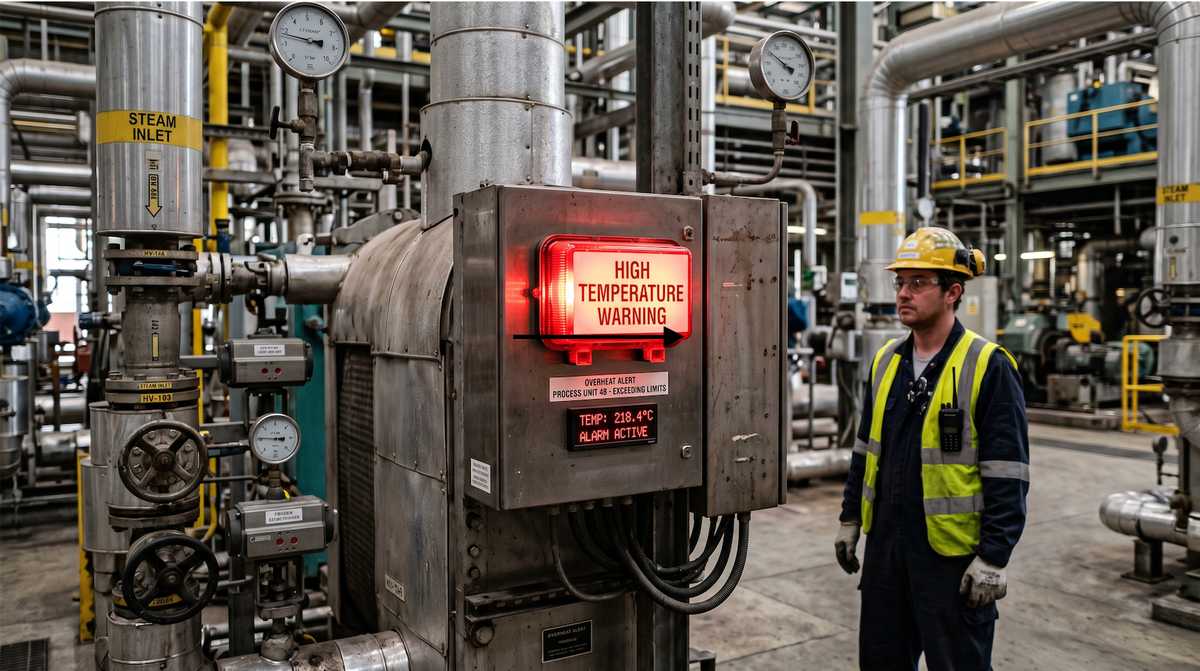
High temperature warning is only a secondary protection for industrial videoscopes. Learn why cooldown planning, inspection timing, and operator control are more important than alarms.
Why High Temperature Warning Does Not Always Protect Videoscopes
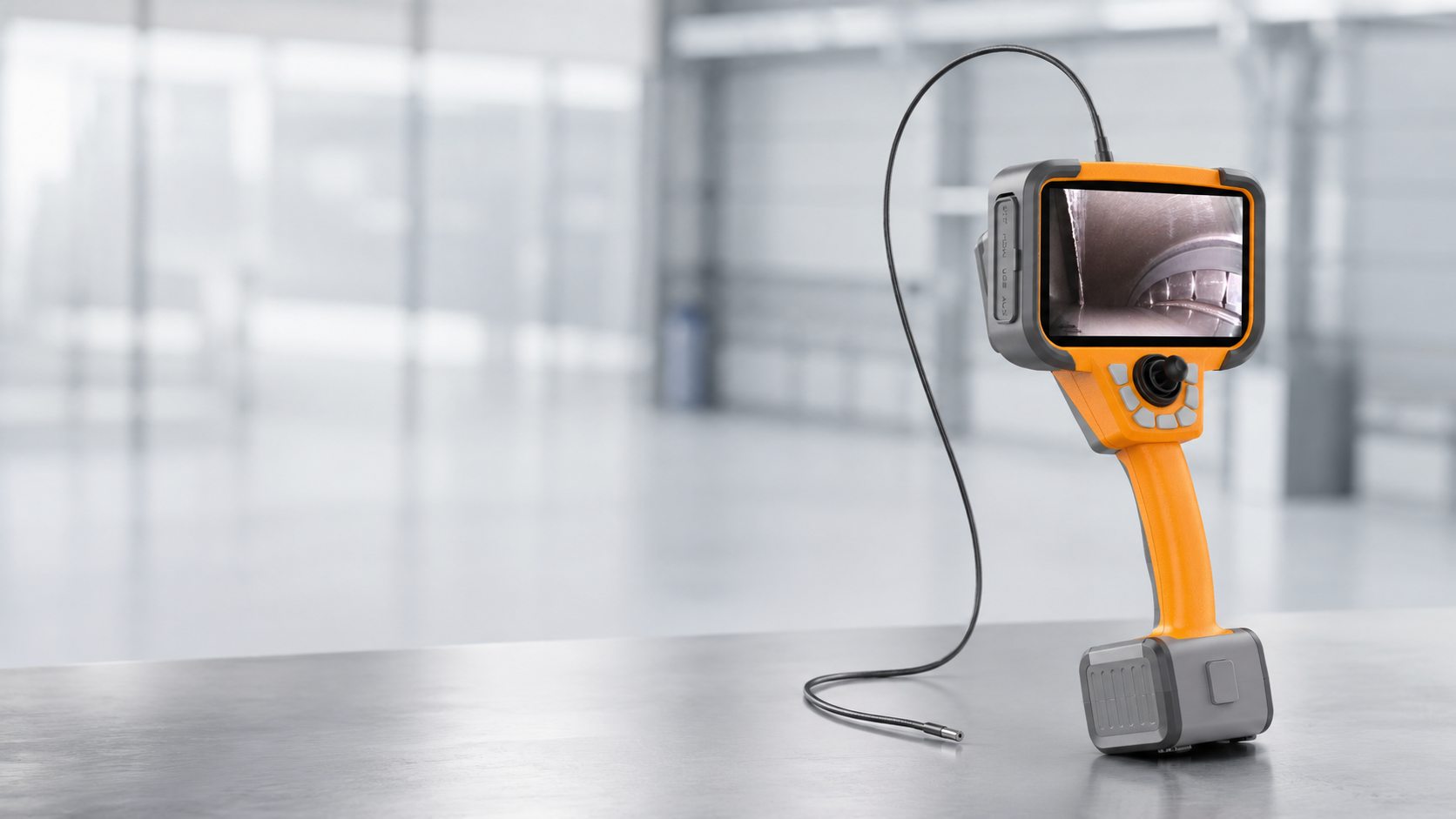
Many industrial videoscopes today advertise features such as “High Temperature Alarm”, “Overheat Warning”, or “Temperature Sensor Protection”. These functions sound reassuring, especially for turbine, boiler, engine, and pipeline inspections.
But in real industrial inspection environments, does a temperature warning really prevent probe damage?
Not always.
Videoscope Probes Contain Temperature-Sensitive Components
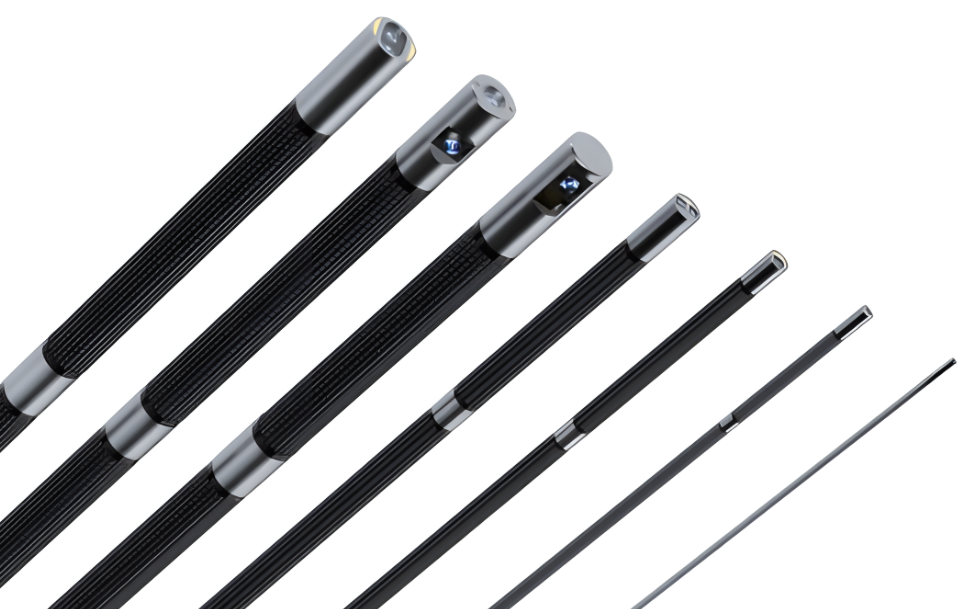
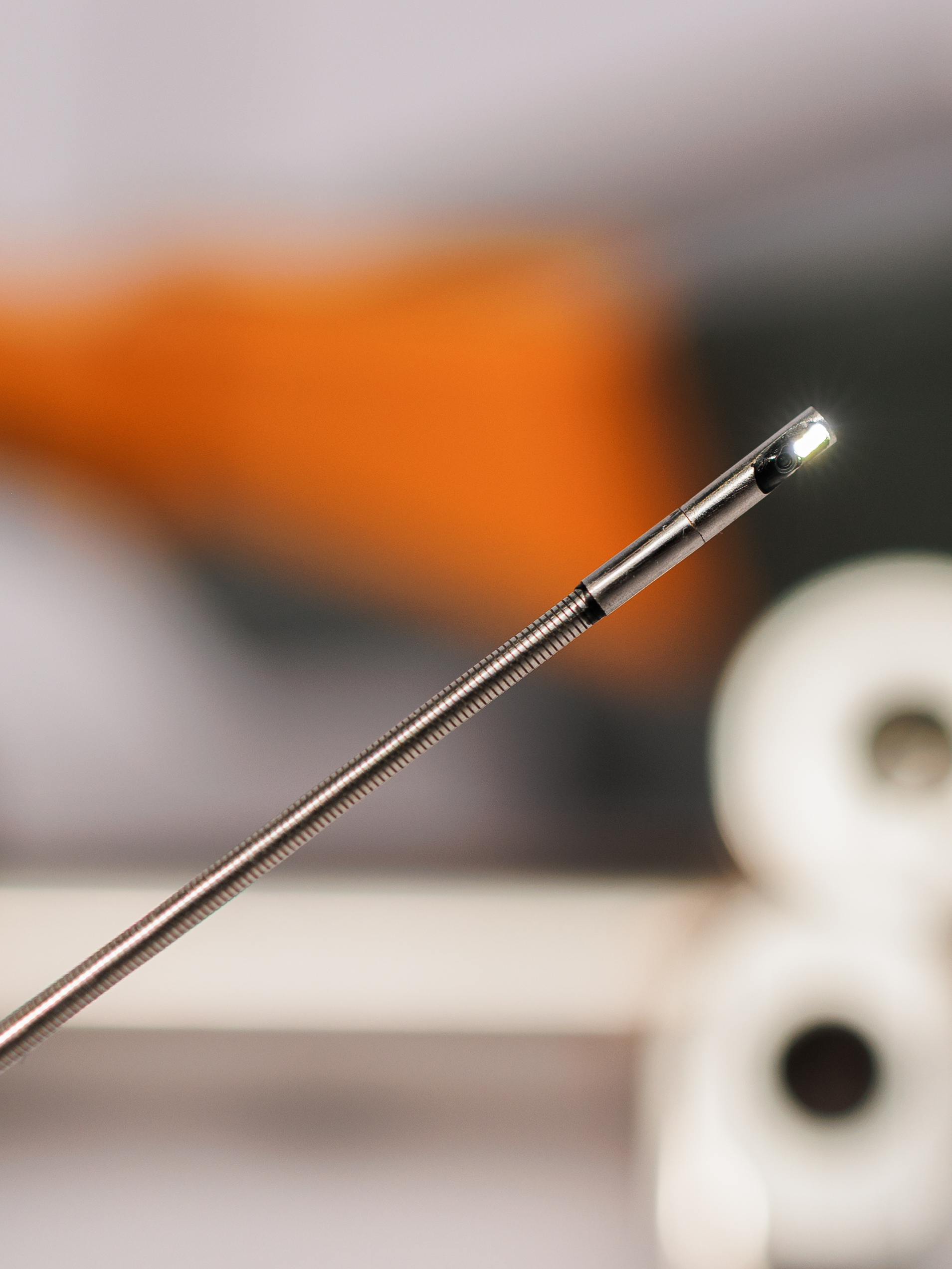
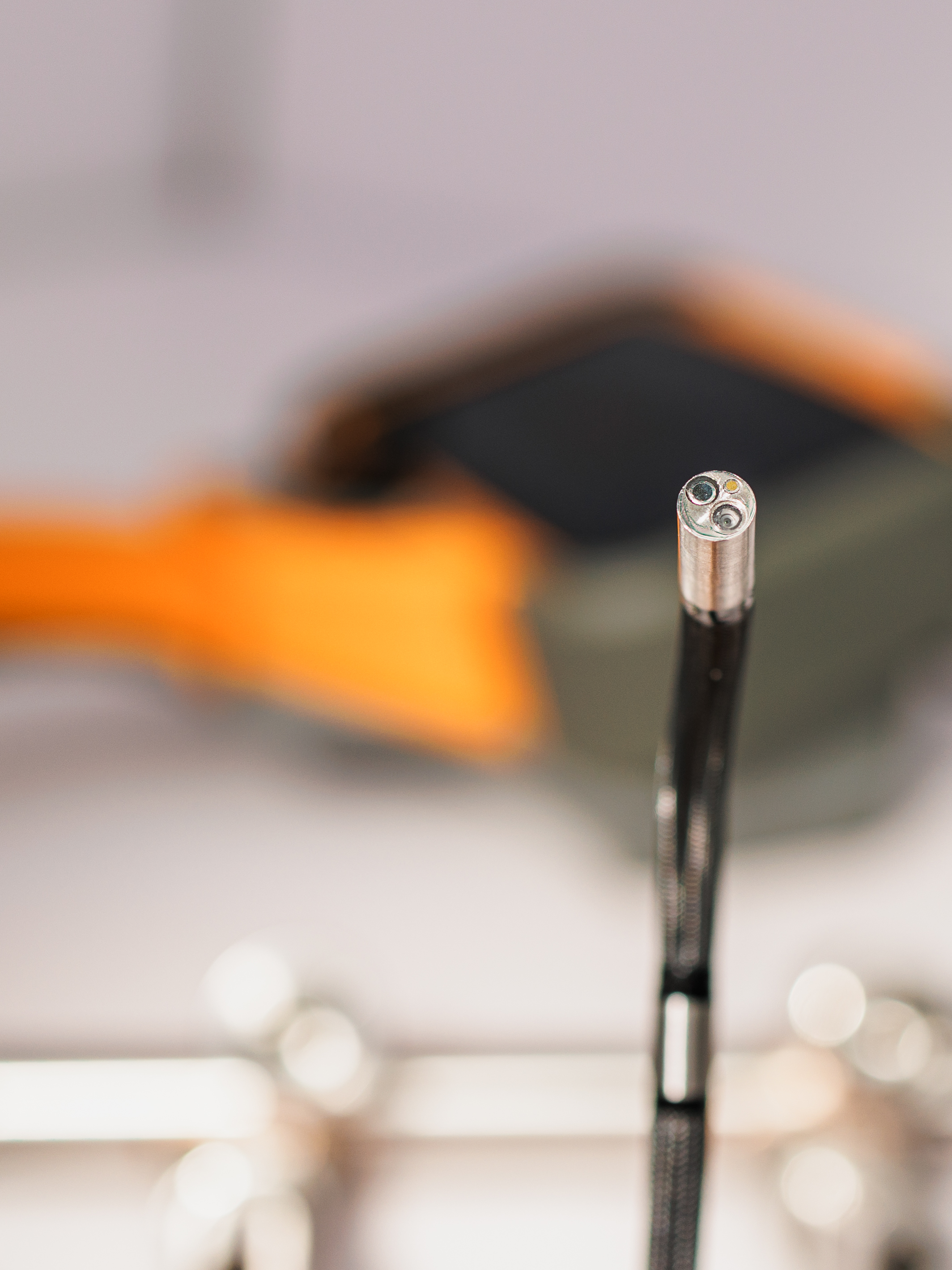
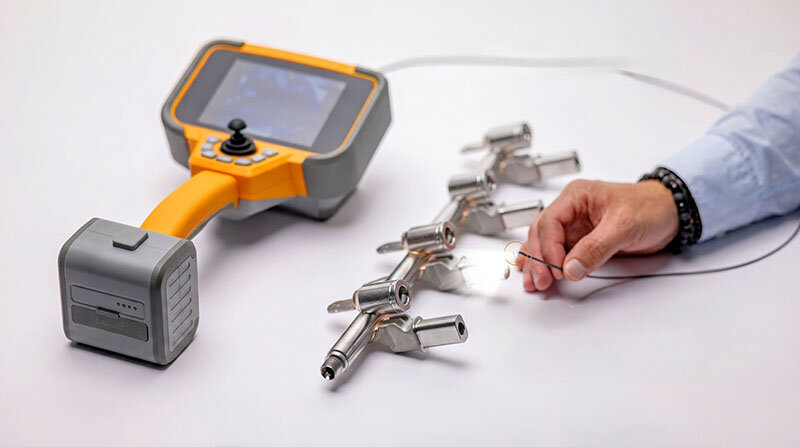
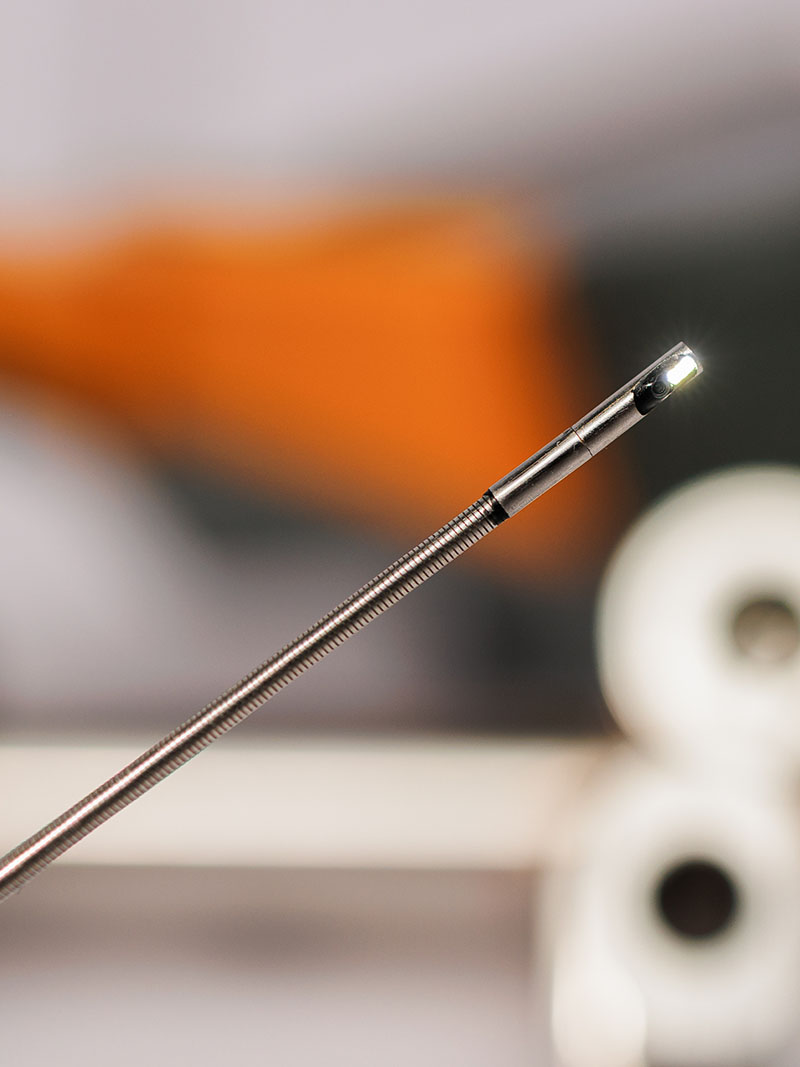
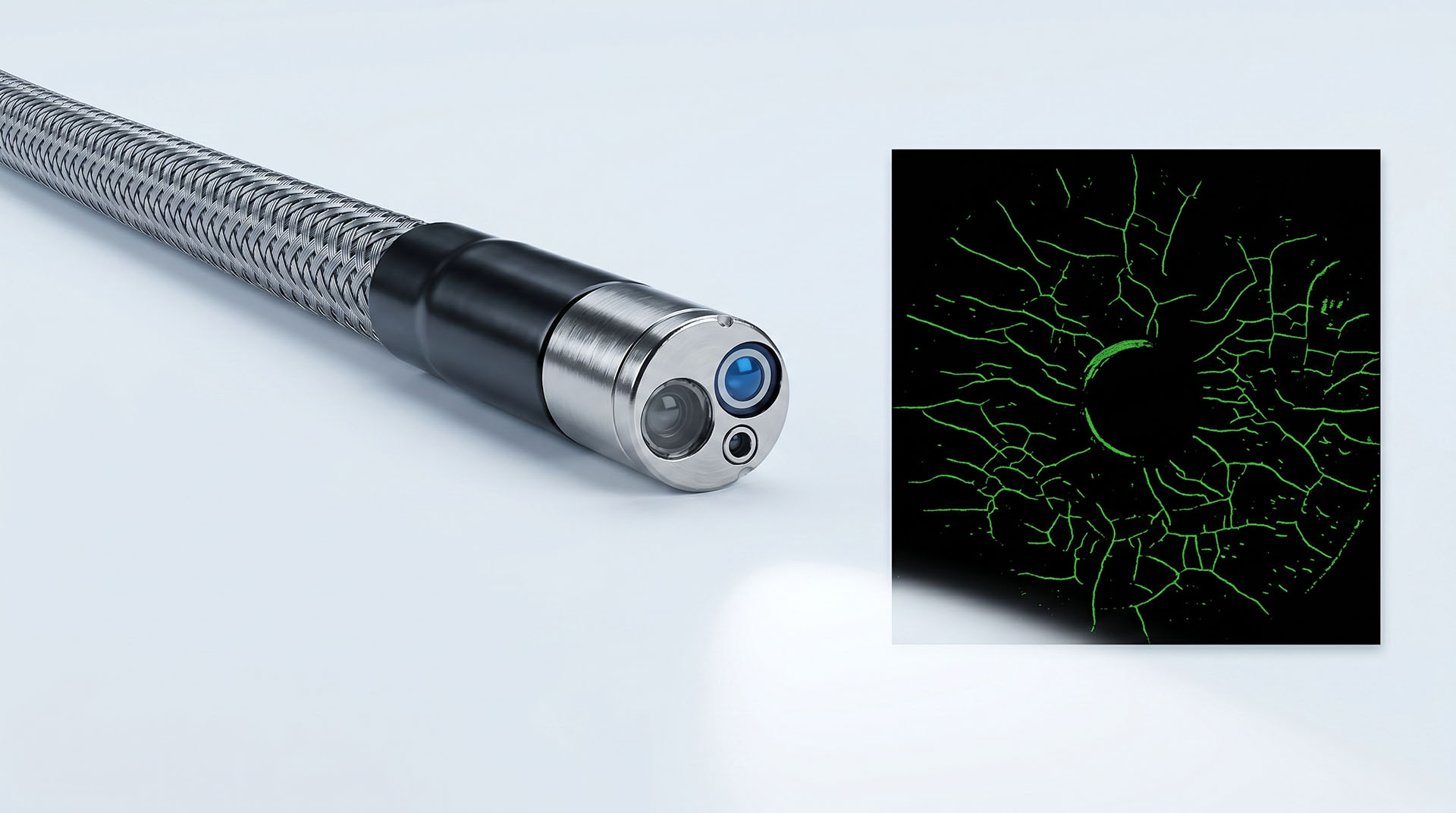
A videoscope probe is a compact inspection system with many delicate internal components. Inside the insertion tube and probe tip, there may be:
- CMOS image sensor
- LED illumination components
- Optical adhesive
- Articulation mechanism
- Micro wiring and optical elements
These parts are sensitive to excessive heat. If the probe enters an environment that is already too hot, damage can begin before the warning becomes practically useful.
A simple comparison is touching a hot metal surface with your hand. You may immediately know that it is too hot, but the damage has already started.
Why Temperature Warning May Be Too Late
In many real inspection situations, the temperature inside the inspection area is not uniform. The probe tip may reach a hot spot before the system has enough time to detect and report the risk.
Another important point is that the temperature sensor is not always located at the extreme front tip of the probe. In some designs, the hottest area may already be overheating while the warning signal is still delayed.
This means a high temperature alarm should not be understood as a guarantee that the probe is fully protected. It is better understood as a secondary warning indication.
Most Industrial Inspections Already Require Cooldown
In practice, many high-temperature industrial inspections are performed only after a cooldown procedure has already been completed. Typical examples include:
- Turbine inspection
- Boiler inspection
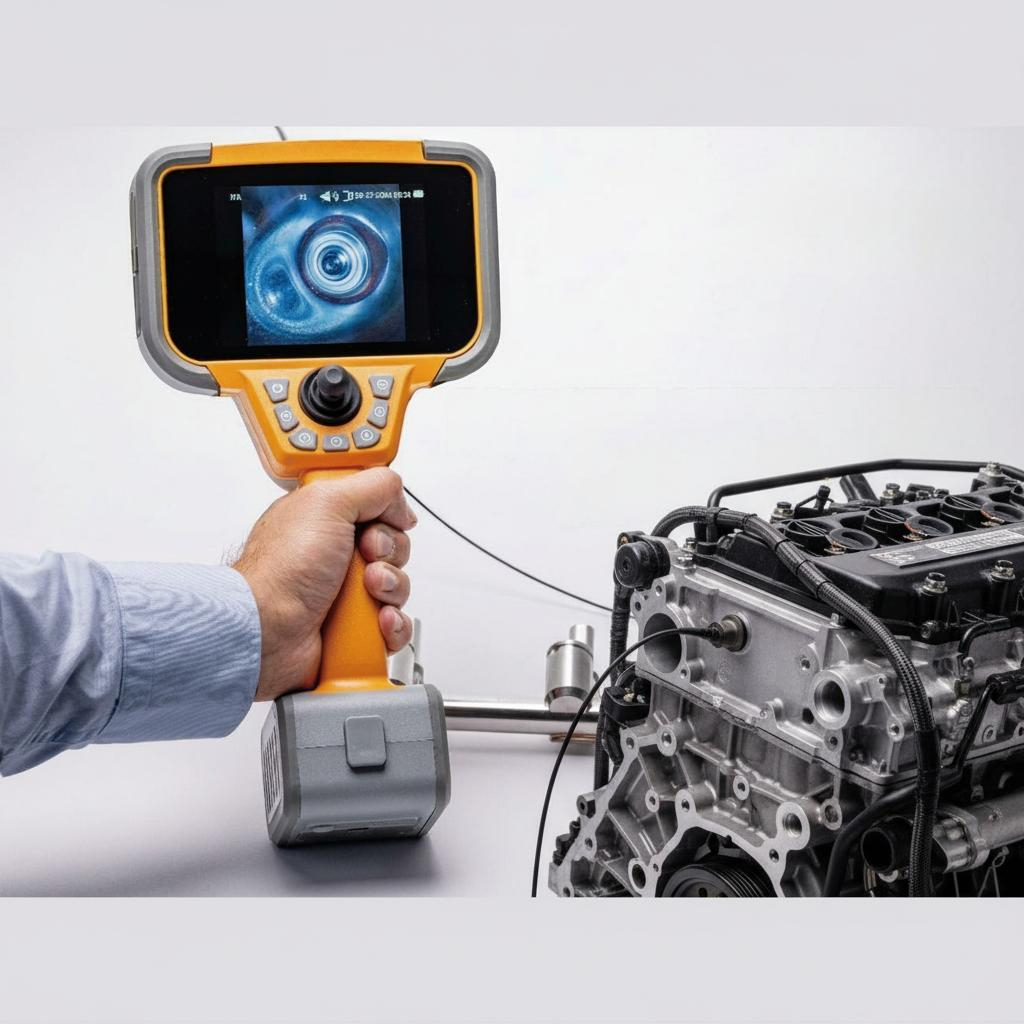
- Engine maintenance
- Pipeline shutdown inspection
By the time inspection is allowed, the internal environment is usually already reduced to a safer temperature range. This is why many 60°C warning or 80°C alarm functions may not become truly meaningful during actual inspection work.
Temperature Warning Does Not Equal High Temperature Resistance
A temperature warning system can help the operator notice a potential risk, but it does not make the videoscope probe resistant to high temperature.
There is an important difference between:
- Temperature warning: A signal that the probe may be exposed to heat risk
- High temperature resistance: The physical ability of the probe to tolerate elevated temperature for a defined time
For this reason, users should not rely only on the alarm function when working near hot industrial equipment.
More Effective Protection in Real Applications
In real inspection work, the most effective protection usually comes from process control rather than from the warning system itself.
Recommended protection measures include:
- Proper cooldown planning before inspection
- Inspection timing management
- Use of cooling sleeves or airflow solutions when necessary
- Controlled insertion duration
- Experienced operator judgment
These measures help reduce the risk before the probe is exposed to damaging temperatures.
Practical Conclusion
High temperature warning systems can still be useful as a secondary safety indication. However, they should not be treated as complete protection against heat damage.
In industrial inspection, process control is often more important than alarms.
Before inserting a videoscope probe into a turbine, boiler, engine, or pipeline, the operator should always confirm that the inspection environment has cooled down sufficiently and that the probe is suitable for the expected temperature range.
FAQ
Does a high temperature alarm fully protect a videoscope probe?
No. A high temperature alarm can provide a warning, but it does not guarantee that the probe will not be damaged. If the environment is already too hot, damage may begin before the warning is useful.
Why can the warning be delayed?
The temperature sensor may not be located at the very front tip of the probe. The probe tip may already be exposed to a hot spot while the system warning is still delayed.
Is temperature warning the same as high temperature resistance?
No. Temperature warning is only an indication function. High temperature resistance depends on the physical design, materials, and rated operating limits of the probe.
What is the best way to protect a videoscope probe from heat damage?
The best protection is proper cooldown planning, controlled inspection timing, limited insertion duration, and the use of cooling sleeves or airflow solutions when required.