ATEX Videoscope Marketing Keyword or Real Industrial Requirement
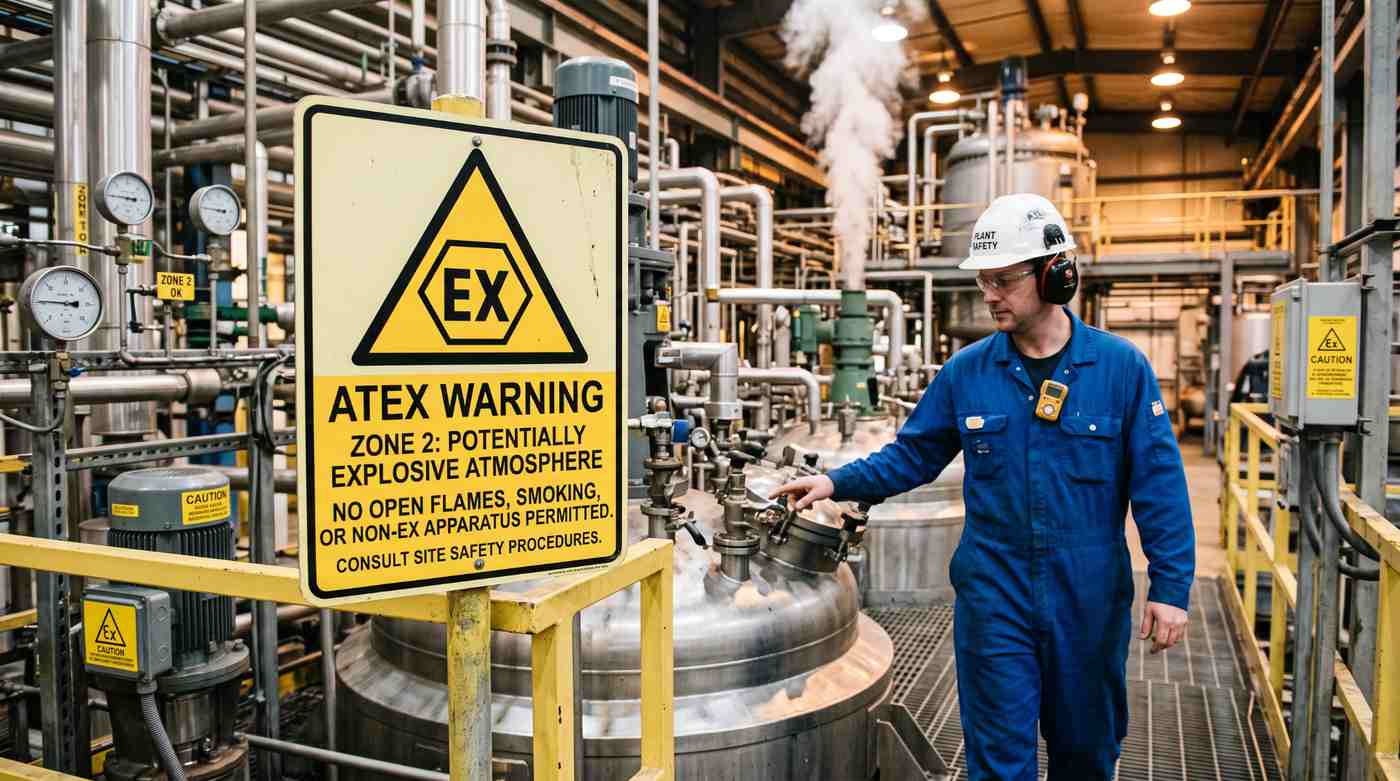
ATEX videoscope requirements are often seen in oil, gas, refinery, and petrochemical tenders. Learn why Zone classification, complete system certification, and site safety procedures matter more than marketing terms.
ATEX Videoscope: Marketing Keyword or Real Industrial Requirement?
In recent years, more and more industrial tenders have included the requirement for an “ATEX certified videoscope”. This is especially common in oil and gas, refinery, petrochemical, chemical plant, and other hazardous-area inspection projects.
But what does an ATEX videoscope requirement actually mean in real industrial inspection environments?
The answer is not always simple.
Why ATEX Certification Sounds Important
ATEX and IECEx certifications are related to equipment used in potentially explosive atmospheres. In theory, an ATEX certified inspection system should reduce ignition risks when used in hazardous areas where flammable gases, vapors, or dust may be present.
For industrial safety, this topic is important. However, for handheld industrial videoscopes, achieving true ATEX or IECEx certification is technically very challenging.
Why True ATEX Handheld Videoscopes Are Difficult
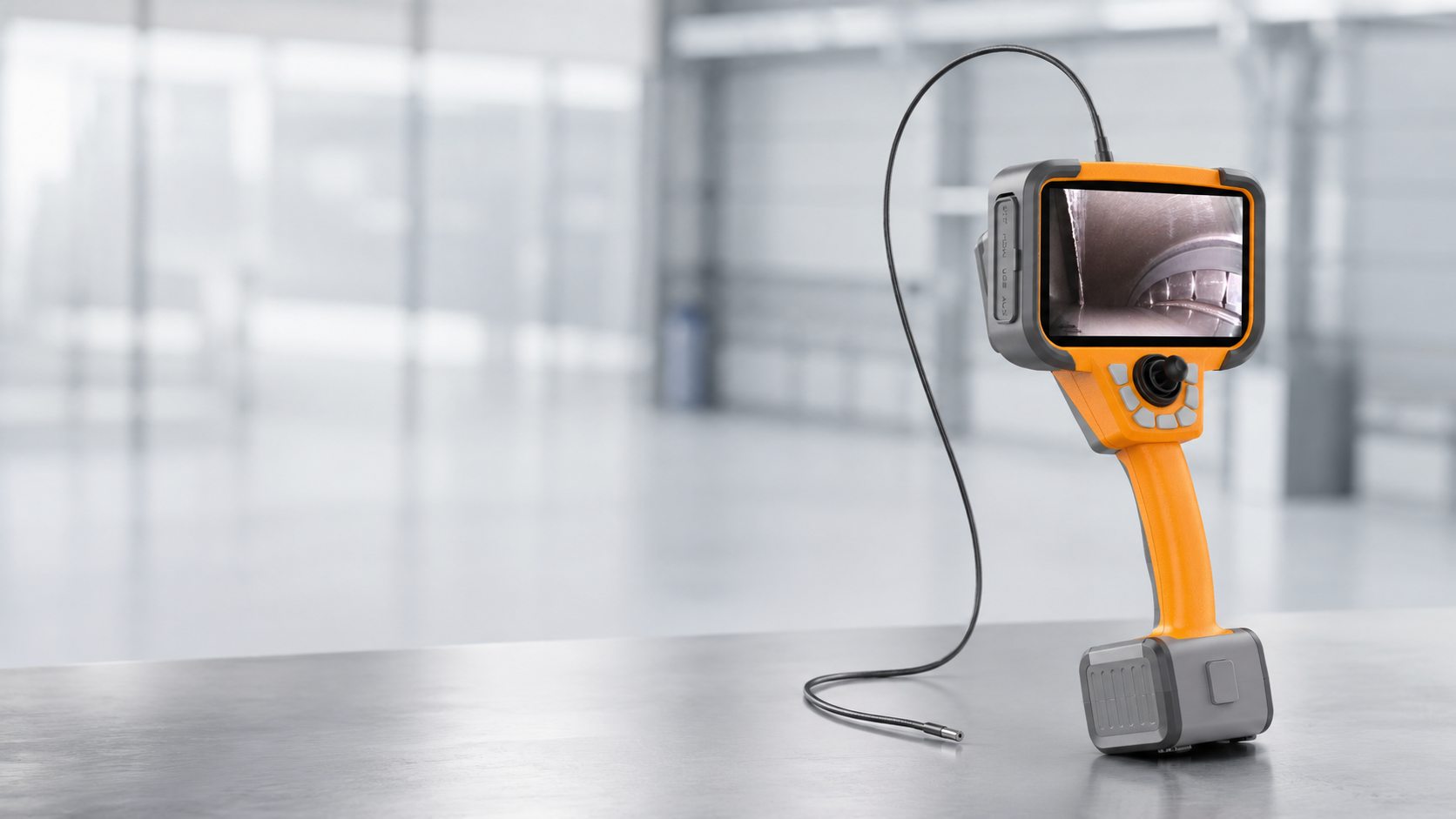
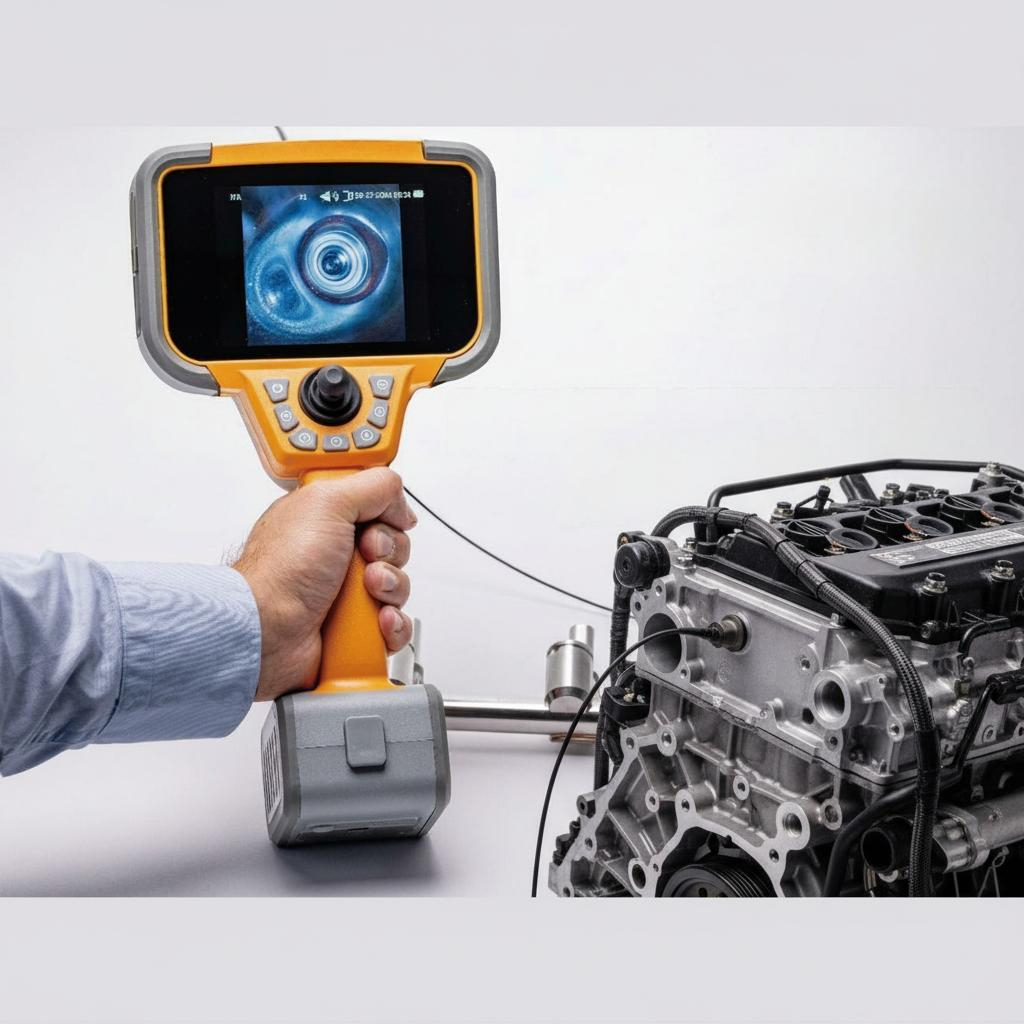
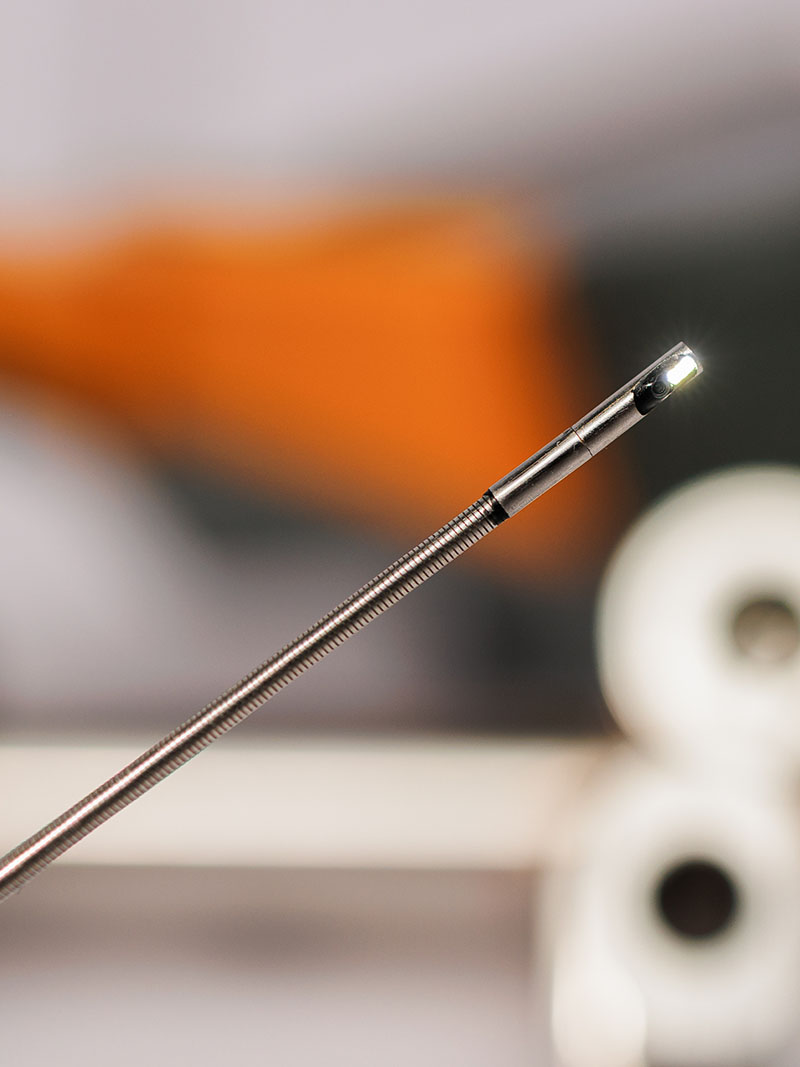
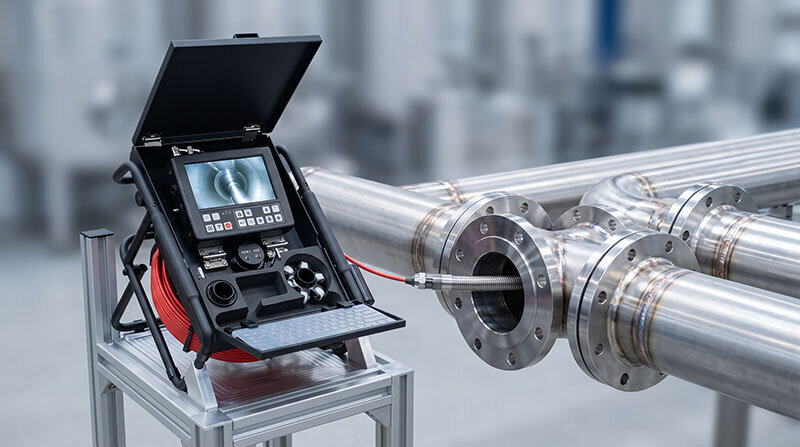
A modern industrial videoscope is not just a simple optical tool. It contains multiple electronic, mechanical, and power-related components inside a compact handheld system.
Typical technical challenges include:
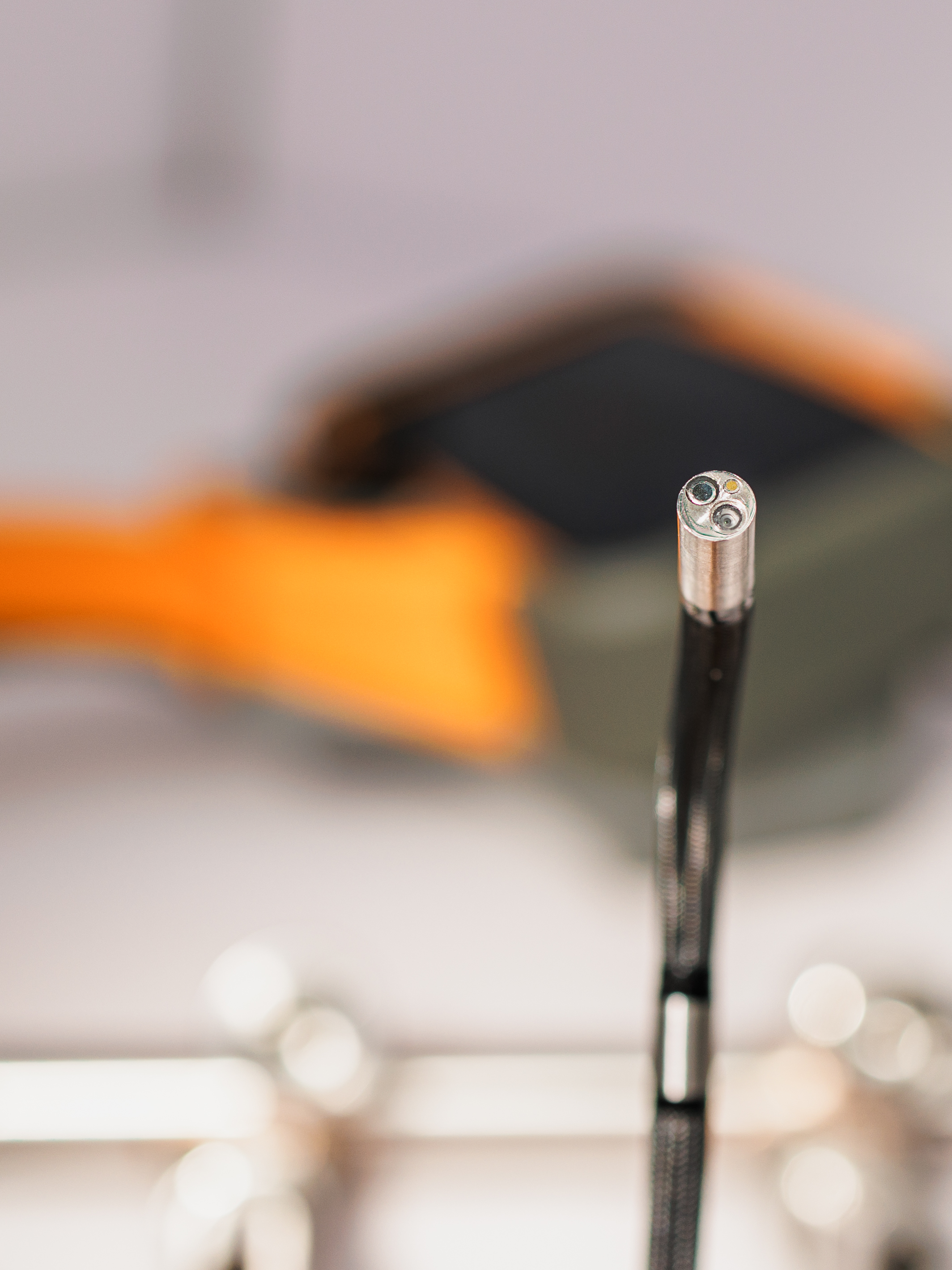
LED heat generation at the probe tip
Lithium battery safety
Potential spark risks from articulation motors
Camera sensor electronics inside the probe
Connector, charging, and power management risks
Heat dissipation in a compact sealed system
Because of these limitations, fully intrinsically safe handheld videoscopes for continuous use in the most demanding hazardous zones are not commonly available, even among many well-known global inspection brands.
Real Inspection Conditions Are Often Different from Tender Wording
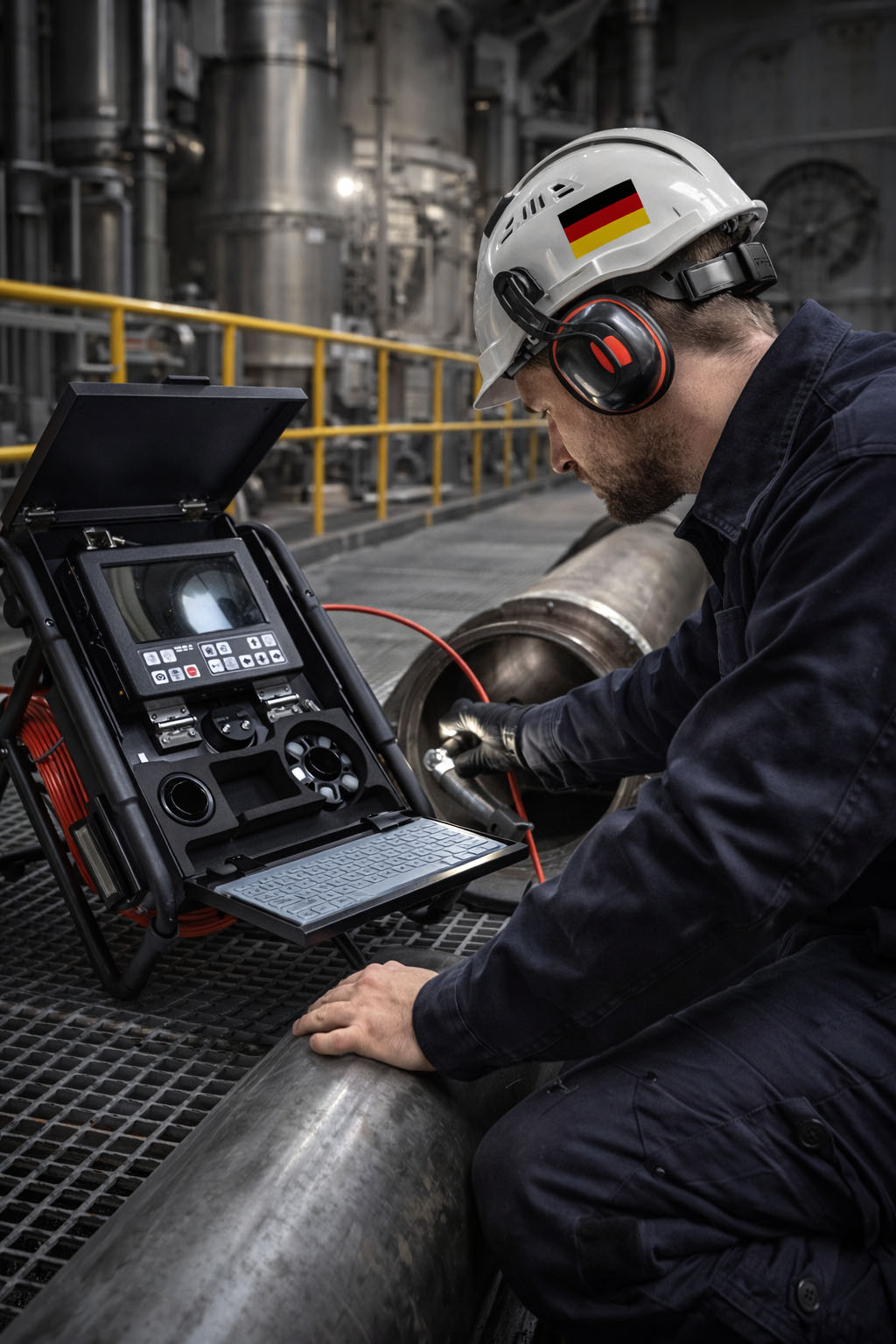
In practical refinery, petrochemical, and oil and gas inspection work, videoscope inspections are often performed under controlled safety procedures rather than during active hazardous operation.
Common field conditions include:
Shutdown inspection
Gas-free procedures
Isolation and ventilation
Site-controlled safety permits
Hot work or confined-space permit management
Inspection after process equipment has been made safe
In many cases, the tender requirement for an “ATEX videoscope” is more related to compliance documentation, internal safety policy, or purchasing specifications than to actual continuous operation inside an explosive atmosphere.
Not All ATEX-Related Certifications Are the Same
Another important point is that not all ATEX-related claims or certifications are equivalent.
Some systems may only be suitable for specific conditions, such as:
Zone 2 environments
Temporary inspection use
Specific gas groups
Specific temperature classes
Limited operating conditions
Local or domestic certification standards
Therefore, it is not enough to simply ask whether a videoscope is “ATEX certified”. The exact certification scope must be checked carefully.
Key Questions Before Selecting an ATEX Videoscope
Before selecting or specifying an inspection system, users should clarify the actual hazardous-area requirement.
Important questions include:
Which zone classification is actually required?
Is the inspection area classified as Zone 0, Zone 1, or Zone 2?
Is continuous operation in the hazardous area required?
Is the certification international, such as ATEX or IECEx, or only a local standard?
Which gas group and temperature class are required?
Does the certification cover the complete system?
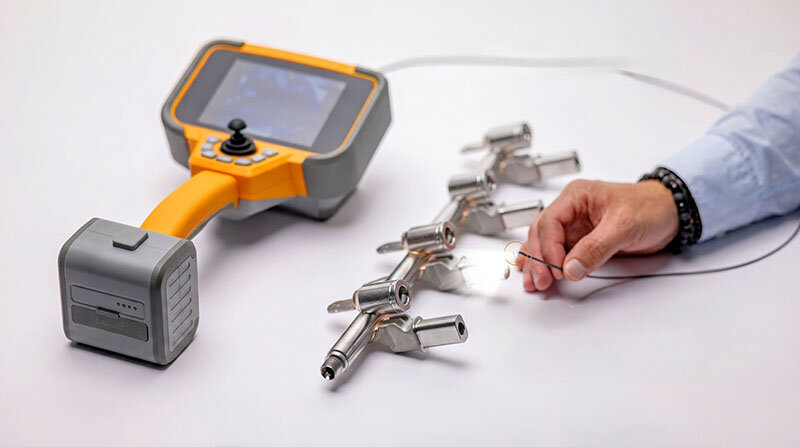
Are the probe, main unit, battery, charger, and accessories all covered?
Will the inspection be performed under shutdown and gas-free conditions?
Complete System Certification Matters
For videoscope inspection, the complete system must be considered. A certification claim may not be sufficient if it only covers part of the device or a limited configuration.
Users should check whether the certification scope includes:
The handheld main unit
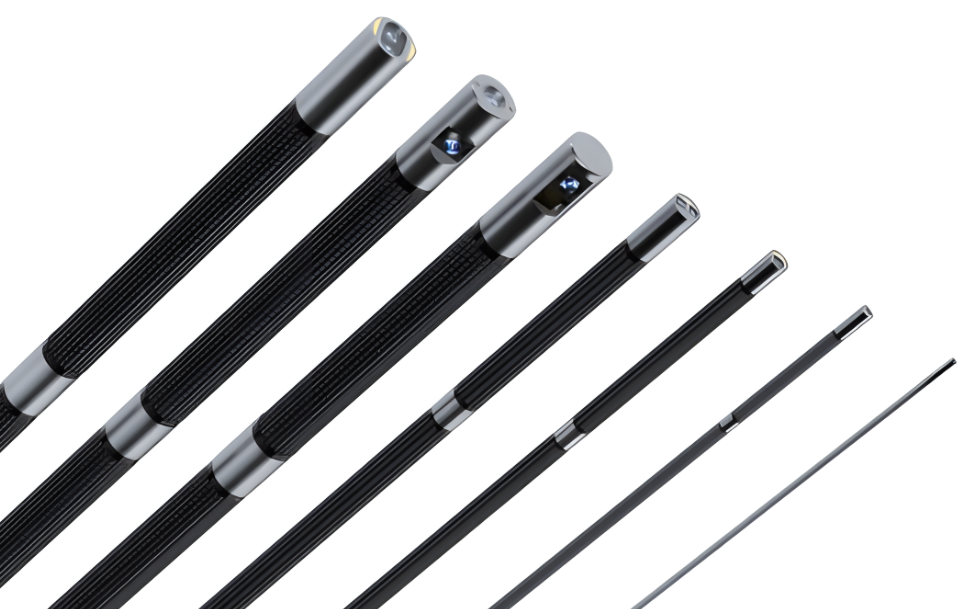
The insertion probe
The camera head
The battery system
The charger or power supply
Connectors and accessories
The exact probe diameter and length configuration
If only part of the system is certified, the actual field suitability may be different from what the marketing description suggests.
Marketing Keyword or Real Requirement?
An ATEX requirement can be a real industrial safety requirement in certain applications. However, in many tenders, the term is used too generally without clear zone classification, gas group, temperature class, or operating condition.
This creates confusion for both buyers and suppliers.
A practical procurement process should not only ask for “ATEX”, but should define the real inspection scenario and required certification scope.
Practical Conclusion
ATEX and IECEx certification can be important for hazardous-area inspection. However, the term “ATEX videoscope” should not be treated as a simple marketing label or a generic product feature.
For industrial users, the key is to understand the real working environment, zone classification, site safety procedure, and complete system certification scope.
In industrial inspection, practical safety engineering is often more important than marketing terminology.
FAQ
What is an ATEX videoscope?
An ATEX videoscope usually refers to a videoscope intended for use in potentially explosive atmospheres. However, the exact meaning depends on the certification scope, zone classification, gas group, and operating conditions.
Can a handheld videoscope be fully intrinsically safe?
It is technically very challenging because handheld videoscopes contain LEDs, batteries, camera electronics, connectors, and sometimes articulation motors. These components create design limitations for hazardous-area certification.
Is Zone 0 certification the same as Zone 2 certification?
No. Zone 0, Zone 1, and Zone 2 represent different hazardous-area classifications. A system suitable for Zone 2 is not automatically suitable for Zone 0 or Zone 1.
Why do many tenders request ATEX videoscopes?
In many refinery, petrochemical, and oil and gas projects, ATEX requirements are included for safety and compliance reasons. However, the tender should clearly define the required zone, gas group, temperature class, and certification scope.
What should buyers check before choosing an ATEX videoscope?
Buyers should check whether the complete system is certified, including the probe, main unit, battery, charger, and accessories. They should also confirm the required zone classification and real inspection conditions.
Is ATEX always required for refinery inspection?
Not always. Many refinery inspections are performed during shutdown, after gas-free procedures, and under site-controlled safety permits. The actual requirement depends on the specific inspection environment and site safety rules.