Typical Videoscope Failures
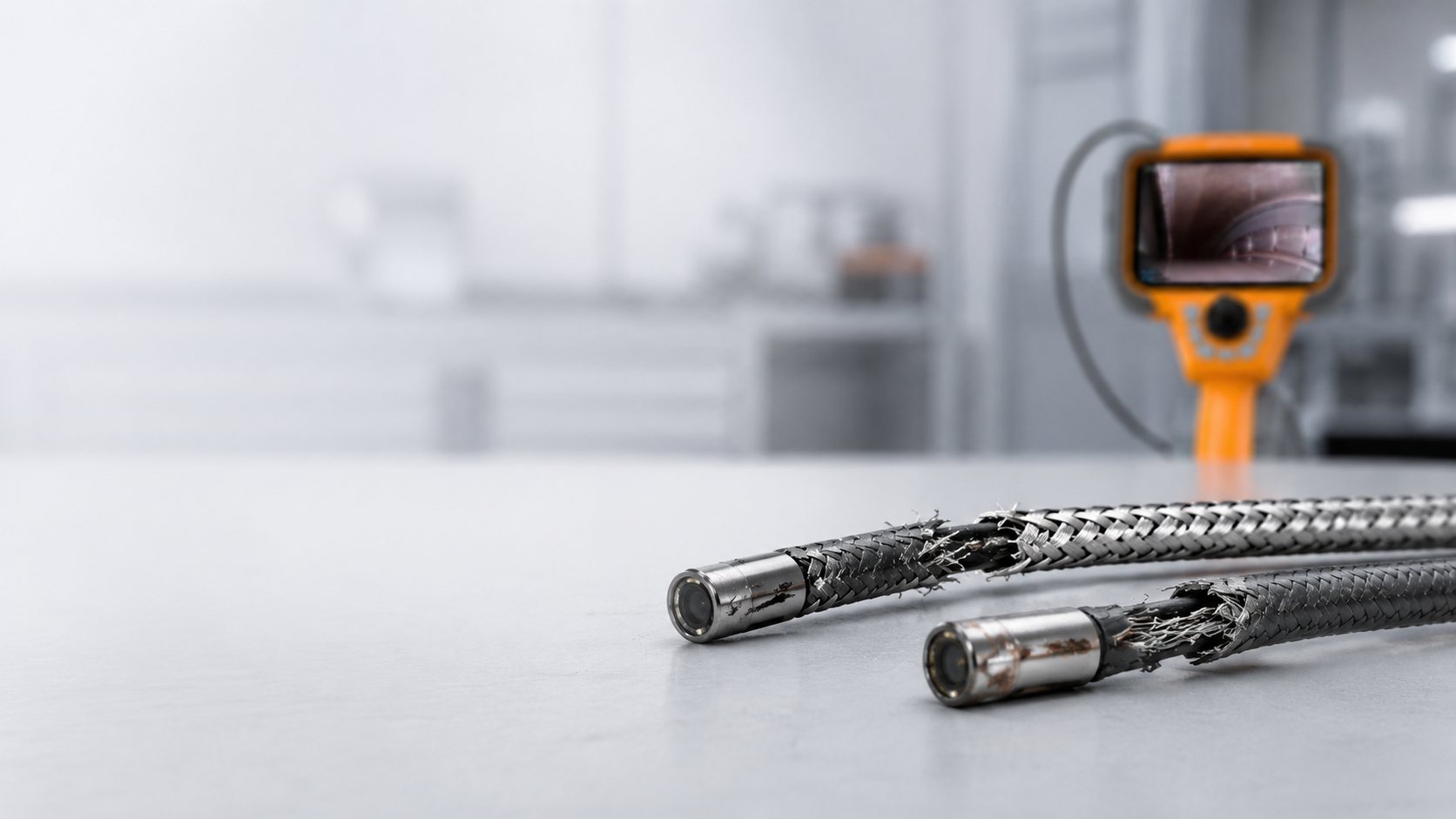
Learn the most common industrial videoscope failures, including probe wear, articulation damage, camera chip failure, lighting problems, cable damage, display issues, battery faults, and main unit malfunctions.
Typical Videoscope Failures
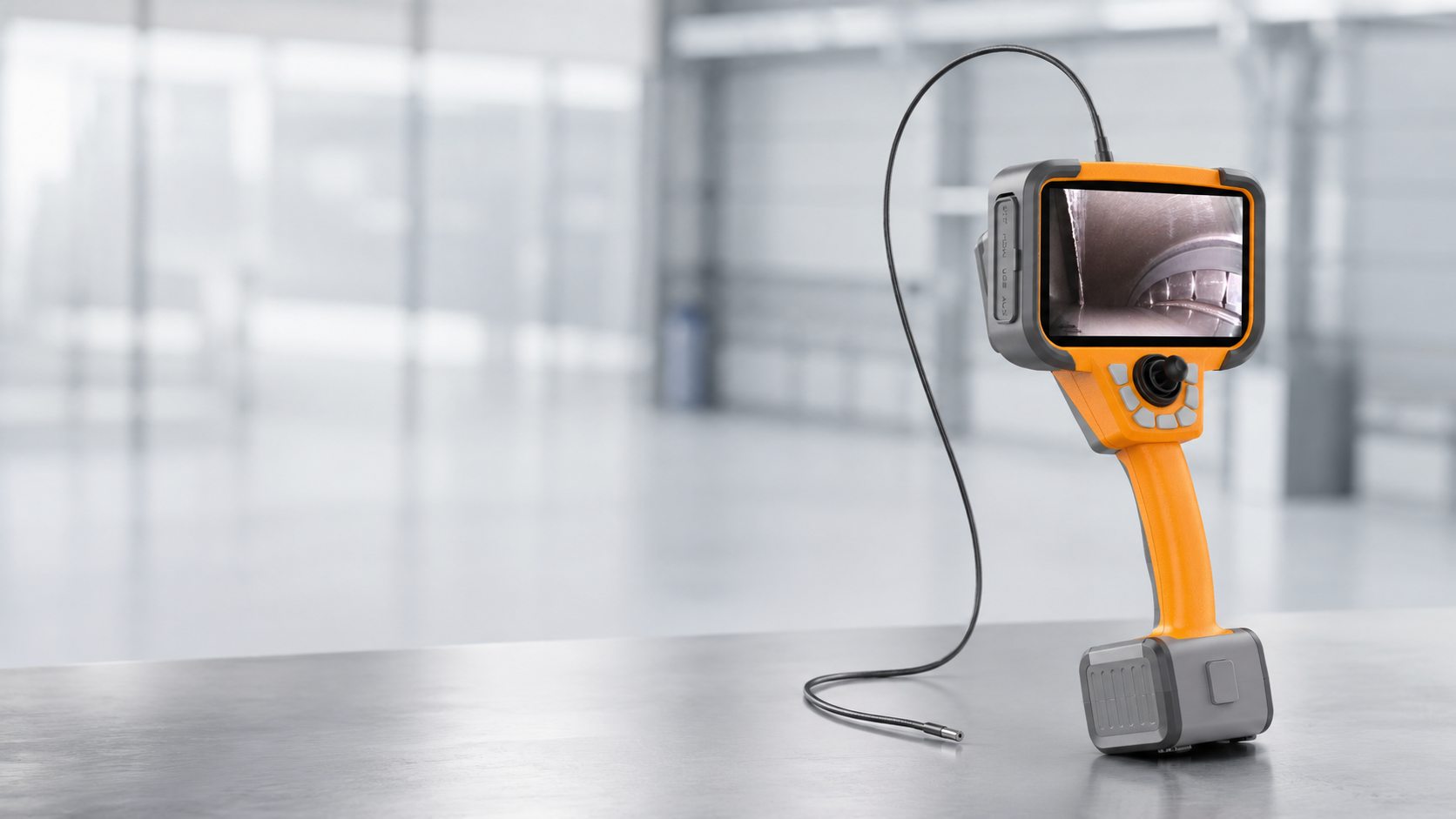
Industrial videoscopes are widely used for remote visual inspection in engines, turbines, pipes, welds, castings, gearboxes, boilers, heat exchangers, and other hard-to-access areas. In daily industrial use, videoscope failures are most commonly related to the probe, articulation section, camera module, lighting system, connector, display, battery, or main unit electronics.
Understanding typical videoscope failures helps users prevent avoidable damage, reduce downtime, and choose the right inspection system for the application.
1. Probe Wear and External Damage
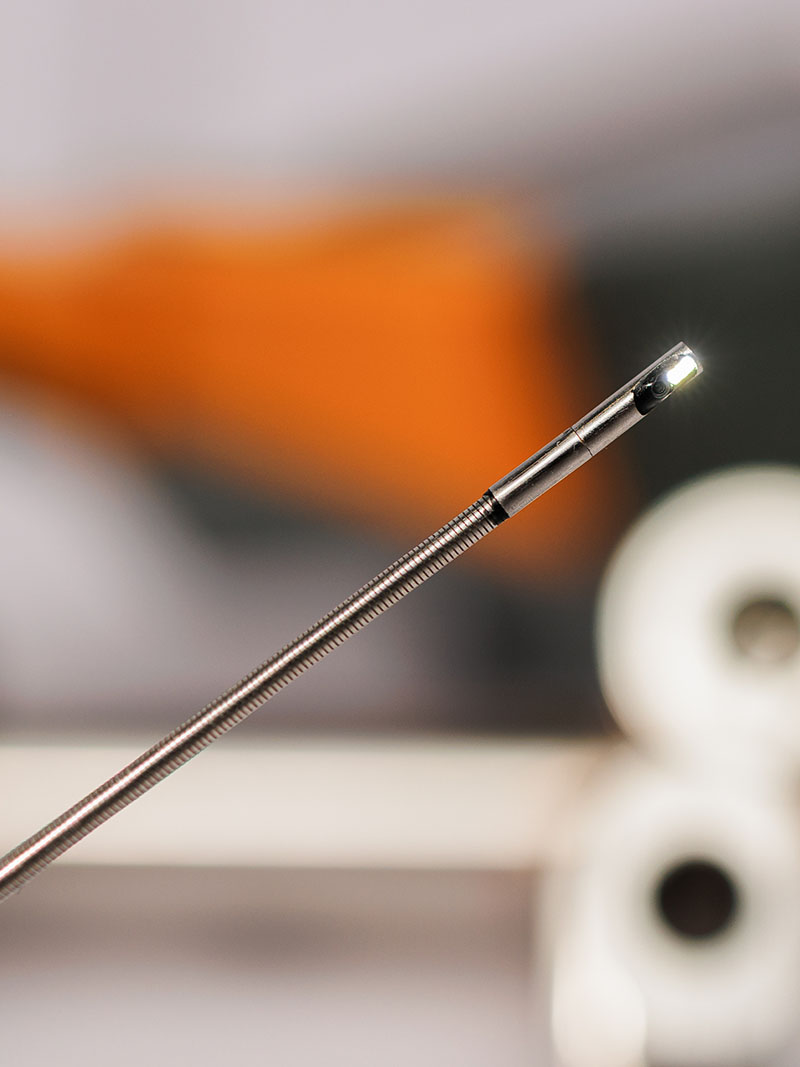
The probe is the most exposed part of an industrial videoscope. It is inserted into narrow openings, internal cavities, pipes, gearboxes, turbine sections, weld seams, and mechanical components. During inspection, the probe may contact sharp edges, rough surfaces, burrs, dust, oil, metal particles, or high-temperature parts.
Typical signs of probe wear include:
- Scratches or cuts on the outer probe surface
- Damaged protective braid or outer sheath
- Visible kinks or crushed sections
- Reduced flexibility of the insertion tube
- Oil, water, or dust entering damaged areas
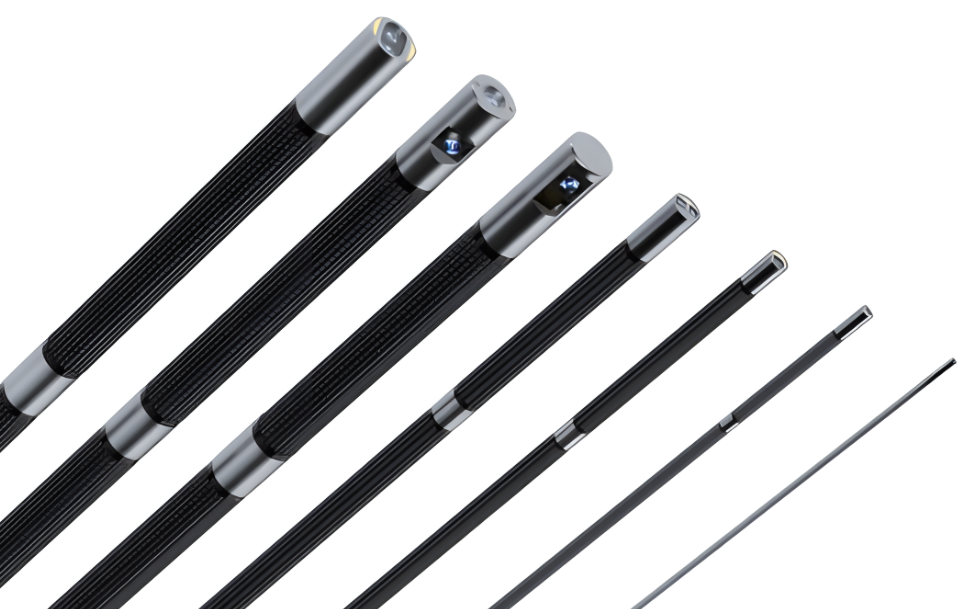
Small-diameter probes require more careful handling because their internal structure is very compact. Ultra-thin probes provide excellent access to small openings, but they are generally more sensitive than larger probes in heavy-duty inspection environments.
2. Articulation Failure
Articulation allows the probe tip to bend and steer inside the inspection area. Depending on the probe type, the videoscope may support 2-way or 4-way articulation. Articulation failure is one of the most common issues in flexible industrial videoscopes.
Common symptoms include:
- The probe tip does not bend properly
- The bending angle becomes smaller than before
- The tip moves in only one direction
- The joystick or control wheel feels loose or blocked
- The bending section does not return smoothly
Articulation damage is often caused by pulling the probe while the tip is still bent, forcing the probe through tight curves, bending beyond the mechanical limit, or using a very thin probe in applications with strong friction.
3. Camera Chip Failure
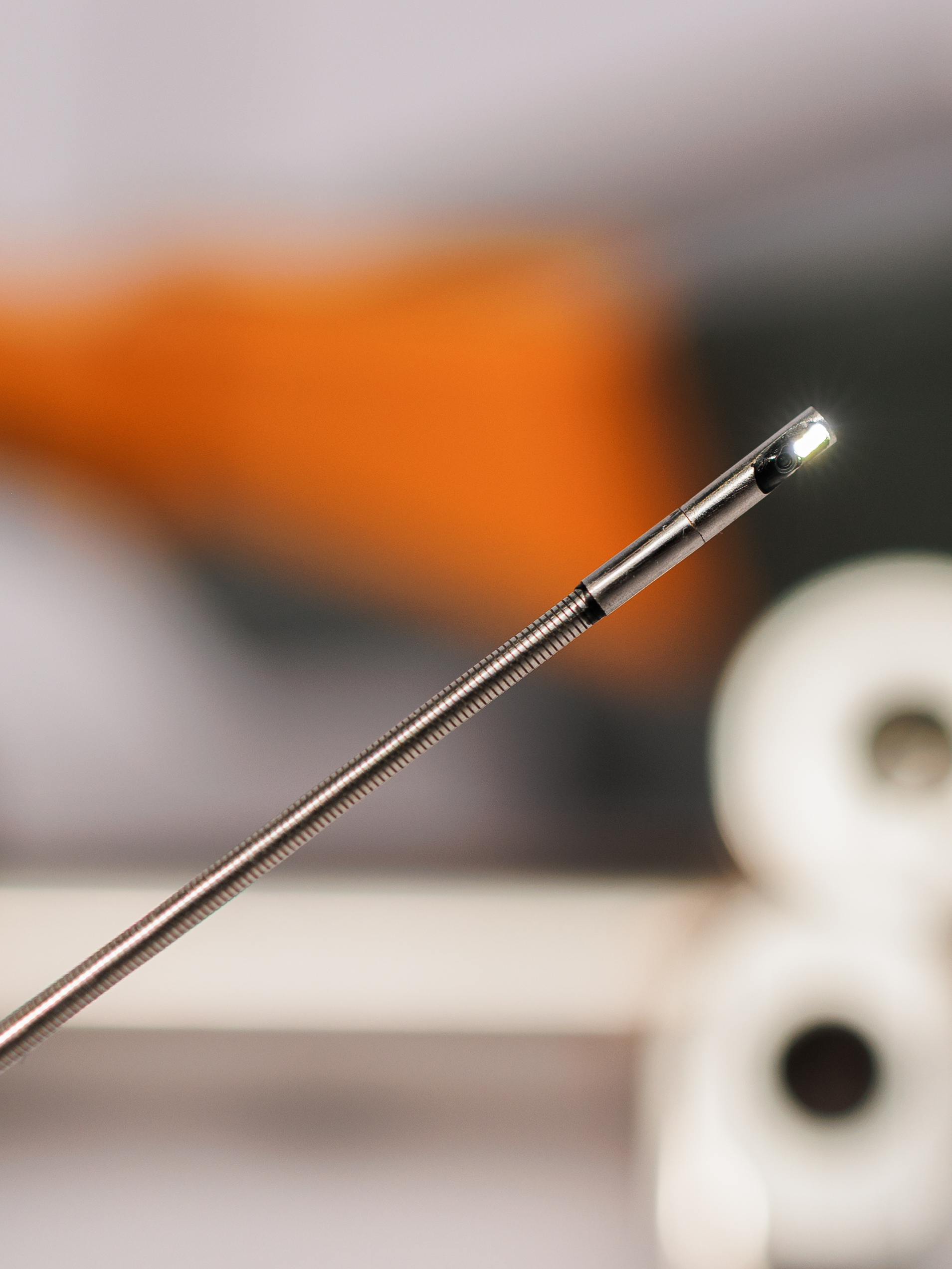
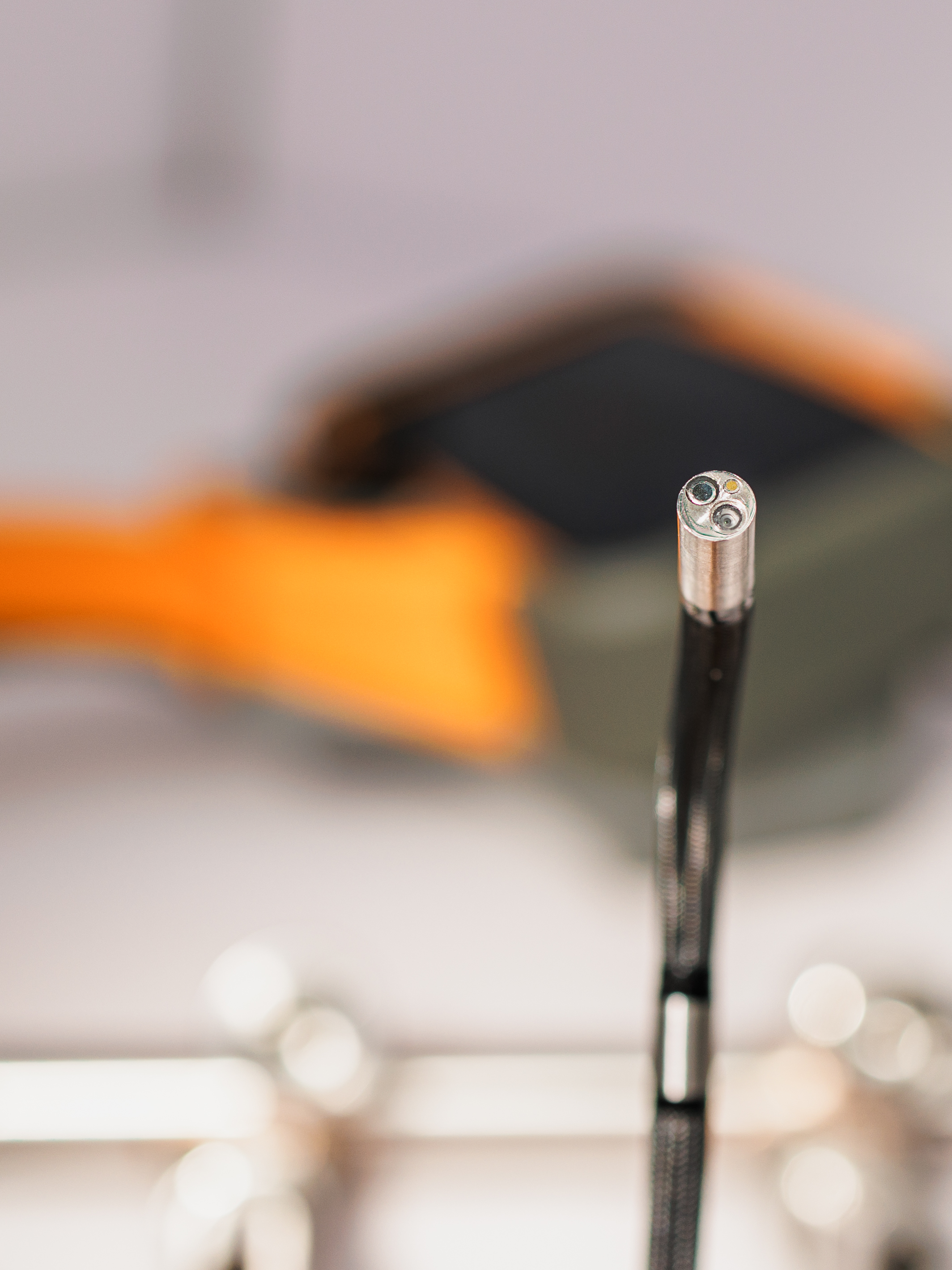
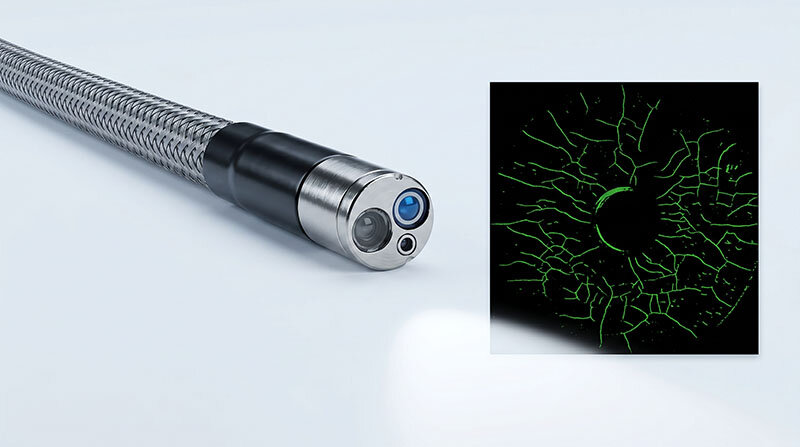
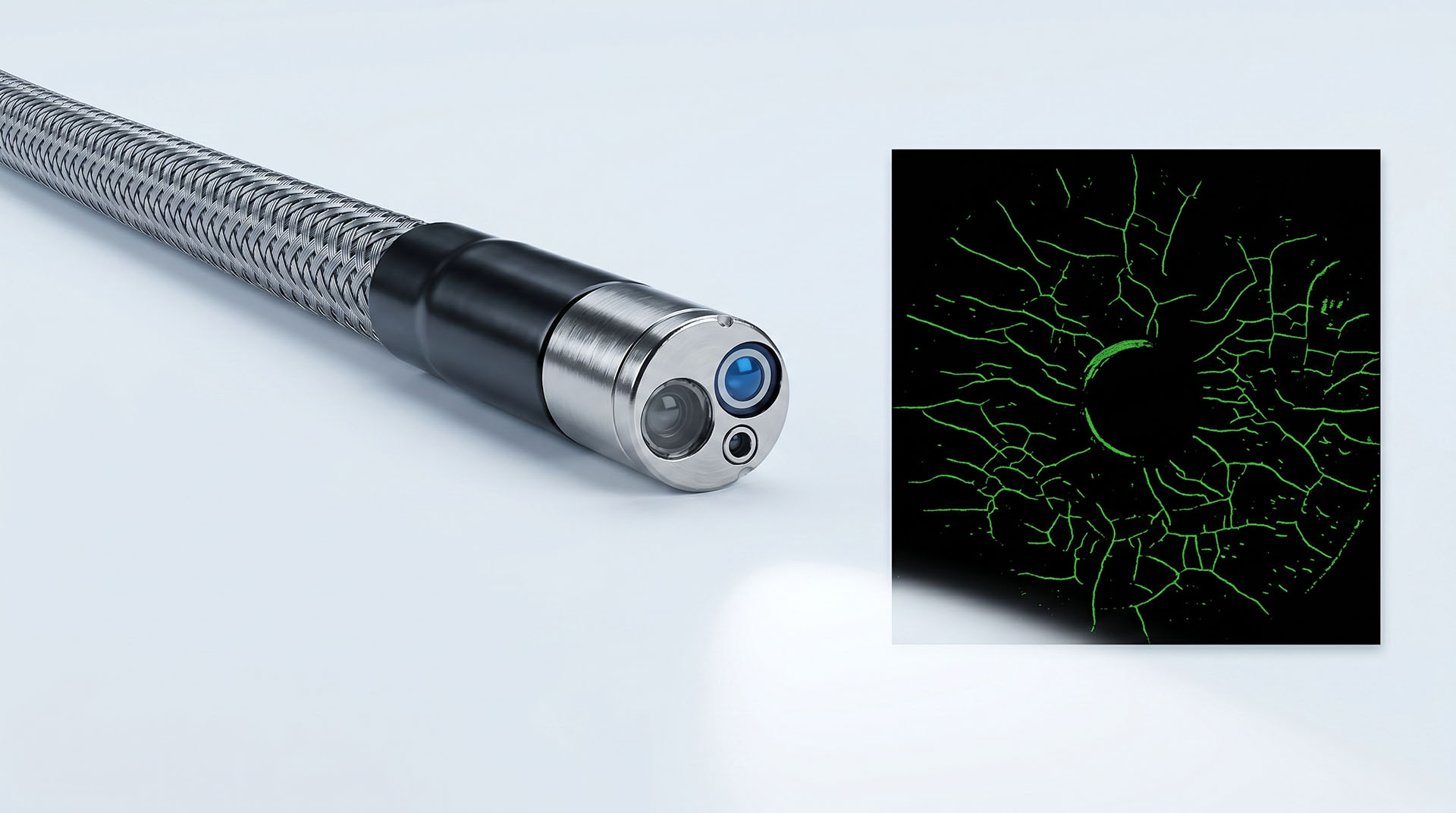
The camera chip is located at the distal end of the probe. It captures the inspection image and works together with the lens, lighting system, signal cable, and control electronics. Because the distal tip is highly integrated, camera-related failures usually require professional repair.
Typical camera failure symptoms include:
- No image on the screen
- Black screen or frozen image
- Image noise or unstable signal
- Blurred image caused by internal damage
- Color distortion or abnormal brightness
Camera failure may be caused by impact, moisture ingress, overheating, cable damage, or internal electronic failure.
4. Lighting Failure
Industrial videoscopes need sufficient illumination to inspect dark internal areas. Depending on the probe structure, the light source may be located near the camera tip or transmitted through fiber illumination.
Common lighting problems include:
- No light output from the probe tip
- Weak brightness even at maximum setting
- Uneven illumination
- Flickering light
- Broken fiber illumination in ultra-thin probes
Lighting failure may be caused by damaged LEDs, broken fibers, connector problems, impact at the probe tip, or cable stress.
5. Cable and Connector Damage
The connection between the probe and the main unit is critical for image signal, power supply, lighting, and control. In modular videoscope systems, the connector should always be kept clean, dry, and properly locked during operation.
Typical connector-related issues include:
- Probe not recognized by the main unit
- Intermittent image signal
- Unstable lighting or control response
- Loose connector fit
- Contamination or corrosion on connector pins
Before assuming a major hardware failure, users should first check whether the connector is clean, correctly aligned, and securely attached.
6. Display and Main Unit Problems
Although the probe is usually the most vulnerable part, the main unit can also develop faults after long-term use, impact, moisture exposure, incorrect charging, or storage problems.
Common main unit issues include:
- Display does not turn on
- Touchscreen or button control problems
- Image recording or storage failure
- Software freezing
- Battery not charging
- USB, HDMI, or data transfer problems
Some issues can be solved by checking the battery, charger, storage card, system settings, or cable connection. Hardware faults usually require professional service.
7. Battery and Power Supply Issues
Portable industrial videoscopes rely on rechargeable batteries for field inspection. Battery problems can reduce working time or cause unstable operation during inspection.
Typical symptoms include:
- Short operating time after full charging
- Battery not charging properly
- Device shuts down unexpectedly
- Battery indicator is inaccurate
- Main unit only works with external power
Battery life depends on charging habits, operating temperature, storage conditions, and inspection frequency. For field service, keeping spare batteries is recommended.
8. Moisture, Oil, Dust, and Chemical Contamination
Industrial inspection environments often include oil, water, coolant, dust, metal particles, chemicals, or cleaning agents. If the probe surface, distal tip, connector, or main unit sealing is damaged, contamination may enter the system and cause failure.
Possible effects include:
- Foggy or blurred image
- Corrosion inside the probe or connector
- Short circuit or unstable signal
- Reduced articulation performance
- Permanent camera or lighting damage
After inspection, the probe should be cleaned carefully according to the manufacturer’s instructions. Aggressive solvents and unsuitable cleaning methods should be avoided.
9. High-Temperature Damage
Videoscope probes should only be used within the specified operating temperature range. In boilers, turbines, engines, heat exchangers, and other high-temperature applications, the inspection area should be checked before inserting the probe.
High-temperature exposure may cause:
- Probe sheath deformation
- Camera image failure
- Lens or adhesive damage
- Lighting failure
- Reduced service life of the bending section
For hot environments, special high-temperature accessories or cooling solutions may be required. The probe should not be inserted into areas that exceed its temperature rating.
10. Normal Wear vs. Product Failure
Not every videoscope problem is caused by a product defect. In many industrial applications, especially pipe weld inspection, gearbox inspection, turbine inspection, casting inspection, and frequent maintenance work, the probe is exposed to friction, contact, contamination, and mechanical stress.
Typical factors that influence probe lifetime include:
- Inspection frequency
- Probe diameter and structure
- Surface roughness inside the inspection area
- Sharp edges, burrs, weld seams, or deposits
- Operator handling and insertion technique
- Temperature, oil, dust, and chemical exposure
Choosing the correct probe diameter, length, viewing direction, and articulation type is important for both inspection performance and service life.
How to Reduce Videoscope Failure Risk
- Choose the correct probe diameter for the access opening
- Avoid using an ultra-thin probe for heavy-duty applications when a larger probe is suitable
- Do not force the probe through tight bends or rough structures
- Do not pull the probe while the tip is still articulated
- Keep connectors clean, dry, and properly locked
- Check the inspection area temperature before insertion
- Clean the probe after use according to the instructions
- Store the probe in the protective case when not in use
- Train operators before using ultra-thin or articulated probes
When Should a Videoscope Be Repaired or Replaced?
Repair is usually recommended when the main unit, display, battery, connector, or a valuable probe can be restored economically. Replacement may be more practical when the probe has severe mechanical damage, water or oil ingress, crushed sections, repeated failures, or when the repair cost is close to the cost of a new probe.
For professional industrial users, the best decision depends on the application, inspection frequency, probe specification, repair cost, and downtime cost.
FAQ: Typical Videoscope Failures
What is the most common videoscope failure?
The most common failures are probe-related, including outer sheath wear, articulation damage, camera failure, lighting failure, and cable or connector problems. The probe is exposed directly to the inspection environment, so it usually faces the highest mechanical stress.
Why does videoscope articulation fail?
Articulation may fail due to excessive bending, pulling the probe while the tip is still bent, strong friction, impact, or long-term wear of the bending section. Proper handling can significantly reduce articulation damage.
Why is the videoscope image black?
A black image may be caused by camera chip failure, broken signal wires, connector problems, software issues, or lighting failure. The first step is to check the probe connection, battery, brightness setting, and whether another probe works on the same main unit.
Why does the videoscope light not work?
Lighting failure may be caused by damaged LEDs, broken fiber illumination, cable damage, connector issues, or internal power supply problems. Ultra-thin probes with fiber illumination can be more sensitive to bending and impact.
Can a damaged videoscope probe be repaired?
Some probe failures can be repaired, depending on the damage location and probe structure. Camera chip, lighting, cable, and articulation repairs may be possible, but severe mechanical damage or crushed probe sections may require probe replacement.
Are small-diameter videoscope probes less durable?
In general, smaller probes are more delicate because they have less internal space for camera, lighting, wiring, articulation, and protective structure. They provide better access to small openings, but they require more careful operation.
How can users avoid videoscope probe damage?
Users should avoid forcing the probe, pulling it while articulated, inserting it into areas with sharp edges without caution, exceeding the temperature rating, or using an ultra-thin probe for applications better suited to a larger and more robust probe.
Is videoscope damage always a product quality issue?
No. Many failures are related to application conditions, inspection frequency, friction, heat, contamination, or handling. In heavy-duty industrial environments, the probe may experience normal wear over time.
When should I replace instead of repair a videoscope probe?
Replacement is usually recommended when the probe has severe outer damage, water or oil ingress, crushed sections, repeated failures, or when repair cost is too close to the cost of a new probe.
How often should an industrial videoscope be maintained?
Maintenance frequency depends on inspection intensity and working environment. For frequent industrial use, the probe should be cleaned and checked after each inspection, and the system should be inspected regularly for wear, connector condition, image quality, and articulation performance.