What is an Industrial Videoscope
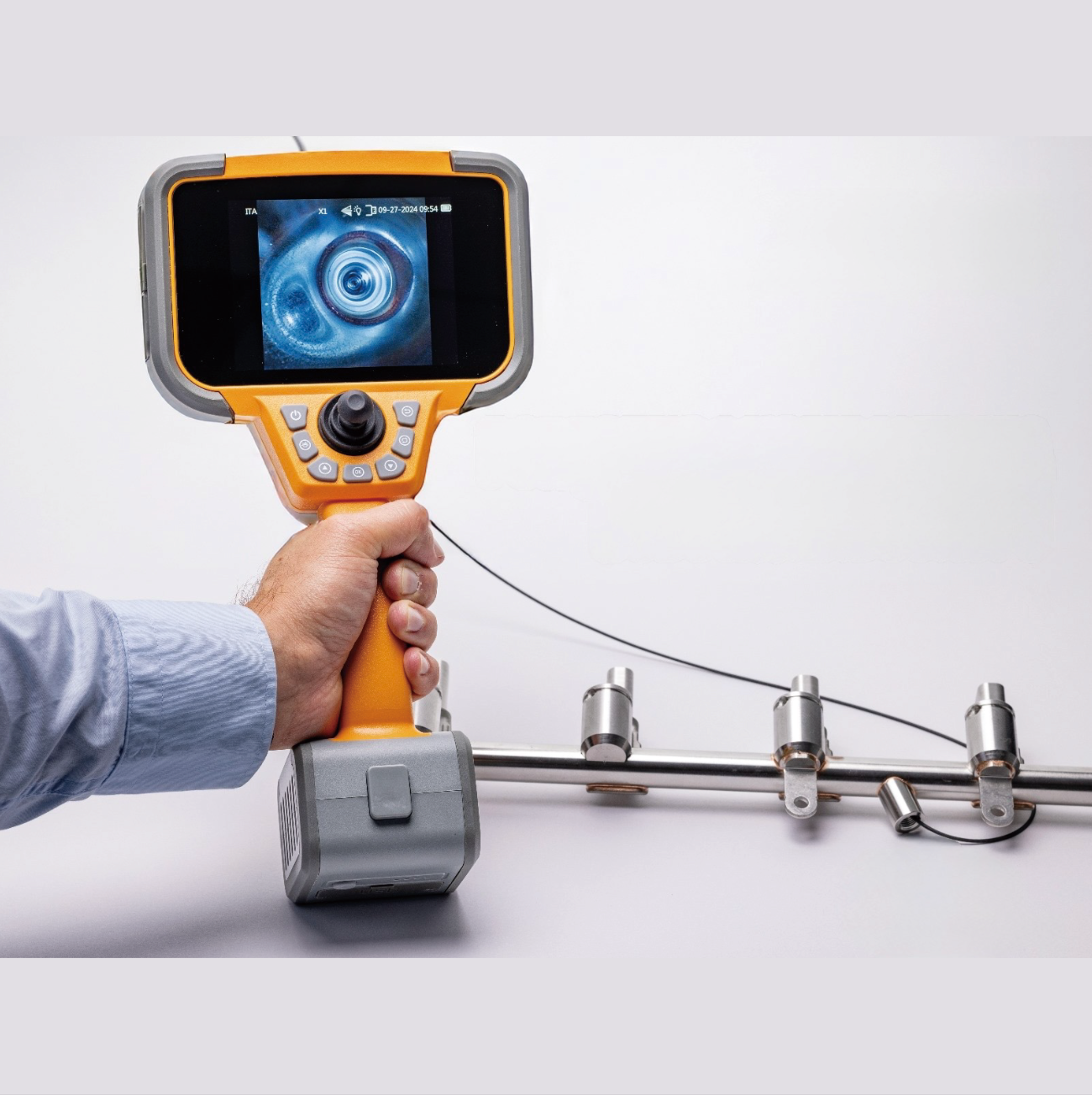
An industrial videoscope is a portable remote visual inspection (RVI) device used for non-destructive testing in aerospace, automotive, power generation, and industrial maintenance. This guide explains how industrial videoscopes work, their applications, probe types, articulation systems, and how to choose the right inspection camera for internal visual inspection.
What is an Industrial Videoscope
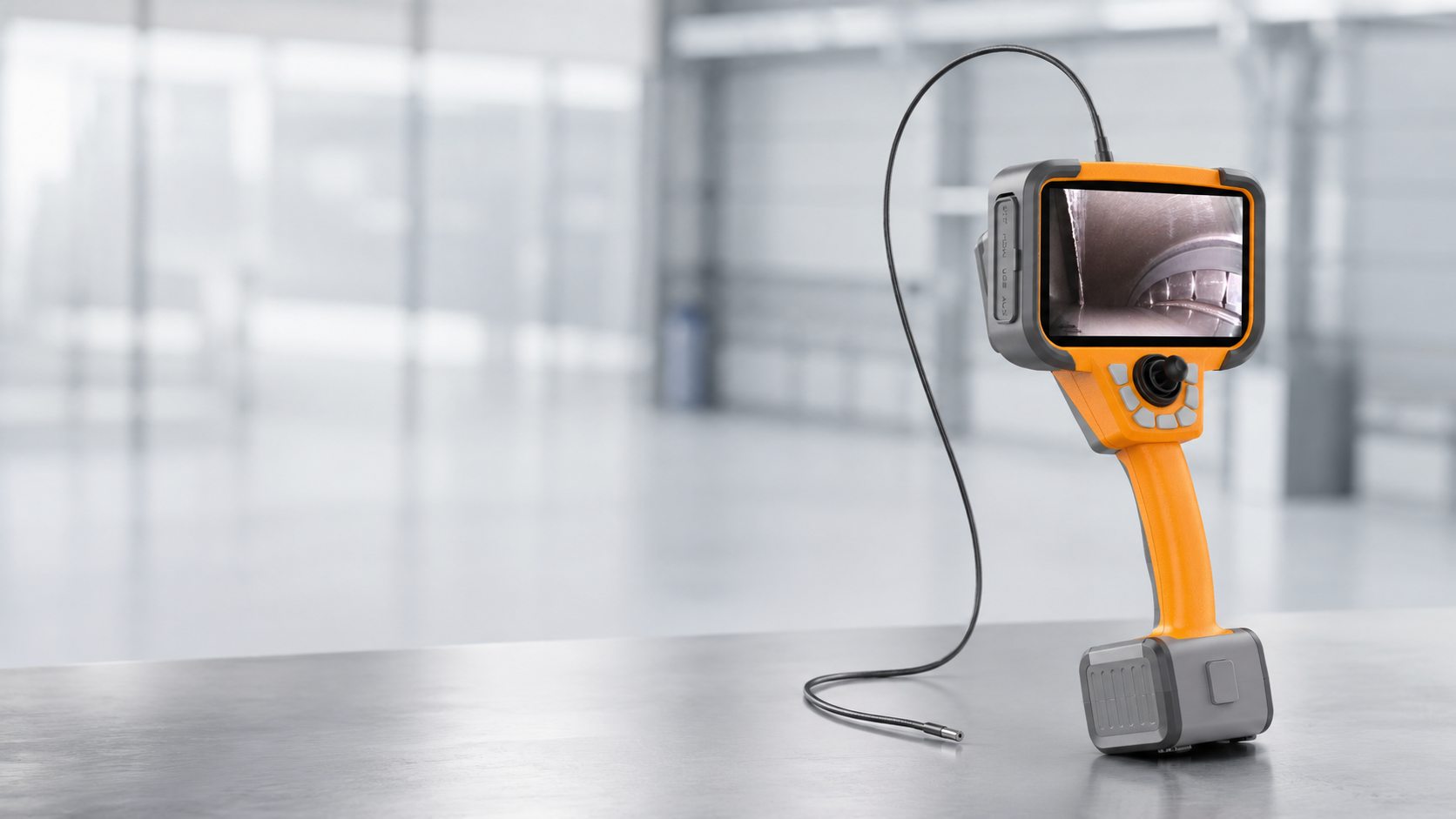
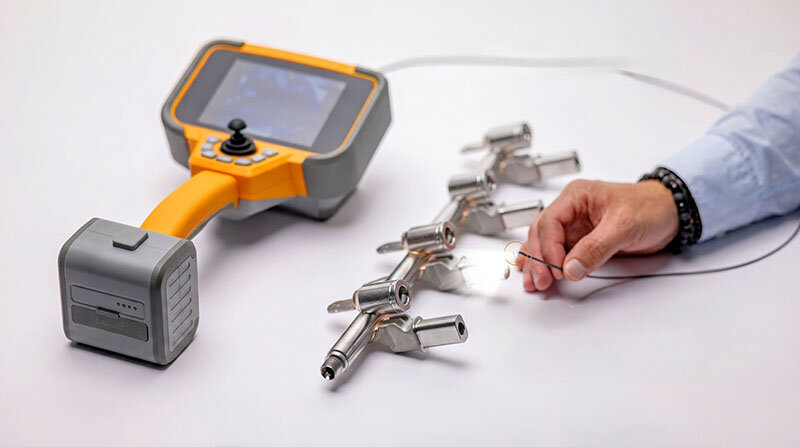
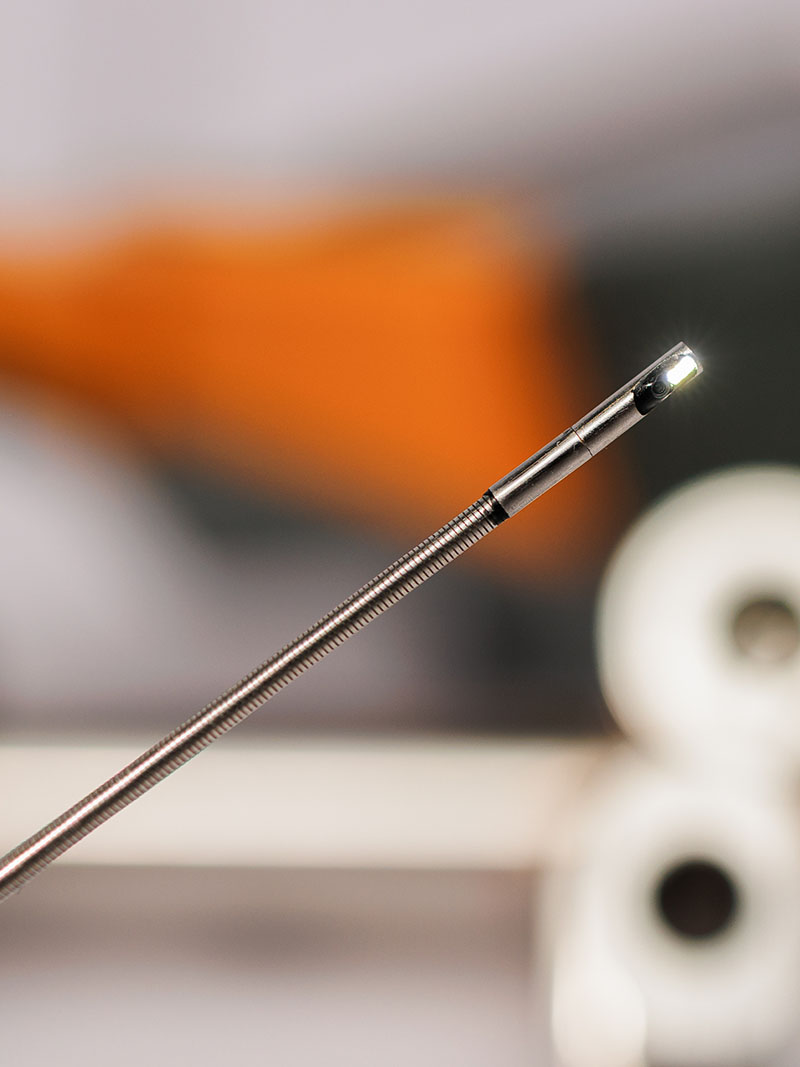
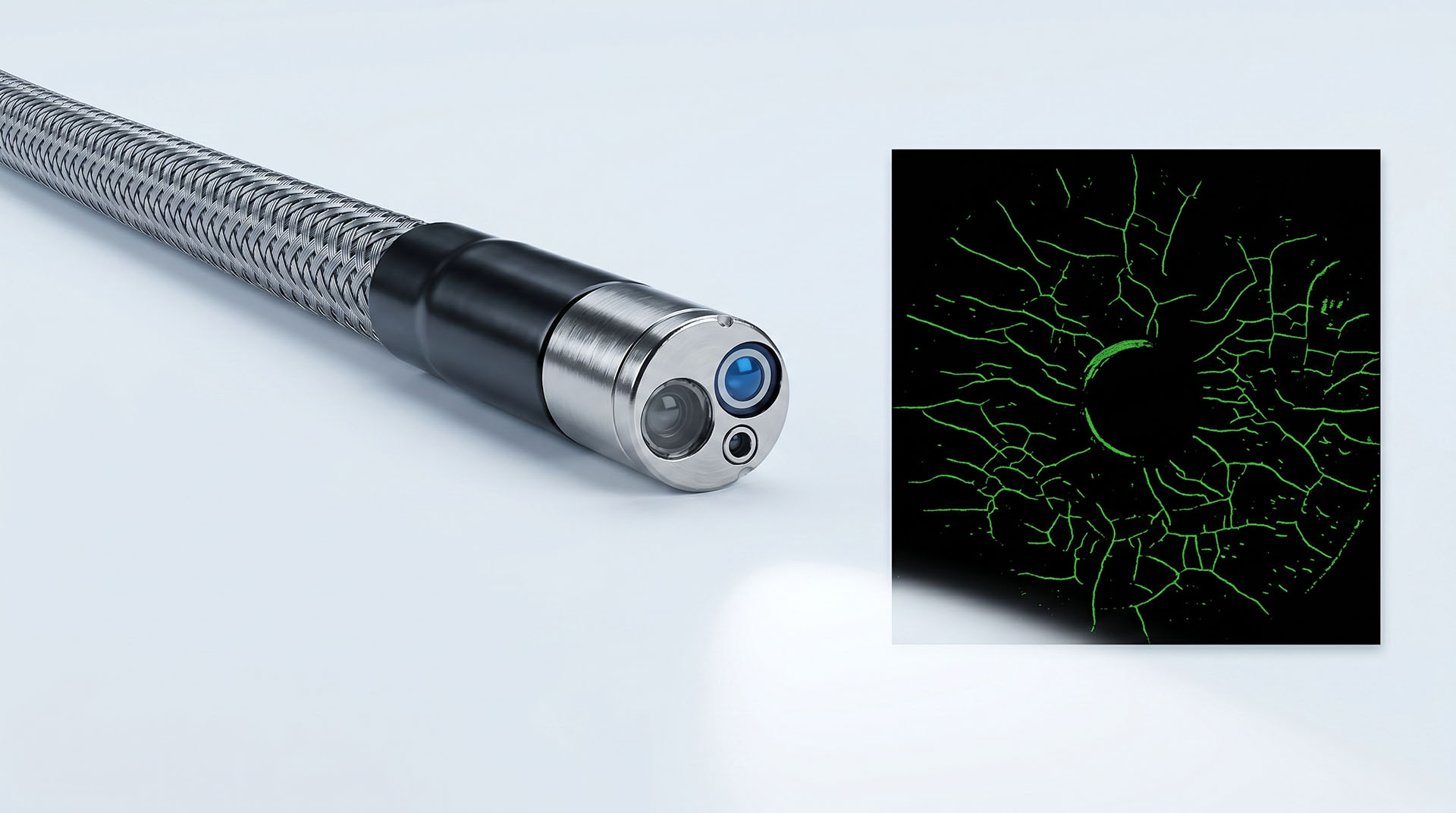
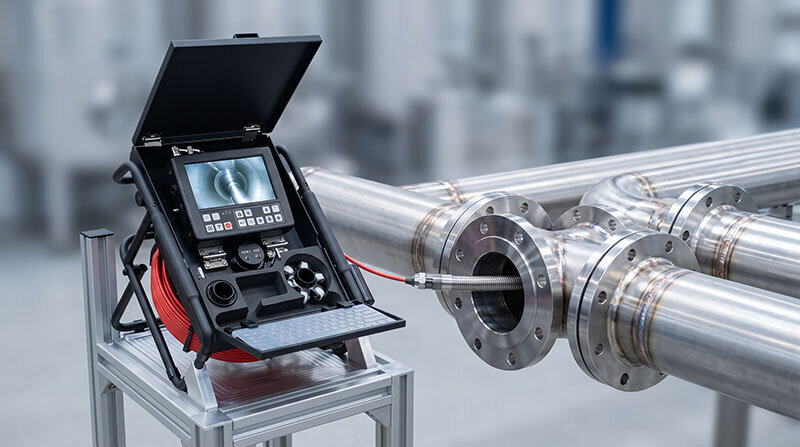
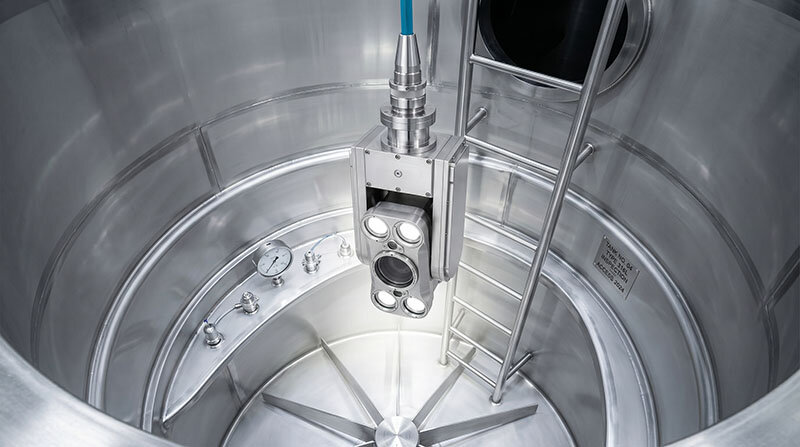
An industrial videoscope is a portable visual inspection device designed to inspect internal areas that are difficult or impossible to access directly. It combines a miniature camera, LED illumination, flexible insertion probe, and display system to provide real-time visual inspection without dismantling equipment.
Industrial videoscopes are widely used in aerospace, automotive, power generation, manufacturing, oil & gas, and quality control applications for non-destructive testing (NDT) and preventive maintenance.
How Does an Industrial Videoscope Work
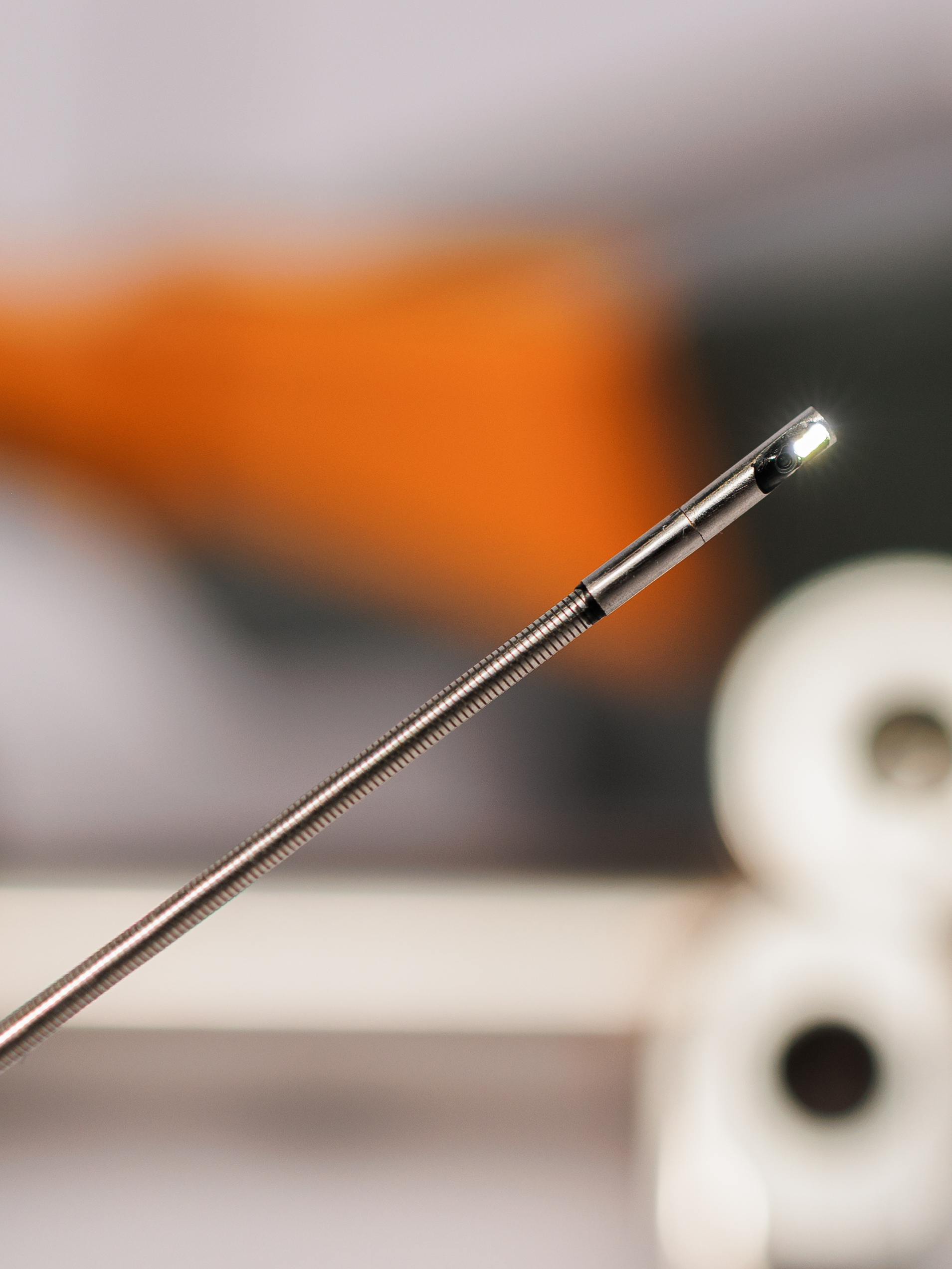
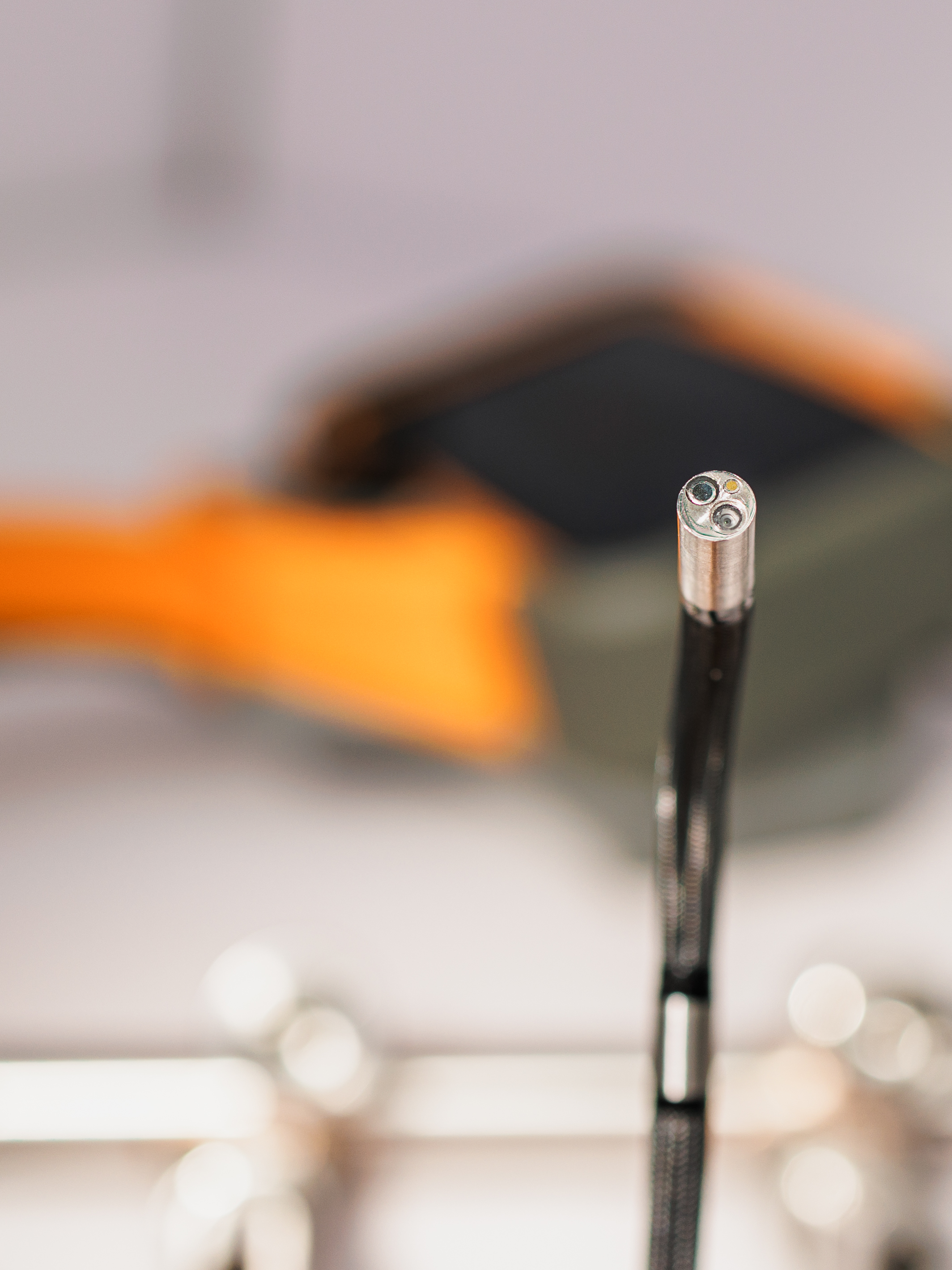
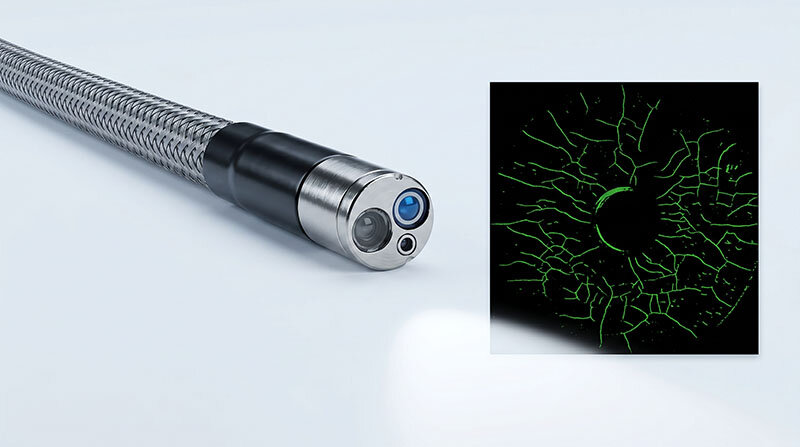
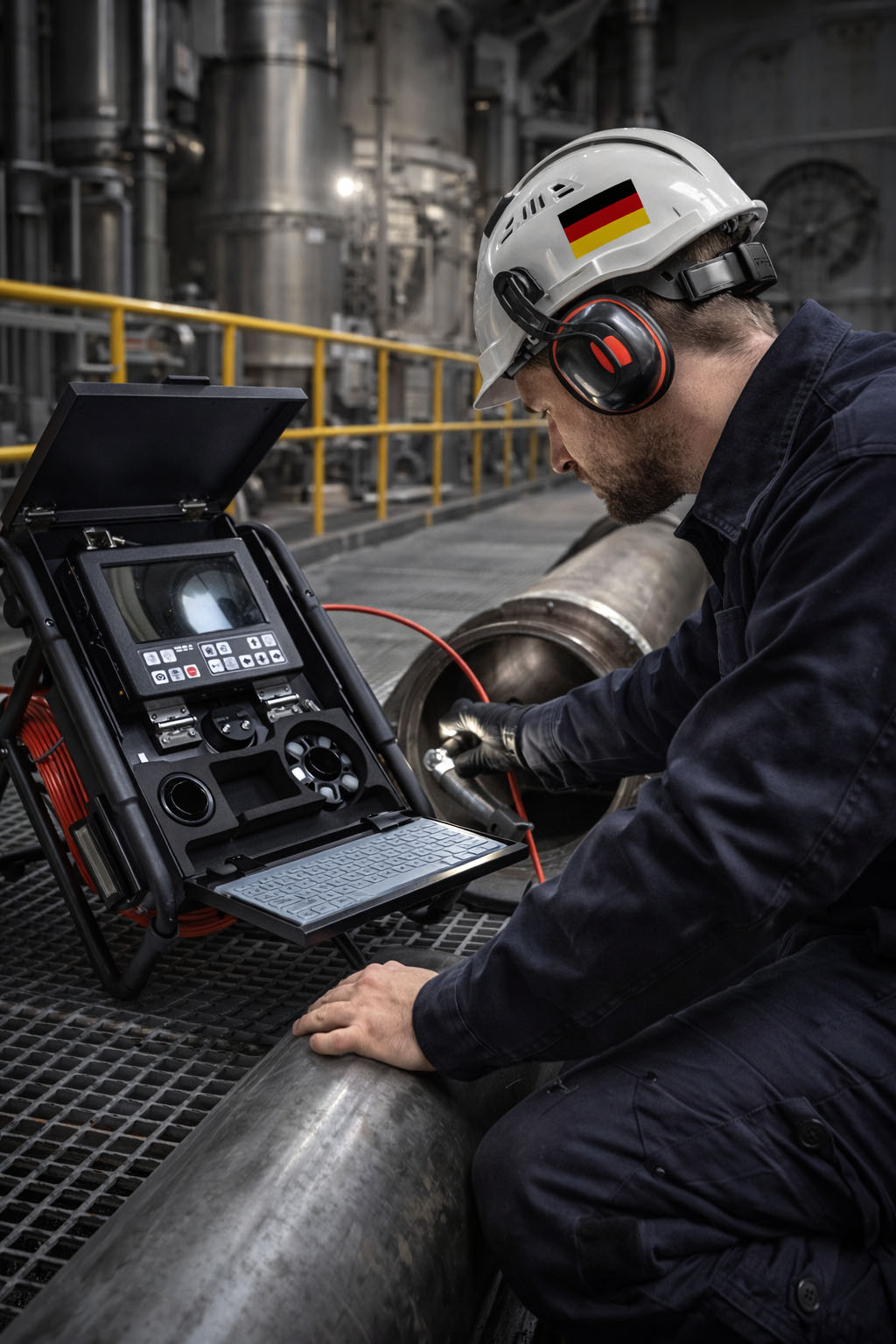
A videoscope uses a small camera located at the tip of a flexible or rigid probe. The probe is inserted into internal cavities, pipes, engines, turbines, or components. The live image is transmitted to the handheld display unit where the operator can inspect, record images, capture videos, and document defects.
Modern industrial videoscopes often include:
HD image sensors
4-way articulation control
LED illumination
Image and video recording
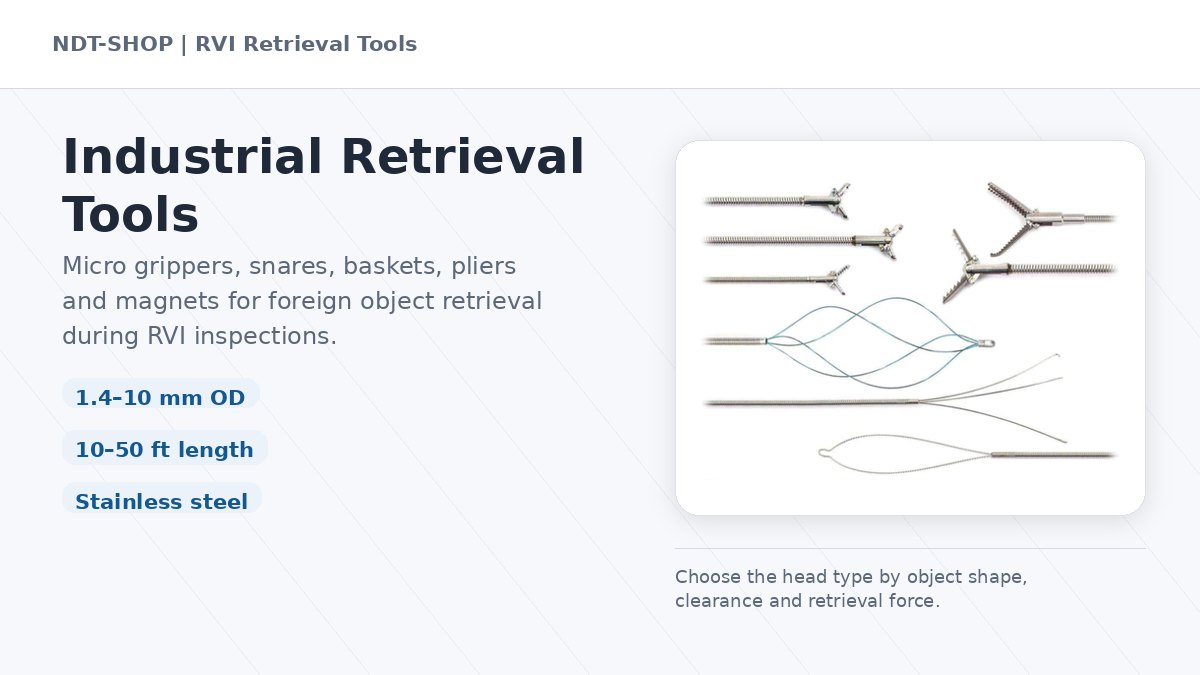
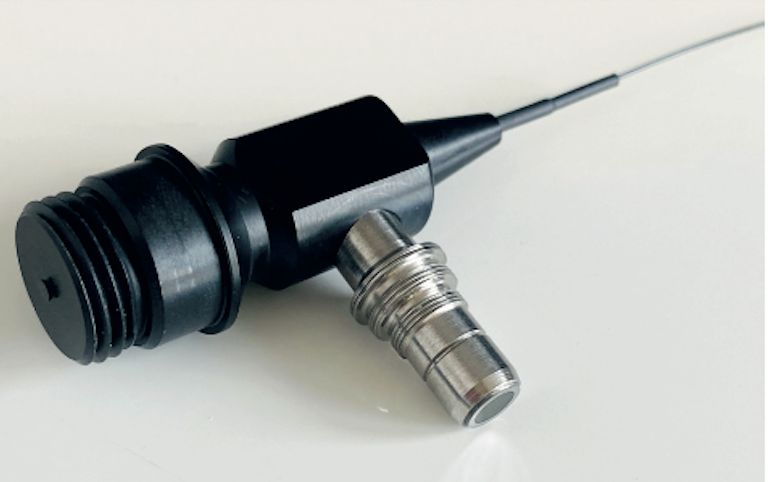
Interchangeable probes
Touchscreen operation
Wireless data transfer
Main Applications of Industrial Videoscopes
Aerospace Inspection
Videoscopes are widely used for aircraft engine inspection, turbine blade inspection, combustion chamber inspection, and foreign object damage (FOD) detection without engine disassembly.
Automotive Inspection
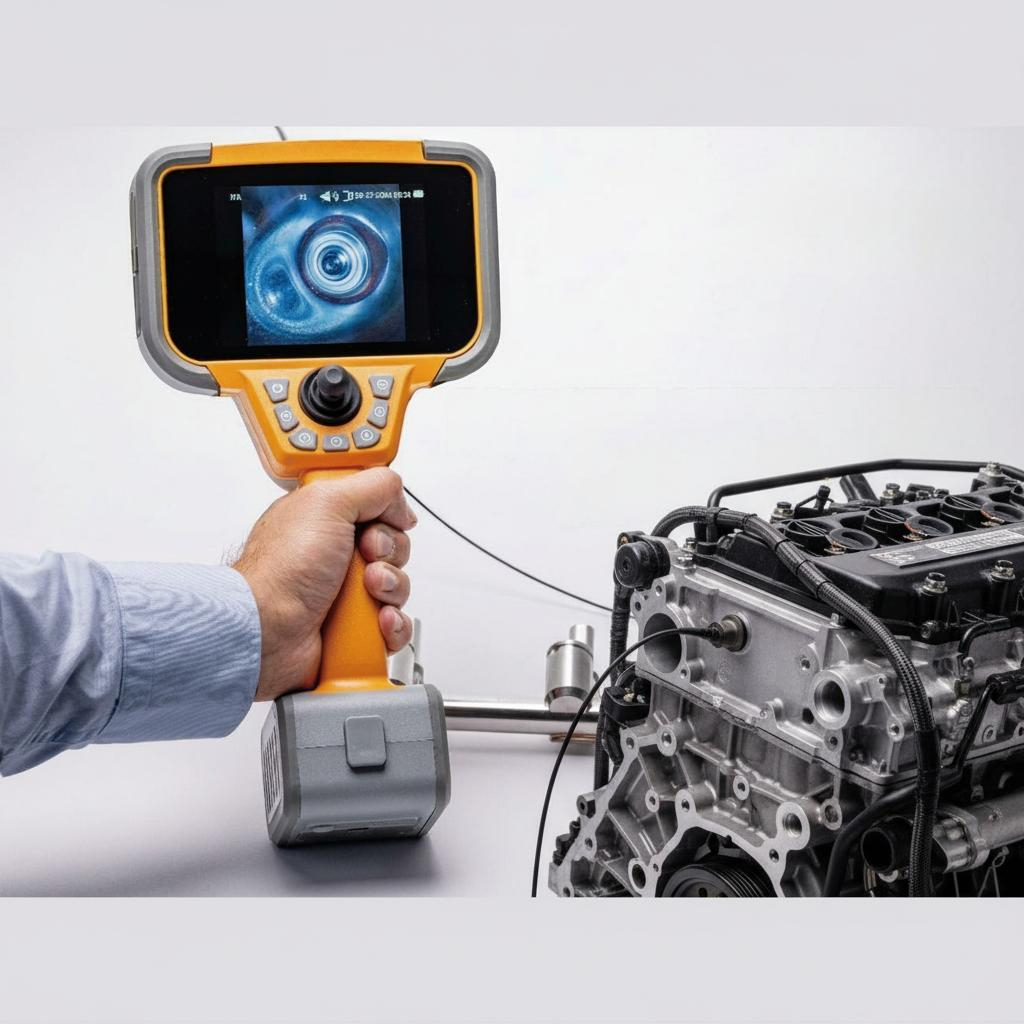
Technicians use videoscopes to inspect engine cylinders, valves, pistons, fuel systems, and transmission components quickly and efficiently.
Power Generation
Industrial videoscopes help inspect turbines, boilers, heat exchangers, and generators during maintenance shutdowns and routine inspections.
Manufacturing and Quality Control
Manufacturers use videoscopes for casting inspection, weld inspection, cavity inspection, and internal defect detection during production.
Pipeline and Industrial Maintenance
Videoscopes are used to inspect pipes, weld seams, corrosion, blockages, and internal mechanical structures in industrial facilities.
Advantages of Industrial Videoscopes
Non-destructive inspection
Reduce equipment downtime
No need for disassembly
Improve maintenance efficiency
Early defect detection
Lower maintenance cost
Portable and easy operation
Real-time image documentation
Key Features to Consider
Probe Diameter
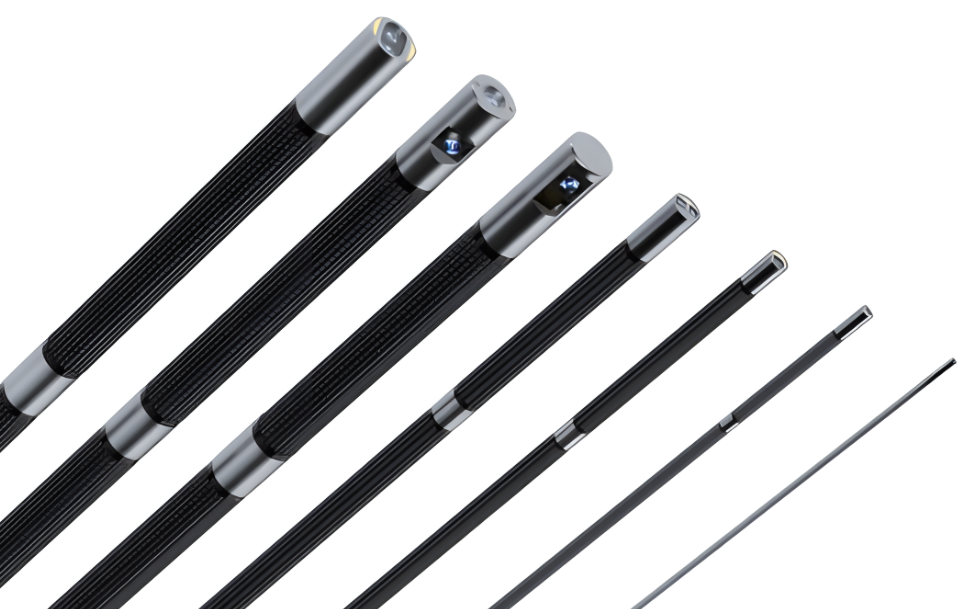
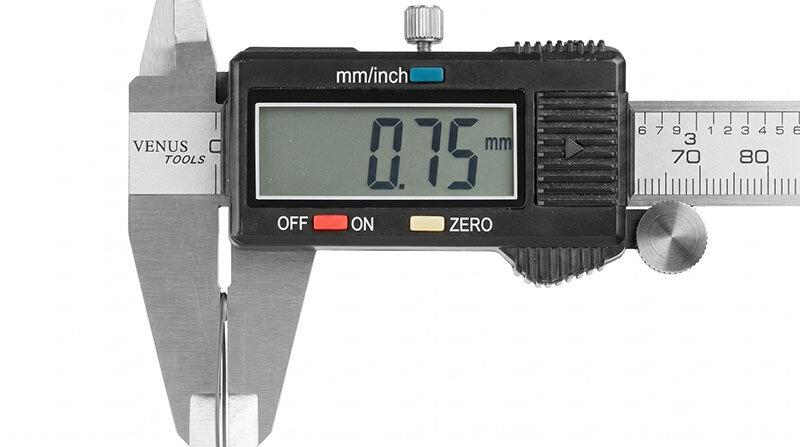
Smaller probe diameters allow access to tighter inspection areas. Typical industrial videoscope probes range from 0.95 mm to 6 mm.
Image Resolution
Higher image resolution provides clearer defect visibility and improves inspection accuracy.
Articulation
2-way or 4-way articulation enables flexible probe navigation inside complex structures.
Probe Length
Probe length depends on the inspection depth and application requirements.
Illumination
Integrated LED lighting ensures clear visibility inside dark inspection environments.
Durability
Industrial environments require robust insertion probes with wear-resistant materials and reliable articulation systems.
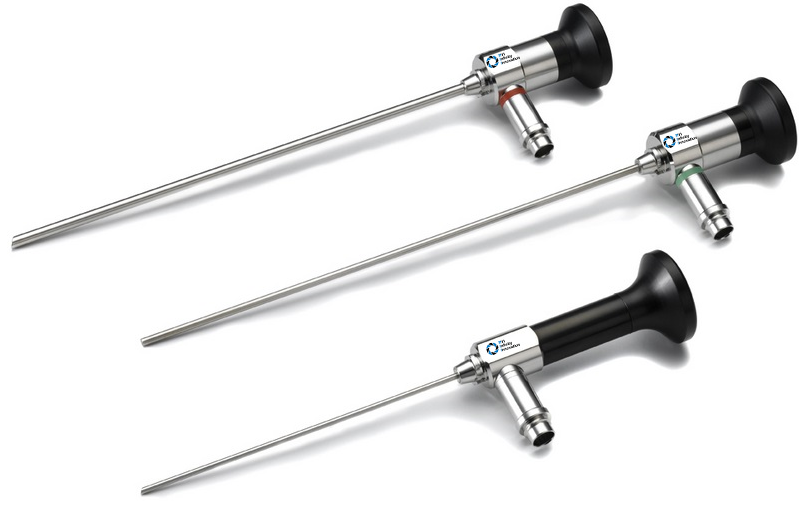
Rigid Borescope vs Videoscope
| Feature | Rigid Borescope | Industrial Videoscope |
|---|---|---|
| Flexibility | Rigid | Flexible |
| Image Display | Eyepiece | Digital Screen |
| Recording Function | Limited | Photo & Video Recording |
| Accessibility | Straight access only | Complex pathways |
| Articulation | No | 2-way / 4-way |
Typical Industrial Videoscope Specifications
| Specification | Typical Range |
|---|---|
| Probe Diameter | 0.95 mm – 6 mm |
| Probe Length | 1 m – 10 m |
| Image Resolution | 400×400 to 1280×720 HD |
| Articulation | 2-way / 4-way |
| Display Size | 5 inch – 6 inch |
| Recording | Photo & Video |
Recommended Industrial Videoscope Solutions
RVI Infinity Innovation offers portable industrial videoscope systems designed for professional remote visual inspection applications.
Inspector Plus – Portable 5-inch industrial videoscope platform with interchangeable probes.
Inspector Touch – Advanced 6-inch touchscreen videoscope system with smart annotation and HD inspection capability.
Available probe diameters include:
0.95 mm ultra-thin probe
1.2 mm micro probe
2.4 mm flexible probe
2.8 mm dual camera probe
4 mm HD articulation probe
6 mm long working length probe
Conclusion
Industrial videoscopes have become essential inspection tools across multiple industries. They provide fast, non-destructive access to internal structures while improving inspection efficiency, reducing downtime, and lowering maintenance costs.
Choosing the right videoscope depends on the application, probe diameter, image quality, articulation requirements, and inspection environment.
Related Guides:
FAQ
What is the difference between a borescope and a videoscope?
A borescope usually refers to an optical inspection scope, while a videoscope uses a digital camera and display screen for real-time video inspection and image recording.
What industries use industrial videoscopes?
Industrial videoscopes are widely used in aerospace, automotive, power generation, oil & gas, manufacturing, and industrial maintenance.
What probe diameter is best for engine inspection?
For automotive engine inspection, 4 mm and 6 mm articulation probes are commonly used, while smaller diameters like 2.8 mm or 1 mm are suitable for tight access areas.
Can industrial videoscopes record videos and images?
Yes. Most modern industrial videoscopes support image capture, video recording, and inspection documentation.