What Is Remote Visual Inspection
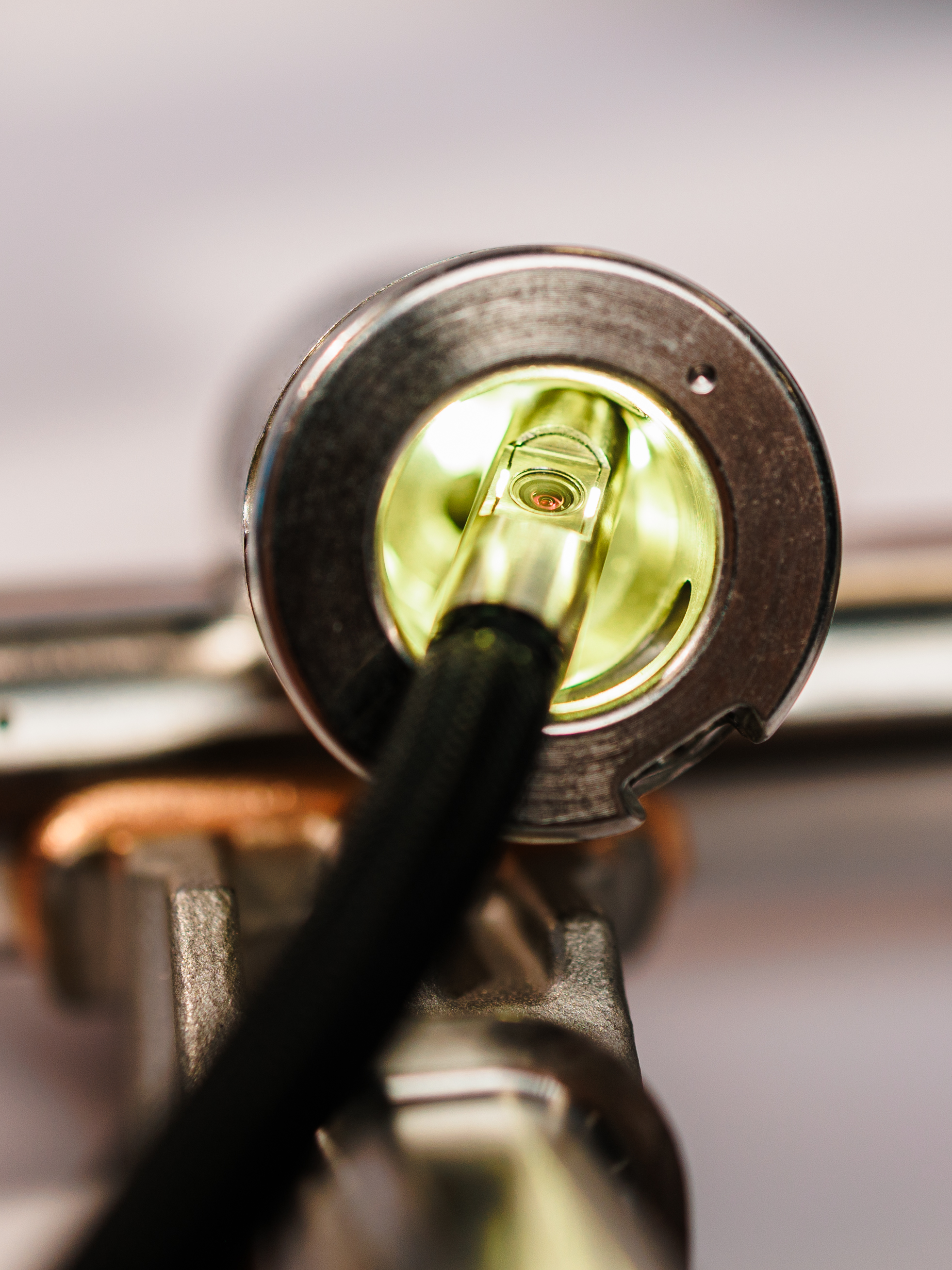
Learn what remote visual inspection is, how it works, and why industrial videoscopes are used to inspect engines, turbines, pipes, welds, castings, machinery, and hard-to-access internal components without unnecessary disassembly.
What Is Remote Visual Inspection (RVI)
Remote Visual Inspection (RVI) is a non-destructive testing (NDT) method used to inspect internal or inaccessible areas of equipment and structures using specialized optical or digital imaging devices.
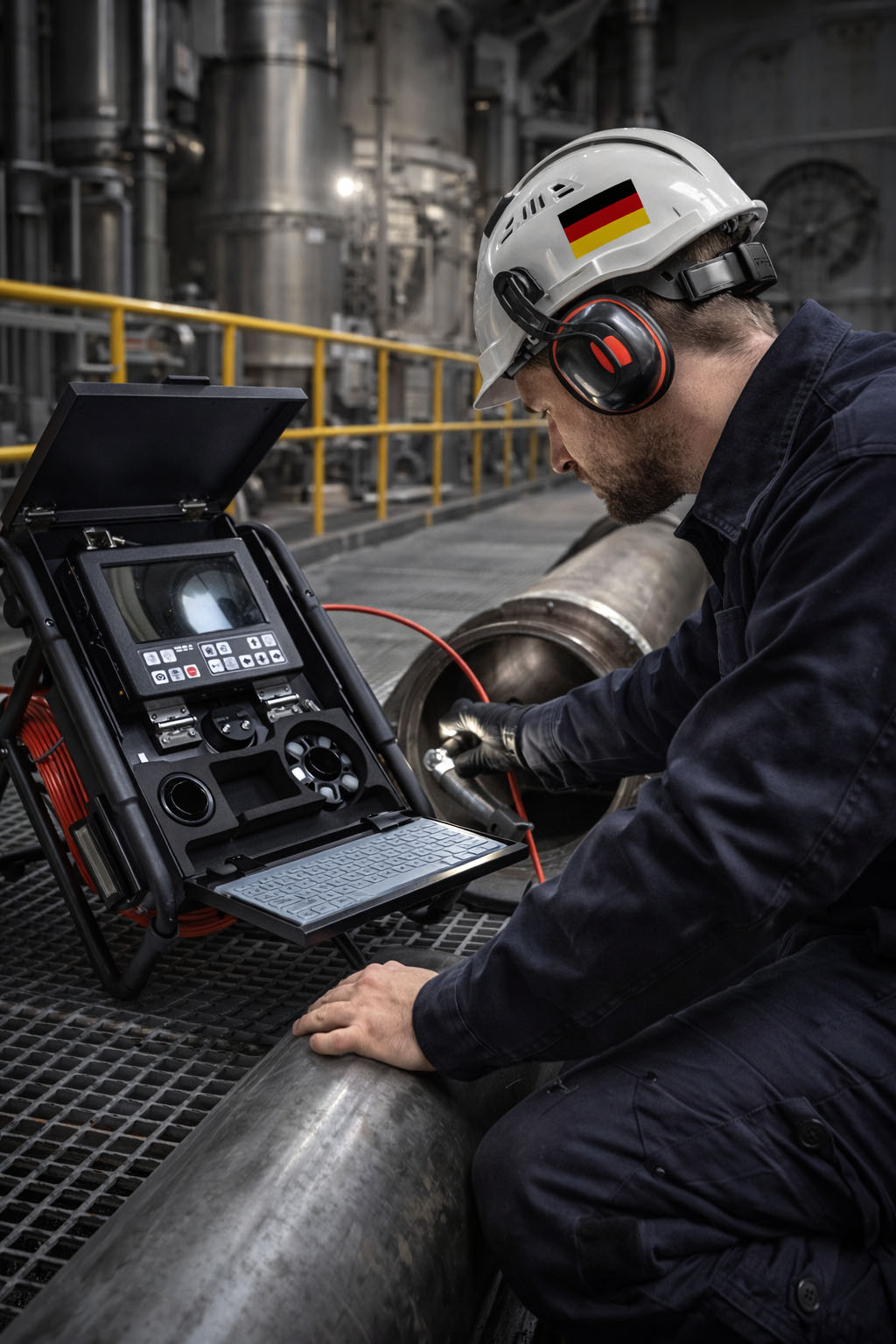
RVI technology allows inspectors to visually examine components without dismantling machinery or entering hazardous environments. It is widely used in aerospace, automotive, power generation, oil & gas, manufacturing, and industrial maintenance.
How Remote Visual Inspection Works
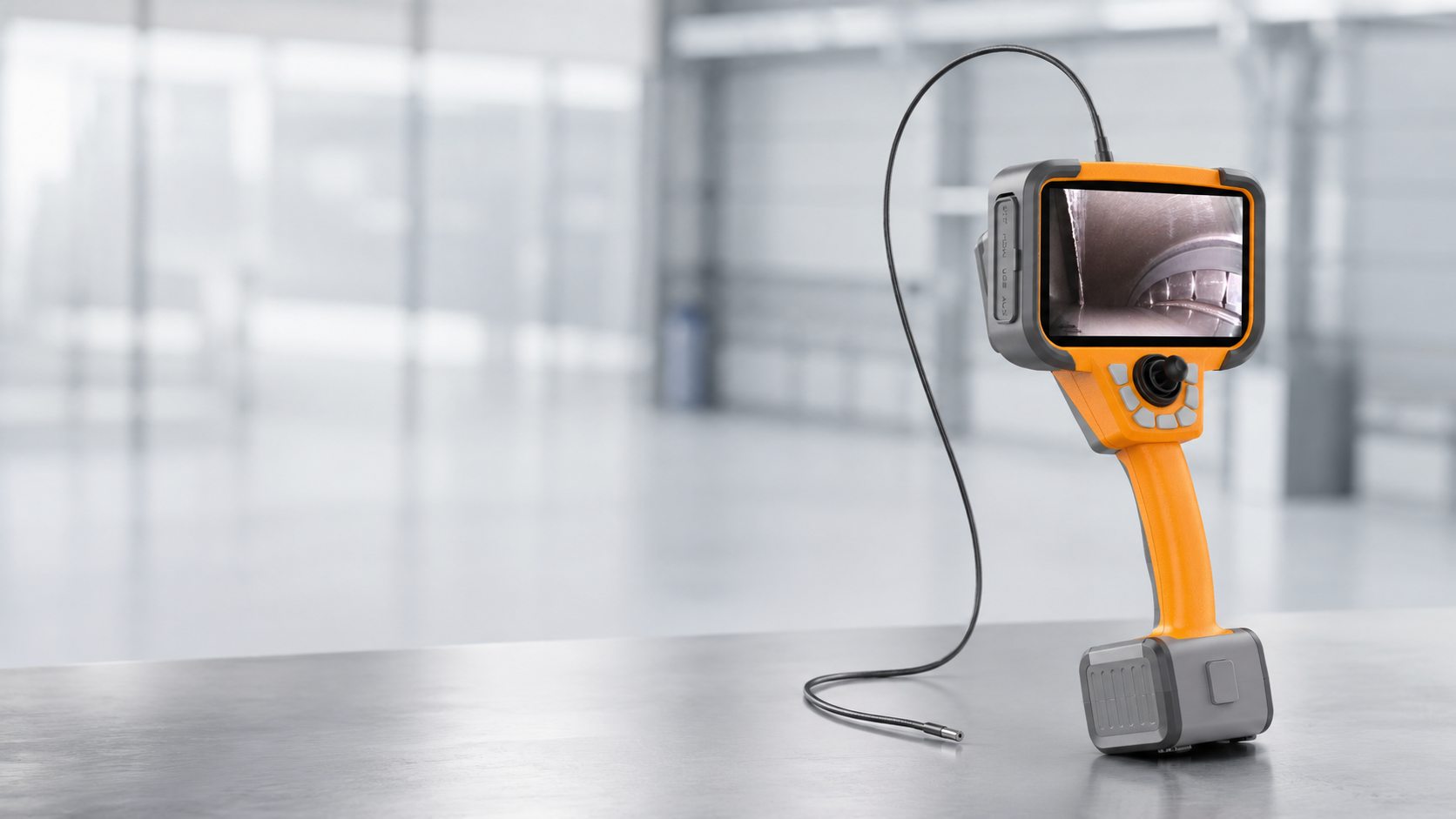
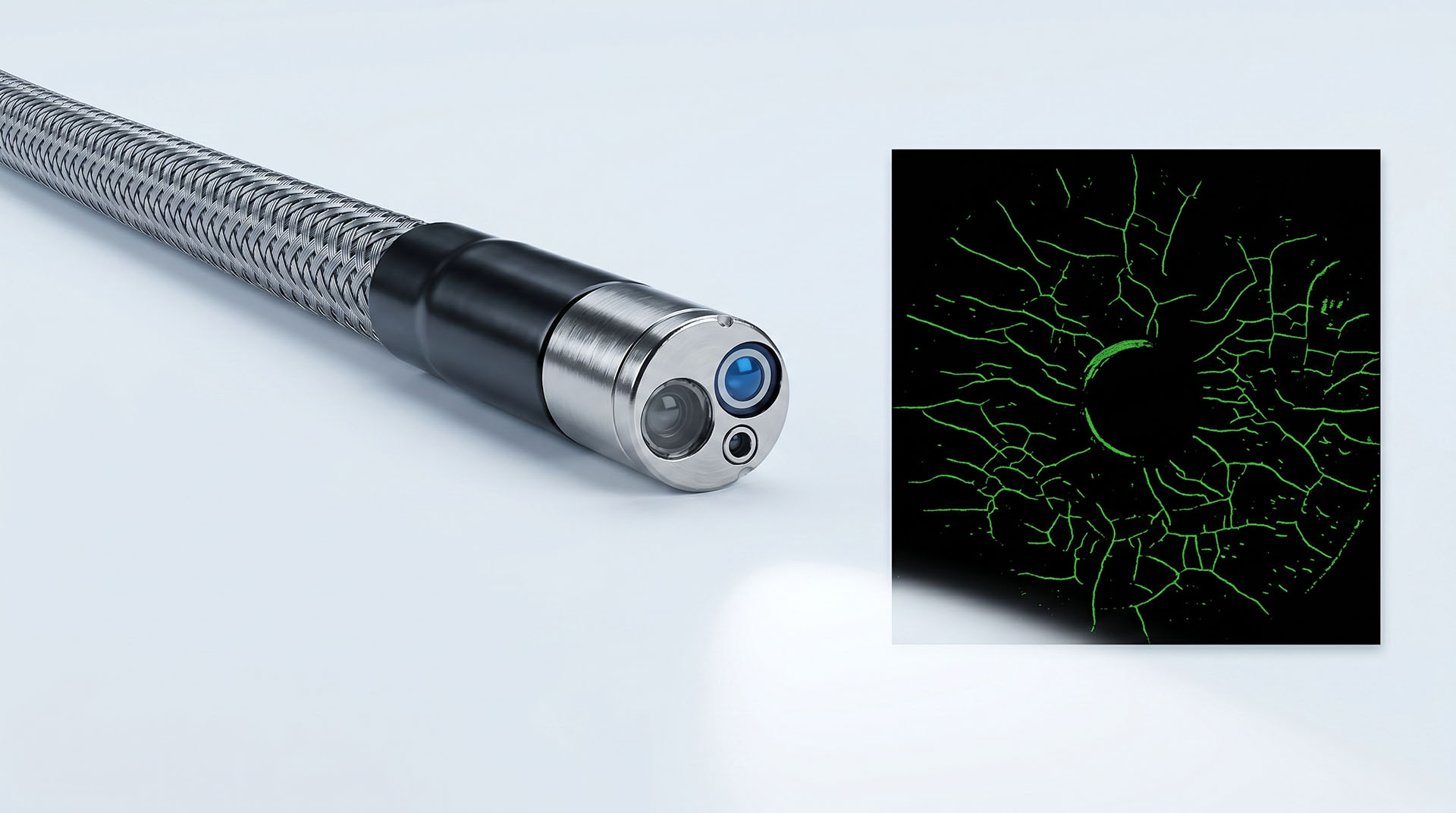
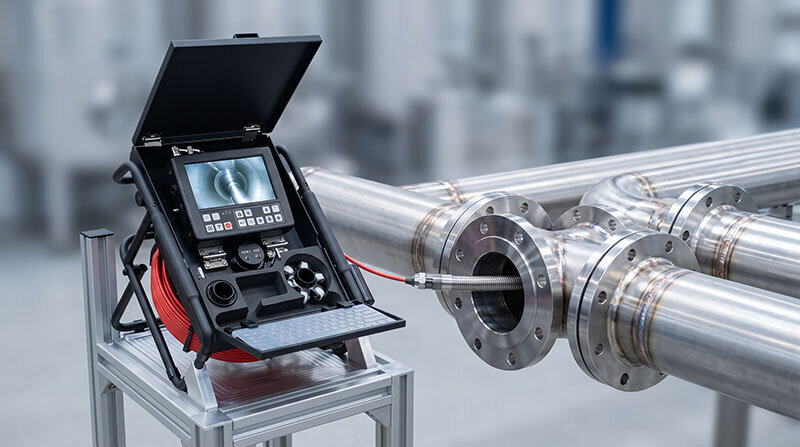
Remote Visual Inspection uses inspection tools such as industrial videoscopes, borescopes, fiberscopes, pipe inspection cameras, and robotic inspection systems to access hard-to-reach areas.
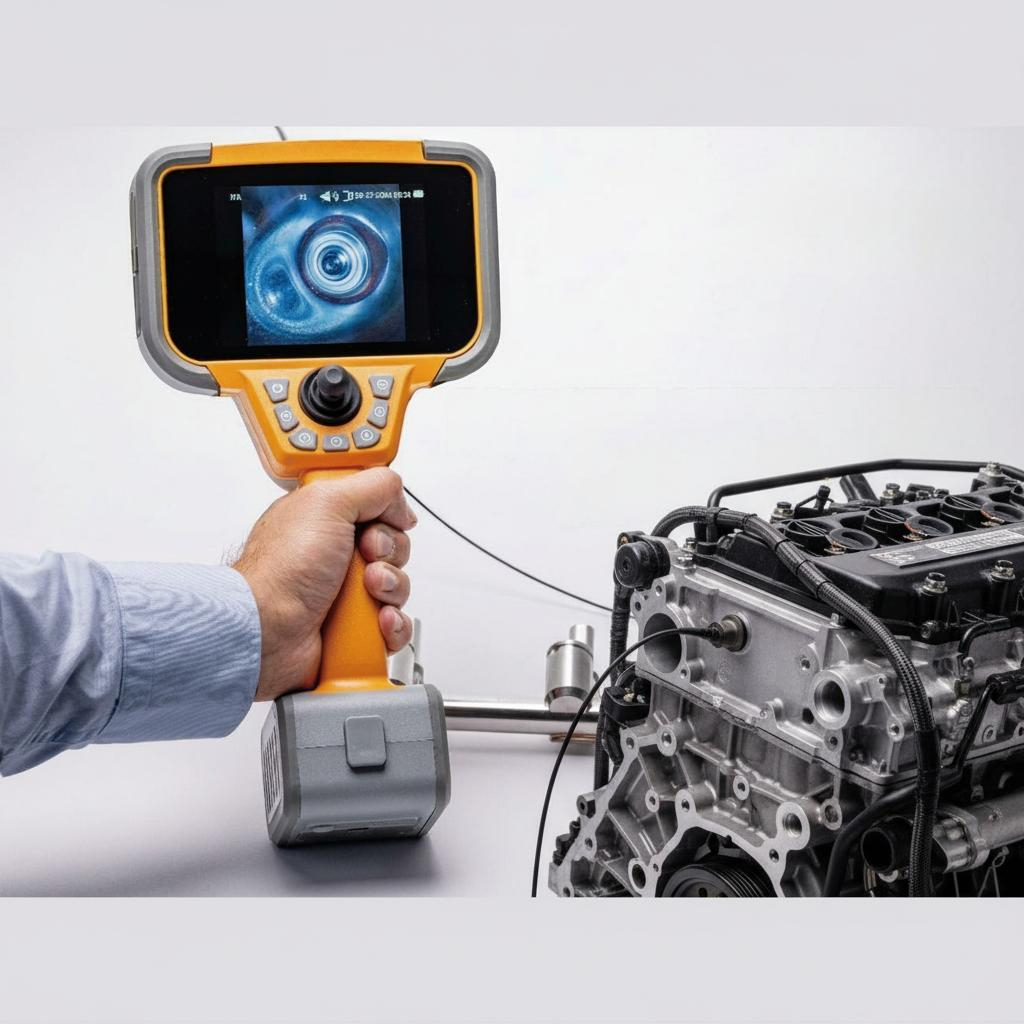
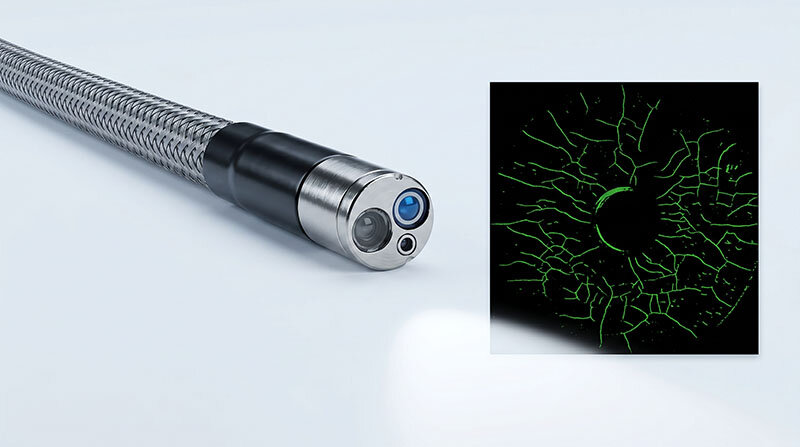
The inspection device transmits real-time images or videos to a display screen, allowing operators to identify defects, wear, corrosion, cracks, foreign object debris (FOD), or manufacturing issues.
Modern RVI systems often support:
HD image and video capture
Flexible articulation control
LED illumination
Image annotation
Inspection reporting
Wireless data transfer
Measurement functions
Common Remote Visual Inspection Tools
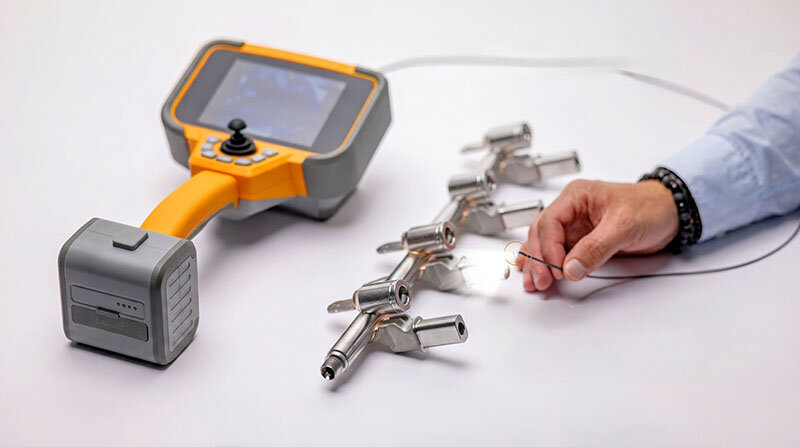
Industrial Videoscope
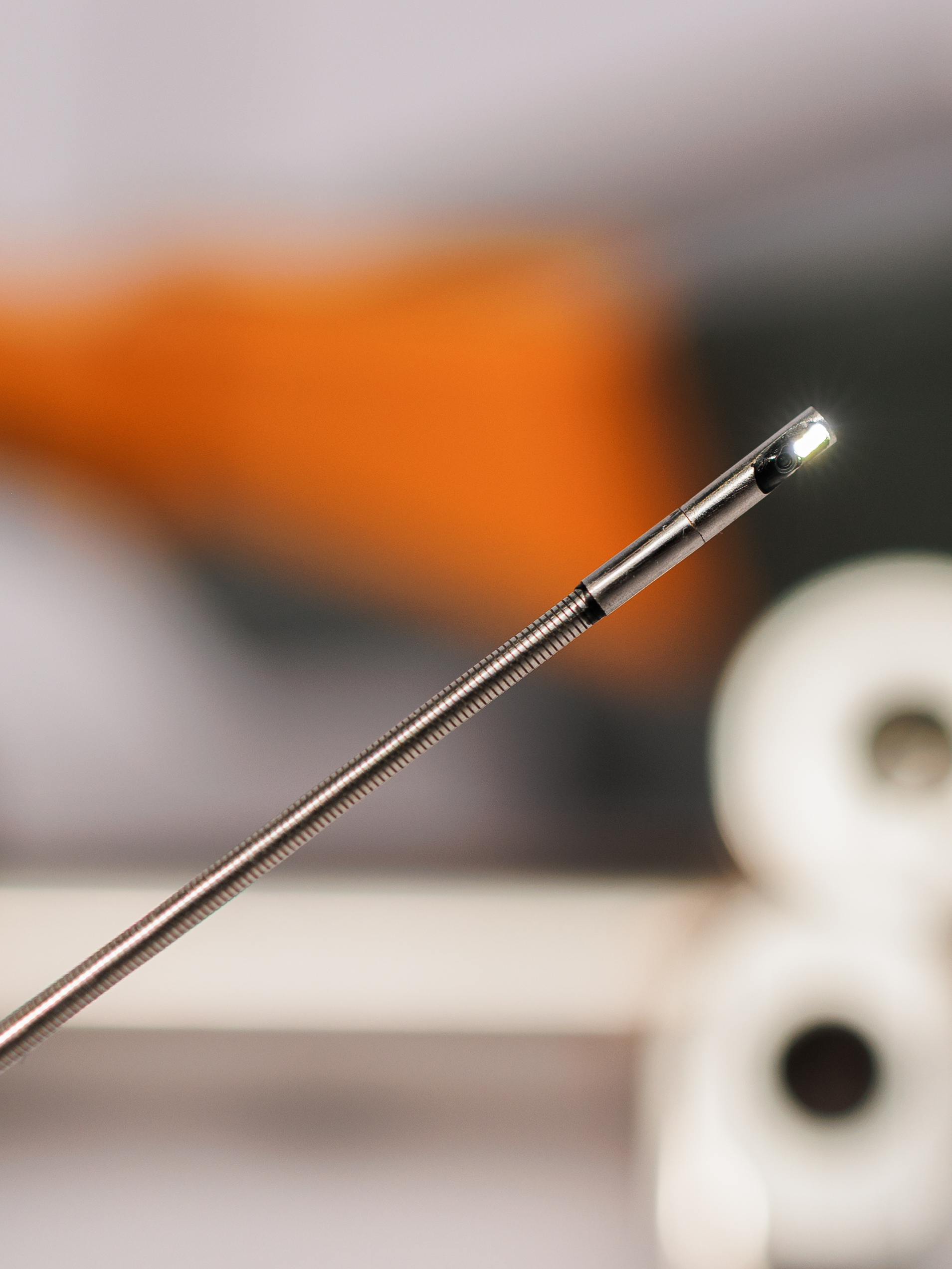
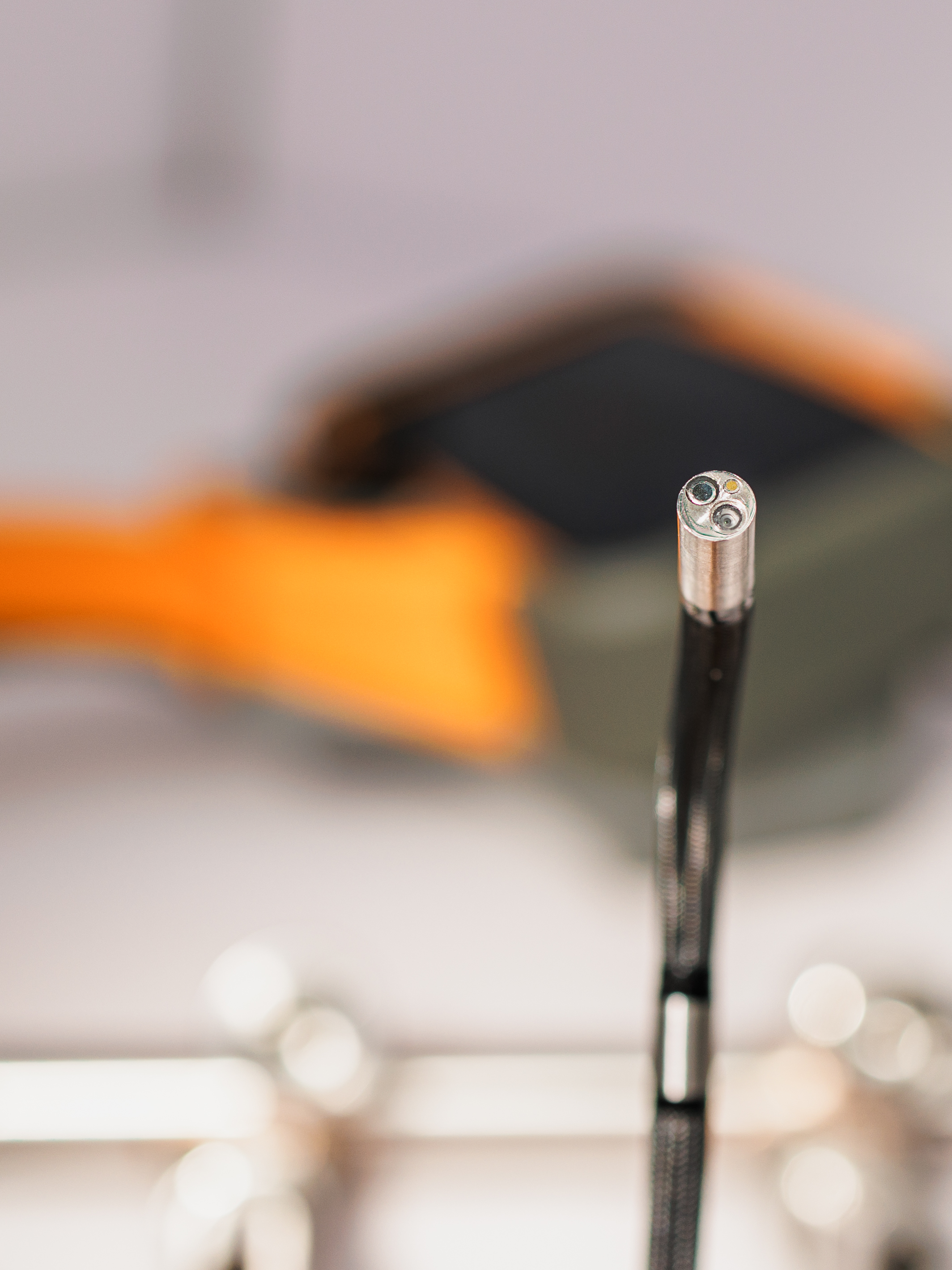
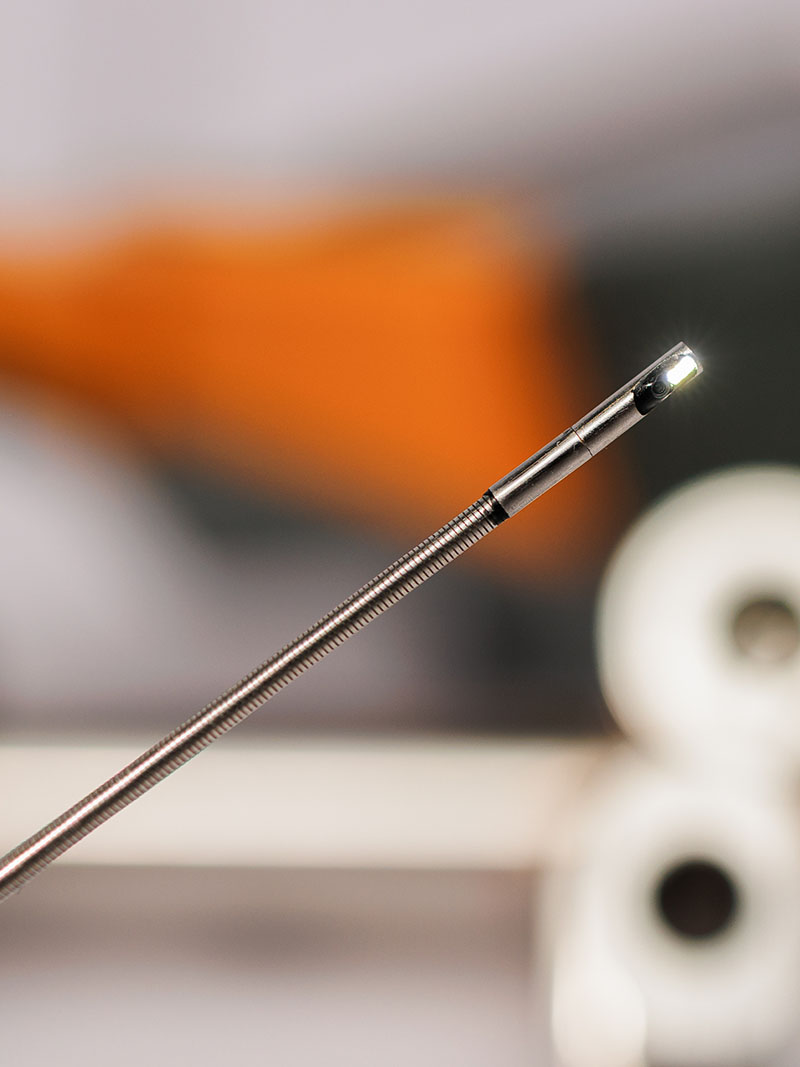
A digital inspection system with a flexible insertion probe, integrated camera, LED illumination, and display monitor for internal inspections.
Borescope
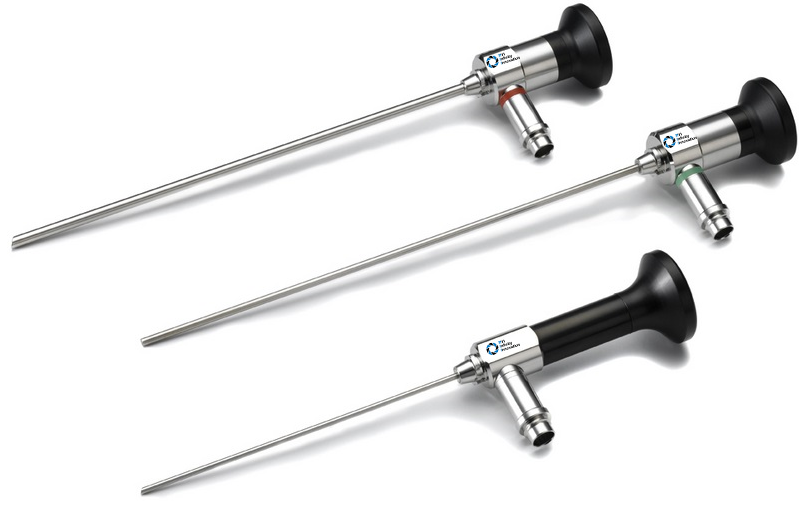
A rigid or semi-rigid optical inspection device used for straight-line visual inspection applications.
Fiberscope
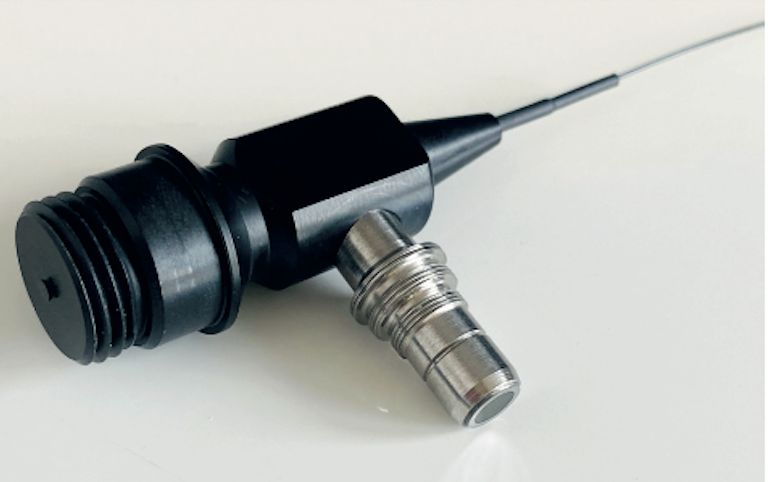
A flexible optical inspection scope that transmits images through fiber optic bundles, commonly used for ultra-small diameter inspections.
Pipe Inspection Camera
A specialized camera system designed for long-distance pipe and drain inspections.
Main Applications of Remote Visual Inspection
Aerospace Industry
RVI is extensively used for aircraft engine inspection, turbine blade inspection, combustion chamber inspection, and maintenance of aerospace components.
Automotive Industry
Technicians use RVI systems to inspect engine cylinders, valves, pistons, fuel systems, and transmission components without teardown.
Power Generation
Power plants use remote visual inspection for turbines, boilers, generators, heat exchangers, and steam systems.
Oil and Gas Industry
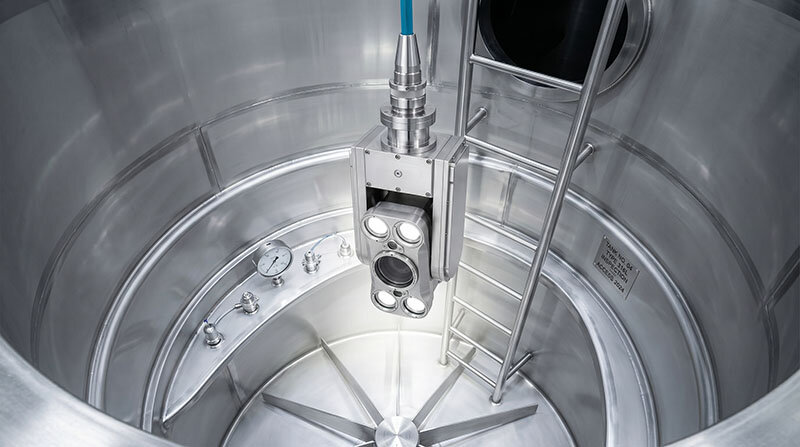
RVI helps inspect pipelines, pressure vessels, weld seams, and refinery equipment for corrosion and damage.
Manufacturing and Quality Control
Manufacturers use remote visual inspection for casting inspection, weld inspection, cavity inspection, and internal defect detection.
Advantages of Remote Visual Inspection
Non-destructive inspection method
Reduce equipment downtime
No disassembly required
Improve maintenance efficiency
Increase inspection safety
Reduce maintenance cost
Real-time image documentation
Access hard-to-reach areas
Remote Visual Inspection vs Traditional Inspection
| Feature | Traditional Inspection | Remote Visual Inspection |
|---|---|---|
| Disassembly Required | Often Required | Usually Not Required |
| Inspection Speed | Slower | Faster |
| Equipment Downtime | Higher | Lower |
| Inspection Accessibility | Limited | Excellent |
| Safety | Higher Risk | Improved Safety |
Key Features of Modern RVI Systems
Probe Diameter
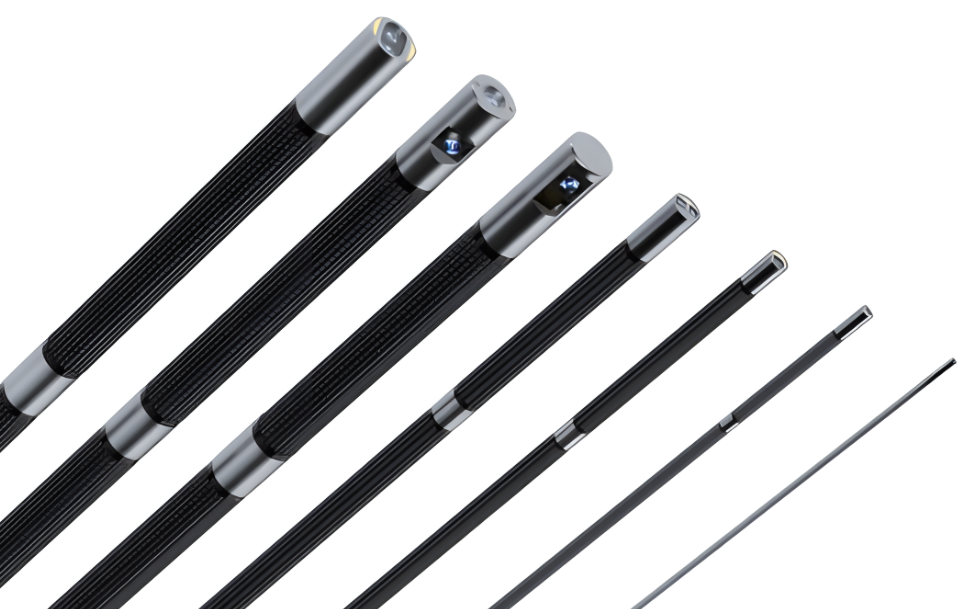
Different probe diameters are available depending on the inspection access size and application requirements.
Articulation
2-way and 4-way articulation allow operators to navigate inside complex internal structures.
Image Quality
HD image sensors improve defect visibility and inspection accuracy.
Recording and Reporting
Most modern RVI systems support image capture, video recording, and inspection report generation.
Typical Industries Using RVI
Aerospace
Automotive
Power Generation
Oil and Gas
Manufacturing
Pipeline Inspection
Railway Maintenance
Marine Industry
Recommended RVI Solutions
RVI Infinity Innovation provides portable remote visual inspection systems for industrial applications.
Inspector Plus – Portable industrial videoscope platform with interchangeable probes.
Inspector Touch – Advanced touchscreen RVI system with HD imaging and smart inspection features.
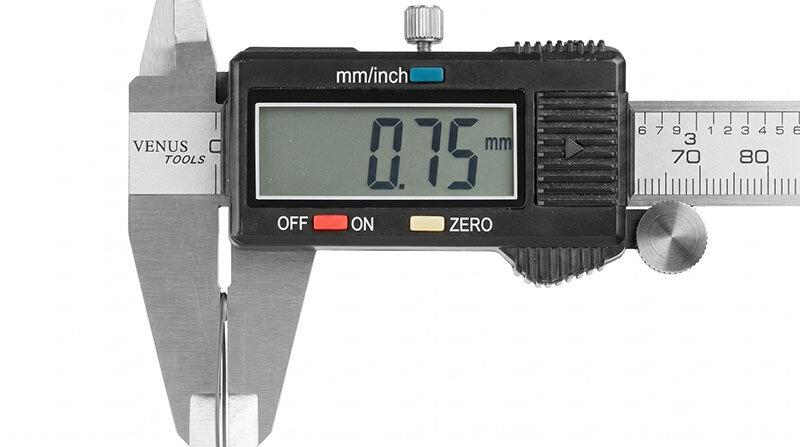
Available probe diameters range from 0.95 mm ultra-thin probes to 6 mm HD articulation probes for various inspection tasks.
FAQ
What does RVI stand for?
RVI stands for Remote Visual Inspection.
What is Remote Visual Inspection used for?
Remote Visual Inspection is used to inspect internal or inaccessible areas of industrial equipment without disassembly.
What industries use RVI systems?
RVI systems are widely used in aerospace, automotive, oil & gas, power generation, manufacturing, and industrial maintenance.
What is the difference between RVI and borescope inspection?
Borescope inspection is one type of Remote Visual Inspection. RVI is the broader inspection method that includes videoscopes, borescopes, fiberscopes, and robotic inspection systems.
Can RVI systems record images and videos?
Yes. Most modern RVI systems support image capture, video recording, and digital inspection reporting.
Conclusion
Remote Visual Inspection has become an essential inspection technology across modern industries. It improves inspection efficiency, reduces downtime, increases safety, and enables accurate internal inspections without destructive disassembly.
With continuous advancements in industrial videoscope technology, RVI systems are becoming more portable, intelligent, and capable of handling increasingly complex inspection tasks.
Related Guides: