Videoscope vs Borescope
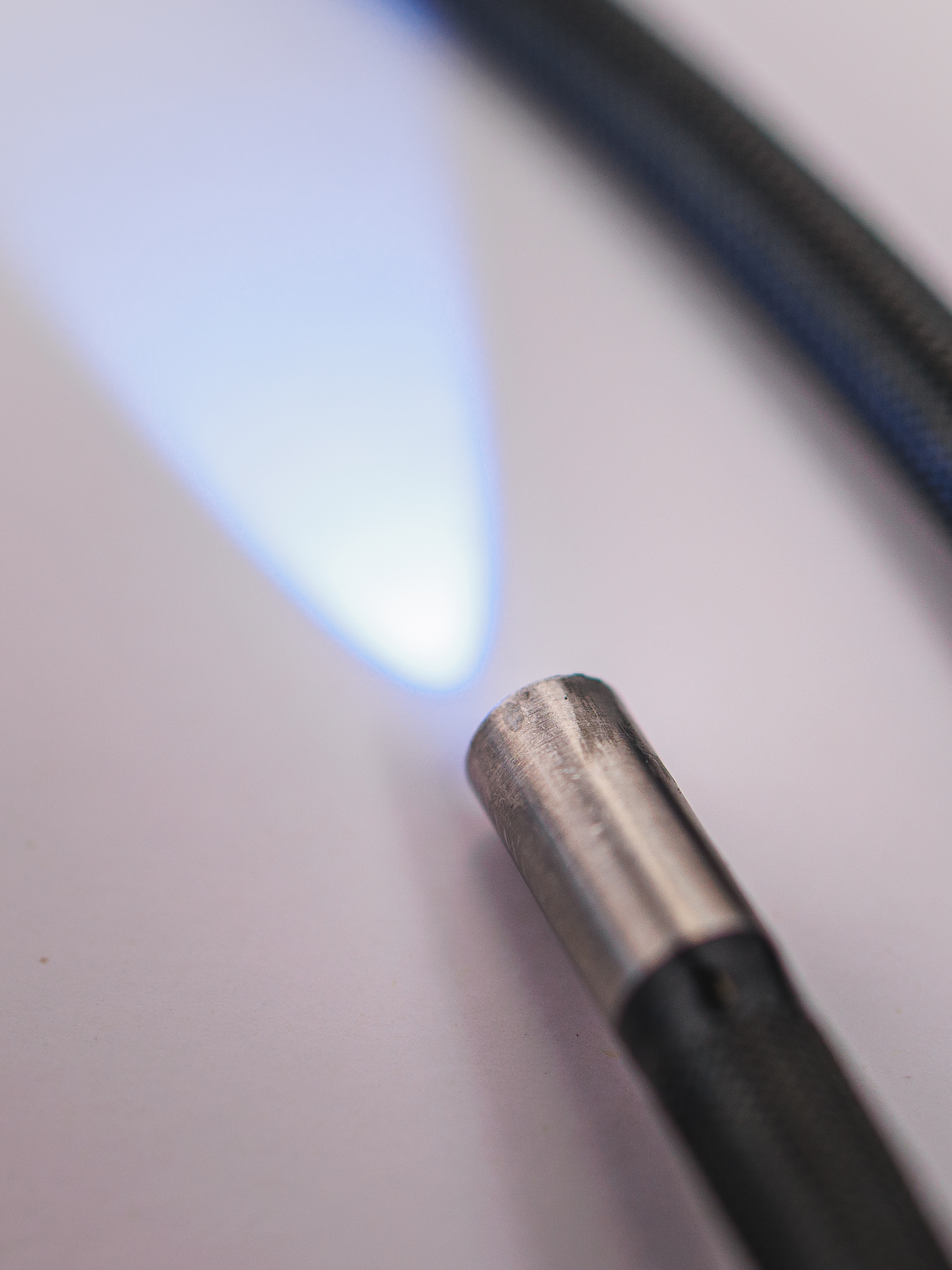
Videoscope vs borescope: what are the differences? This guide explains the key differences between industrial videoscopes and borescopes, including image technology, flexibility, articulation, recording capability, applications, and how to choose the right remote visual inspection tool for industrial inspections.
Videoscope vs Borescope
Videoscopes and borescopes are both inspection tools used for remote visual inspection (RVI) and non-destructive testing (NDT). They help inspectors examine internal or hard-to-reach areas without disassembling equipment.
Although the terms are sometimes used interchangeably, there are important differences between industrial videoscopes and traditional borescopes in terms of technology, flexibility, image display, recording capability, and inspection applications.
What is a Videoscope
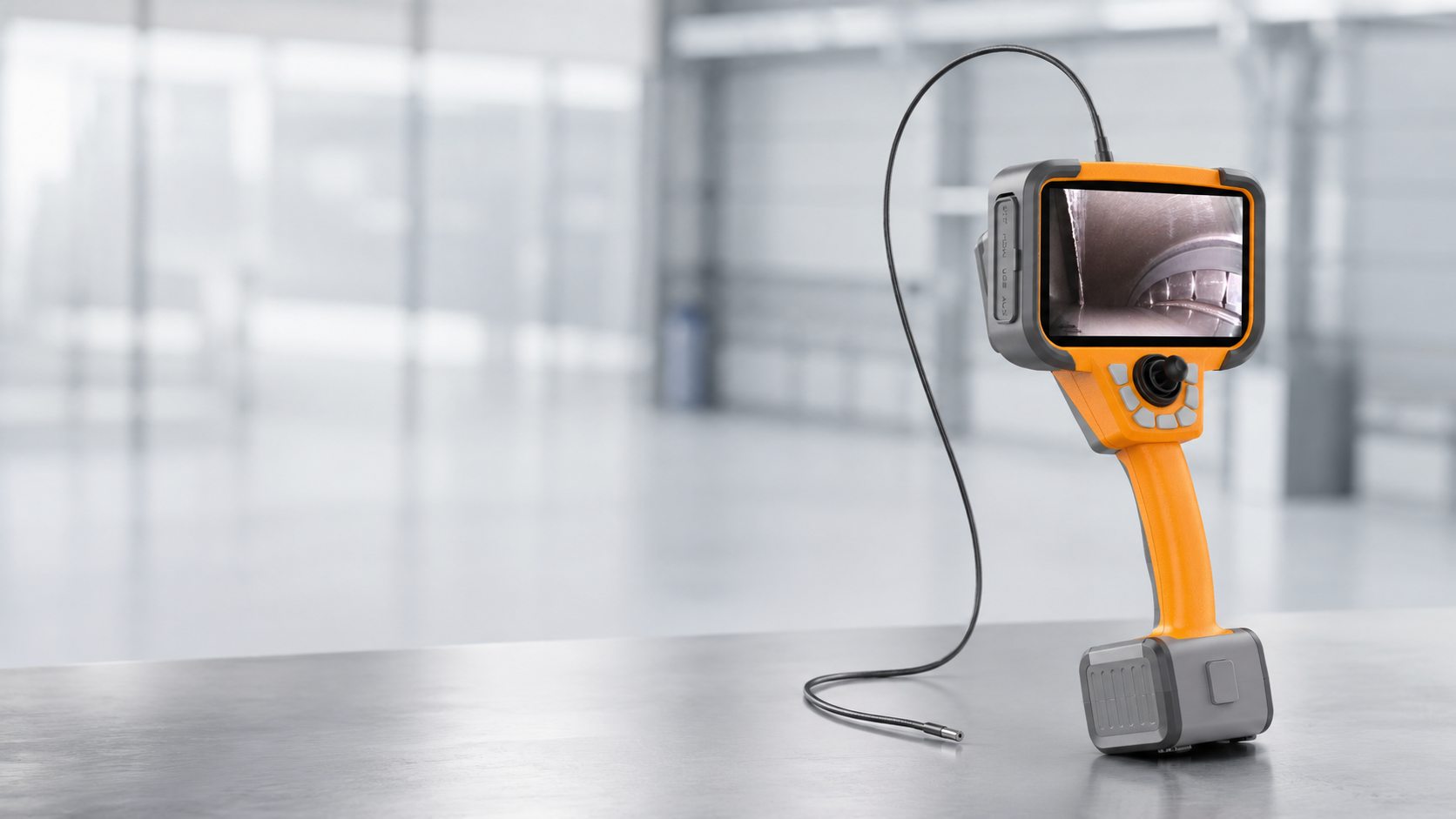
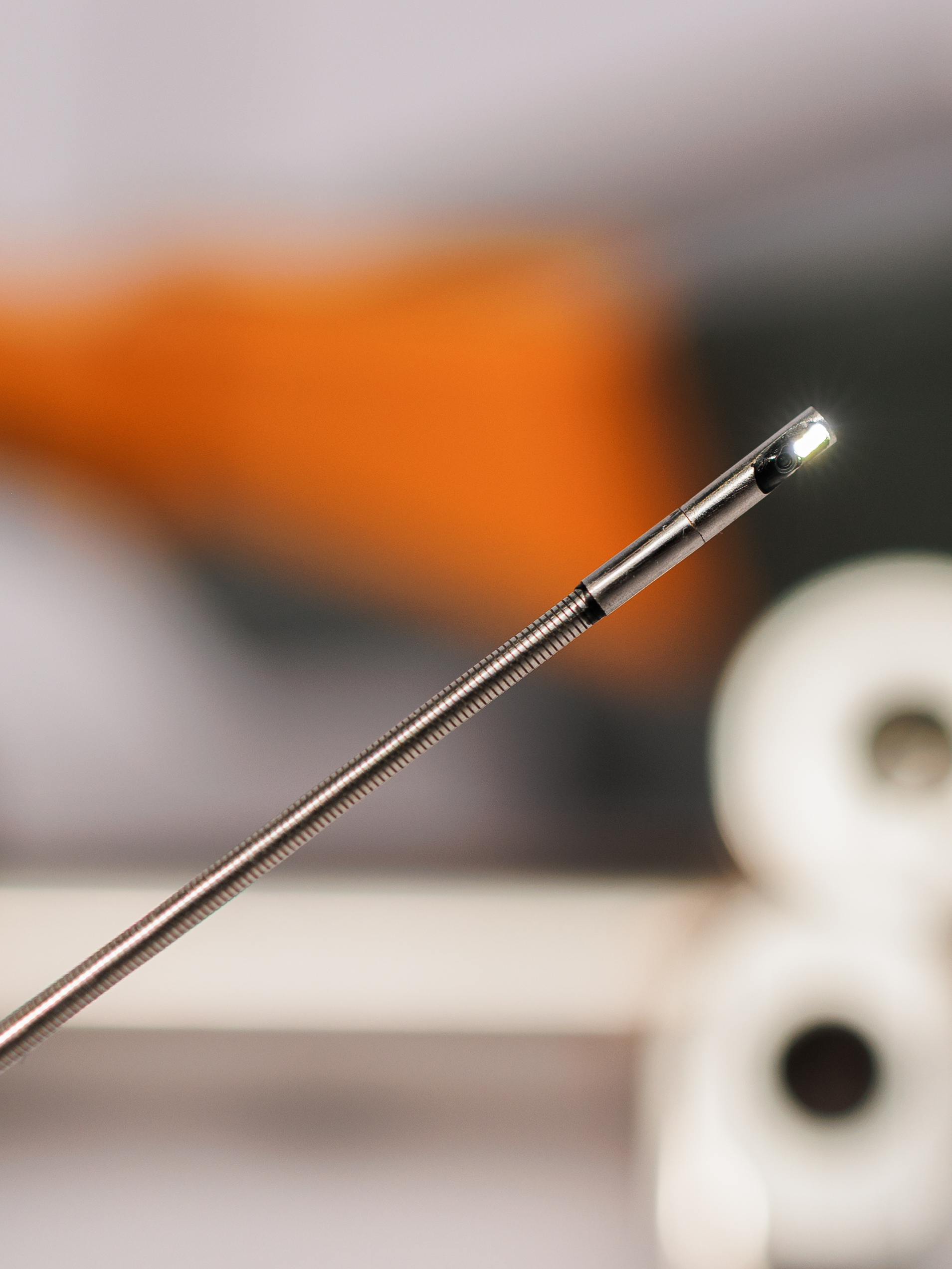
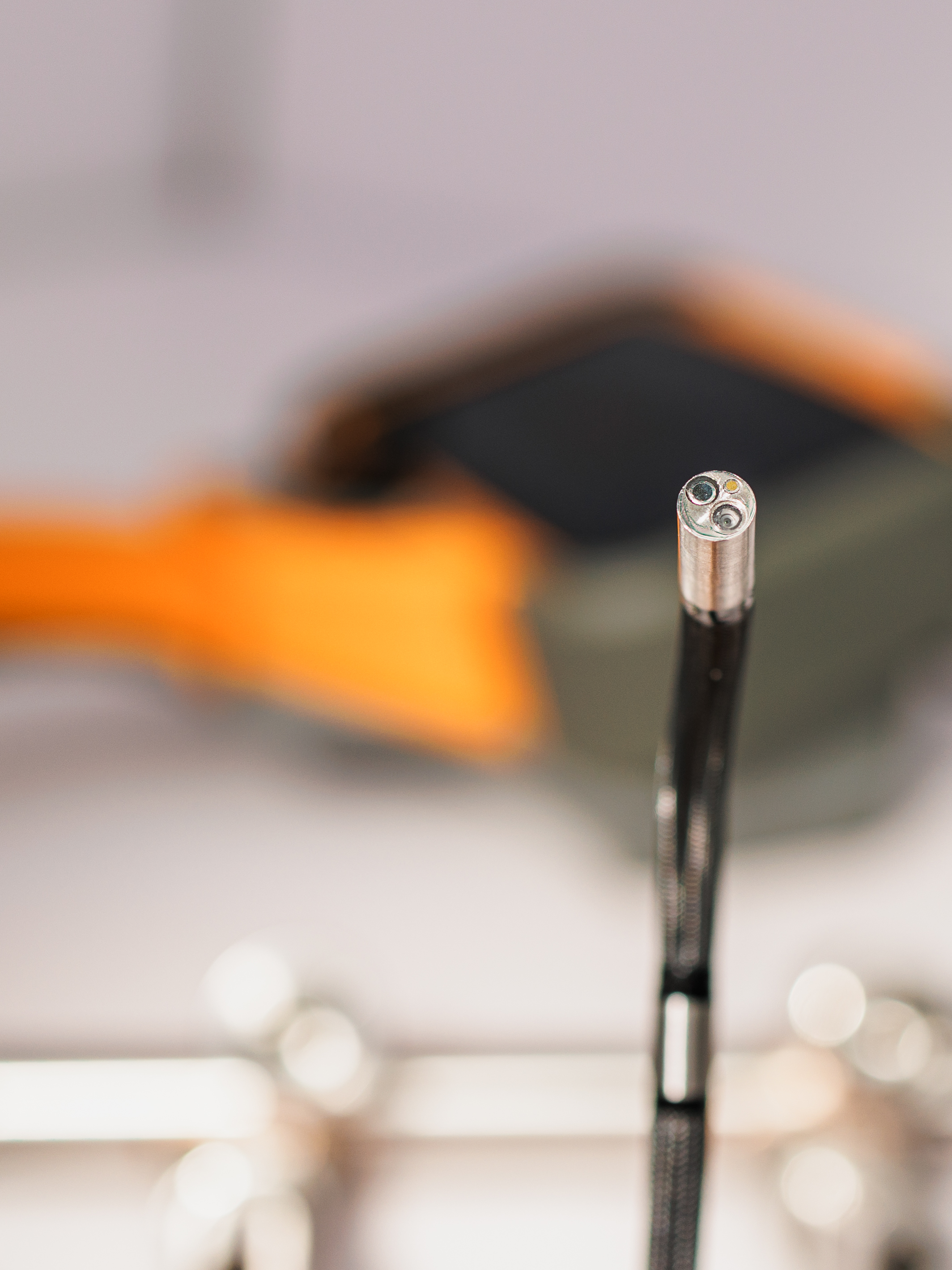
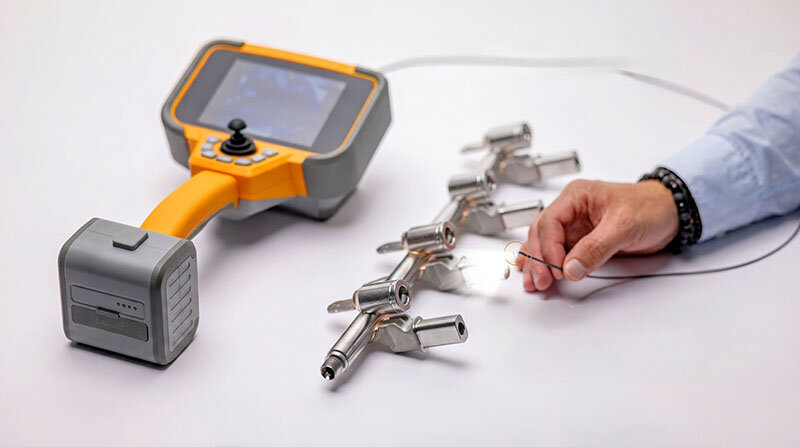
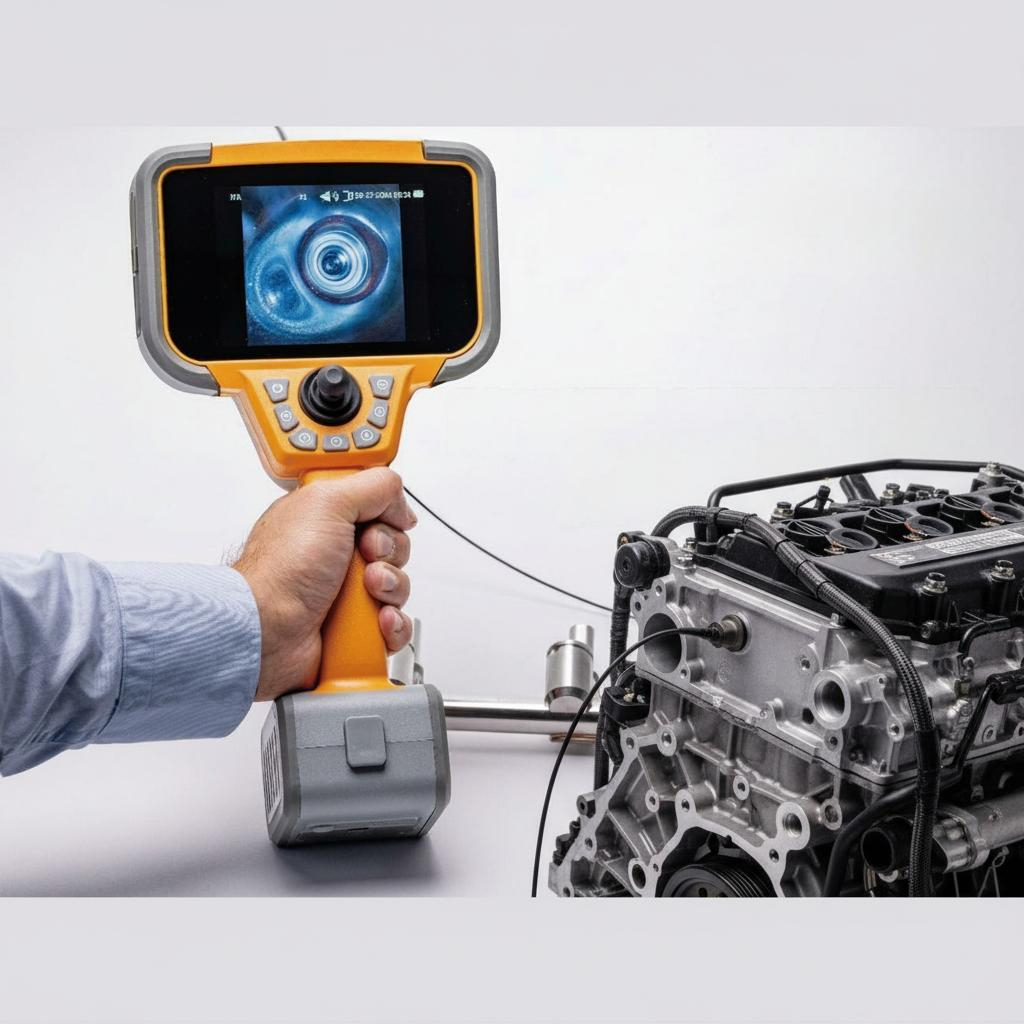
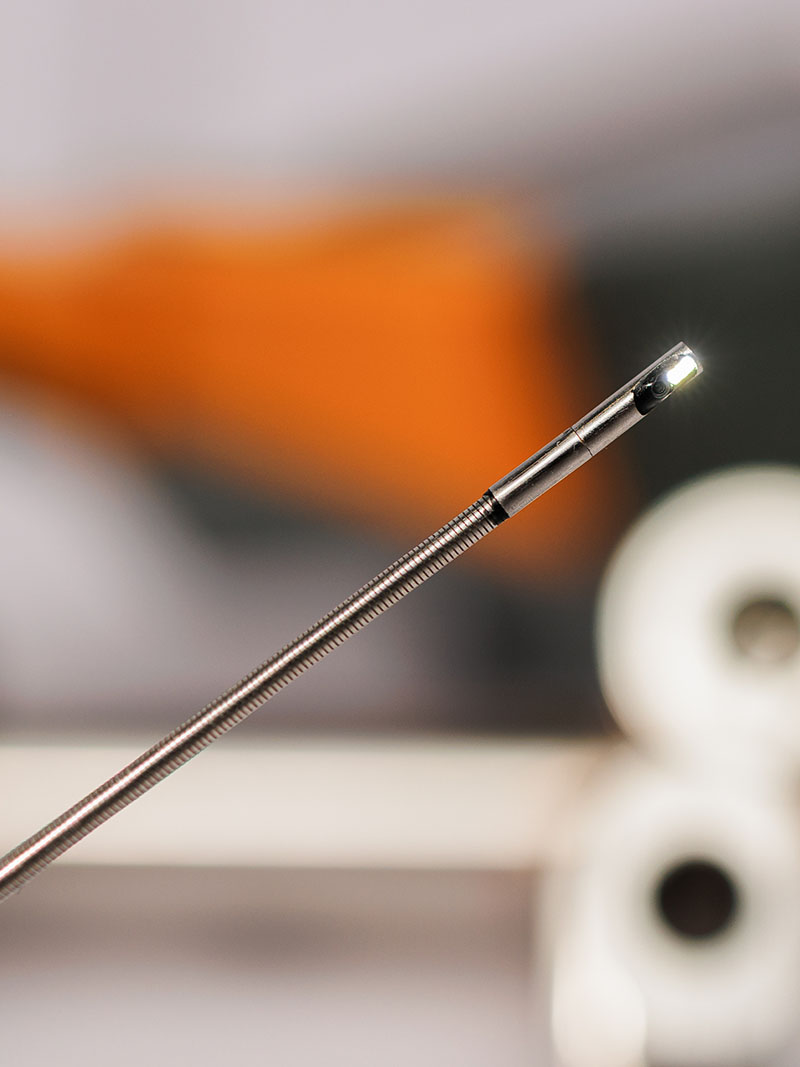
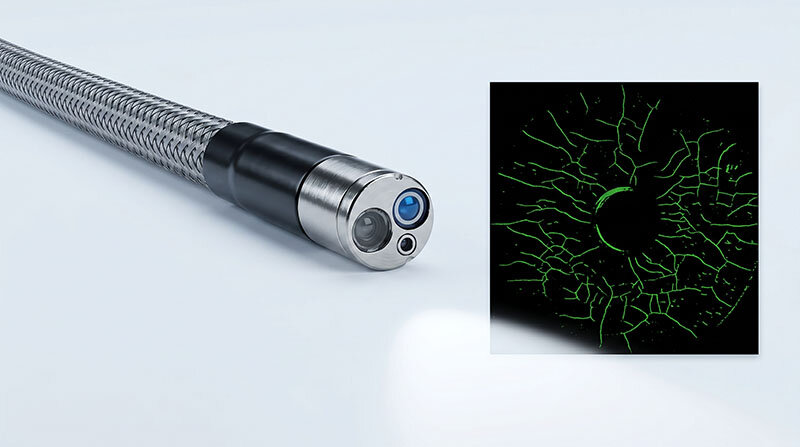
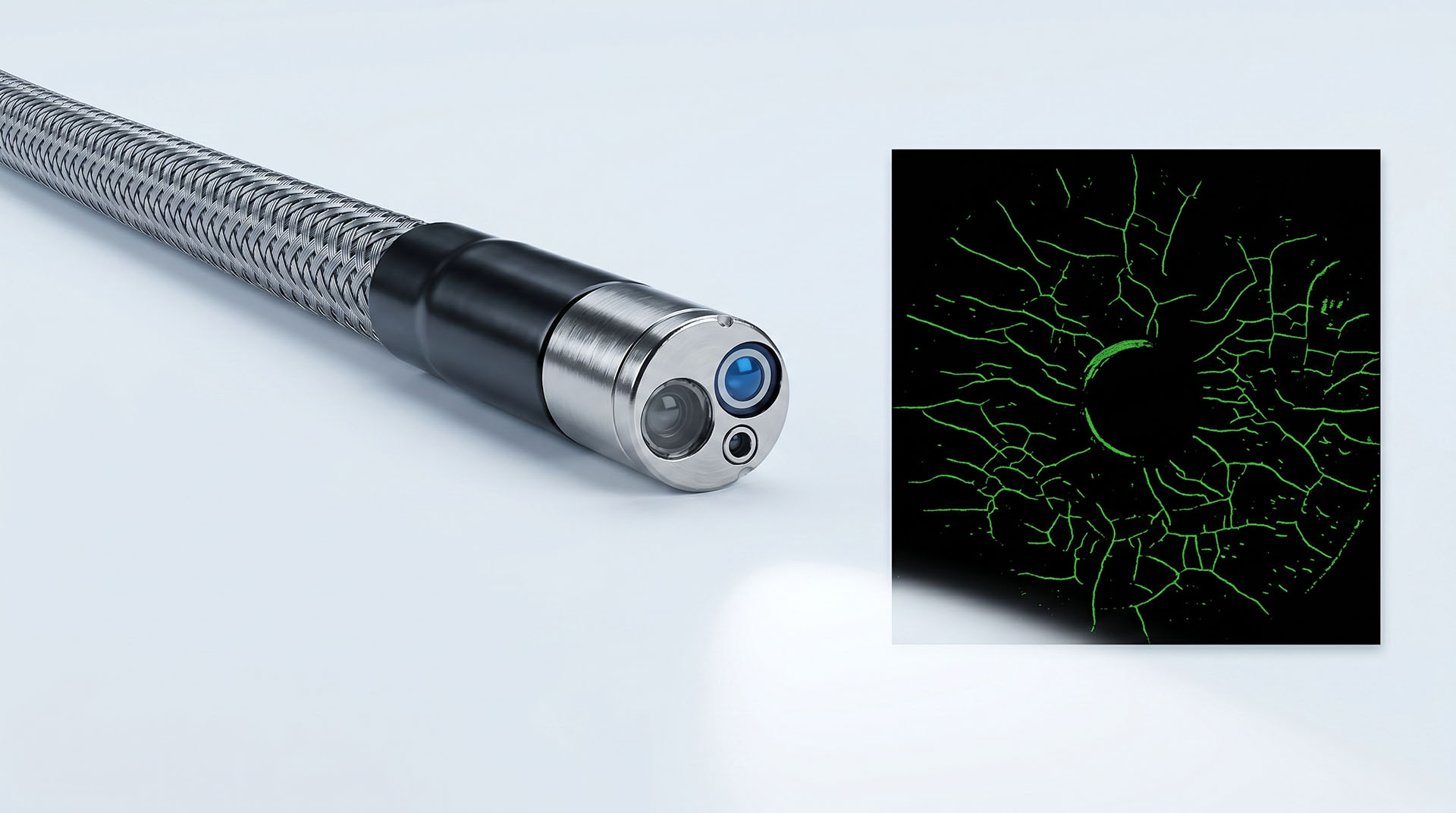
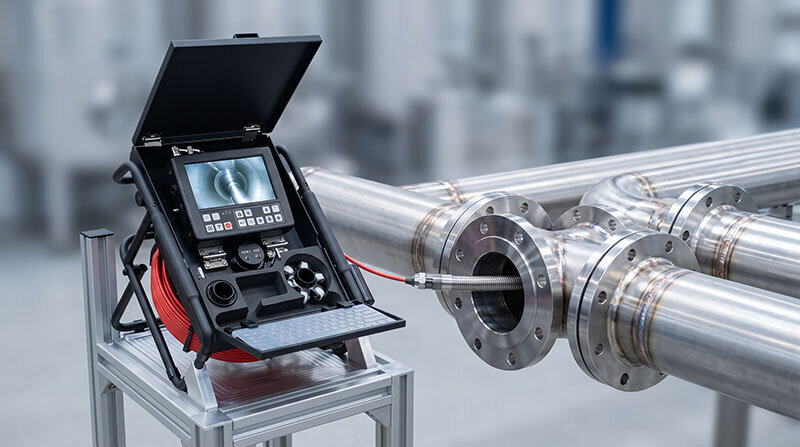
A videoscope is a digital inspection device that uses a miniature camera at the tip of a flexible insertion probe. The live image is displayed on a monitor or handheld screen in real time.
Modern industrial videoscopes usually include:
HD digital camera
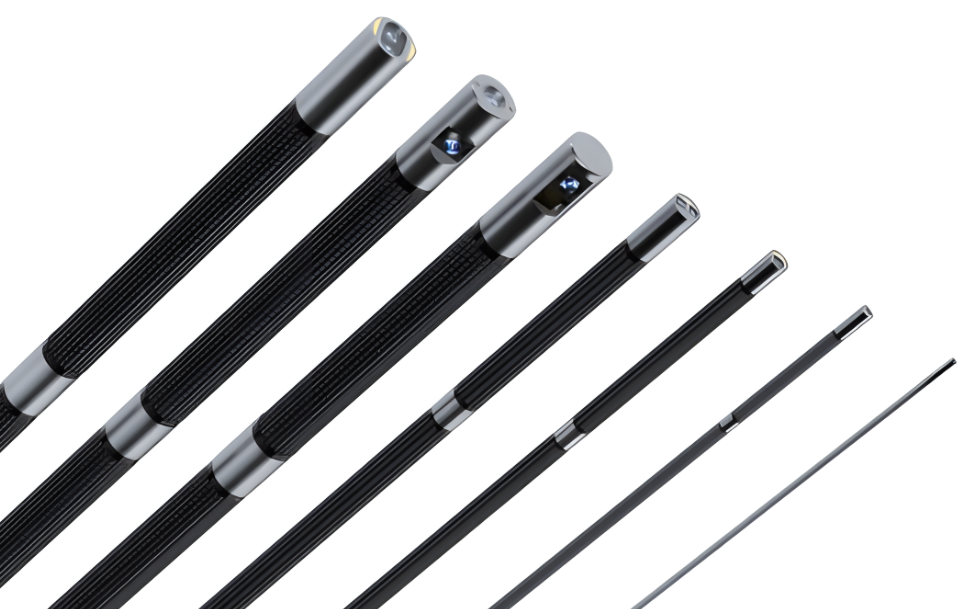
Flexible articulation probe
LED illumination
Photo and video recording
Image annotation
Touchscreen interface
Wireless data transfer
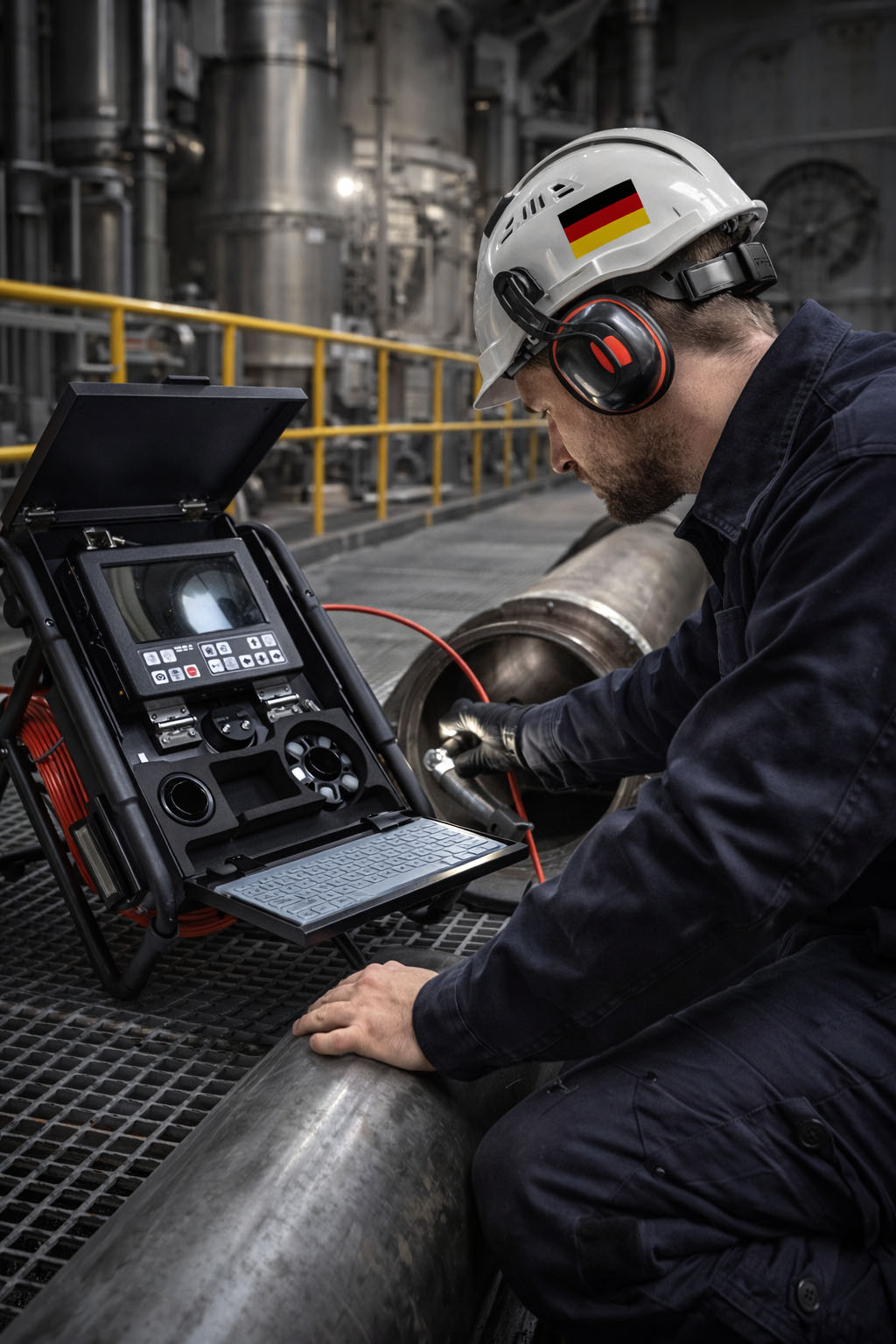
Videoscopes are widely used in aerospace, automotive, power generation, manufacturing, and industrial maintenance.
What is a Borescope
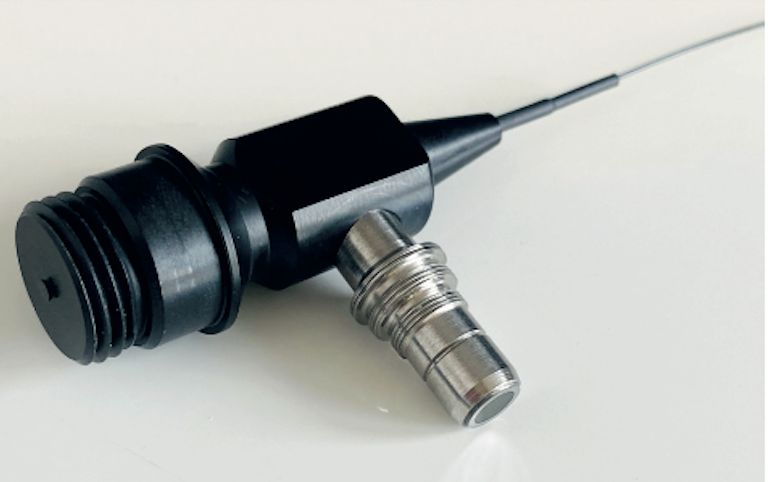
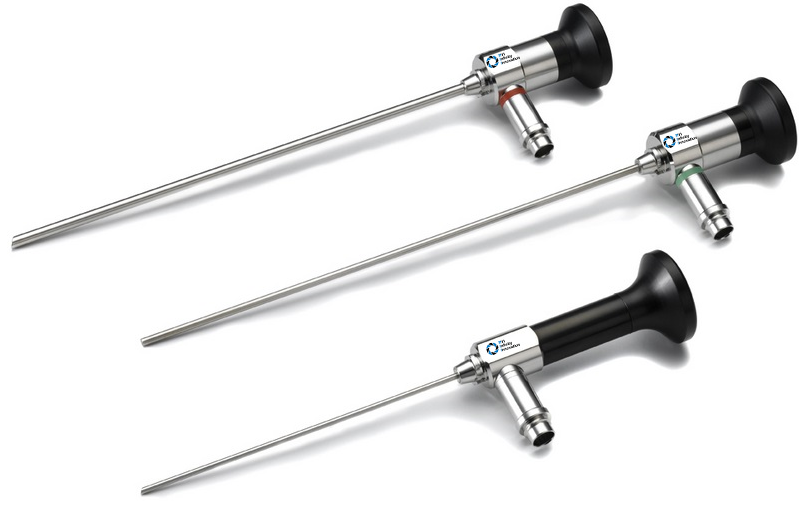
A borescope is an optical inspection instrument designed to inspect internal spaces through a rigid or semi-rigid tube. Traditional borescopes transmit images optically through lenses or fiber optics to an eyepiece.
Borescopes are commonly used for:
Straight-line inspections
Precision optical inspection
Laboratory applications
Industrial maintenance
Automotive inspection
Some modern digital borescopes also include camera systems and screens, which can create overlap between borescopes and videoscopes.
Main Differences Between Videoscope and Borescope
| Feature | Videoscope | Borescope |
|---|---|---|
| Image Technology | Digital Camera | Optical Lens / Fiber Optic |
| Display Method | Monitor or Screen | Eyepiece or Screen |
| Flexibility | Flexible Probe | Usually Rigid |
| Articulation | 2-way / 4-way | Limited or None |
| Recording Capability | Photo & Video Recording | Limited on Traditional Models |
| Inspection Access | Complex Internal Paths | Straight Access Areas |
| Typical Applications | Industrial RVI | Optical Inspection |
Advantages of Videoscopes
Flexible access to complex internal areas
Real-time digital image display
Easy photo and video documentation
HD image quality
Advanced articulation control
Portable inspection systems
Suitable for industrial maintenance
Advantages of Borescopes
Excellent optical image quality
Simple mechanical structure
Reliable for straight inspections
Suitable for small-diameter applications
Often lower cost
When to Use a Videoscope
Videoscopes are ideal for inspections involving:
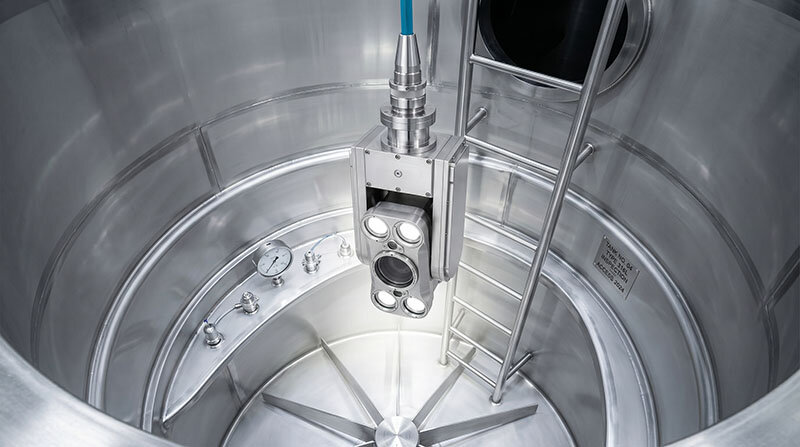
Complex internal geometries
Long inspection distances
Engine inspection
Turbine inspection
Pipeline inspection
Industrial maintenance
Digital inspection reporting
When to Use a Borescope
Borescopes are suitable for:
Straight access inspections
Simple visual checks
Laboratory environments
Optical precision inspections
Applications requiring rigid probes
Rigid Borescope vs Flexible Videoscope
| Feature | Rigid Borescope | Flexible Videoscope |
|---|---|---|
| Structure | Rigid Tube | Flexible Insertion Tube |
| Navigation | Straight Path Only | Can Navigate Curves |
| Image System | Optical | Digital Camera |
| Recording | Optional | Standard |
| Typical Industry | Precision Inspection | Industrial RVI |
Industrial Applications
Aerospace Inspection
Videoscopes are commonly used for turbine blade inspection, aircraft engine inspection, and combustion chamber inspection.
Automotive Inspection
Both borescopes and videoscopes are used for cylinder inspection, piston inspection, and engine diagnostics.
Manufacturing
Industrial videoscopes help inspect castings, welds, cavities, and internal manufacturing defects.
Power Generation
Videoscopes are widely used for turbine and boiler inspections in power plants.
Choosing the Right Inspection Tool
Choosing between a videoscope and a borescope depends on:
Inspection accessibility
Required image quality
Need for articulation
Inspection distance
Documentation requirements
Budget considerations
For modern industrial remote visual inspection applications, videoscopes are generally preferred because they provide greater flexibility, digital recording capability, and easier operation.
Recommended Industrial Videoscope Solutions
RVI Infinity Innovation offers portable industrial videoscope systems for professional remote visual inspection applications.
Inspector Plus – Portable industrial videoscope with interchangeable probes.
Inspector Touch – Advanced touchscreen videoscope system with HD imaging and smart inspection functions.
Available probe diameters range from 0.95 mm ultra-thin probes to 6 mm HD articulation probes for various industrial inspections.
FAQ
Is a videoscope the same as a borescope?
Not exactly. A videoscope is a digital inspection device using a camera and screen, while a traditional borescope uses optical lenses or fiber optics for visual inspection.
Which is better: videoscope or borescope?
It depends on the application. Videoscopes are better for complex industrial inspections, while borescopes are suitable for simple straight-line inspections.
Can borescopes record videos?
Traditional optical borescopes usually cannot record videos, but modern digital borescopes may support image and video capture.
Why are videoscopes widely used in industrial inspection?
Videoscopes provide flexible access, HD imaging, articulation control, and digital documentation, making them ideal for industrial remote visual inspection.
Conclusion
Both videoscopes and borescopes are valuable inspection tools for remote visual inspection applications. However, modern industrial inspections increasingly rely on videoscope technology due to its flexibility, digital imaging capability, and advanced inspection functions.
Understanding the differences between videoscopes and borescopes helps users select the right inspection solution for their application requirements.
Related Guides: