How Articulation Works
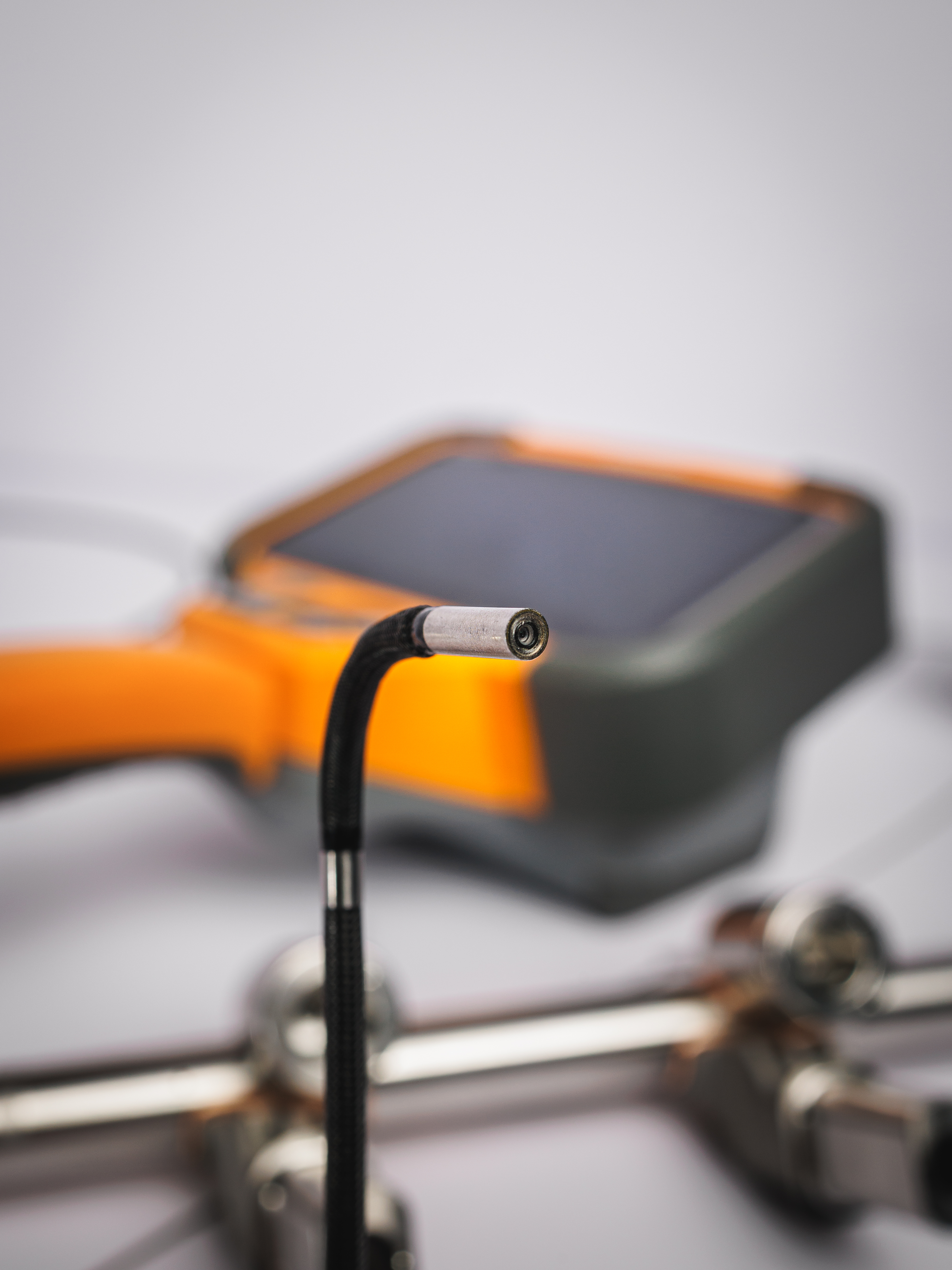
How does articulation work in industrial videoscopes? This guide explains the working principles of videoscope articulation systems, including 2-way and 4-way articulation, bending mechanisms, probe steering technology, applications, advantages, limitations, and maintenance considerations for remote visual inspection systems.
How Articulation Works in Industrial Videoscopes
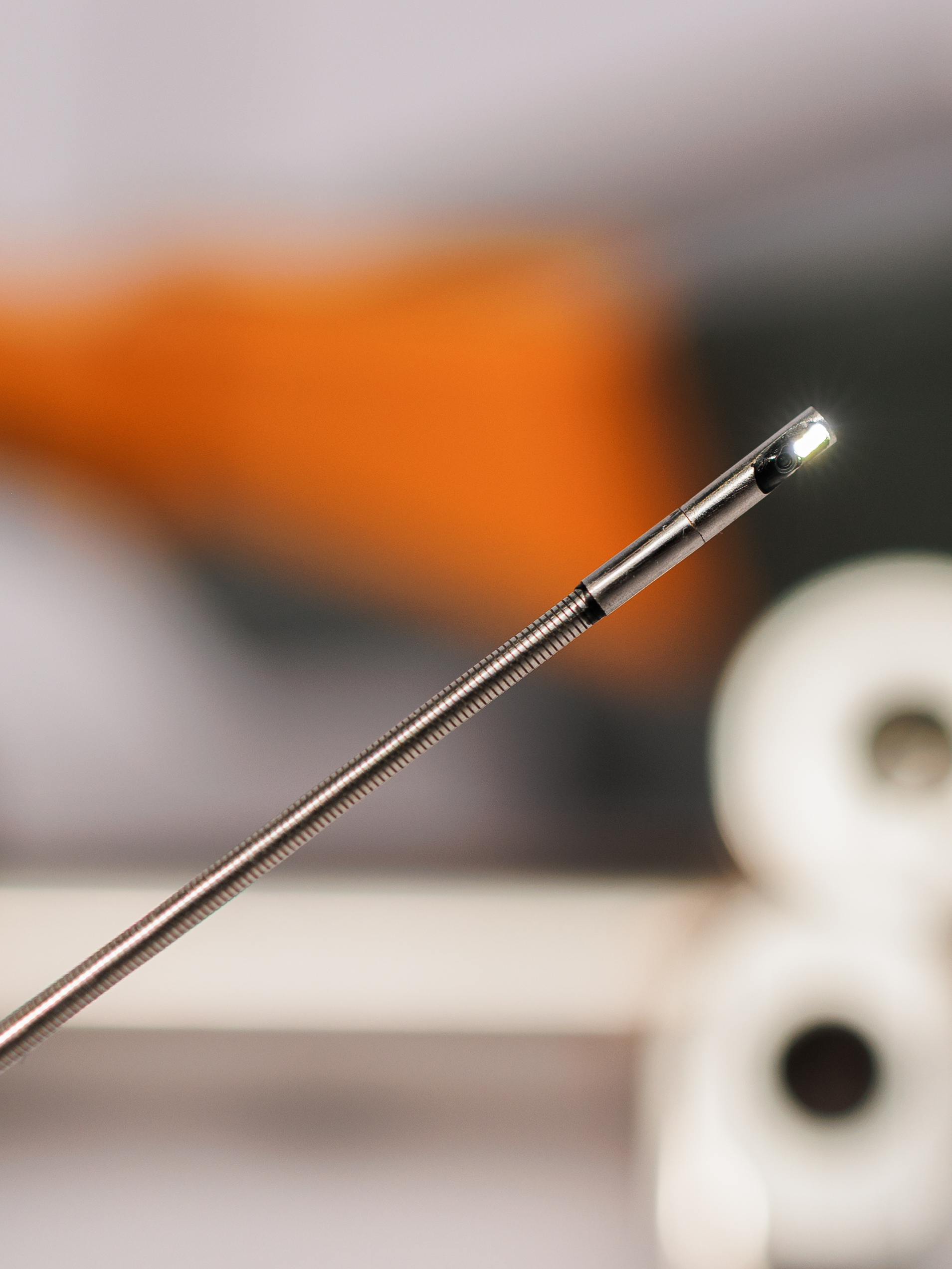
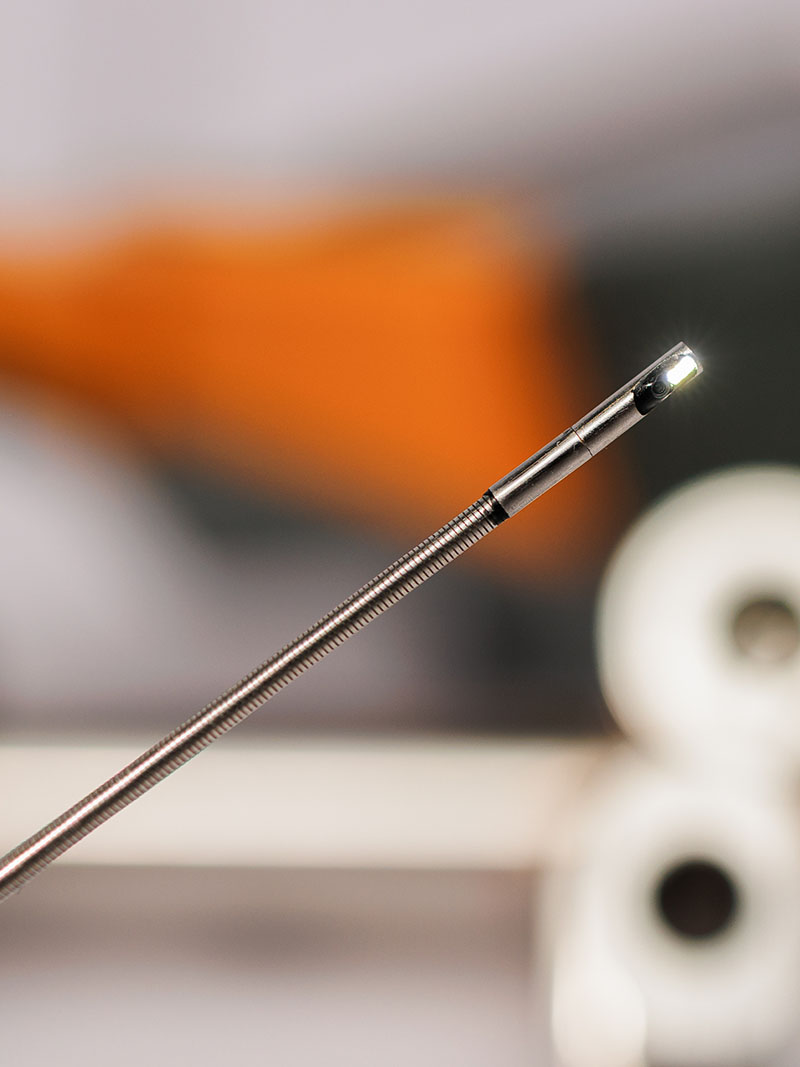
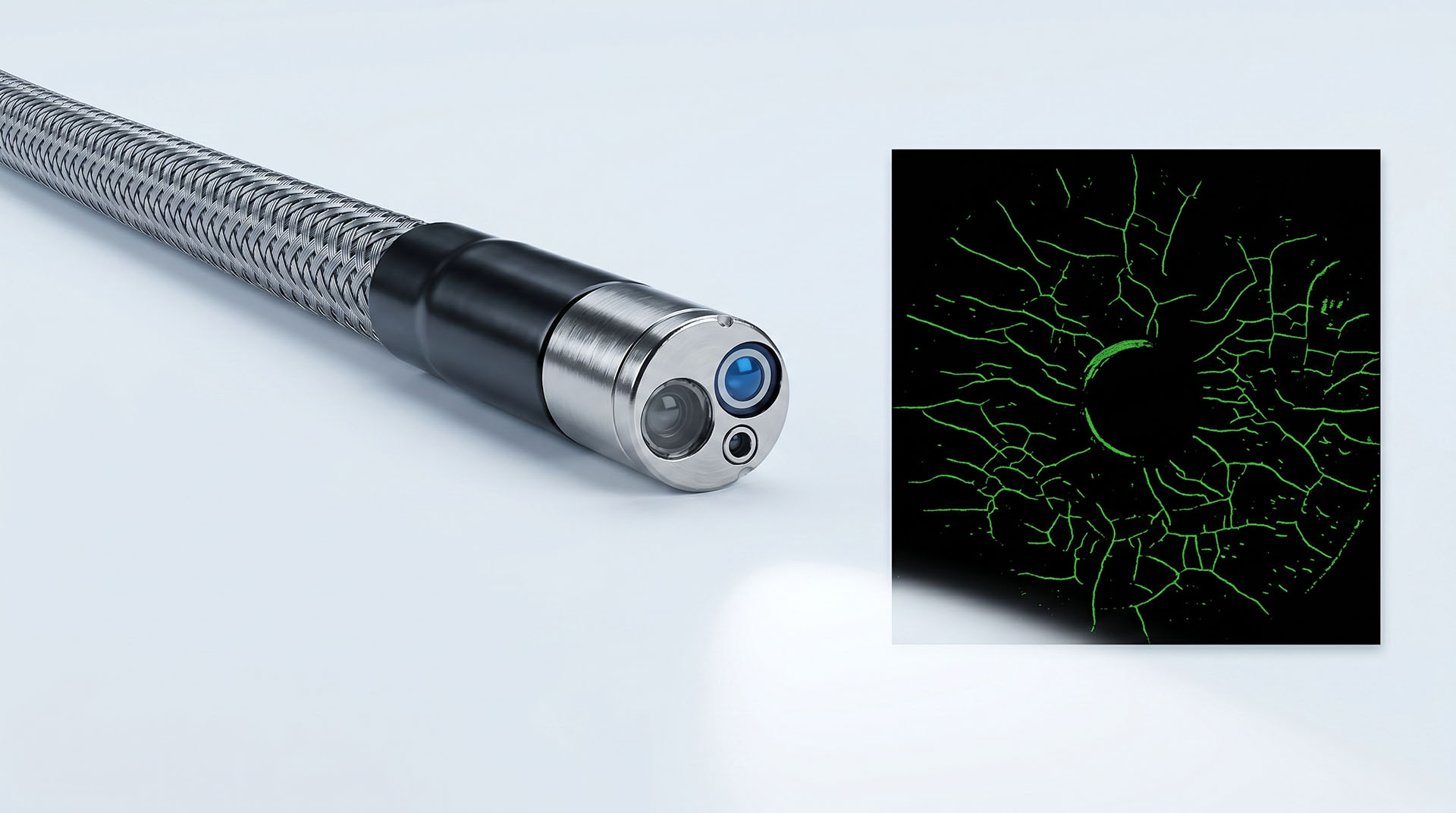
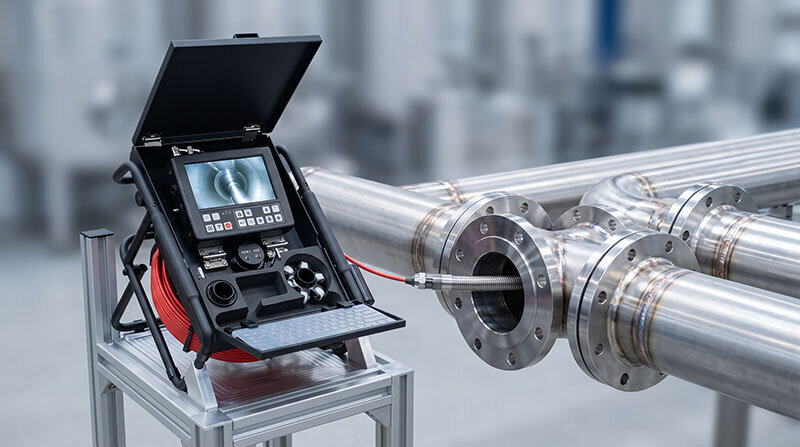
Articulation is one of the most important technologies in modern industrial videoscopes. It allows the insertion probe tip to bend and navigate inside complex internal structures during remote visual inspection (RVI).
Without articulation, inspection cameras could only move in a straight direction, making it difficult or impossible to inspect curved pathways, hidden areas, or components behind obstacles.
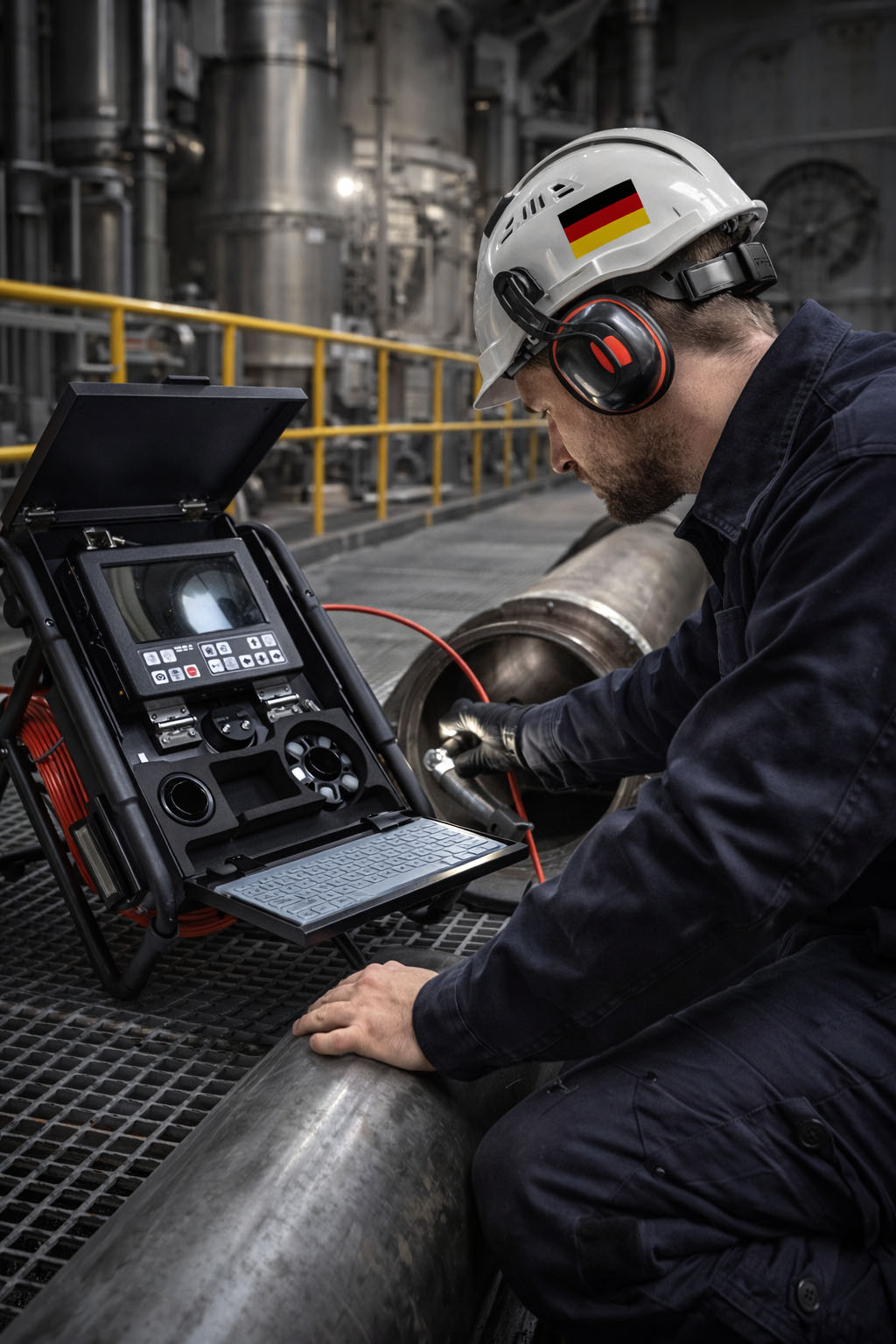
Industrial videoscope articulation systems are widely used in aerospace, automotive, power generation, manufacturing, and industrial maintenance inspections.
What is Articulation
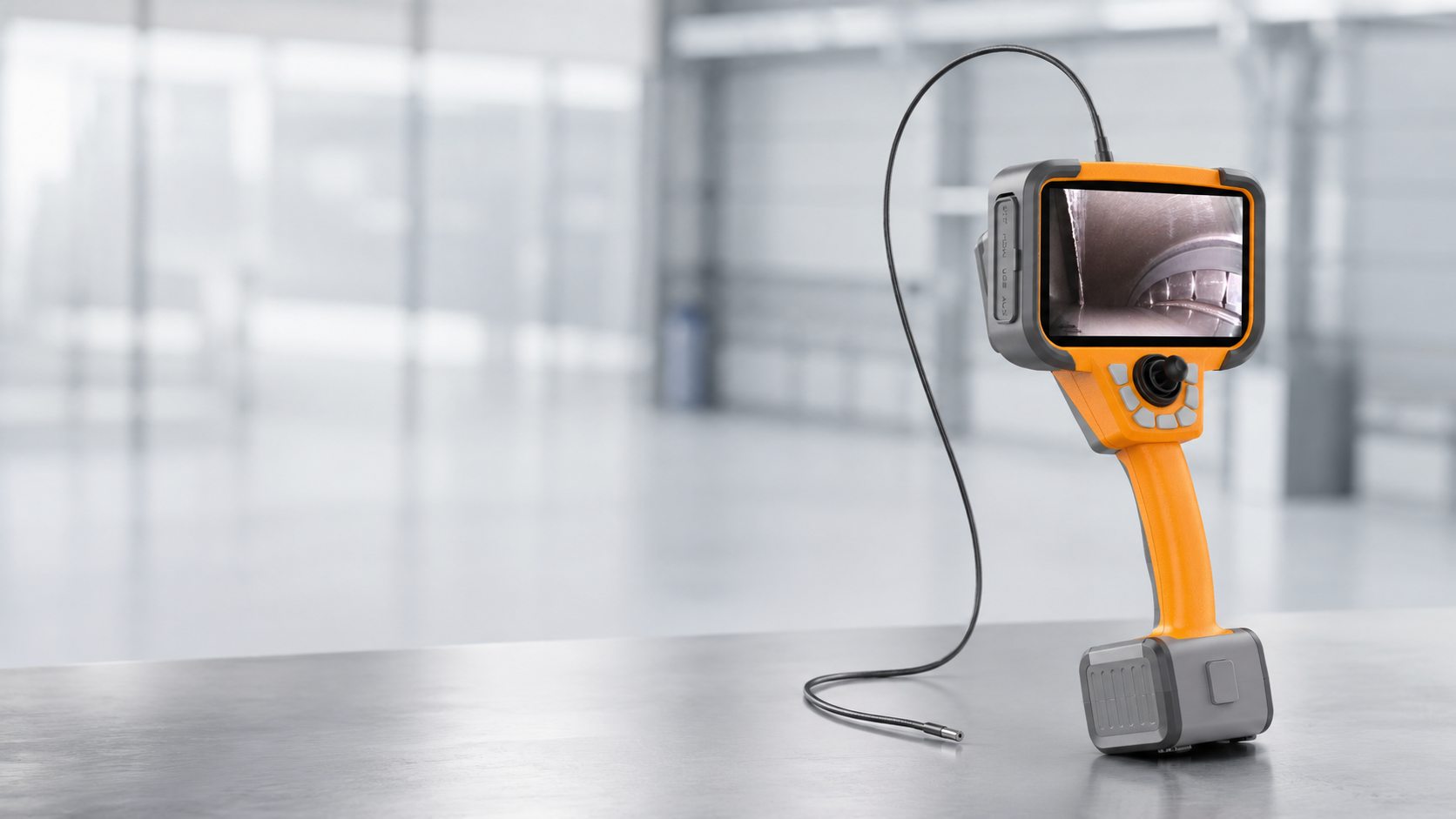
Articulation refers to the controlled bending movement of the videoscope probe tip. The operator can steer the tip in different directions using a joystick, control wheel, or motorized system.
This enables the camera to:
Navigate curved internal structures
Inspect hidden surfaces
View around corners
Position the camera accurately
Improve inspection coverage
How Articulation Mechanisms Work
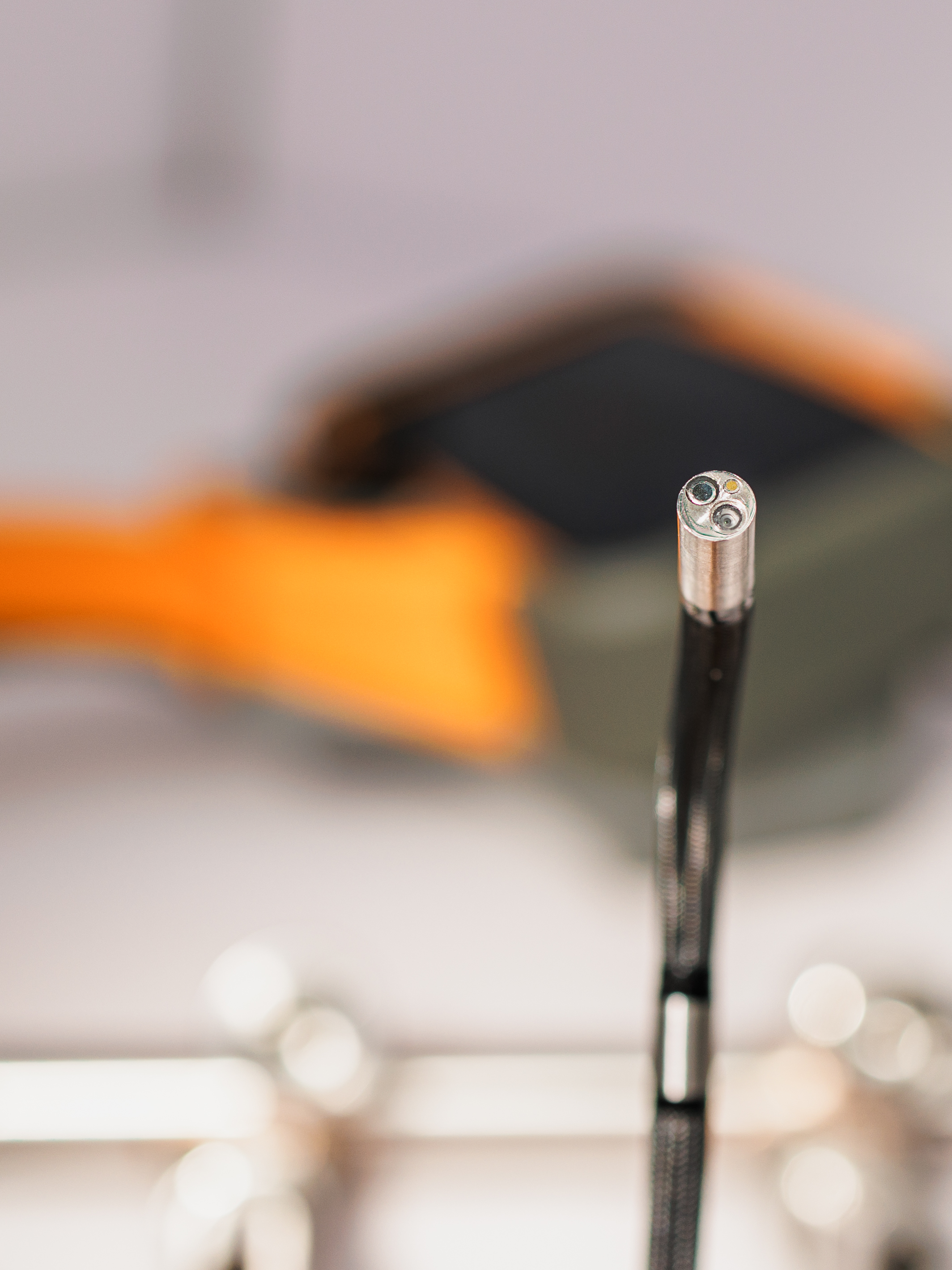
Most industrial videoscopes use mechanical articulation systems based on tension wires or control cables running through the insertion tube.
When the operator moves the articulation control, the tension wires pull the articulation section at the probe tip, causing it to bend in the desired direction.
Main Components of an Articulation System
Control joystick or wheel
Tension wires or articulation cables
Flexible articulation section
Insertion tube
Probe tip camera module
2-Way Articulation
2-way articulation allows the probe tip to bend in two directions, typically up and down.
This design is simpler and commonly used in:
Small diameter probes
Basic industrial inspections
Straight inspection pathways
Cost-sensitive applications
Advantages of 2-Way Articulation
Simpler structure
Smaller probe diameter
Lower repair cost
Good for linear inspections
Limitations of 2-Way Articulation
Limited navigation flexibility
Cannot steer left and right independently
Reduced inspection coverage in complex geometries
4-Way Articulation
4-way articulation allows the probe tip to move up, down, left, and right for maximum inspection flexibility.
This is the most common articulation system in professional industrial videoscopes.
Advantages of 4-Way Articulation
Excellent navigation capability
Better inspection coverage
Easier access around obstacles
Ideal for complex internal structures
Higher inspection efficiency
Typical Applications of 4-Way Articulation
Aircraft engine inspection
Turbine inspection
Automotive engine inspection
Heat exchanger inspection
Pipeline inspection
Mechanical vs Motorized Articulation
| Feature | Mechanical Articulation | Motorized Articulation |
|---|---|---|
| Control Method | Manual Joystick/Wheel | Electronic Motor Control |
| Response Speed | Direct Mechanical Response | Smooth Electronic Movement |
| Complexity | Lower | Higher |
| Maintenance | Simpler | More Complex |
| Typical Use | Portable Videoscopes | Advanced Inspection Systems |
Articulation Radius and Bending Angle
The articulation performance of a videoscope is usually defined by:
Bending angle
Bending radius
Response sensitivity
Probe flexibility
Many industrial videoscopes provide articulation angles up to 120°–160° depending on probe diameter and construction.
Challenges of Articulation Systems
Articulation systems are among the most delicate mechanical parts of industrial videoscopes.
Common causes of articulation damage include:
Excessive bending force
Sharp insertion angles
Mechanical impact
Probe twisting
Improper handling
Wear over time
How to Protect Articulation Systems
Avoid excessive force during insertion
Do not force the probe through narrow passages
Release articulation before removing the probe
Store probes carefully
Avoid twisting the insertion tube
Perform regular maintenance checks
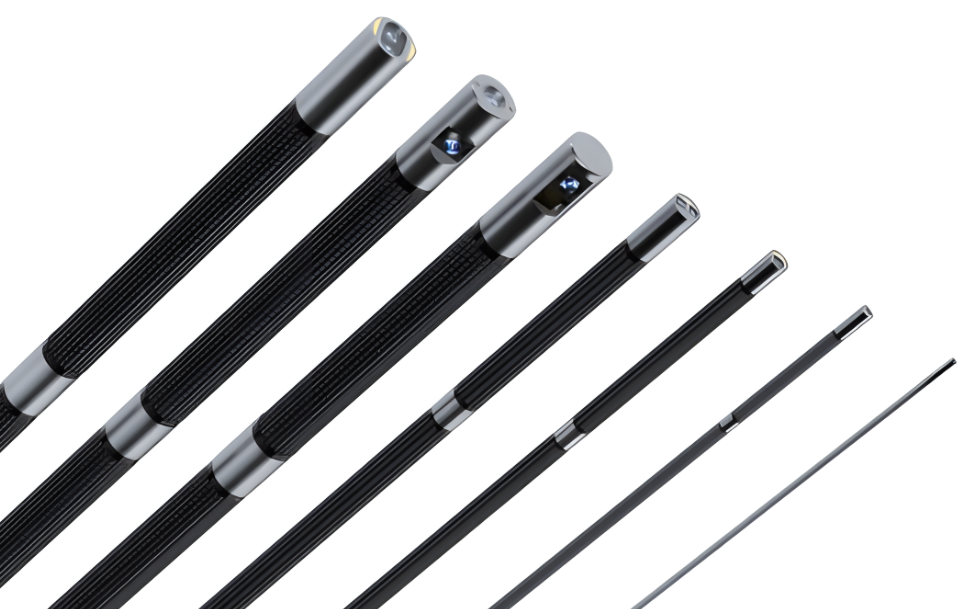
Small Diameter Probe Articulation
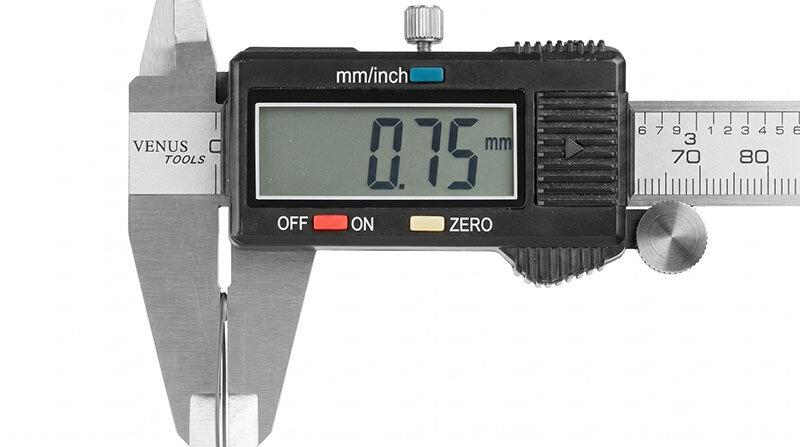
Miniature probes such as 1 mm, 1.2 mm, or 2.4 mm probes present significant engineering challenges because articulation components must fit into extremely limited internal space.
Smaller probes usually provide:
Reduced articulation angle
Shorter articulation section
More delicate mechanical structure
However, they enable access to very tight inspection areas that larger probes cannot reach.
Applications of Articulating Videoscopes
Aerospace Inspection
Articulating probes are essential for navigating aircraft engines and turbine sections.
Automotive Inspection
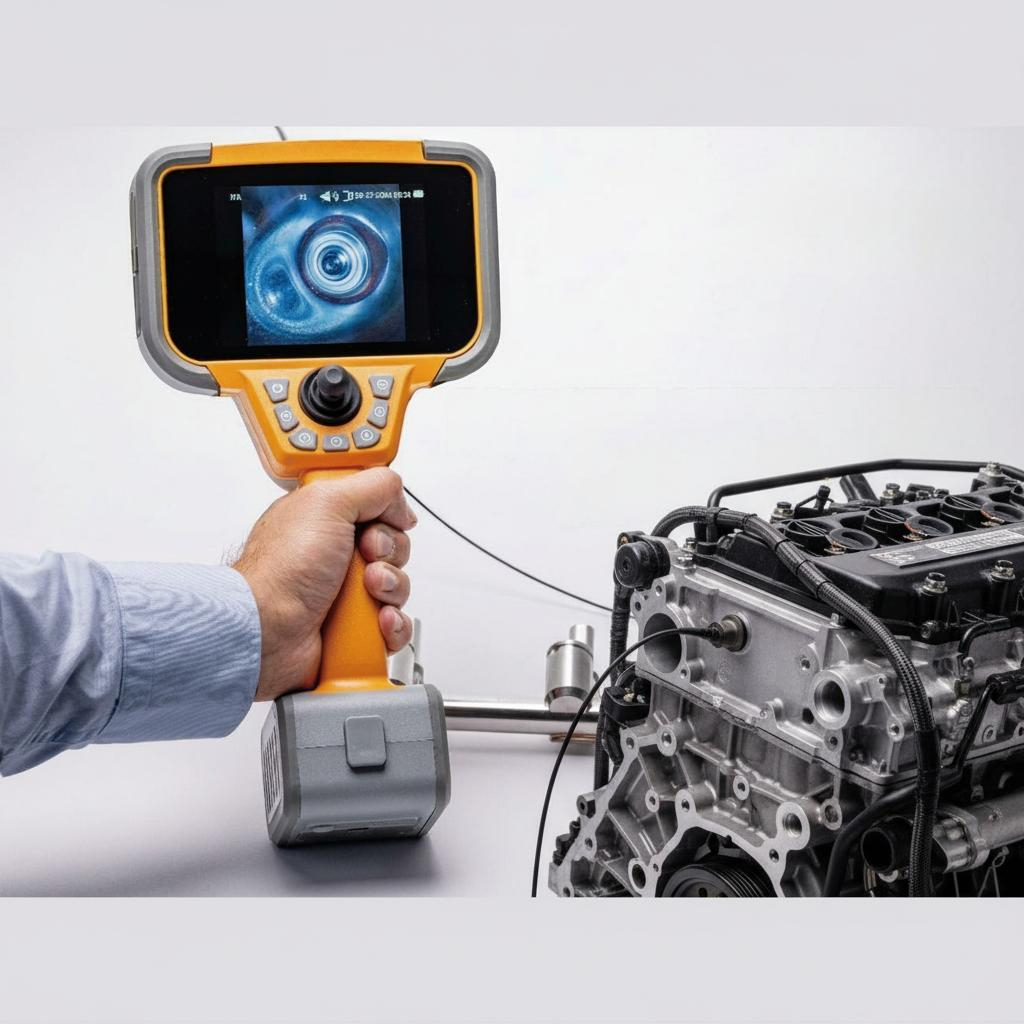
Technicians use articulation to inspect valves, pistons, combustion chambers, and hidden engine components.
Power Generation
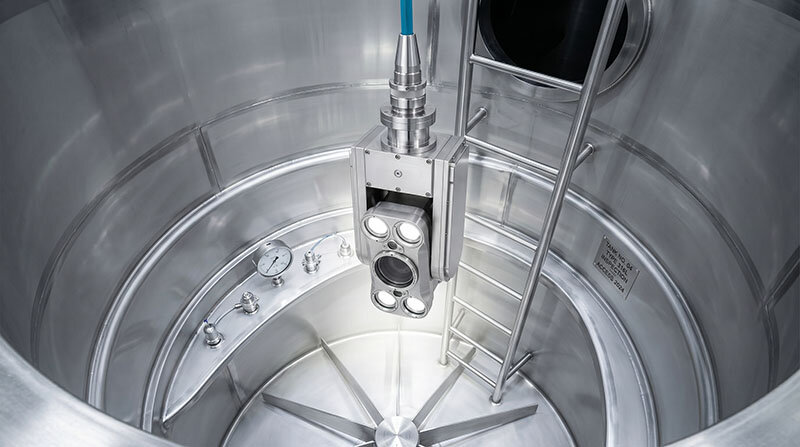
Turbines, boilers, and heat exchangers often require flexible articulation for internal inspection.
Manufacturing
Articulation enables inspection inside castings, cavities, molds, and complex industrial components.
Choosing Between 2-Way and 4-Way Articulation
| Requirement | Recommended System |
|---|---|
| Simple Straight Inspection | 2-Way Articulation |
| Complex Internal Geometry | 4-Way Articulation |
| Very Small Diameter Probe | 2-Way Often Preferred |
| Professional Industrial RVI | 4-Way Articulation |
| Budget Sensitive Applications | 2-Way Articulation |
Recommended Industrial Videoscope Solutions
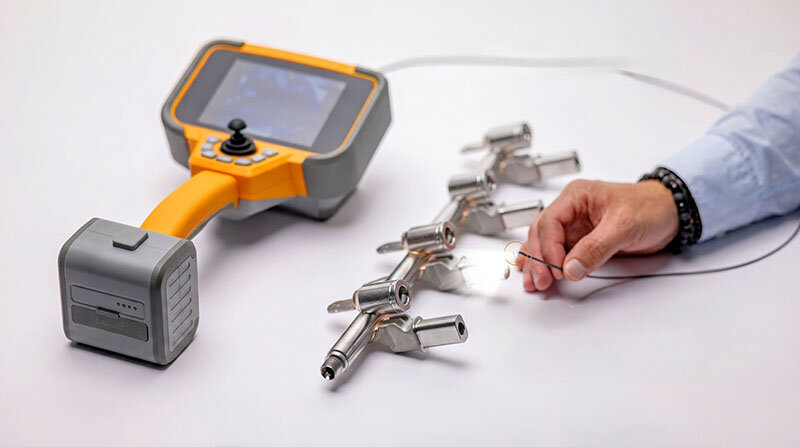
RVI Infinity Innovation provides industrial videoscope systems with professional articulation technology for remote visual inspection applications.
Inspector Plus – Portable industrial videoscope platform with interchangeable articulation probes.
Inspector Touch – Advanced touchscreen videoscope system with HD imaging and flexible probe control.
Available probe diameters range from ultra-thin 0.95 mm probes to 6 mm HD articulation probes for demanding industrial inspections.
FAQ
What is articulation in a videoscope?
Articulation is the bending movement of the probe tip that allows inspectors to steer the camera inside complex internal structures.
What is the difference between 2-way and 4-way articulation?
2-way articulation moves up and down, while 4-way articulation moves up, down, left, and right for greater inspection flexibility.
Why is articulation important?
Articulation allows inspectors to navigate around corners, inspect hidden surfaces, and improve inspection coverage.
Which articulation system is better?
4-way articulation is generally better for complex industrial inspections, while 2-way articulation is suitable for simpler applications and smaller probe diameters.
Can articulation systems be damaged?
Yes. Excessive force, twisting, or improper handling can damage articulation wires and bending sections.
Conclusion
Articulation technology is a core feature of modern industrial videoscopes. It enables flexible navigation, improves inspection efficiency, and allows inspectors to access areas that would otherwise be impossible to inspect visually.
Understanding how articulation works helps users select the right videoscope system and properly maintain their inspection equipment for long-term reliability.
Related Guides: