Repair FAQ
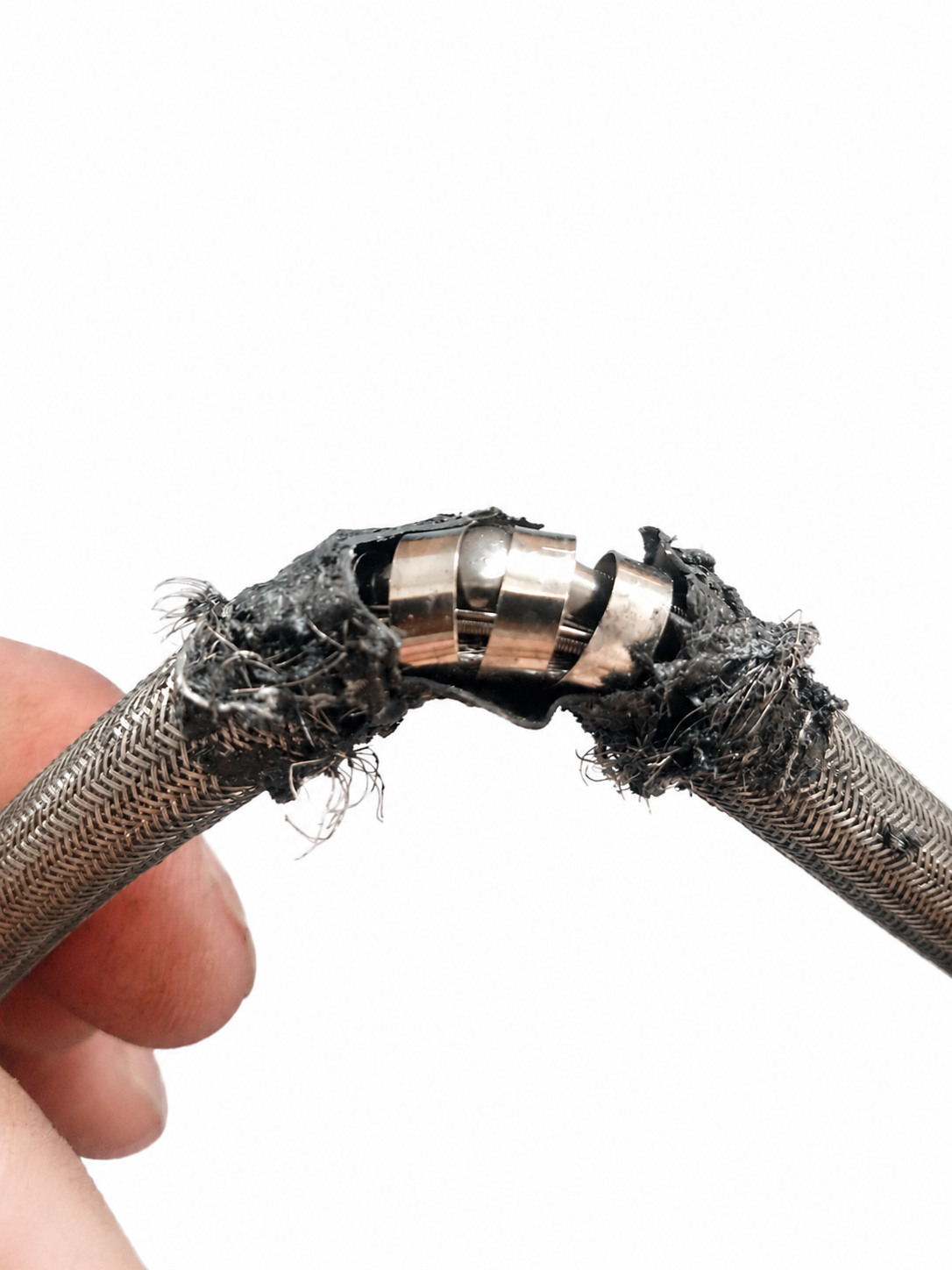
Find answers to common questions about industrial videoscope repair, including probe damage, articulation failure, camera chip issues, lighting problems, repair cost, maintenance, and when to repair or replace a videoscope system.
Industrial Videoscope Repair FAQ
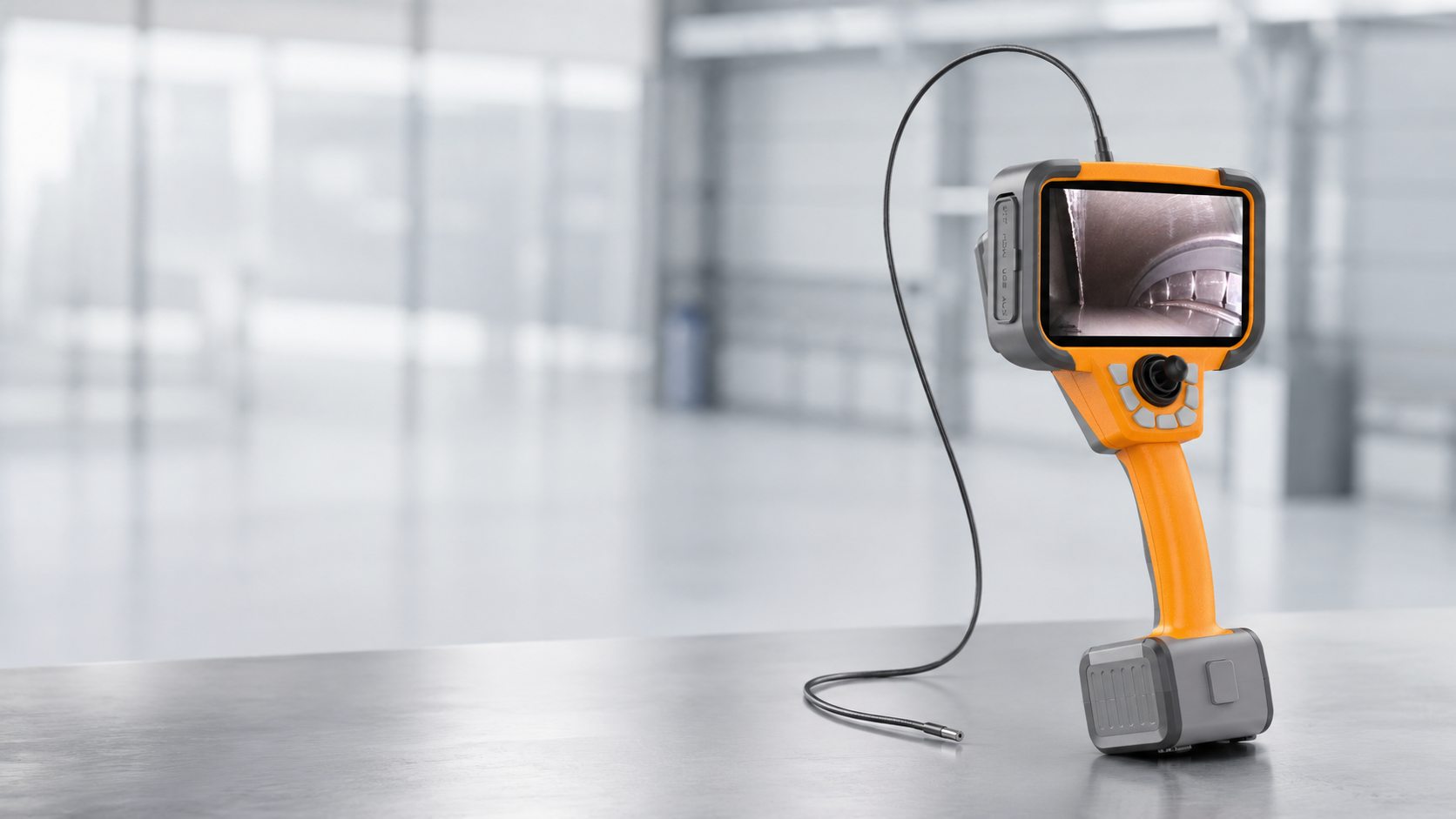
Industrial videoscopes operate in demanding inspection environments where probes, articulation systems, cameras, and insertion tubes are exposed to mechanical stress, sharp edges, heat, oil, and repeated movement.
Proper understanding of videoscope repair and maintenance helps reduce downtime, control operating costs, and extend equipment lifetime.
This FAQ section answers common questions related to industrial videoscope repair, probe damage, service costs, and preventive handling.
General Repair Questions
Why are industrial videoscope repairs expensive?
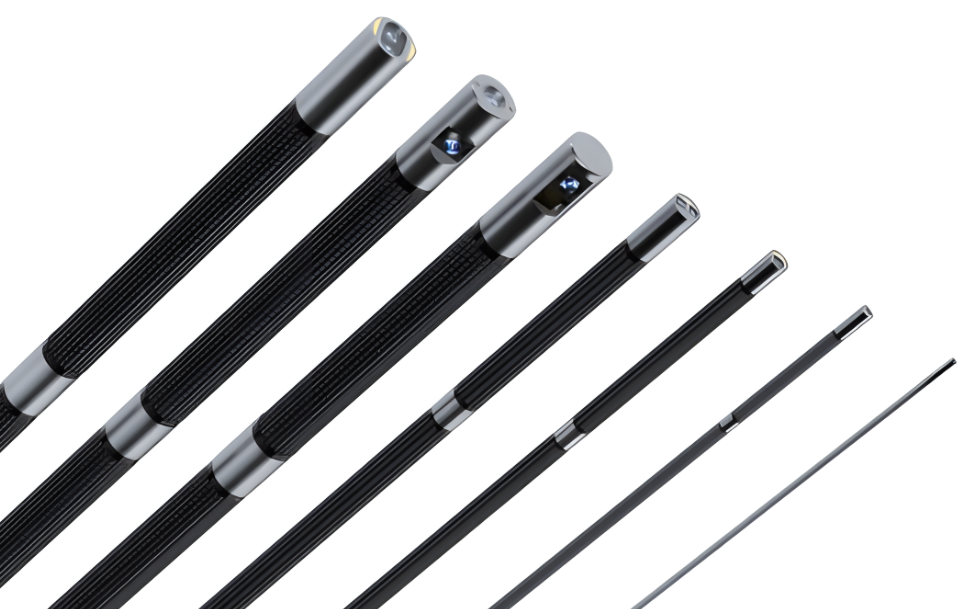
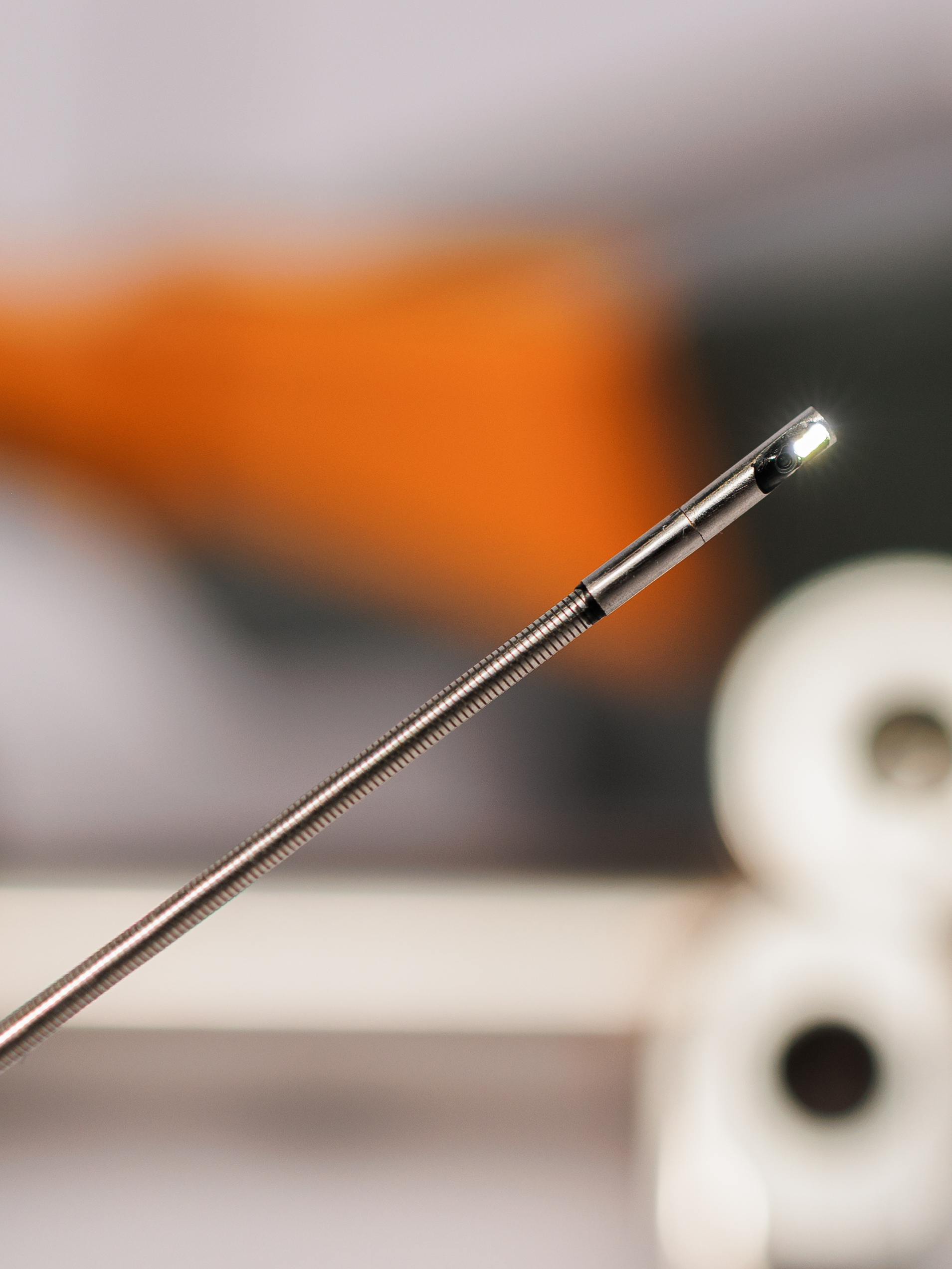
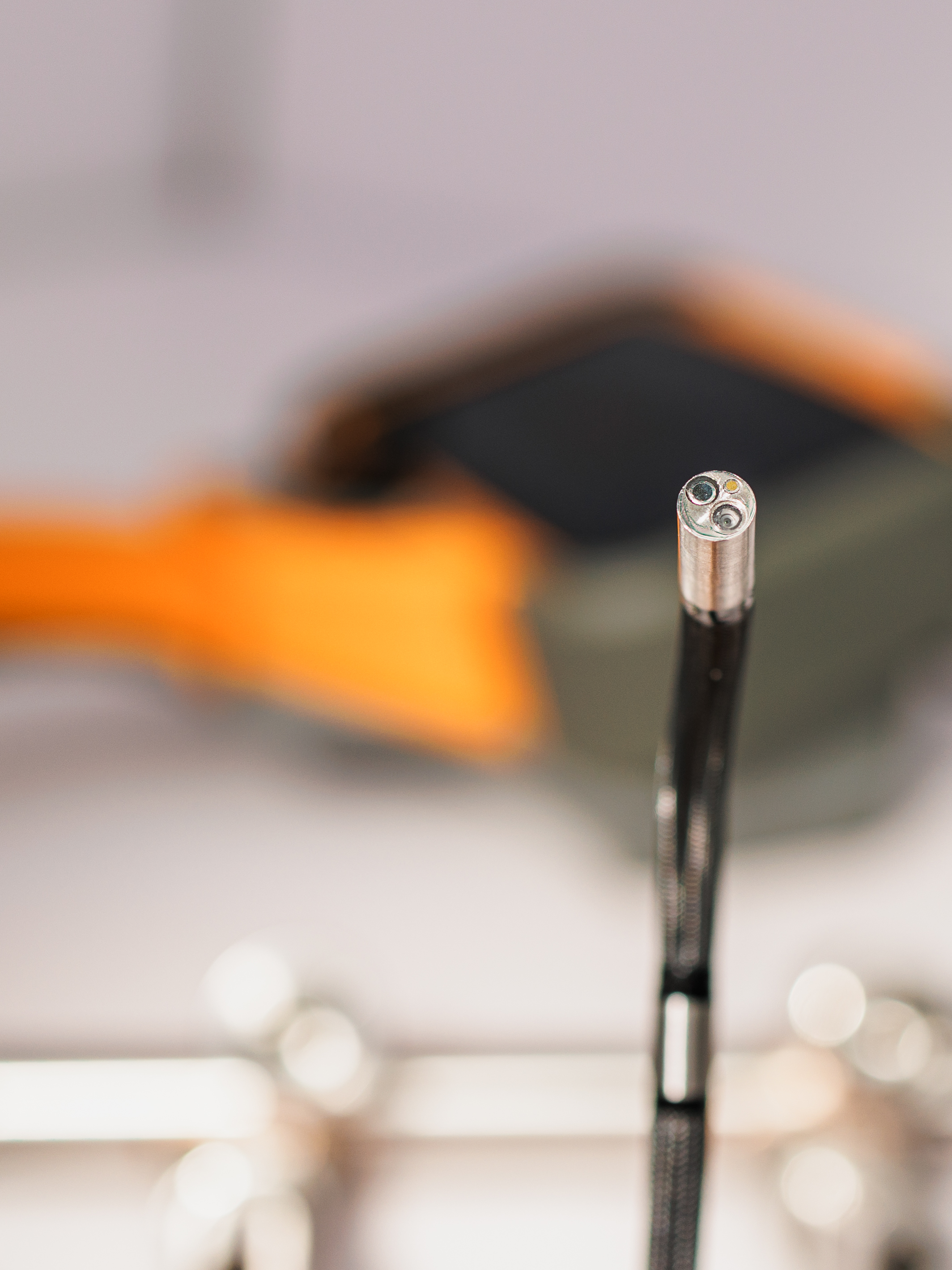
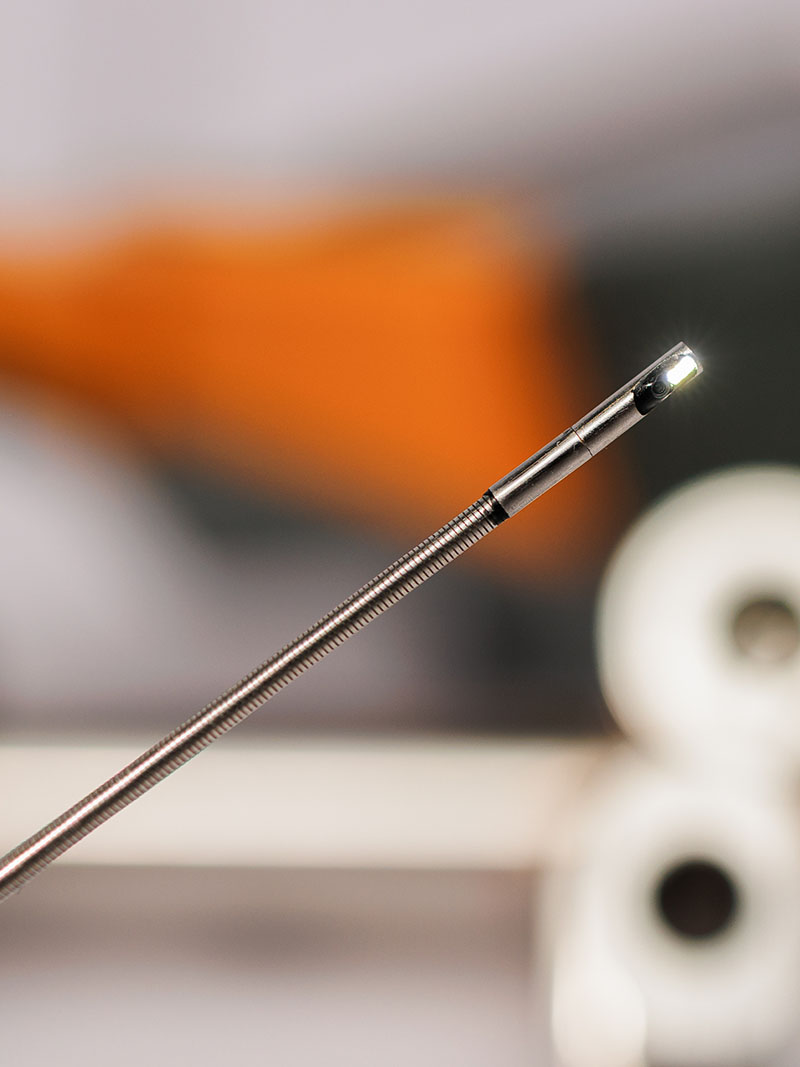
Industrial videoscope probes contain miniature cameras, articulation systems, signal wiring, illumination components, and protective structures integrated inside extremely small diameters. Repairing these components requires specialized tools, precision assembly, and highly skilled technicians.
Which part of the videoscope is damaged most often?
The probe is the most commonly damaged component because it directly contacts harsh industrial environments during inspection.
Can most videoscope damage be repaired?
Many types of damage can be repaired depending on the severity and affected components. However, severe crushing or complete internal failure may require major reconstruction or replacement.
Why are ultra-thin probes more expensive to repair?
Ultra-thin probes contain extremely compact internal structures with very limited working space, making repair work significantly more difficult and time-consuming.
Common Types of Probe Damage
What causes probe insertion tube damage?
Common causes include:
Sharp edge abrasion
Excessive bending
Crushing force
Improper insertion techniques
Twisting during articulation
What causes articulation failure?
Articulation systems may fail due to:
Over-bending
Excessive pulling force
Mechanical wear
Repeated high-load operation
Internal cable damage
What causes image failure?
Image problems can result from:
Camera sensor damage
Signal transmission failure
Connector damage
Moisture penetration
Optical contamination
What causes illumination failure?
Illumination issues may be caused by:
LED damage
Fiber illumination breakage
Electrical failure
Mechanical shock
Repair Cost Questions
Why does probe diameter affect repair cost?
Smaller probes require more precision manufacturing and repair work. Components inside ultra-thin probes are significantly more difficult to access and rebuild.
Are articulation repairs expensive?
Yes. Articulation systems are mechanically complex and often require partial or complete probe reconstruction.
What is the most expensive type of probe repair?
Severe combined damage involving articulation systems, camera modules, and insertion tube structures is typically the most expensive repair scenario.
Is repairing an old probe always worth it?
Not always. Depending on repair cost, system age, and platform compatibility, upgrading to a newer platform may provide better long-term value.
Ultra-Thin Probe Repair Questions
Why are 0.95 mm and 1.0 mm probes so sensitive?
Ultra-thin probes contain extremely small internal components with limited mechanical protection. Even minor crushing or bending damage can affect internal structures.
What is the most common failure in ultra-thin probes?
Common failures include:
Fiber illumination damage
Insertion tube crushing
Signal transmission failure
Camera module damage
Can ultra-thin probes survive harsh industrial environments?
Yes, but they require careful handling and are generally intended for specialized inspection applications rather than aggressive daily industrial use.
Articulation Repair Questions
Why is articulation one of the most fragile systems?
Articulation mechanisms rely on miniature control cables and bending structures that experience constant mechanical movement and stress.
Can articulation systems wear out over time?
Yes. Frequent bending and high-load articulation operation gradually wear internal components.
How can articulation damage be prevented?
Operators should avoid forcing the probe, excessive twisting, and articulation under high resistance conditions.
Preventive Maintenance Questions
How can videoscope repair frequency be reduced?
Proper operator training and preventive handling significantly reduce repair frequency.
What are the most important handling practices?
Avoid excessive bending
Avoid crushing force
Insert probes slowly
Do not force articulation
Protect probes from sharp edges
Store probes correctly
Should probes be inspected before use?
Yes. Regular visual inspection helps identify early damage before major failures occur.
Does cleaning help extend probe life?
Yes. Proper cleaning removes contaminants that may damage outer sheaths or internal components over time.
Platform and Upgrade Questions
Is it sometimes better to upgrade instead of repair?
Yes. In some cases, the repair cost of older probes approaches the value of a newer inspection platform with improved features and warranty coverage.
Why are newer platforms sometimes more cost-effective long term?
Newer systems may provide:
Improved durability
Better articulation systems
Longer battery life
Higher image quality
Lower future repair risk
Inspection Environment Questions
Which environments are hardest on probes?
Common high-risk environments include:
Turbine inspection
Sharp casting structures
Pipe weld inspection
High-temperature environments
Complex engine geometries
Does high temperature damage videoscope probes?
Yes. Excessive heat can affect camera modules, illumination systems, articulation components, and outer sheath materials.
Operational Questions
Can improper storage damage a probe?
Yes. Tight bending, compression, or poor storage conditions can permanently damage insertion tubes and articulation systems.
Should operators force the probe when resistance is encountered?
No. Forcing the probe is one of the leading causes of major probe damage.
Why is operator training important?
Proper operator handling is one of the most important factors affecting probe lifetime and repair frequency.
Conclusion
Industrial videoscope repair is closely connected to probe handling, inspection environment, and operational practices.
Understanding common failure causes and preventive maintenance methods helps reduce repair costs, extend equipment lifetime, and improve inspection reliability.
In many industrial environments, careful handling and proper operator training are the most effective ways to reduce long-term repair expenses.