Probe FAQ
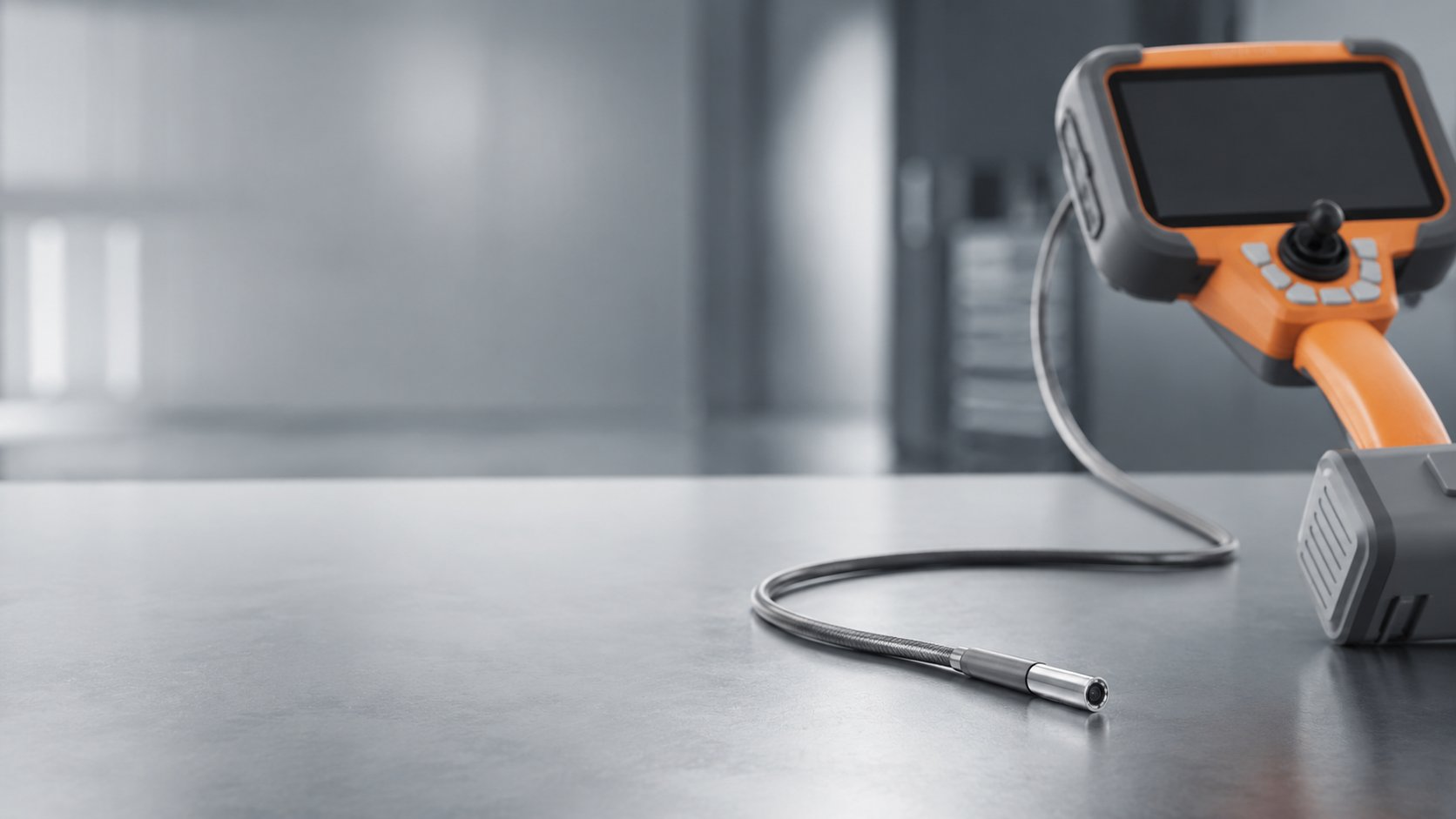
Find answers about industrial videoscope probes, including probe diameter, length, articulation, camera resolution, side view, dual camera, durability, compatibility, and repair.
Industrial Videoscope Probe FAQ
The probe is the most critical working component of an industrial videoscope system. Probe diameter, articulation, material, length, and imaging configuration all directly affect inspection capability and operational reliability.
This FAQ section answers common questions related to industrial videoscope probes, probe selection, durability, and inspection applications.
General Probe Questions
What is a videoscope probe?
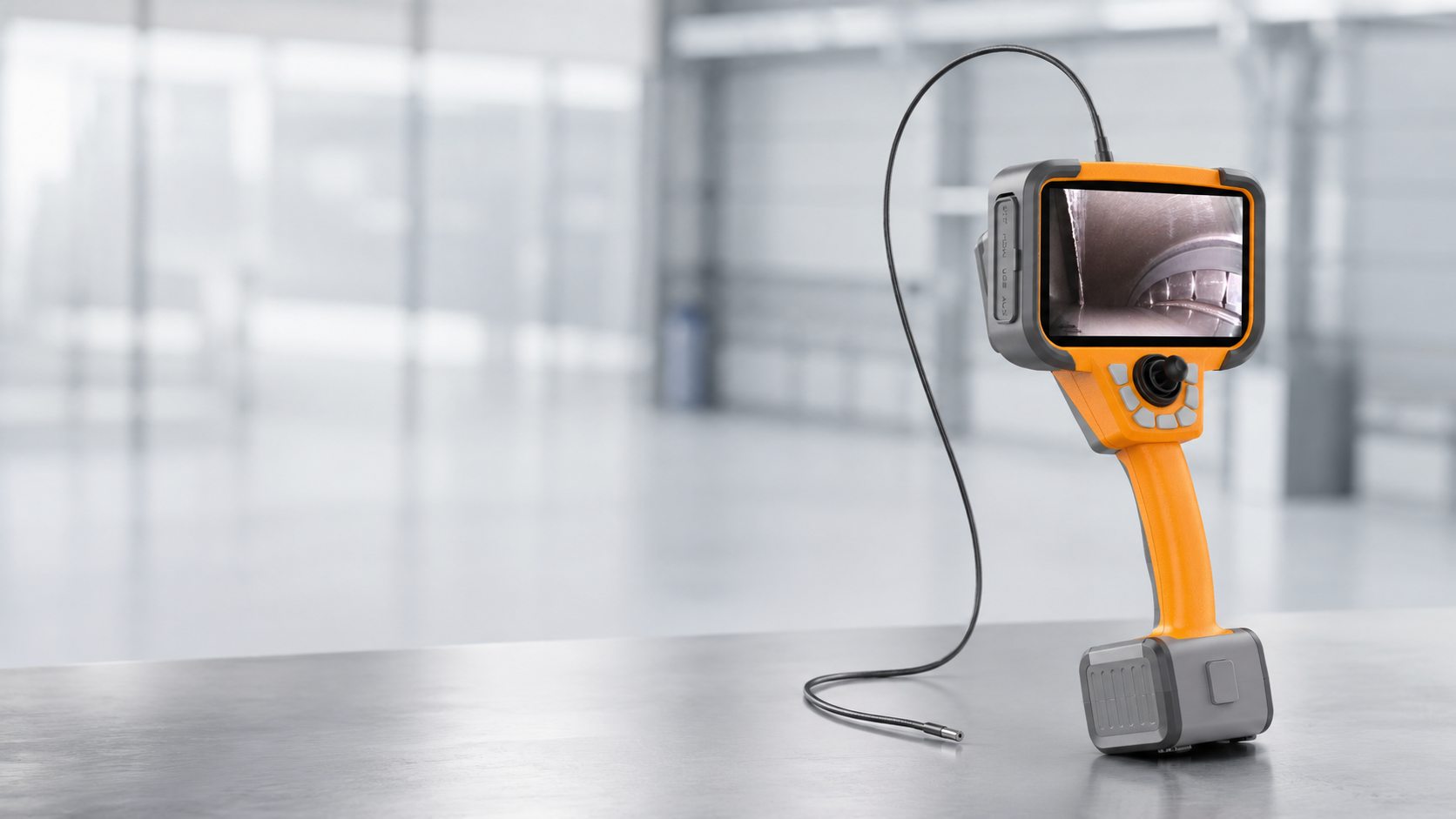
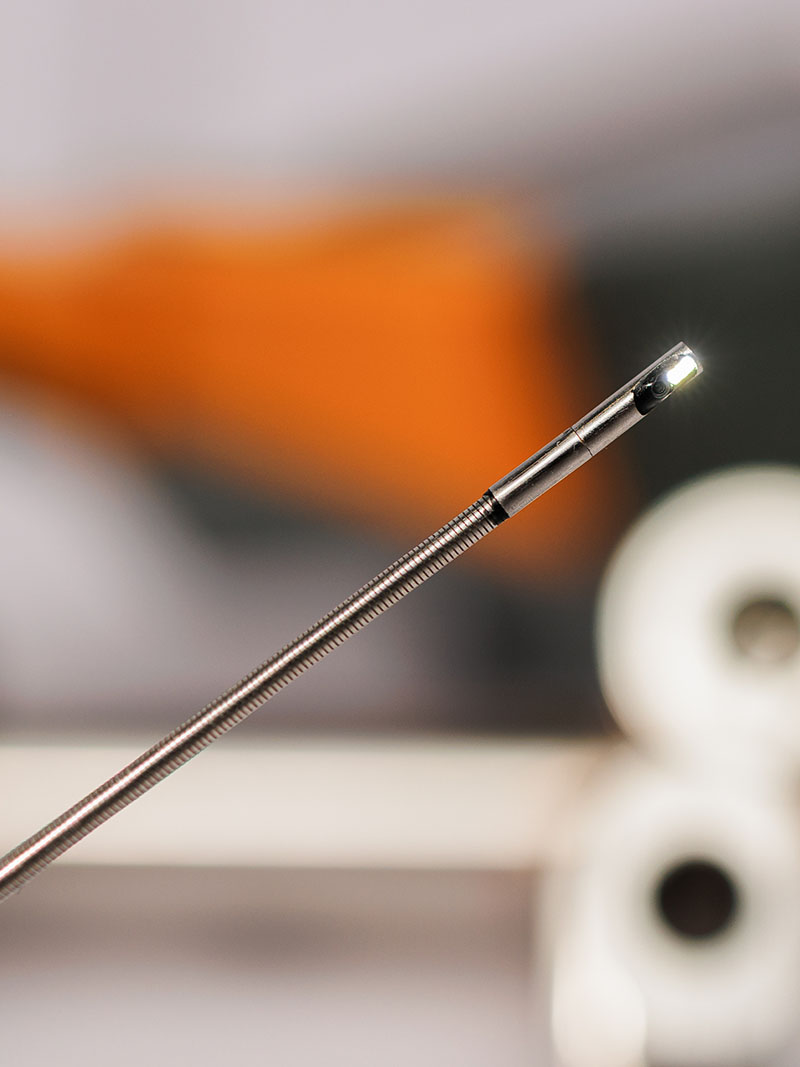
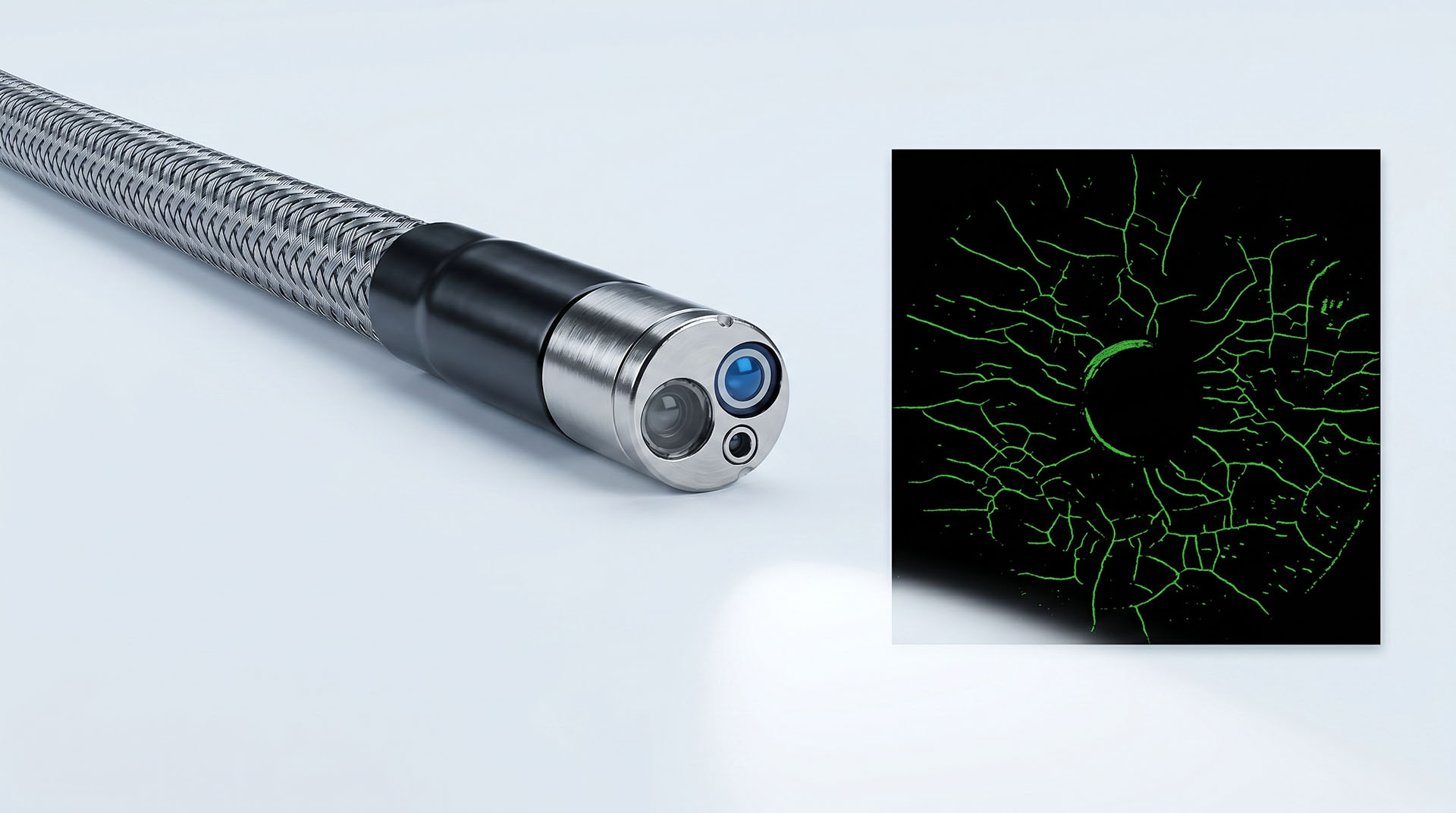
A videoscope probe is the insertion tube section of an industrial videoscope that contains the camera, illumination system, articulation mechanism, and signal transmission components used for internal inspection.
Why is the probe so important?
The probe determines the system’s access capability, flexibility, image quality, articulation performance, and durability inside industrial inspection environments.
What probe diameters are commonly available?
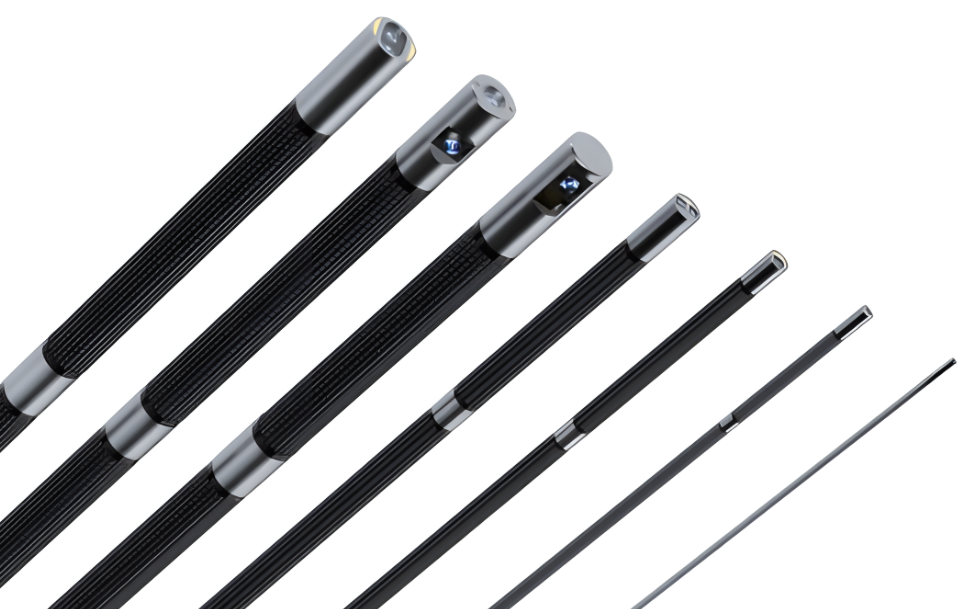
Common industrial videoscope probe diameters include 0.95 mm, 1.0 mm, 1.8 mm, 2.4 mm, 2.8 mm, 4.0 mm, and 6.0 mm.
What is the difference between flexible and rigid probes?
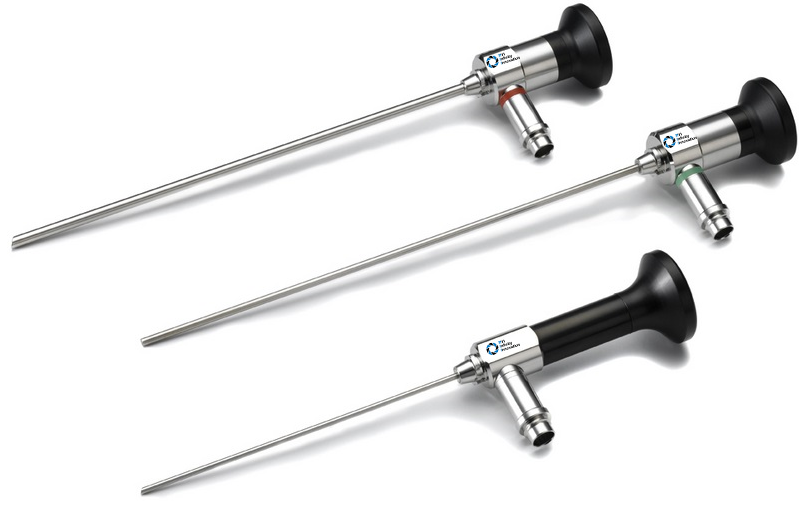
Flexible probes can navigate around bends and complex geometries, while rigid probes are designed for straight-line inspection paths and typically provide higher durability and optical clarity.
Probe Diameter Questions
How do I choose the correct probe diameter?
The general industrial rule is to choose the largest probe diameter that can safely access the inspection area. Larger probes usually provide better image quality, illumination, and durability.
What are ultra-thin probes used for?
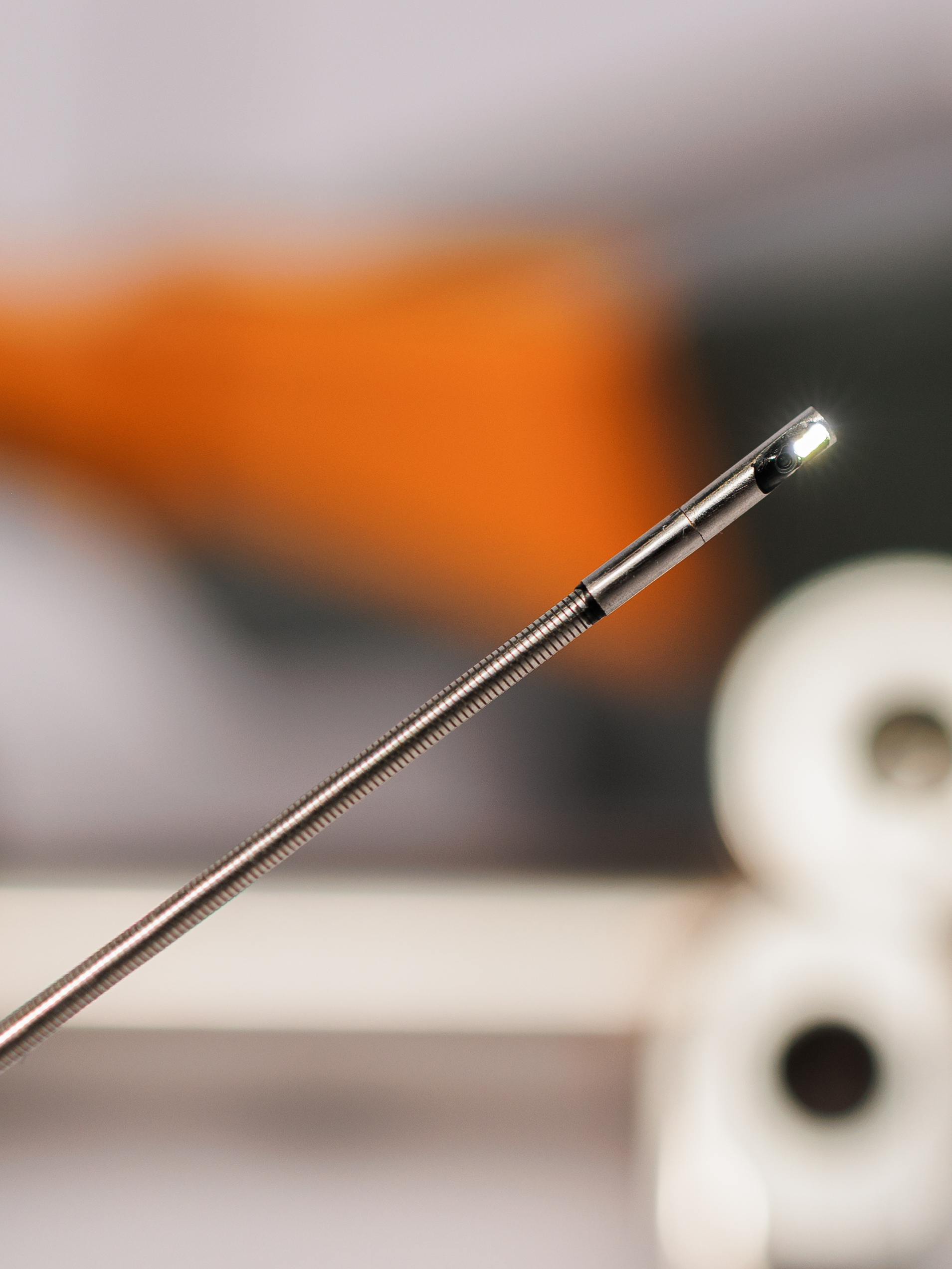
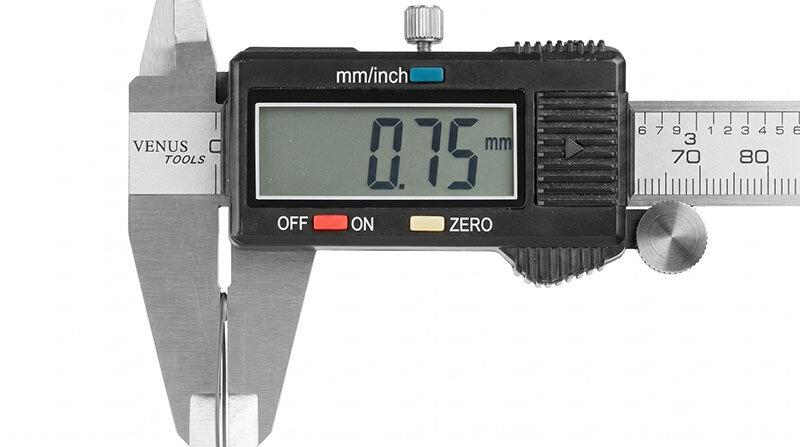
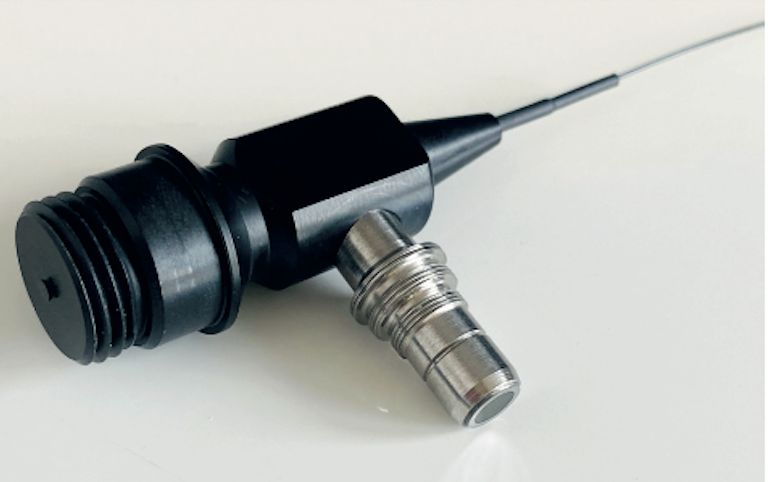
Ultra-thin probes below 1 mm are used for extremely narrow access areas such as turbine cooling holes, injectors, micro channels, and precision mechanical components.
Are smaller probes more fragile?
Yes. Smaller probes contain extremely compact internal components and are generally more sensitive to bending, crushing, and mechanical damage.
Which probe diameter is most versatile?
2.8 mm and 4.0 mm probes are often considered highly versatile because they balance accessibility, image quality, and durability.
Probe Length Questions
How does probe length affect inspection?
Longer probes allow deeper inspection access but may reduce insertion control and articulation responsiveness.
Are longer probes more difficult to control?
Yes. As probe length increases, navigation and articulation control become more challenging, especially in complex inspection paths.
What probe lengths are commonly available?
Typical probe lengths range from 1 meter to 10 meters depending on probe diameter and application.
Can ultra-thin probes support long insertion lengths?
Ultra-thin probes usually have shorter maximum lengths because maintaining flexibility, signal quality, and durability becomes increasingly difficult as length increases.
Articulation Questions
What is articulation in a probe?
Articulation refers to the bending movement of the probe tip used to navigate inside complex geometries and direct the camera toward inspection targets.
What is the difference between 2-way and 4-way articulation?
2-way articulation bends in two directions, typically up and down, while 4-way articulation bends in four directions for improved navigation flexibility.
Why is articulation important?
Articulation allows inspectors to inspect hidden areas, navigate bends, and improve inspection coverage inside complex industrial systems.
Do ultra-thin probes support articulation?
Some ultra-thin probes support limited articulation, but articulation capability becomes increasingly difficult as probe diameter decreases.
Probe Material Questions
What materials are used in videoscope probes?
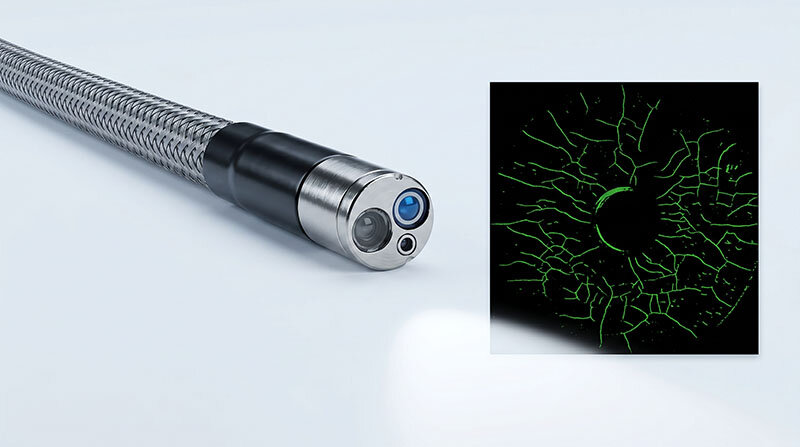
Common probe materials include stainless steel braid, tungsten braid, and polyimide (PI) outer sheaths depending on the application requirements.
Why are stainless steel braided probes popular?
Stainless steel braided probes provide excellent abrasion resistance and mechanical durability for industrial inspection environments.
What is a PI outer sheath?
PI, or polyimide, is a lightweight high-performance polymer commonly used in ultra-thin probes because of its flexibility and compact structure capability.
Which probe material is most durable?
Tungsten and stainless steel reinforced probes generally provide the highest durability for harsh industrial applications.
Image and Camera Questions
Do all probes use HD cameras?
No. Larger probes such as 4 mm and 6 mm commonly support HD imaging, while ultra-thin probes often use lower resolution sensors due to space limitations.
Why do small probes have lower image quality?
Small probes have limited internal space for camera sensors, optics, illumination, and signal transmission components.
What is a dual camera probe?
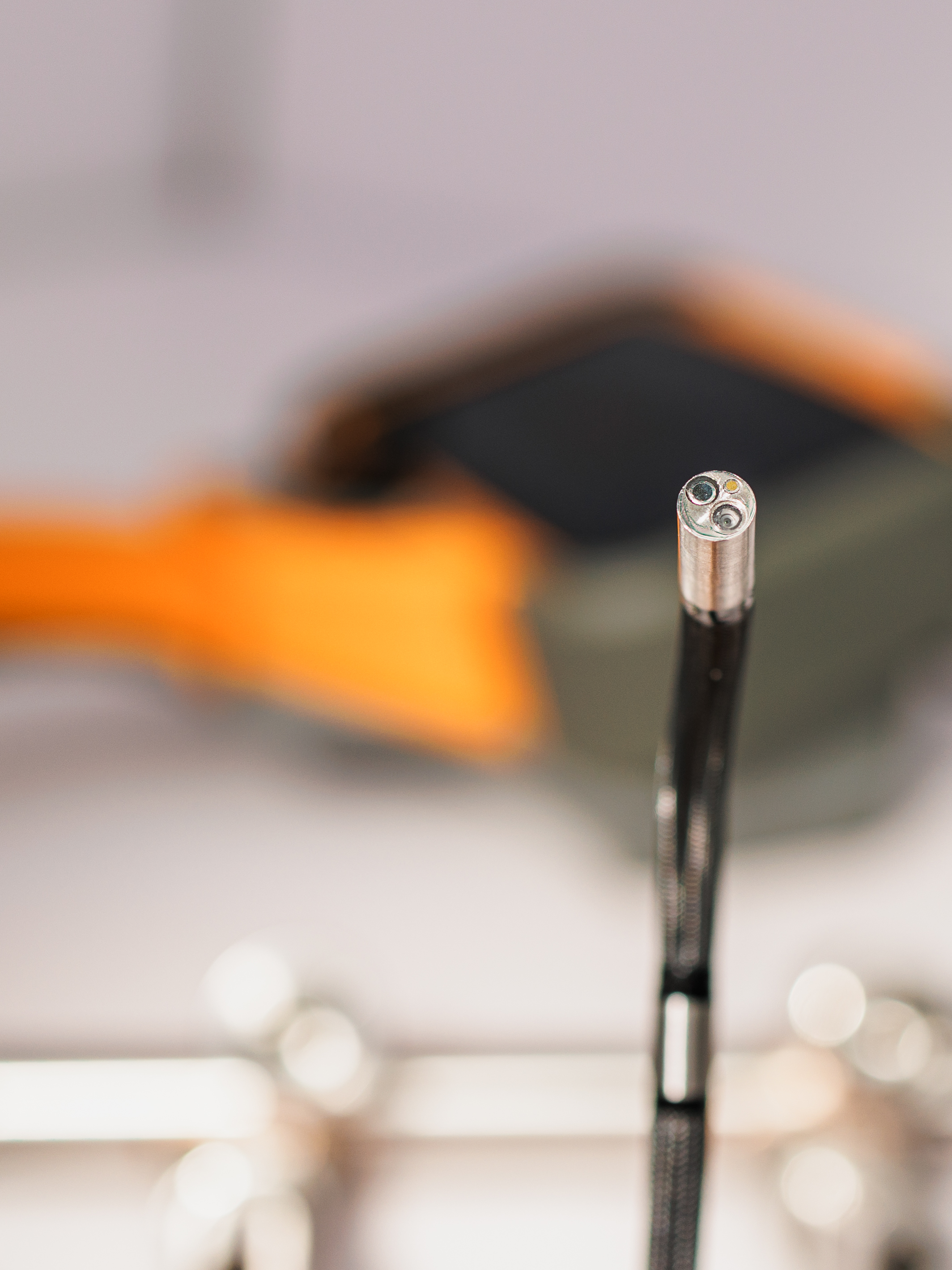
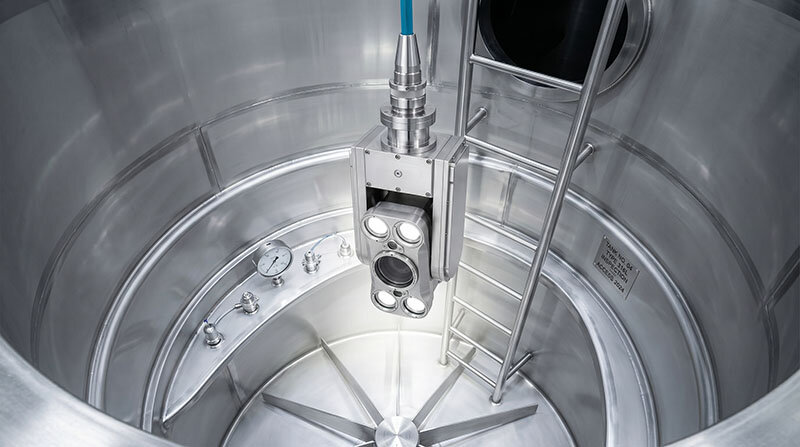
A dual camera probe integrates both forward-view and side-view cameras inside the same probe tip.
What is the advantage of a dual camera probe?
Dual camera probes allow instant switching between viewing directions without removing the probe from the inspection area.
Durability and Repair Questions
What causes most probe failures?
Common causes include excessive bending, crushing, sharp edge damage, over-twisting, improper storage, and aggressive insertion techniques.
Why are probe repairs expensive?
Videoscope probes contain miniature cameras, articulation systems, signal wiring, illumination systems, and mechanical structures integrated into very small diameters.
Are larger probes more durable?
Yes. Larger probes can support stronger internal reinforcement and better mechanical protection.
How can probe lifetime be extended?
Proper handling, careful insertion, avoiding excessive bending, and correct storage significantly improve probe service life.
Application Questions
Which probe is best for turbine inspection?
4 mm and 6 mm articulated probes are commonly preferred for turbine inspection because they provide strong articulation and HD image quality.
Which probe is suitable for automotive inspection?
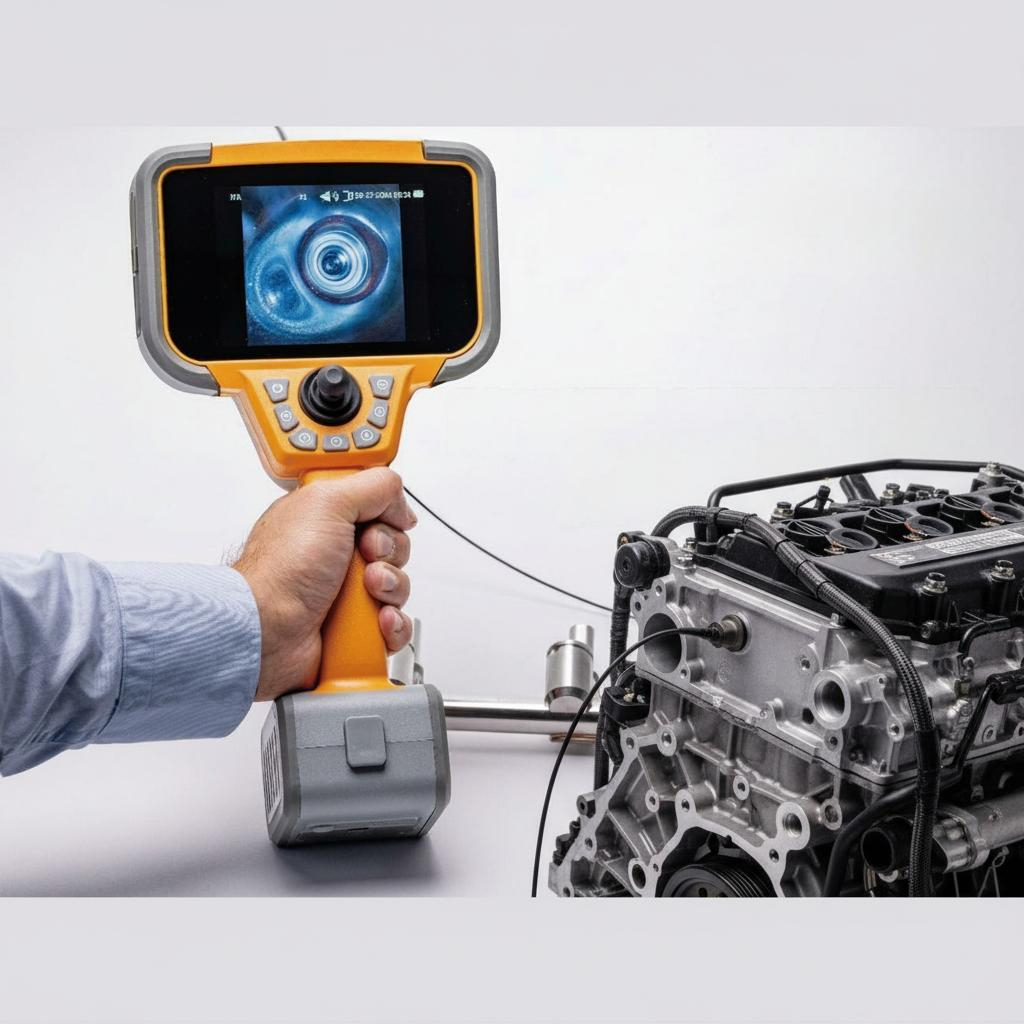
2.8 mm, 4 mm, and 6 mm probes are widely used for automotive engine and cylinder inspection.
Can ultra-thin probes inspect cooling holes?
Yes. 0.95 mm and 1.0 mm probes are commonly used for cooling hole and micro channel inspection.
Can videoscope probes inspect heat exchangers?
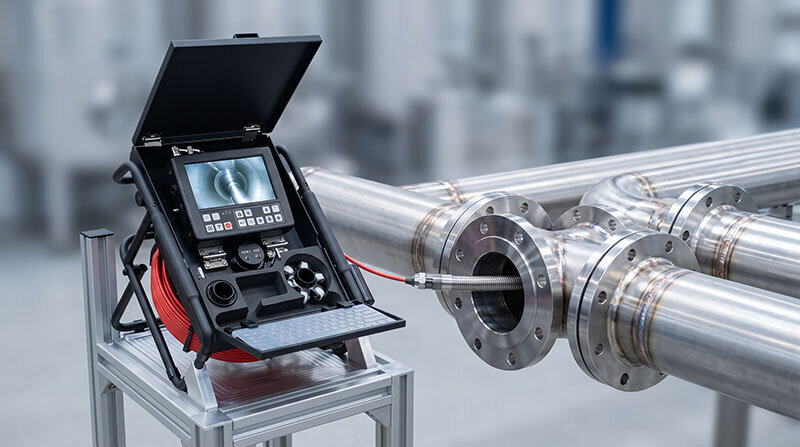
Yes. Flexible articulated probes are commonly used for tube and heat exchanger inspection in industrial maintenance.
Operational Questions
Should users always choose the smallest probe possible?
No. Smaller probes should only be used when access limitations require them. Larger probes generally provide better performance and durability.
Can probes be replaced separately from the main system?
Many industrial videoscope systems support interchangeable probes depending on the platform design.
How should probes be stored?
Probes should be stored carefully without tight bending, crushing pressure, or exposure to excessive heat or chemicals.
Do probes require regular maintenance?
Yes. Regular cleaning and visual inspection help identify early damage and maintain long-term reliability.
Conclusion
Videoscope probes are highly specialized inspection tools designed to balance access capability, image quality, flexibility, and durability.
Understanding probe diameter, articulation, material construction, and operational limitations helps users select the most suitable inspection solution and maximize equipment lifetime.