Inspection FAQ
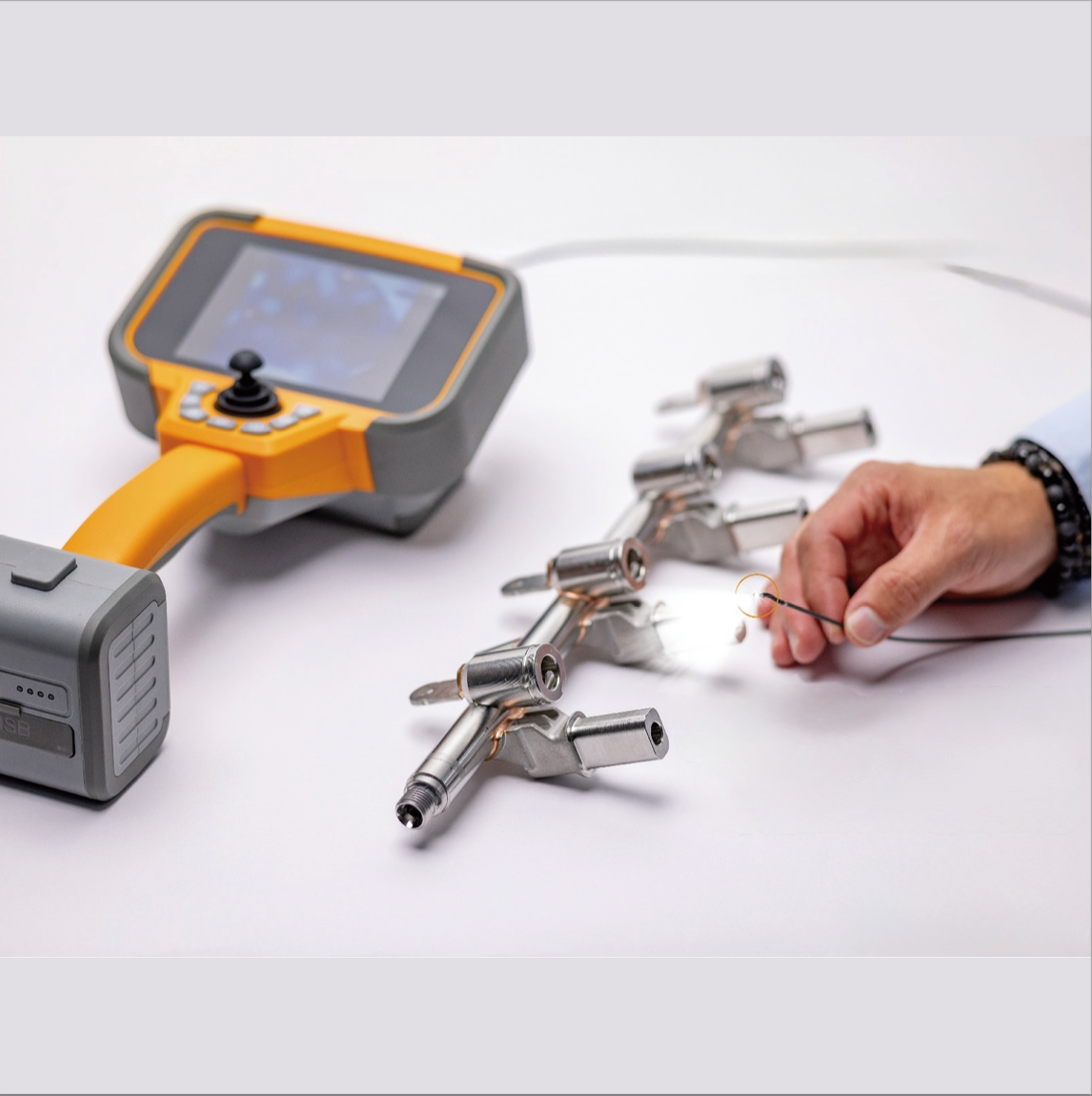
Find answers to common questions about industrial videoscope inspection, including probe selection, articulation, image quality, lighting, inspection applications, documentation, maintenance, and remote visual inspection best practices.
Industrial Inspection FAQ
Industrial inspection plays a critical role in equipment reliability, safety, quality assurance, and preventive maintenance across many industries.
Modern inspection technologies such as industrial videoscopes and remote visual inspection (RVI) systems allow inspectors to evaluate internal components quickly and non-destructively.
This FAQ section answers common questions related to industrial inspection methods, inspection workflows, applications, and videoscope-based inspection systems.
General Inspection Questions
What is industrial inspection?
Industrial inspection refers to the process of evaluating equipment, components, structures, or systems to identify defects, wear, damage, or manufacturing issues.
Why is industrial inspection important?
Industrial inspection helps improve safety, reduce downtime, prevent equipment failure, maintain product quality, and optimize maintenance planning.
What is non-destructive inspection?
Non-destructive inspection (NDI or NDT) refers to inspection methods that evaluate components without causing damage or requiring destruction of the inspected part.
What is remote visual inspection (RVI)?
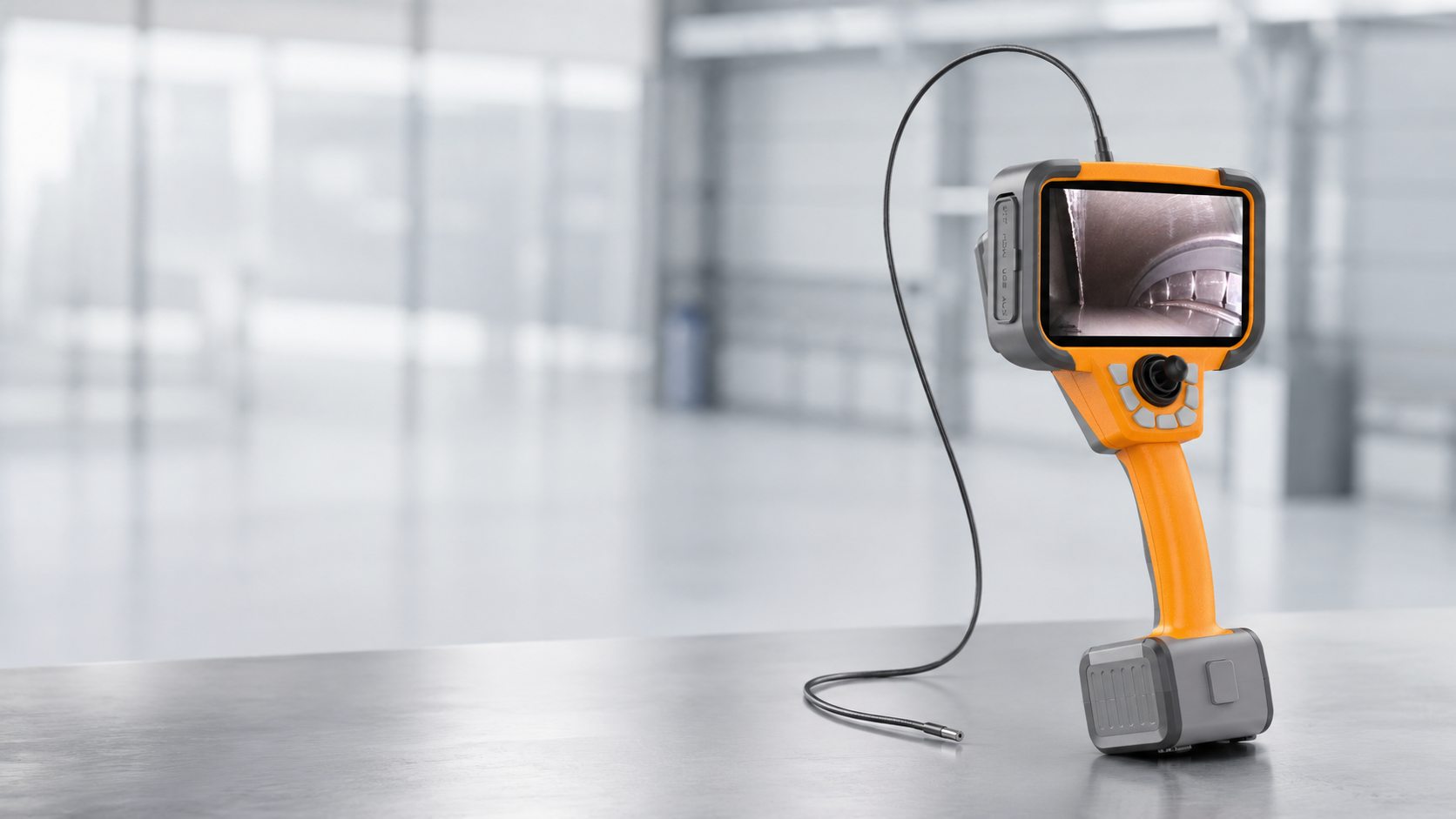
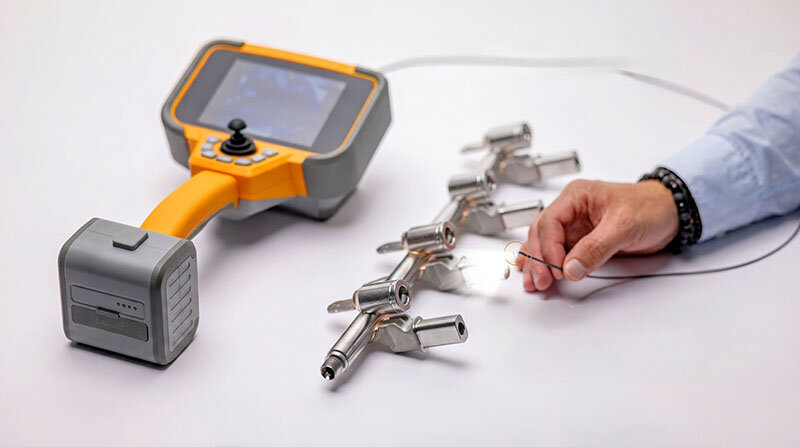
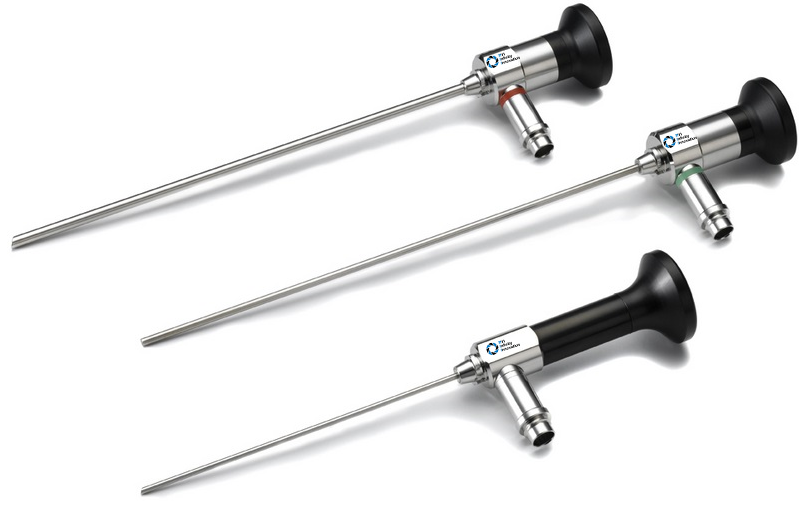
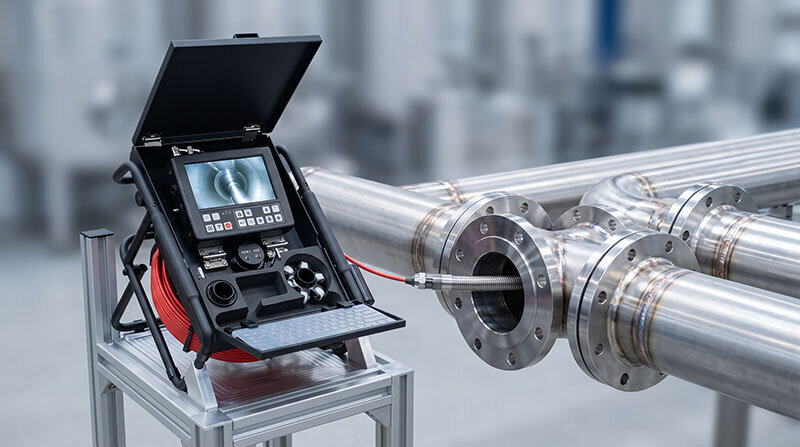
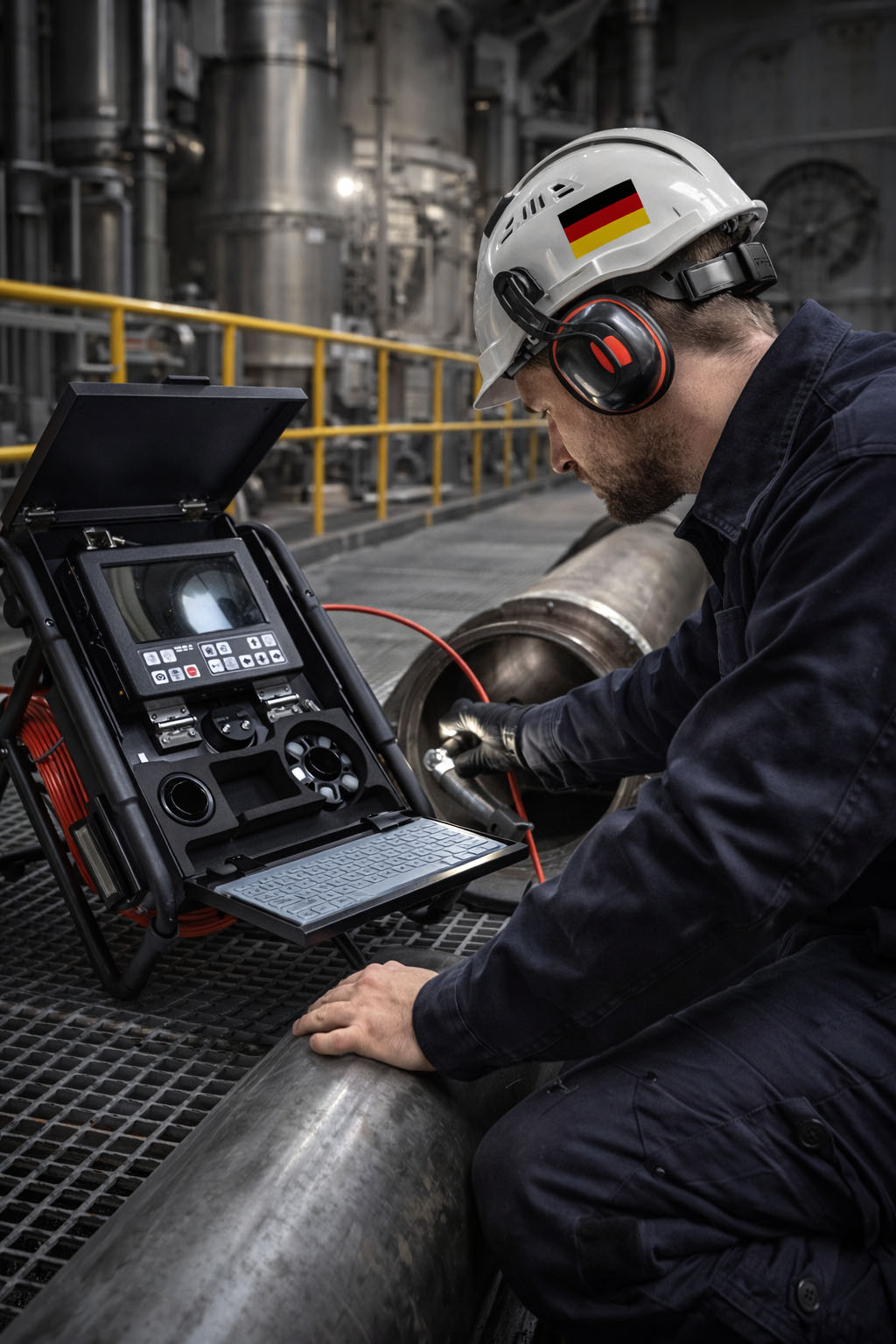
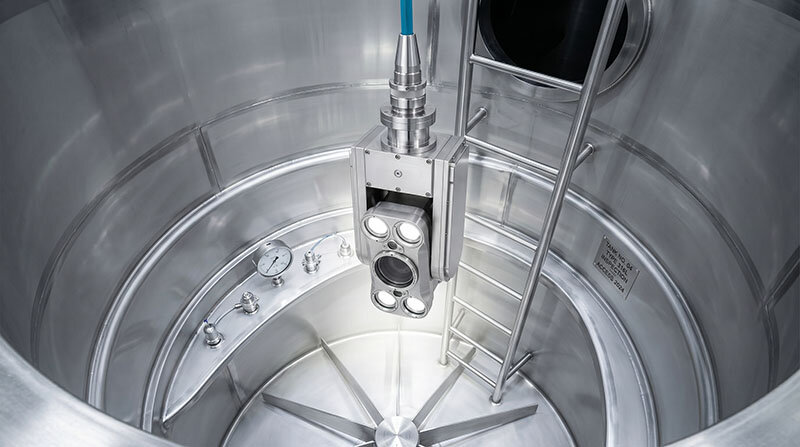
Remote visual inspection uses imaging systems such as videoscopes or borescopes to inspect internal or inaccessible areas without major disassembly.
Videoscope Inspection Questions
What is a videoscope used for?
Industrial videoscopes are used to inspect internal components such as turbines, engines, pipes, welds, heat exchangers, castings, and industrial machinery.
Why are videoscopes widely used in industrial inspection?
Videoscopes allow fast internal inspection with minimal disassembly, reducing downtime and maintenance cost.
What industries use videoscope inspection?
Common industries include aerospace, automotive, power generation, oil and gas, manufacturing, pipeline inspection, and industrial maintenance.
Can videoscope inspection replace disassembly?
In many cases, videoscope inspection can significantly reduce or delay unnecessary disassembly, although severe damage may still require physical repair access.
Aerospace Inspection Questions
How are videoscopes used in aerospace inspection?
Videoscopes are widely used for aircraft engine inspection, turbine blade inspection, combustion chamber inspection, and cooling hole evaluation.
Why is videoscope inspection important in aviation?
Aircraft engines are highly complex and expensive systems. Videoscope inspection allows fast internal evaluation without major engine disassembly.
What probe sizes are commonly used for turbine inspection?
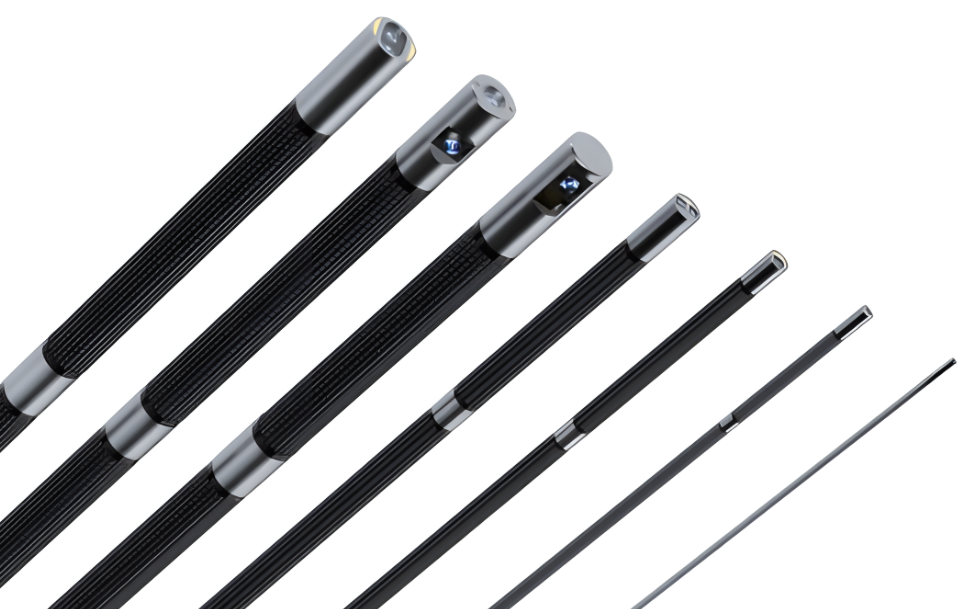
Common turbine inspection probe diameters include 2.8 mm, 4 mm, and 6 mm depending on engine design and access geometry.
Can videoscopes inspect turbine blade cracks?
Yes. High-resolution articulated videoscopes are commonly used to inspect turbine blades for cracks, impact damage, coating wear, and foreign object damage.
Automotive Inspection Questions
How are videoscopes used in automotive inspection?
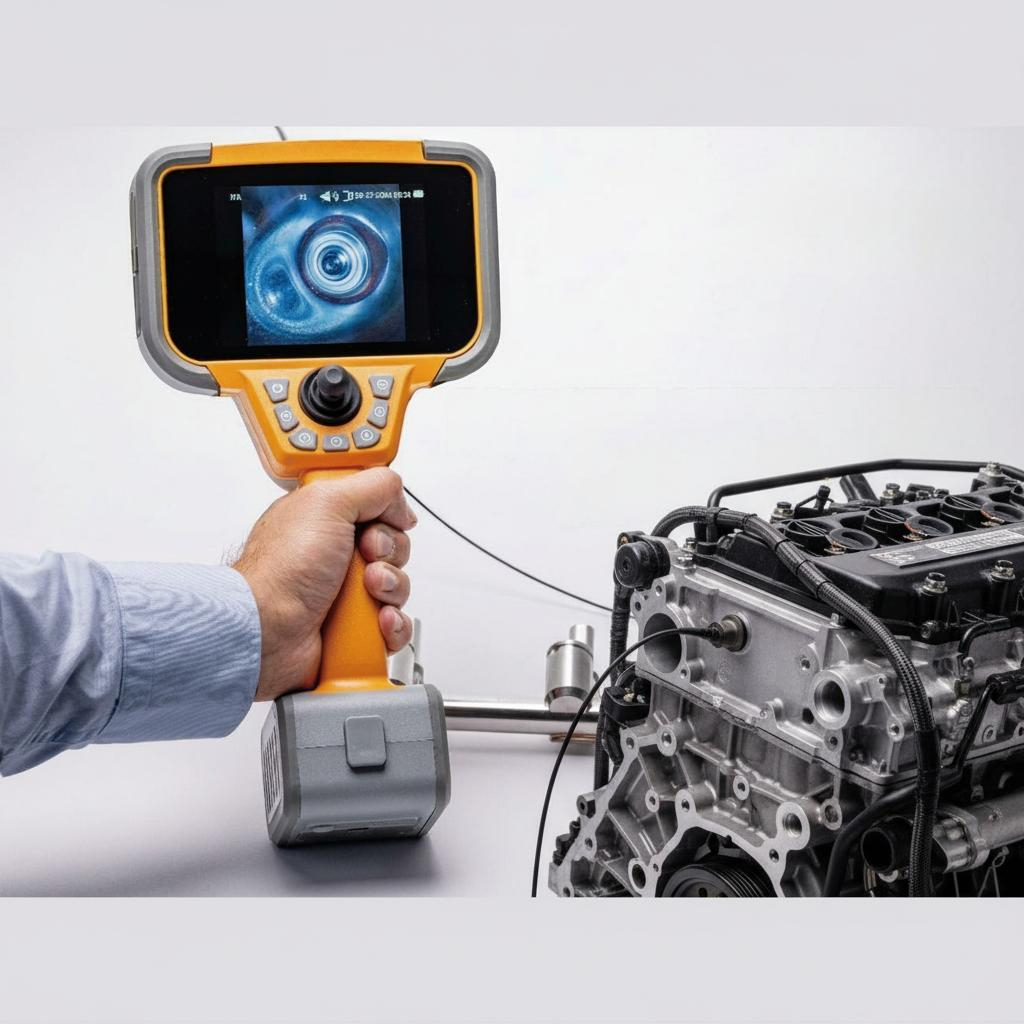
Videoscopes are used to inspect cylinders, pistons, valves, combustion chambers, fuel systems, and hidden mechanical areas.
Can engine inspection be performed without disassembly?
Yes. Videoscopes allow internal engine inspection through spark plug holes or service openings.
What defects can be identified during engine inspection?
Common defects include carbon buildup, cylinder wall damage, valve wear, cracks, oil contamination, and foreign object damage.
Which probe diameter is commonly used for automotive inspection?
2.8 mm, 4 mm, and 6 mm probes are widely used for automotive engine inspection.
Weld and Pipe Inspection Questions
Can videoscopes inspect welds?
Yes. Videoscopes are commonly used for internal weld inspection and difficult-to-access weld joints.
What industries use weld inspection?
Weld inspection is widely used in pipeline construction, pressure vessels, oil and gas systems, manufacturing, and power generation.
Can videoscopes inspect pipes and heat exchangers?
Yes. Flexible articulated probes are commonly used for pipe inspection and heat exchanger tube inspection.
What defects are commonly identified during pipe inspection?
Common defects include corrosion, cracking, deposits, blockage, erosion, weld defects, and internal contamination.
Probe and Access Questions
How do inspectors choose the correct probe diameter?
The recommended approach is to use the largest probe diameter that can safely access the inspection area.
Why are larger probes preferred when possible?
Larger probes generally provide better image quality, illumination performance, articulation strength, and durability.
What are ultra-thin probes used for?
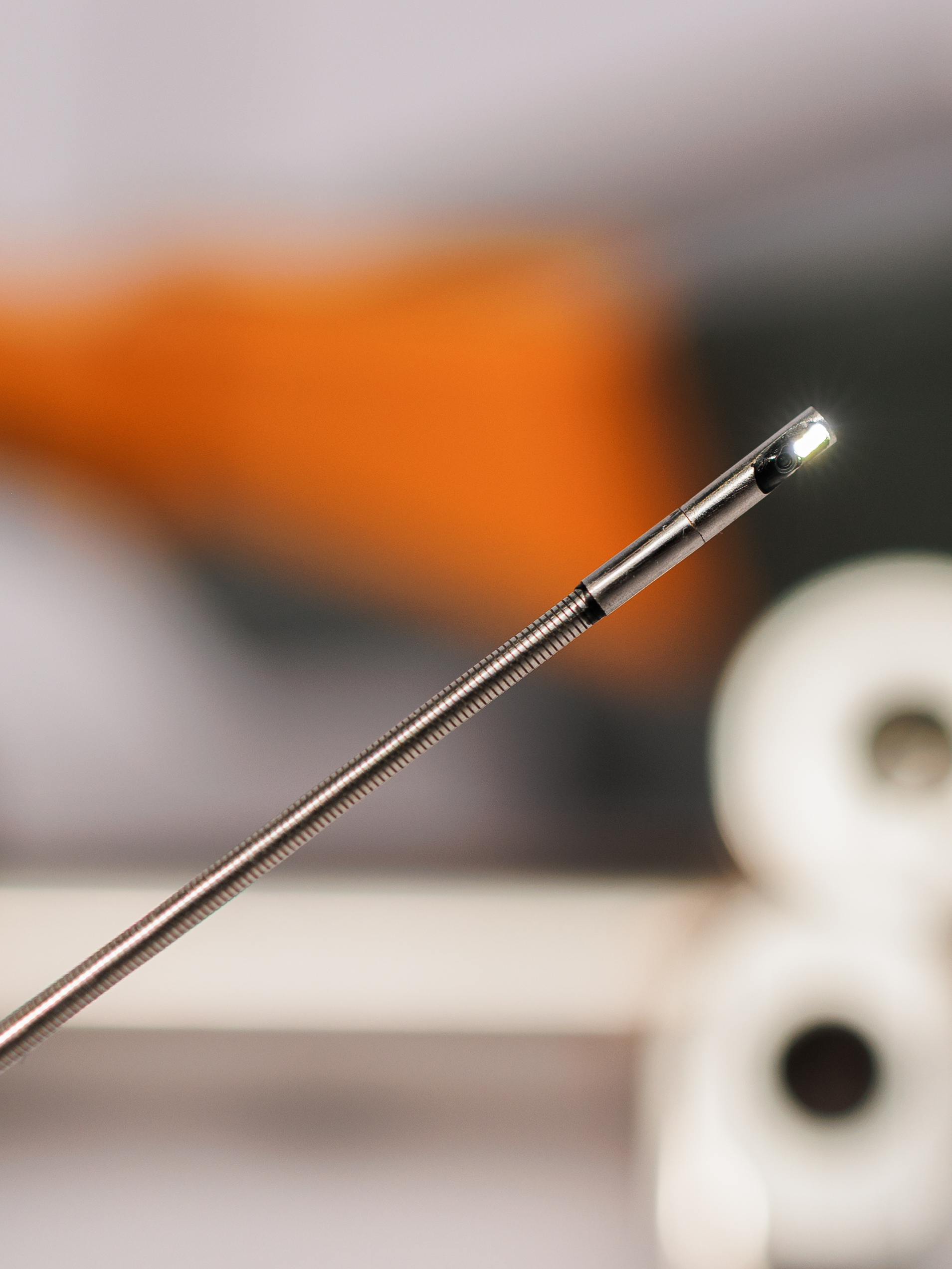
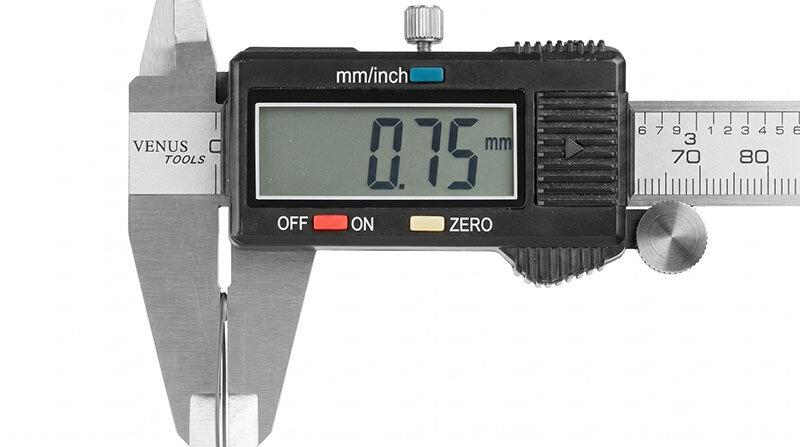
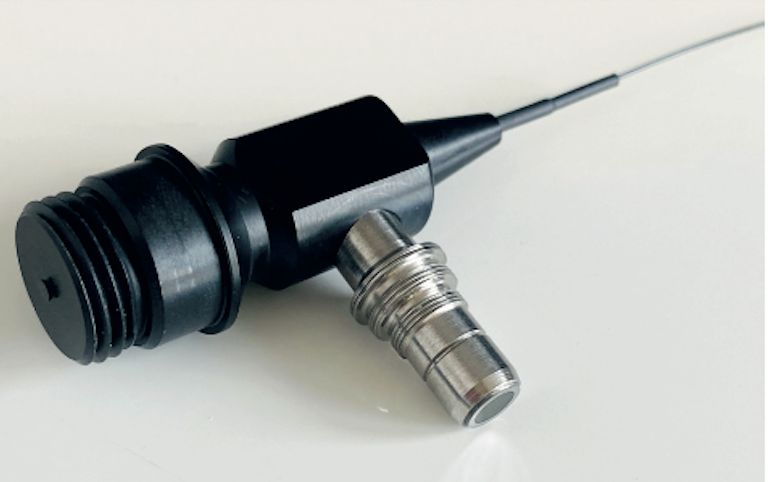
Ultra-thin probes below 1 mm are used for extremely narrow access areas such as cooling holes and precision mechanical components.
What is articulation?
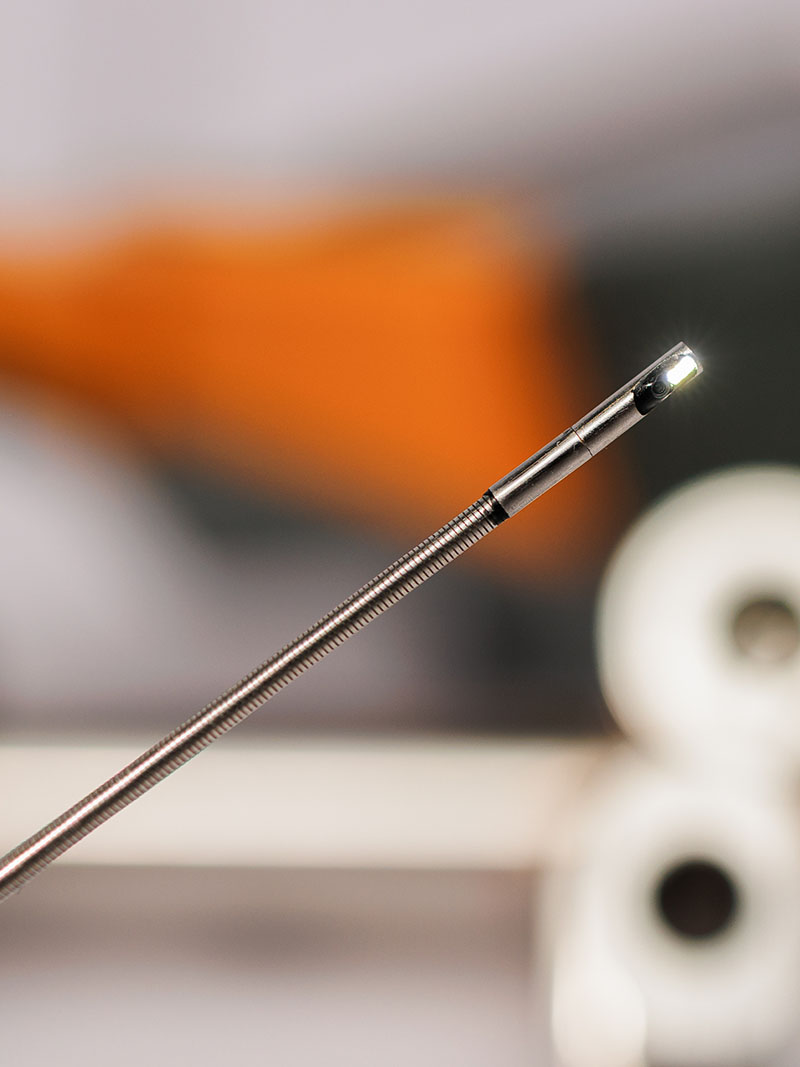
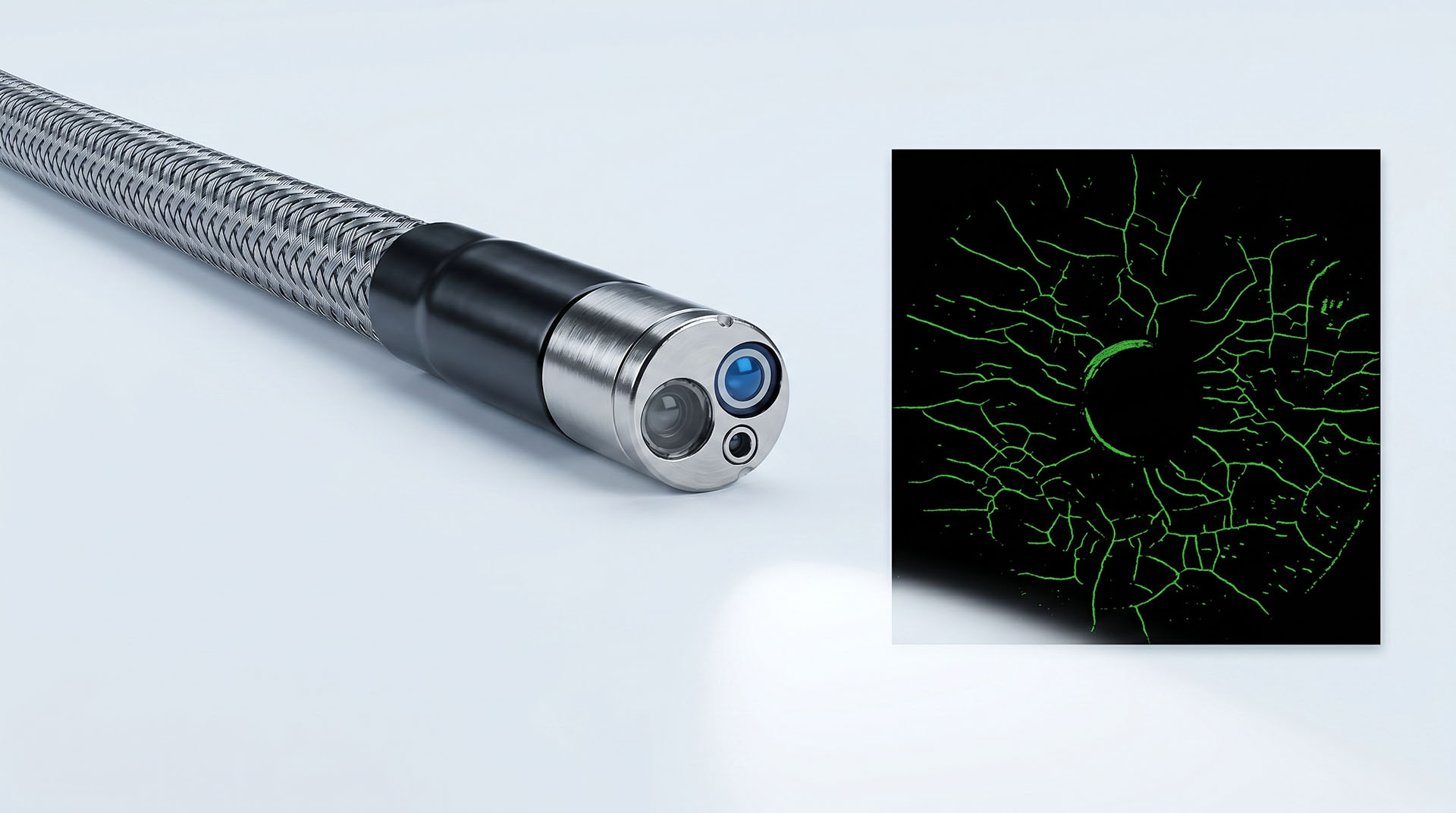
Articulation is the bending capability of the probe tip used to navigate inside complex inspection geometries.
Image Quality Questions
What resolution is typical for industrial videoscopes?
Ultra-thin probes commonly use standard resolution sensors, while larger probes such as 4 mm and 6 mm often support HD imaging.
Why is illumination important?
Proper illumination is essential for visibility inside dark industrial environments and directly affects image quality and defect detection capability.
Can videoscope systems record images and videos?
Yes. Most modern industrial videoscopes support image capture and video recording for inspection documentation and reporting.
What is a dual camera videoscope?
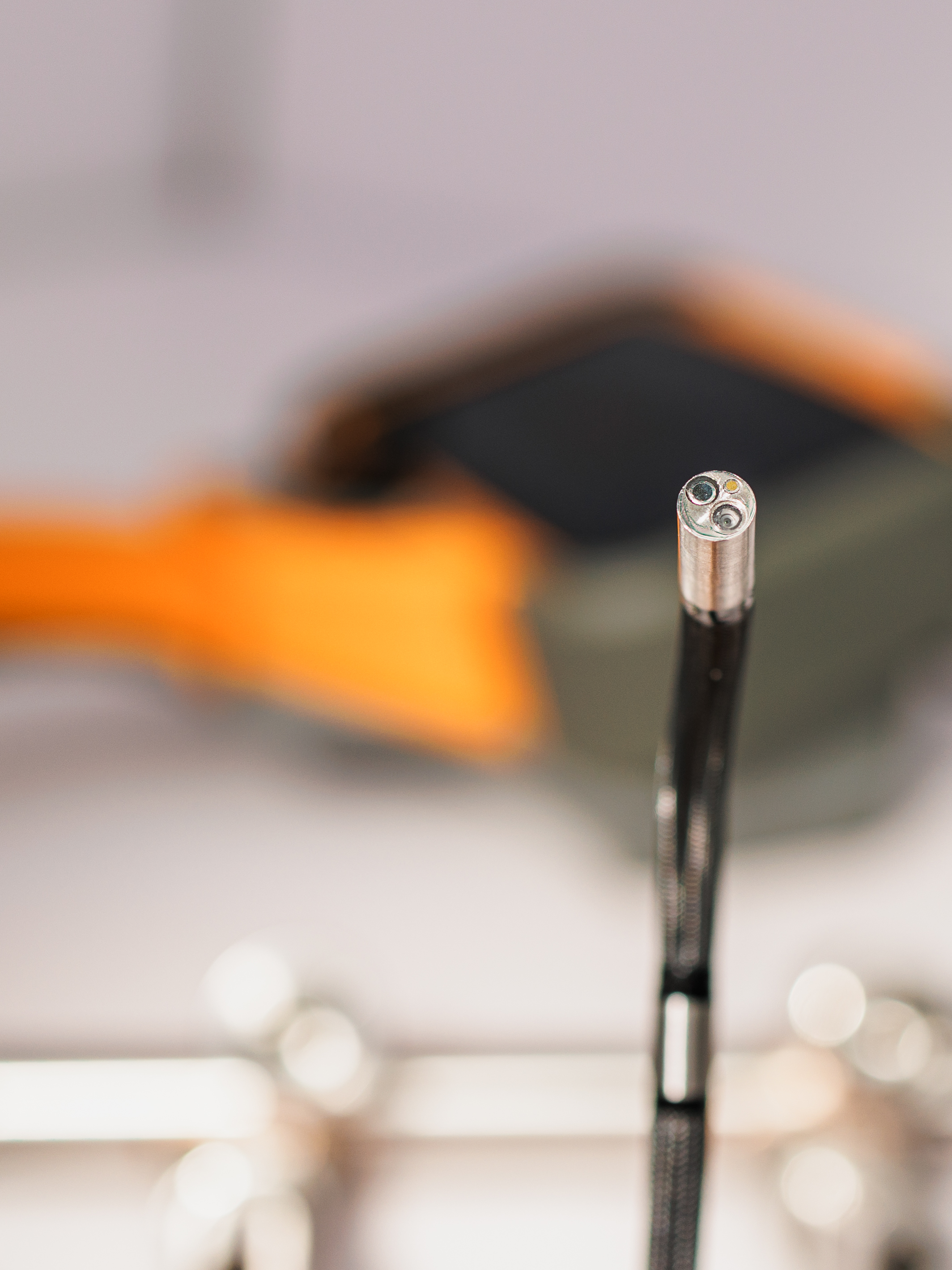
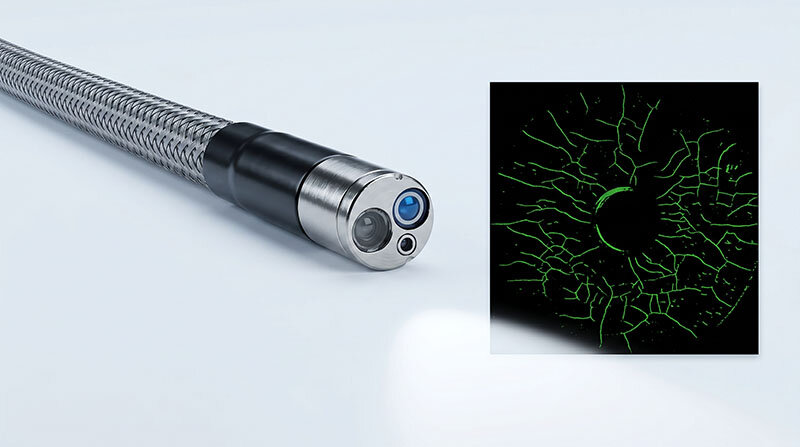
A dual camera system integrates both forward-view and side-view cameras inside the same probe tip for faster inspection workflow.
Inspection Workflow Questions
What is the advantage of portable inspection systems?
Portable systems allow fast field inspection with reduced setup time and minimal equipment disassembly.
Why is preventive inspection important?
Preventive inspection helps identify defects early before major equipment failure occurs.
Can videoscope inspection reduce maintenance cost?
Yes. By reducing unnecessary teardown operations and minimizing downtime, videoscope inspection can significantly reduce maintenance expenses.
Why is inspection documentation important?
Inspection images and videos support maintenance records, quality assurance, defect tracking, and technical reporting.
Durability and Handling Questions
Why are videoscope probes delicate?
Probes contain miniature cameras, articulation systems, illumination components, and signal wiring integrated into very small diameters.
What causes most probe damage?
Common causes include excessive bending, crushing force, sharp edge abrasion, improper insertion, and over-articulation.
How can probe lifetime be extended?
Proper operator training, careful insertion, correct storage, and preventive maintenance significantly improve probe lifetime.
Are larger probes more durable?
Generally yes. Larger probes can support stronger reinforcement structures and better mechanical protection.
Future Inspection Trends
Why are portable videoscopes becoming more common?
Modern industries increasingly require fast, flexible, and cost-efficient inspection solutions with minimal downtime.
Are dual camera systems becoming more popular?
Yes. Dual camera systems improve inspection workflow by allowing instant switching between forward and side views.
Will HD imaging continue improving?
Yes. Camera sensor technology, illumination systems, and image processing continue improving inspection image quality.
Is AI expected to support future inspection systems?
AI-assisted defect recognition and automated inspection analysis are becoming increasingly important in advanced industrial inspection workflows.
Conclusion
Industrial inspection is essential for maintaining safety, reliability, and operational efficiency across modern industries.
Videoscope-based remote visual inspection has become one of the most important inspection methods because it provides fast, flexible, and non-destructive internal inspection capability.
Understanding inspection technologies, probe selection, image quality, and inspection workflows helps users improve inspection efficiency and long-term equipment reliability.