Portable vs Traditional Inspection
Portable Videoscope Inspection vs Traditional Inspection Methods
Industrial inspection methods have evolved significantly over the past decades. Traditional inspection often required equipment disassembly, direct visual access, or large stationary inspection systems.
Today, portable industrial videoscopes allow inspectors to perform fast and non-destructive internal inspections with minimal downtime.
Understanding the differences between portable videoscope inspection and traditional inspection methods helps companies improve maintenance efficiency, reduce costs, and optimize inspection workflows.
What is Traditional Inspection?
Traditional inspection methods usually involve:
- Equipment disassembly
- Direct visual inspection
- Manual inspection tools
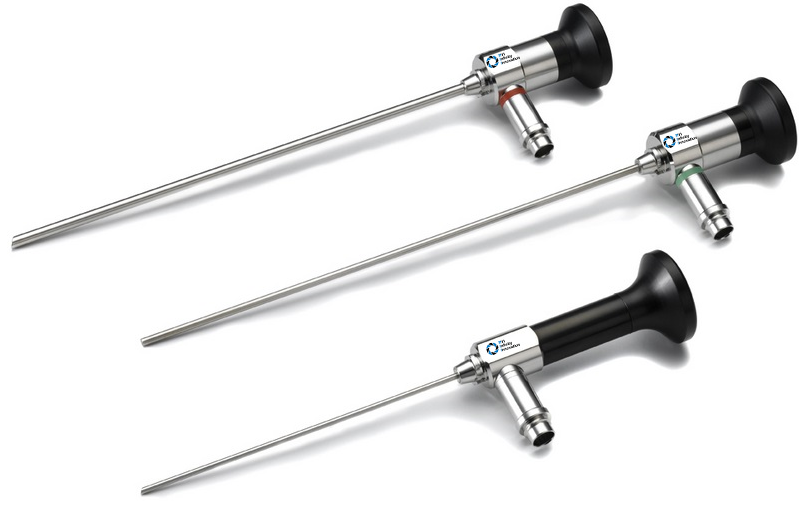
- Rigid optical scopes
- Fixed workstation systems
In many industries, traditional inspection often requires partial or complete system teardown to access internal components.
Typical traditional inspection applications include:
- Engine disassembly inspection
- Manual weld inspection
- Mechanical teardown diagnostics
- Laboratory-based inspection
- Fixed production inspection stations
Advantages of Traditional Inspection
- Direct physical access to components
- Suitable for complete repair operations
- Established maintenance procedures
- Possible high optical precision in controlled environments
Limitations of Traditional Inspection
- Time-consuming disassembly
- Higher labor cost
- Longer equipment downtime
- Risk of secondary damage during disassembly
- Limited flexibility for field inspection
What is Portable Videoscope Inspection?
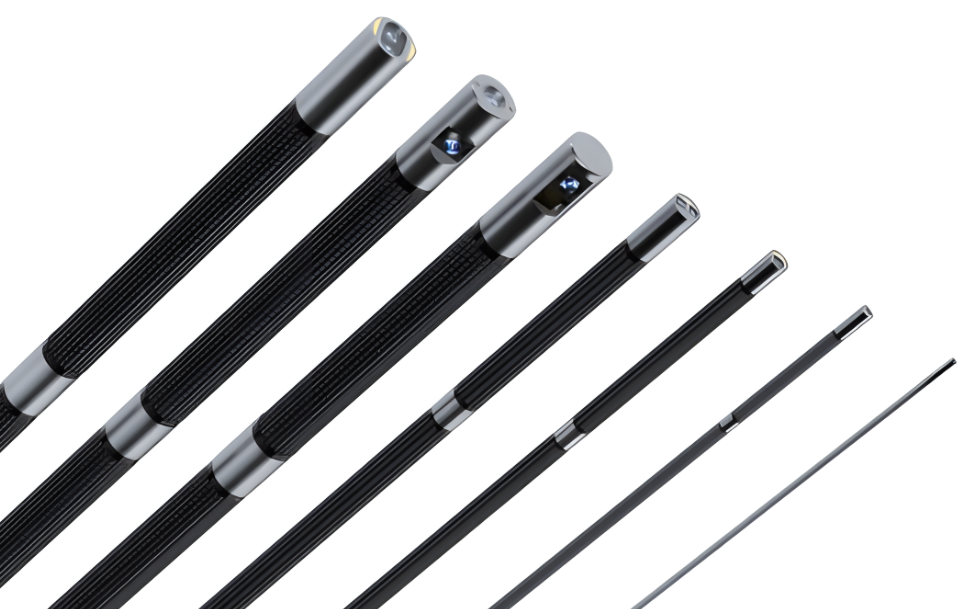
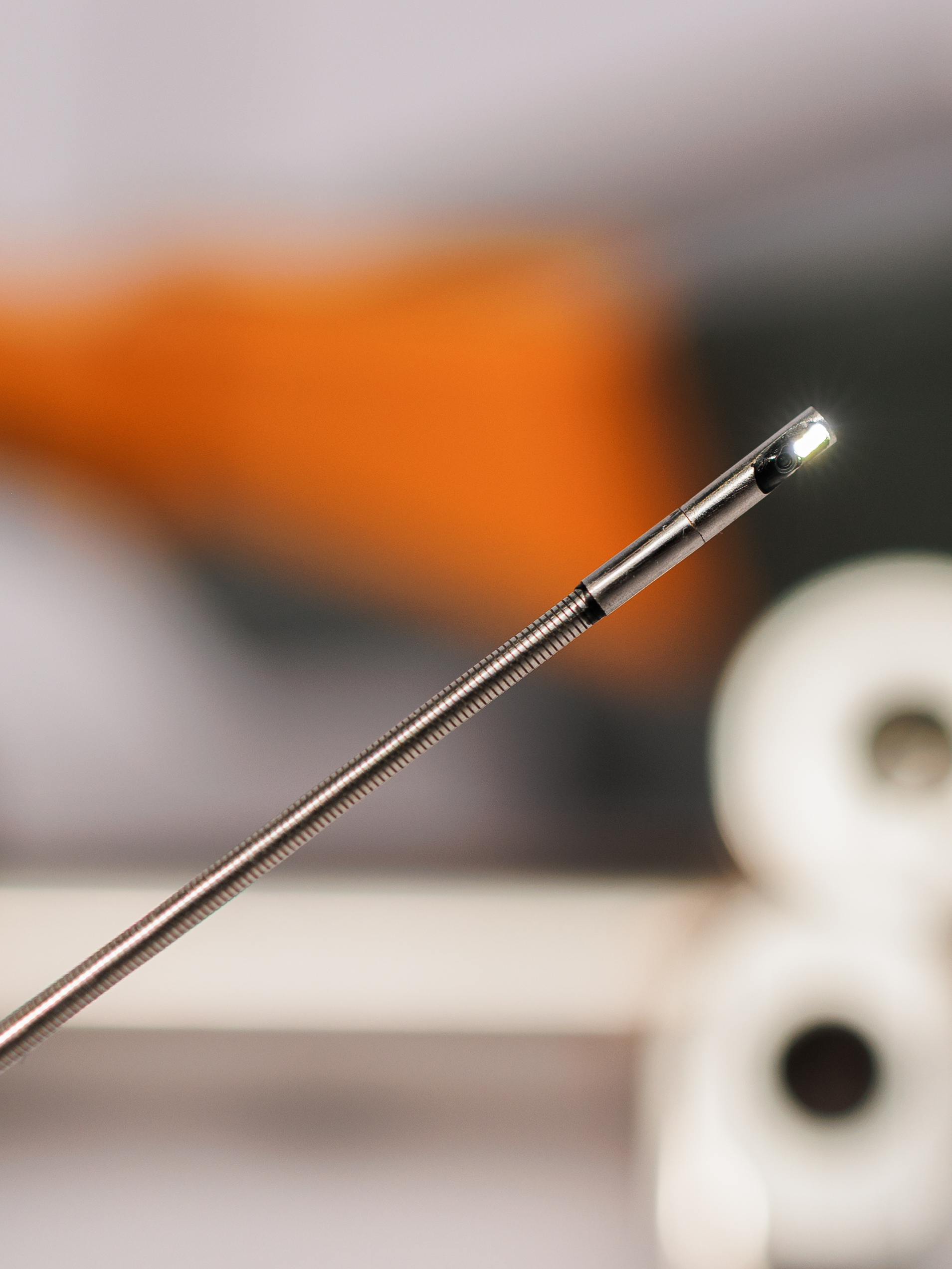
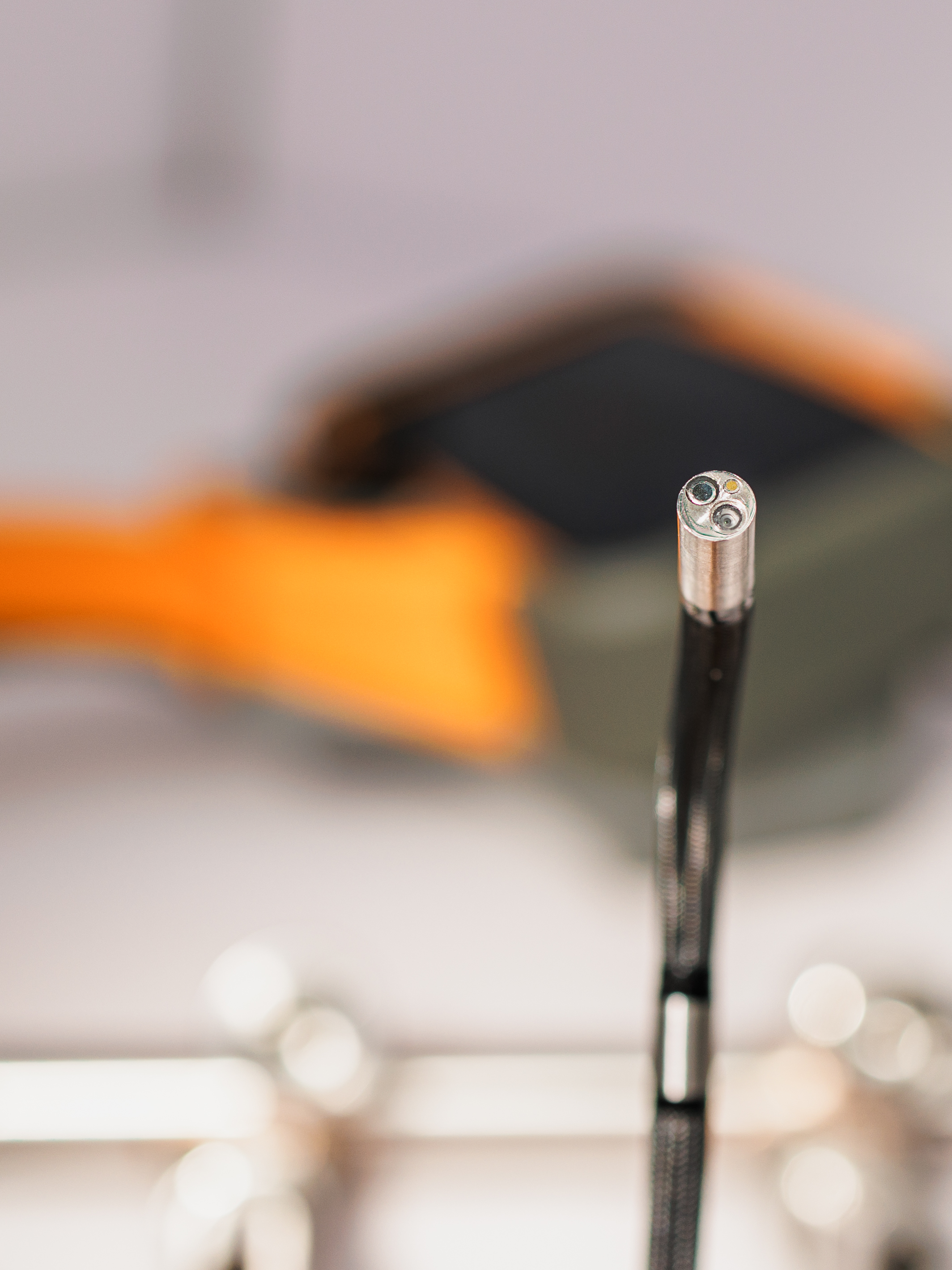
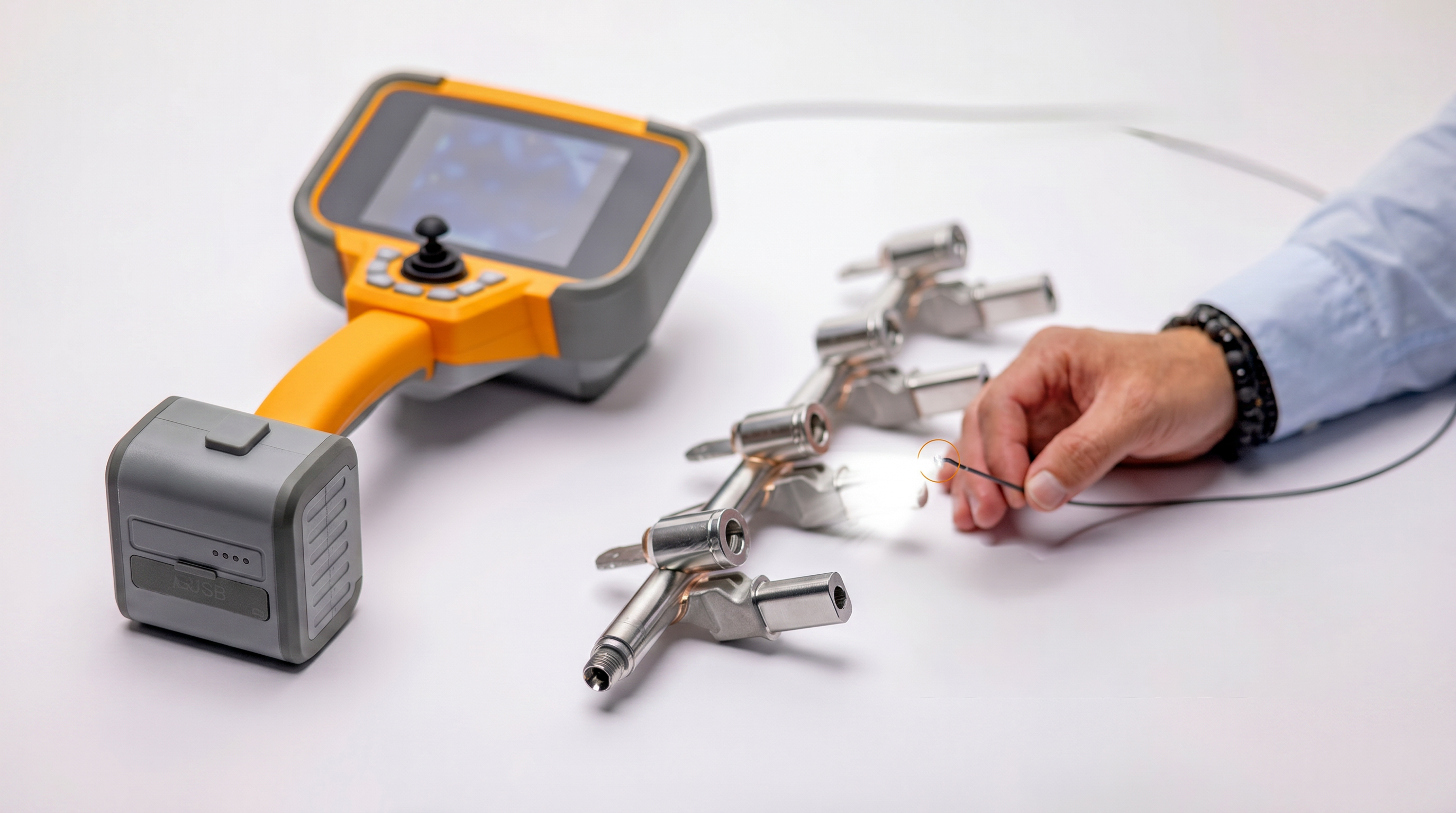
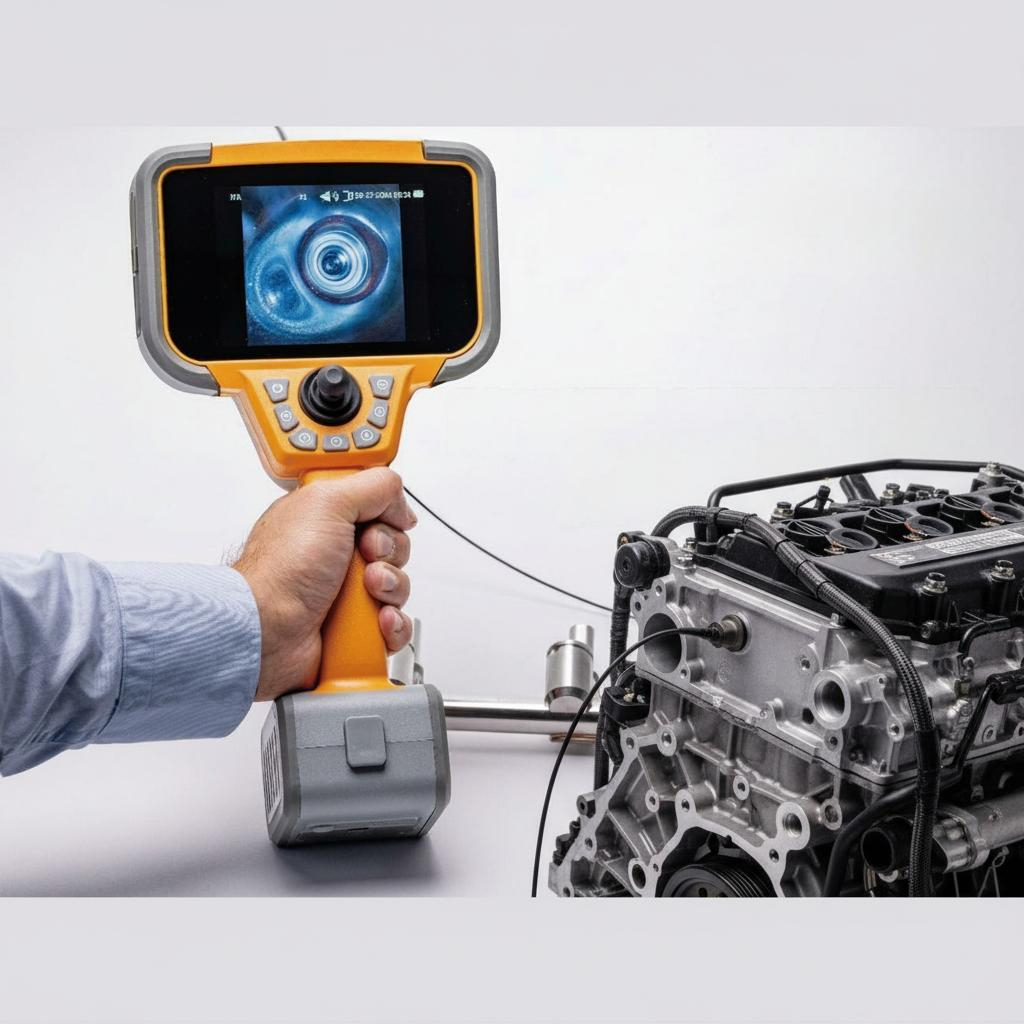
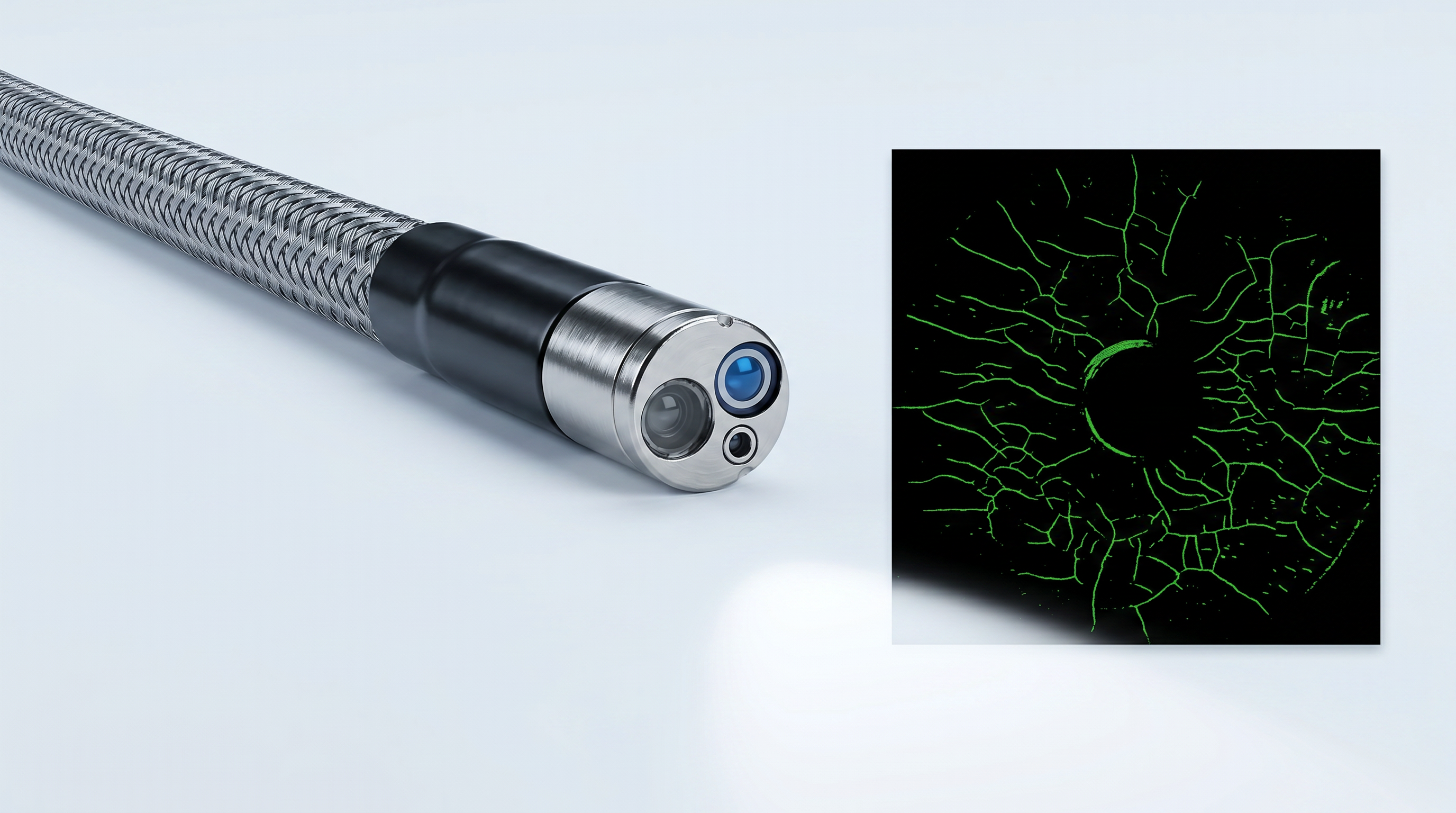
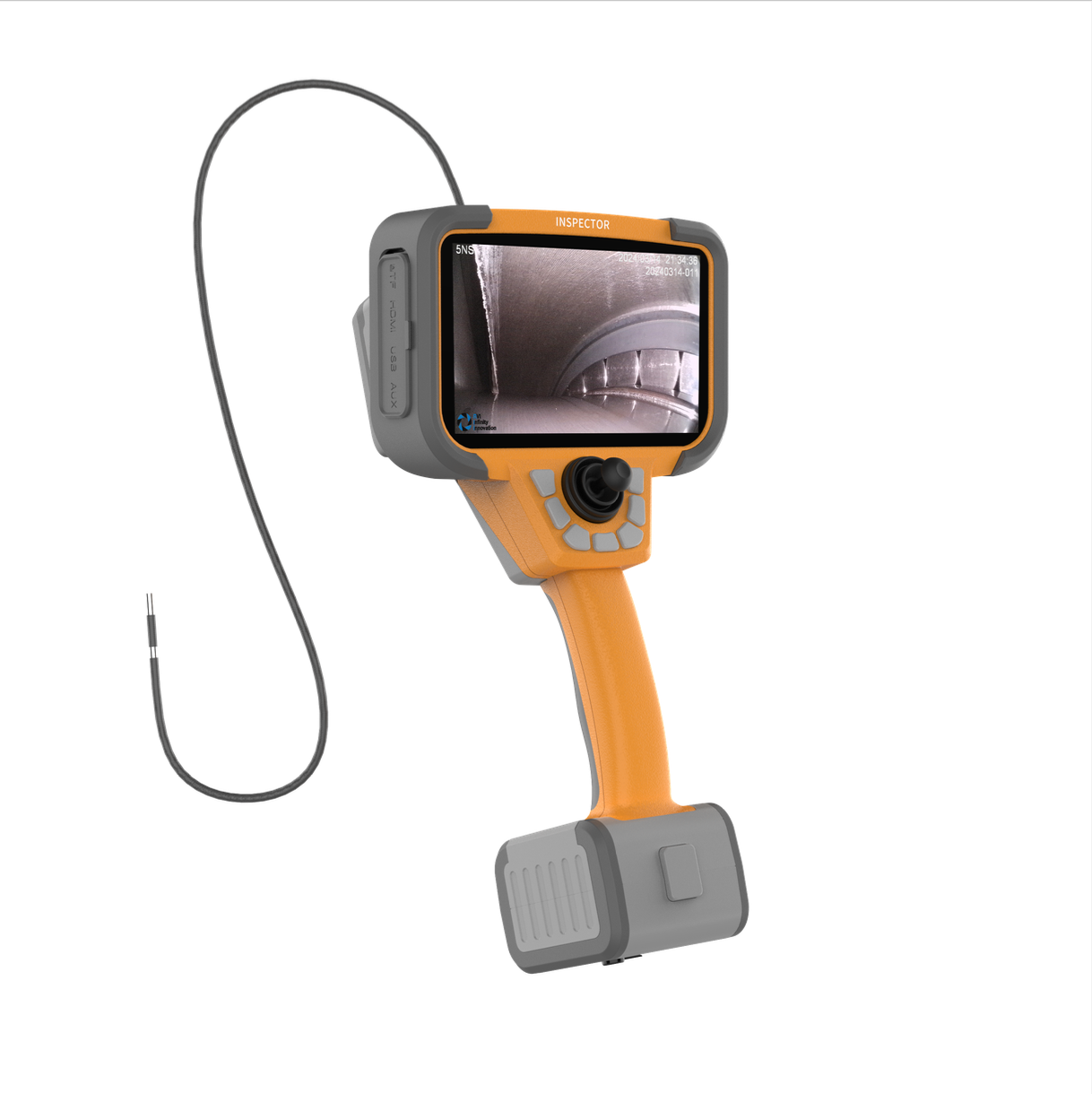
Portable videoscope inspection uses compact handheld inspection systems with flexible probes and integrated imaging technology to inspect internal areas without major disassembly.
Modern portable videoscopes commonly include:
- HD imaging systems
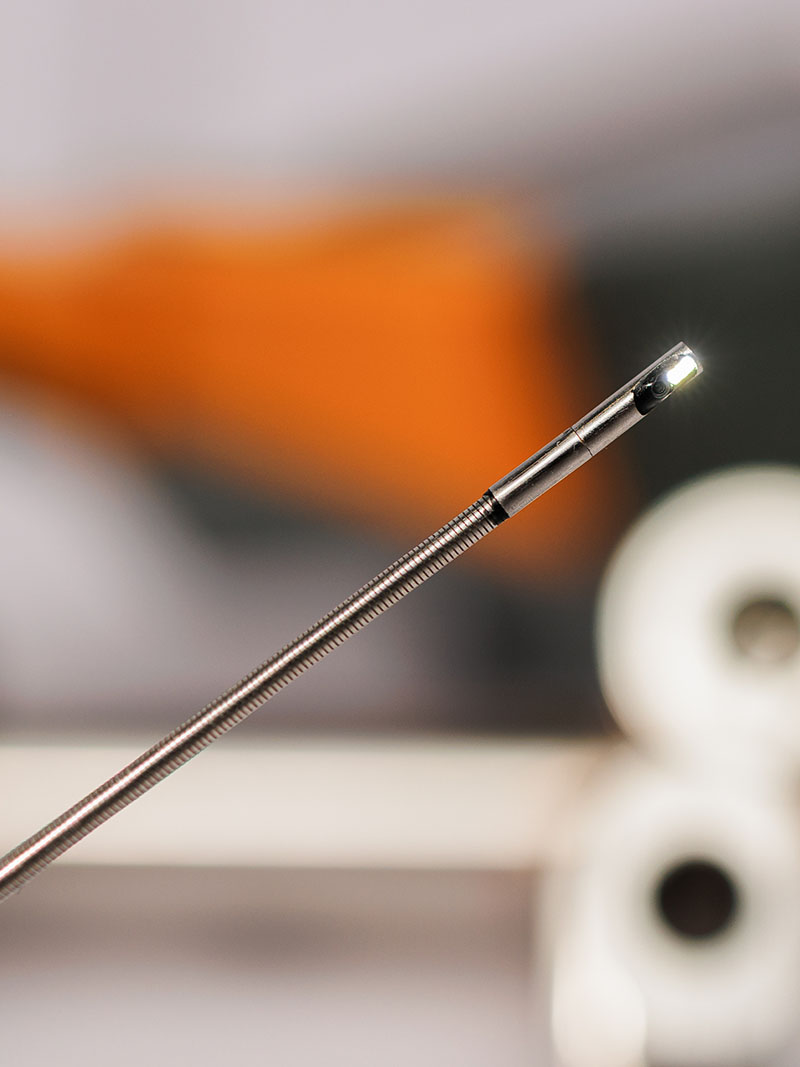
- Articulating probes
- Battery-powered operation
- Integrated image recording
- Portable touchscreen displays
Portable videoscope systems are widely used in:
- Aerospace maintenance
- Automotive inspection
- Turbine inspection
- Power generation maintenance
- Pipeline inspection
- Industrial troubleshooting
Advantages of Portable Videoscope Inspection
- Minimal equipment disassembly
- Reduced inspection time
- Lower maintenance cost
- Reduced downtime
- Fast field deployment
- Non-destructive inspection capability
- Easy documentation and reporting
Limitations of Portable Videoscope Inspection
- Indirect visual access only
- Inspection quality depends on access geometry
- Complex defects may still require disassembly
- Probe handling requires operator skill
Comparison Between Portable Videoscope and Traditional Inspection
| Feature | Traditional Inspection | Portable Videoscope Inspection |
|---|---|---|
| Equipment Disassembly | Often required | Minimal or unnecessary |
| Inspection Speed | Slower | Faster |
| Downtime | Higher | Lower |
| Mobility | Limited | Excellent |
| Field Inspection Capability | Limited | Excellent |
| Labor Requirement | Higher | Lower |
| Documentation Capability | Basic | Integrated image and video recording |
| Inspection Accessibility | Direct access only | Internal remote access |
Why Portable Videoscope Inspection Became Essential
Modern industrial systems have become increasingly complex and expensive to disassemble.
Industries such as aerospace, energy, automotive, and power generation require:
- Reduced downtime
- Predictive maintenance
- Fast troubleshooting
- Lower maintenance cost
- Improved inspection documentation
Portable videoscope inspection allows technicians to inspect internal components directly through small access openings without major teardown procedures.
This significantly improves maintenance efficiency and operational flexibility.
Typical Applications Replacing Traditional Inspection
Aircraft Engine Inspection
Instead of complete engine disassembly, inspectors can evaluate turbine blades and combustion chambers through service ports using articulated videoscopes.
Automotive Engine Diagnostics
Portable videoscopes allow piston, cylinder, and valve inspection without removing the engine.
Power Generation Maintenance
Gas turbines and boilers can be inspected internally during scheduled maintenance shutdowns with minimal dismantling.
Industrial Pipe Inspection
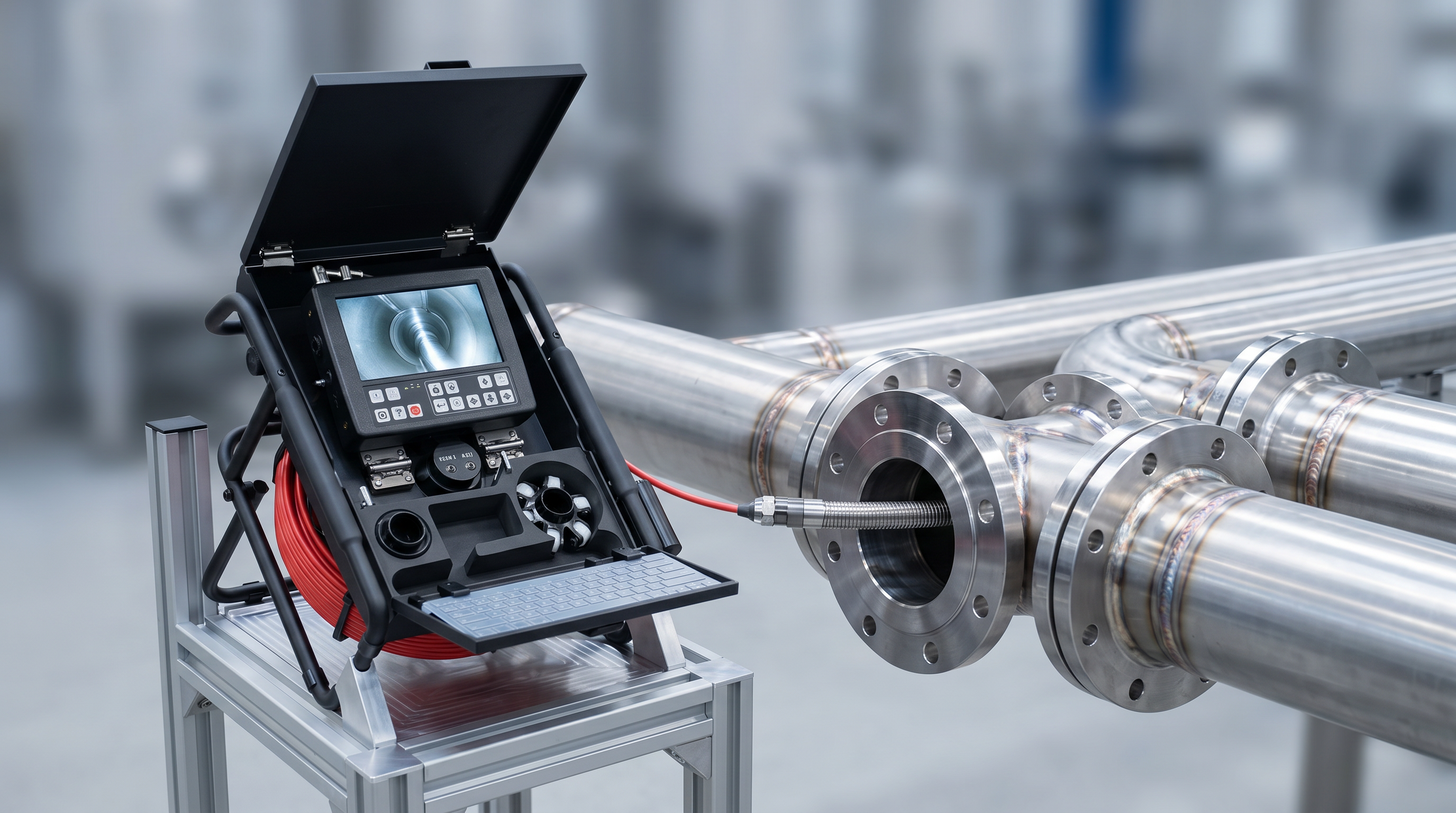
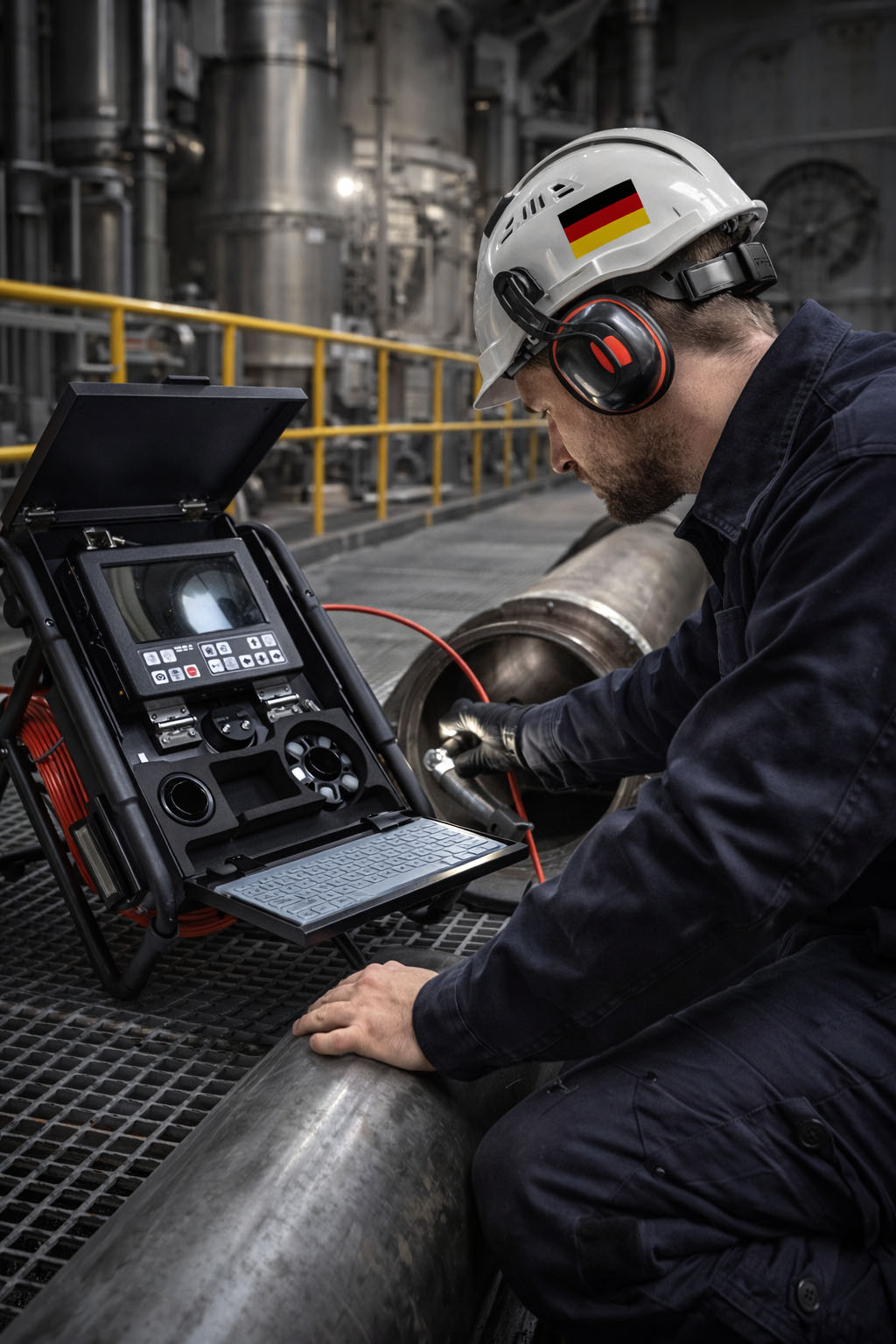
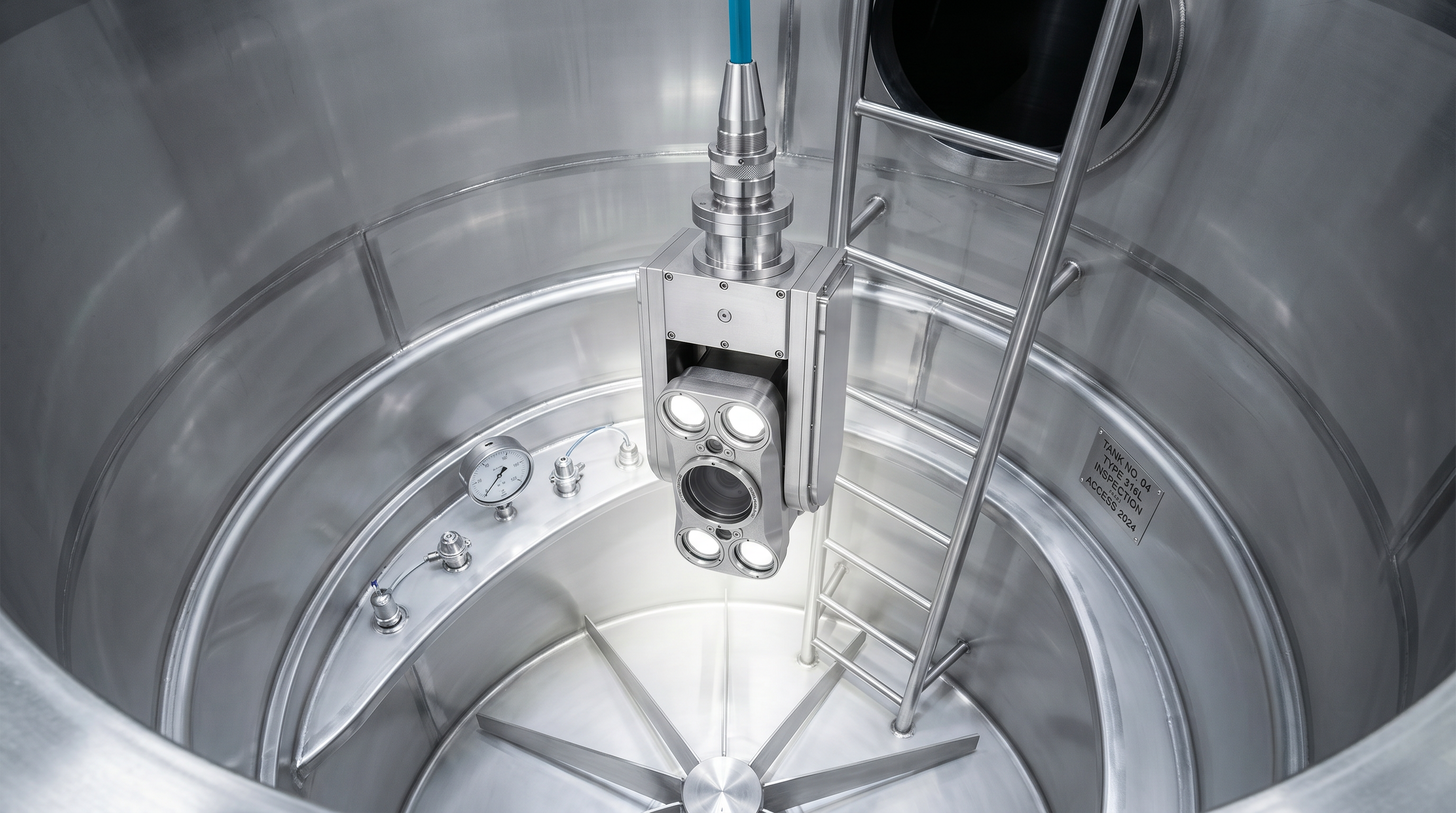
Flexible videoscopes provide internal inspection capability inside pipes, welds, and heat exchangers without cutting or disassembly.
When Traditional Inspection is Still Necessary
Traditional inspection methods remain important when:
- Physical repair is required
- Complete component access is necessary
- Severe damage is suspected
- Detailed dimensional measurement is required
- Inspection standards require direct access
Portable videoscope inspection often works together with traditional maintenance procedures rather than completely replacing them.
Modern Inspection Workflow
Many industrial maintenance workflows now follow this sequence:
- Portable videoscope inspection for rapid diagnosis
- Defect evaluation and documentation
- Decision on whether disassembly is necessary
- Targeted repair operation if required
This approach reduces unnecessary teardown operations and improves maintenance efficiency.
Conclusion
Portable videoscope inspection has transformed modern industrial maintenance by reducing downtime, minimizing disassembly, and improving inspection flexibility.
While traditional inspection methods remain important for repair and detailed mechanical access, portable videoscopes have become essential tools for fast and efficient non-destructive inspection.
In many industries, portable videoscope inspection is now the first step in modern maintenance and troubleshooting workflows.
FAQ
What is the biggest advantage of portable videoscope inspection?
The biggest advantage is the ability to inspect internal components without major disassembly, reducing downtime and maintenance cost.
Can portable videoscopes completely replace traditional inspection?
No. Portable videoscopes are excellent for inspection and diagnostics, but traditional inspection and disassembly are still necessary for many repair operations.
Why are portable videoscopes widely used in aerospace maintenance?
Aircraft engines and turbine systems are extremely complex and expensive to disassemble. Portable videoscopes allow rapid internal inspection through small access ports.
Are portable videoscopes considered non-destructive testing tools?
Yes. Videoscope inspection is commonly classified as a non-destructive testing (NDT) or remote visual inspection (RVI) method.
Can portable videoscopes record inspection images and videos?
Yes. Modern portable videoscopes commonly support image capture, video recording, and inspection reporting functions.
Which industries use portable videoscope inspection most frequently?
Common industries include aerospace, automotive, power generation, oil and gas, manufacturing, and industrial maintenance.
When is traditional inspection still preferred?
Traditional inspection remains necessary when direct physical access, component repair, or detailed mechanical evaluation is required.
Does portable inspection reduce maintenance cost?
Yes. By reducing unnecessary disassembly and shortening downtime, portable videoscope inspection can significantly reduce maintenance costs.