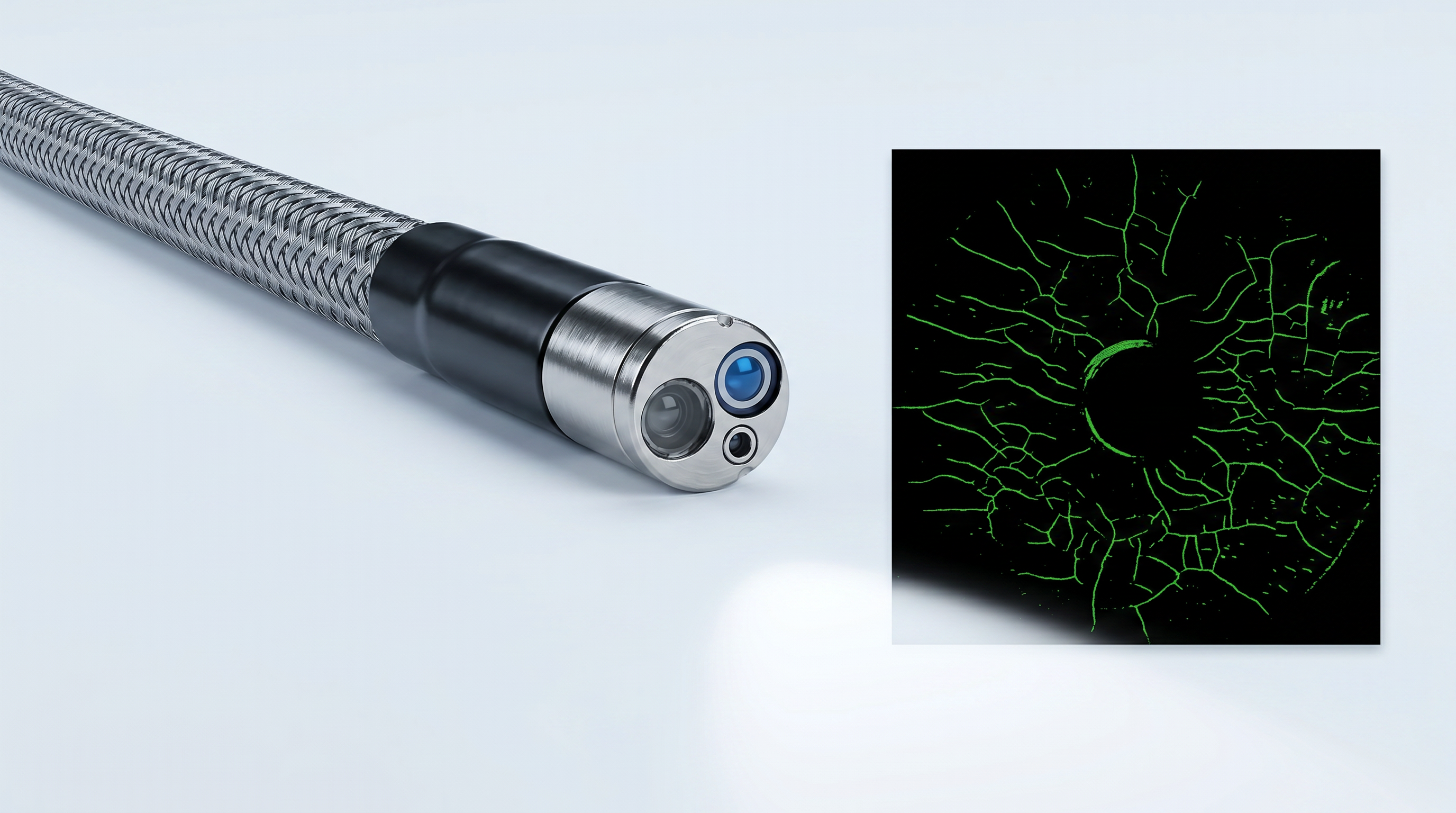
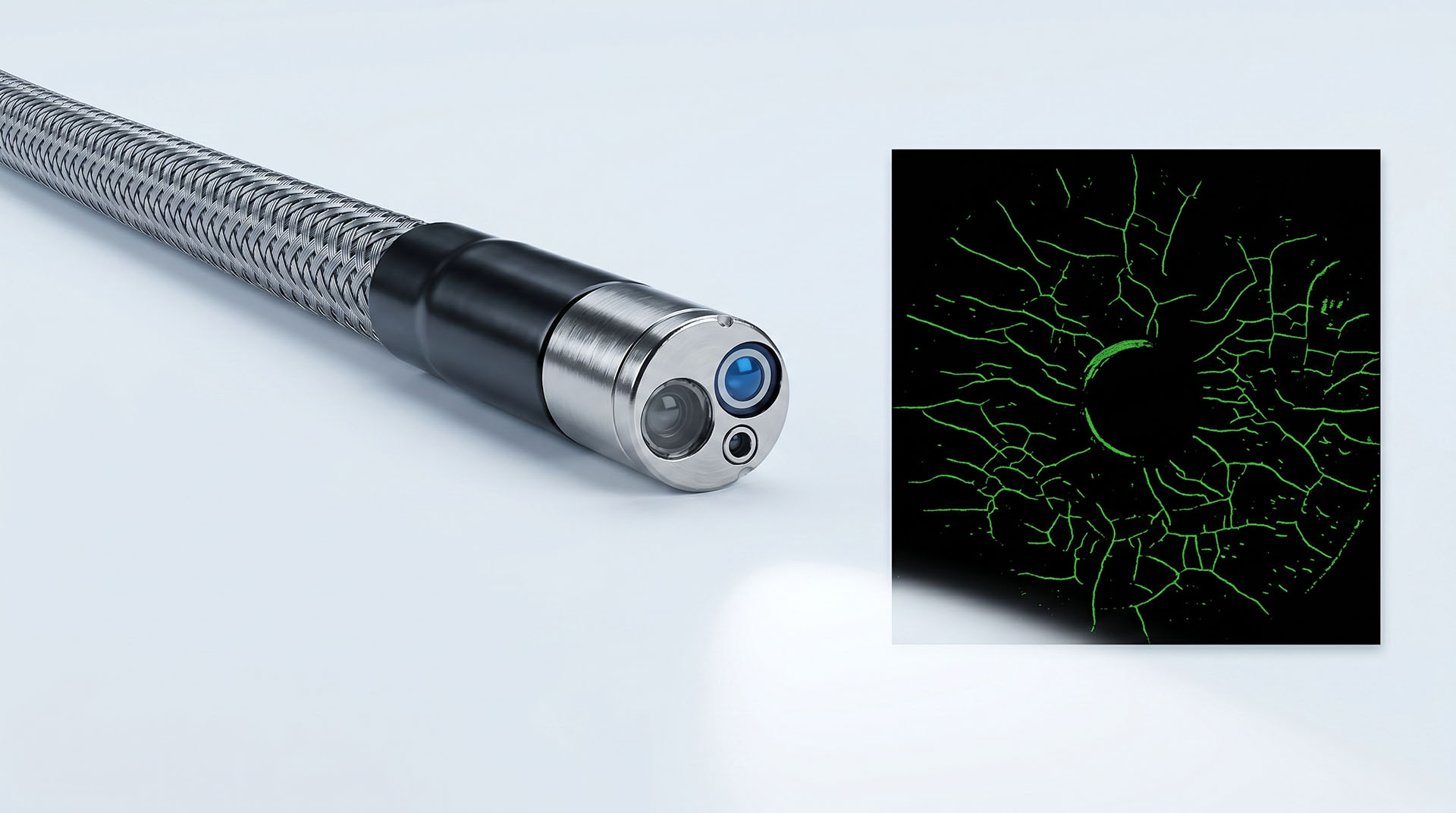
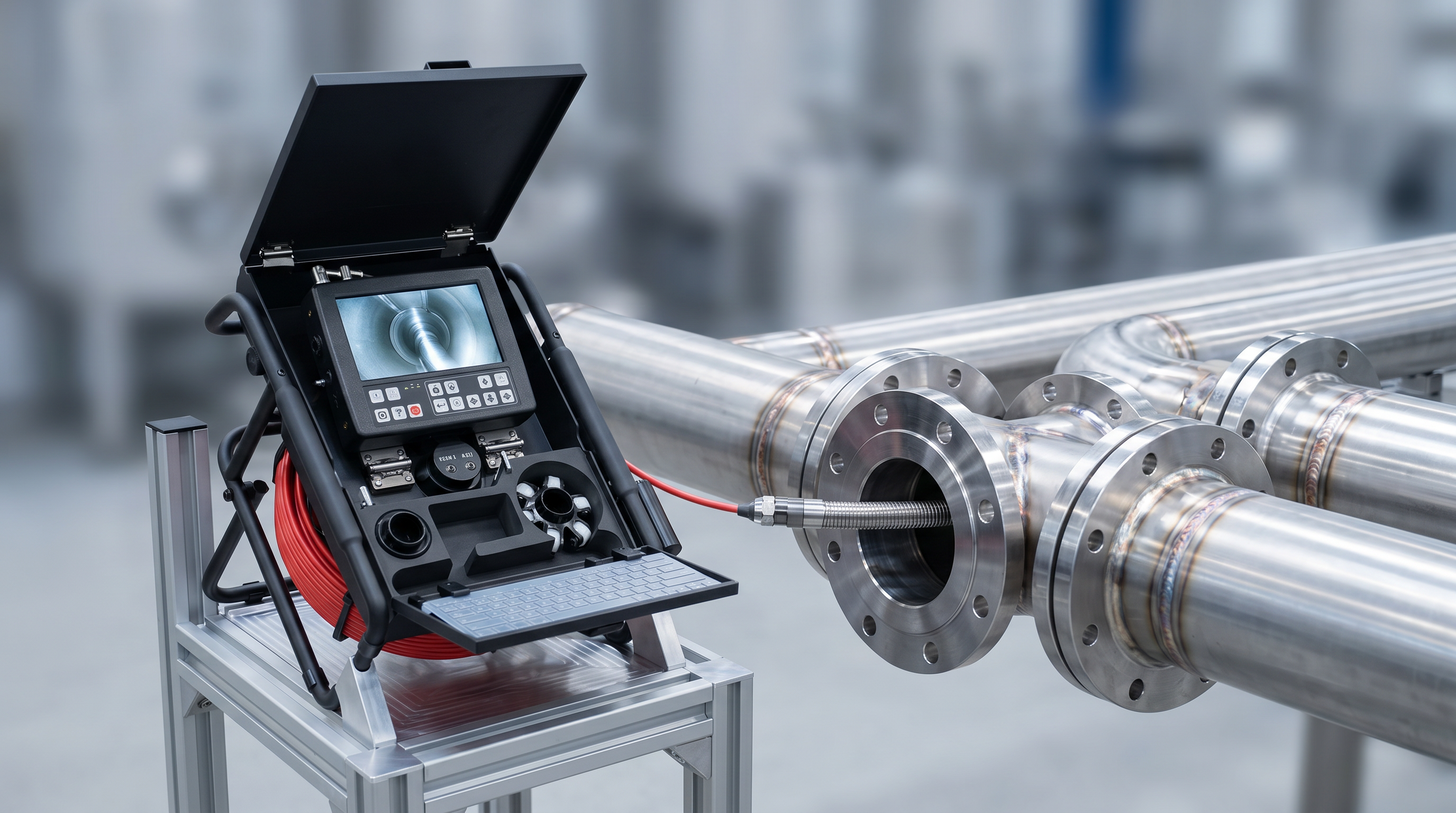
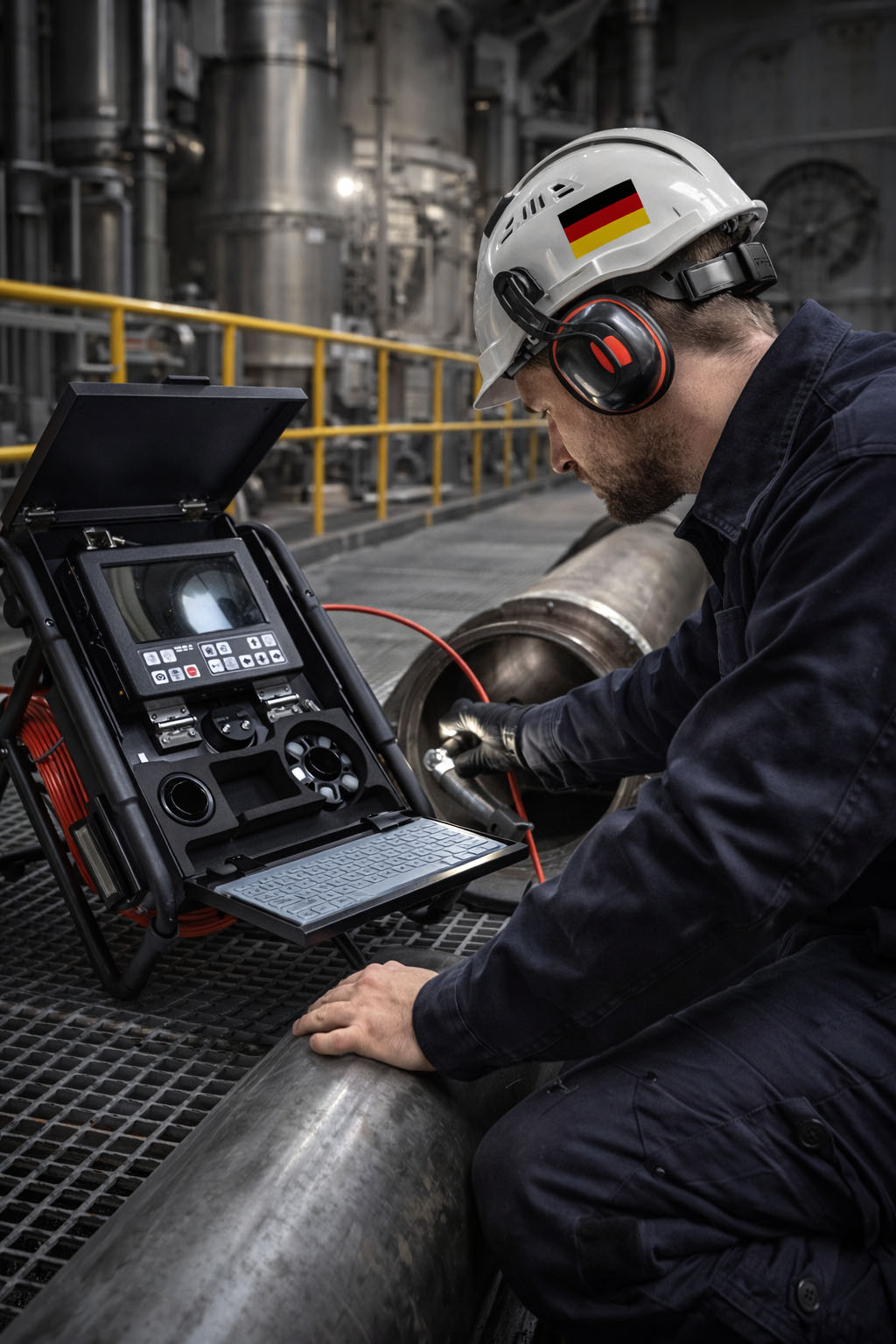
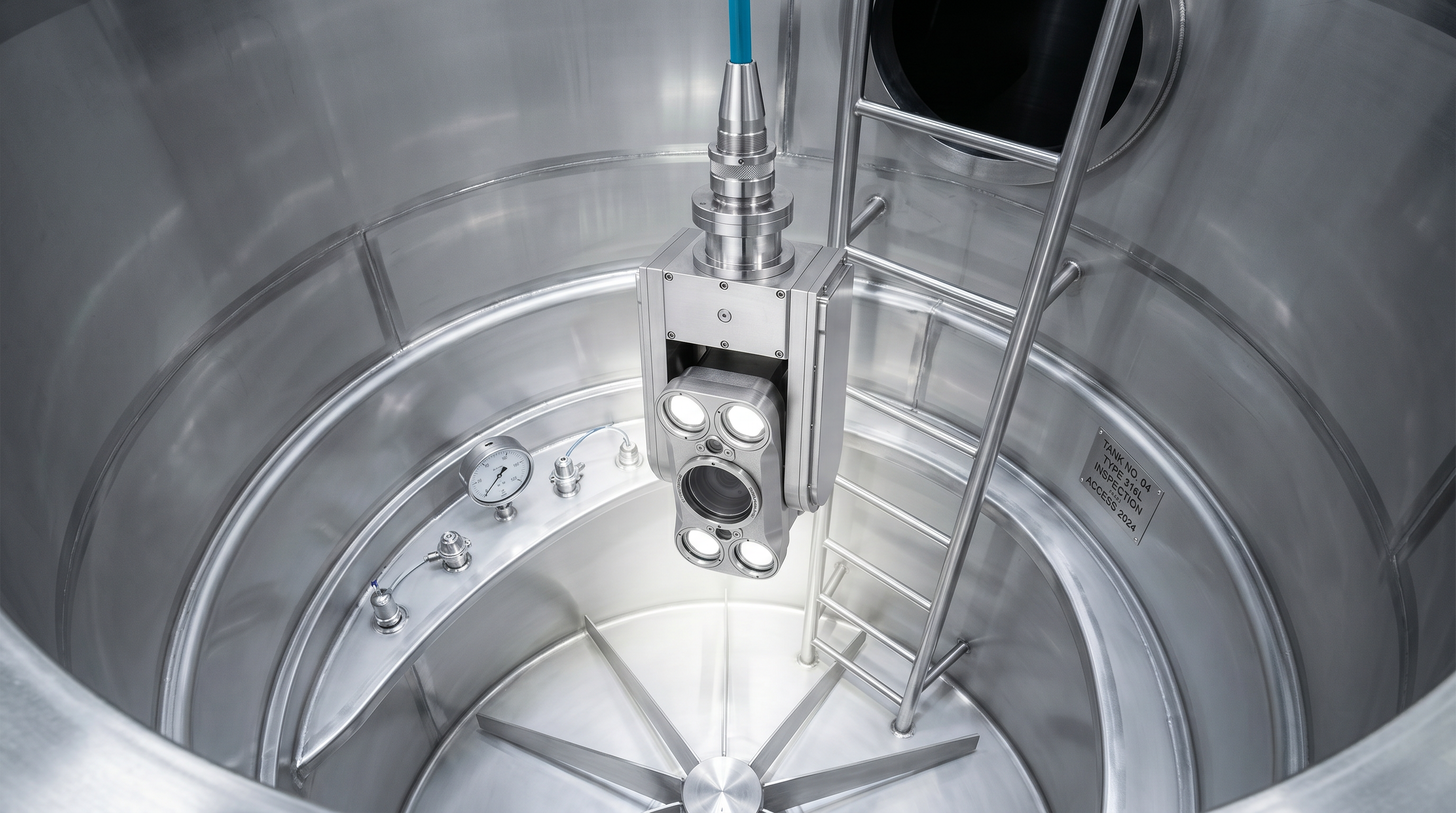
0.95 mm vs 2.8 mm Videoscope
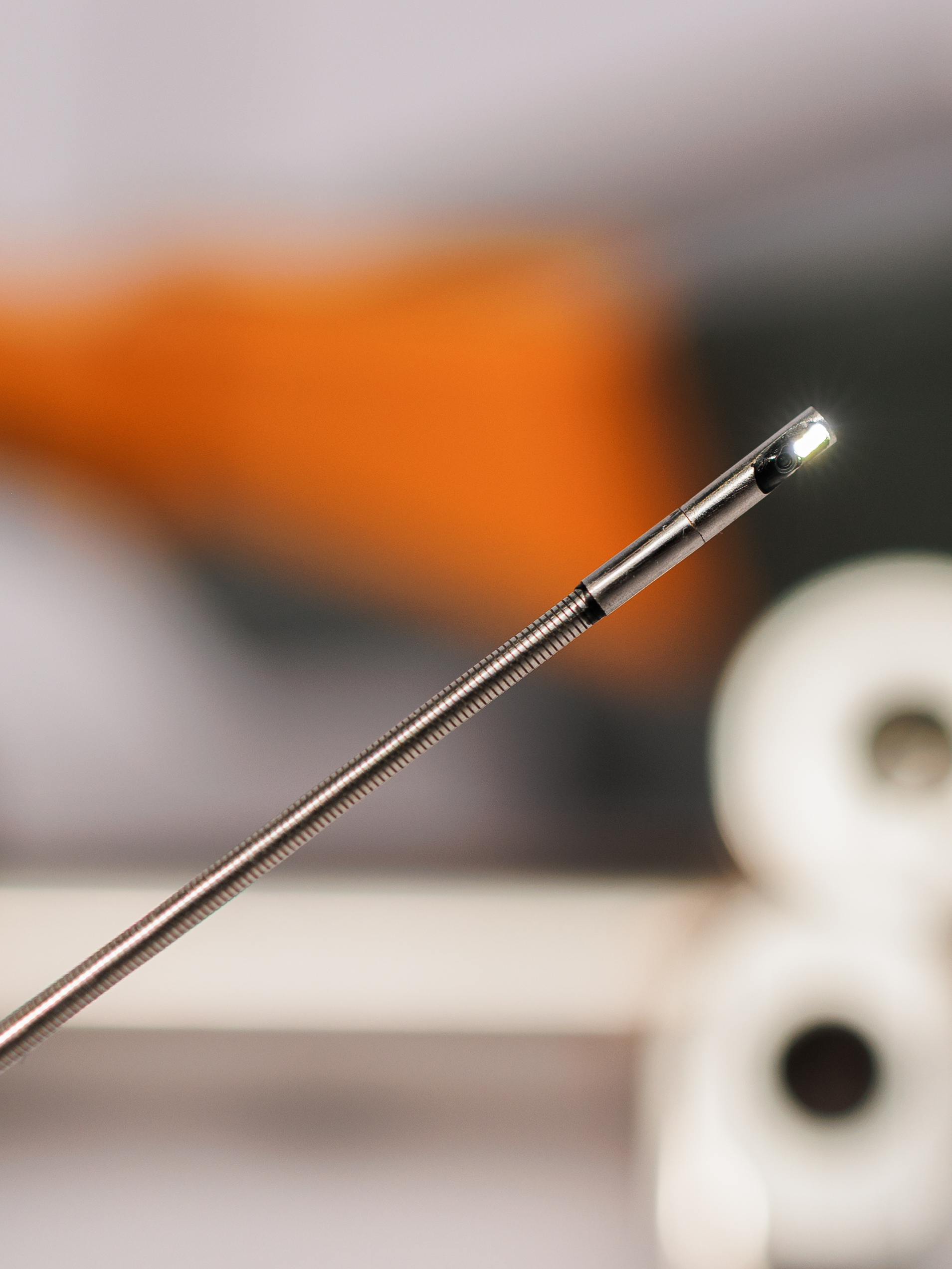
0.95 mm vs 2.8 mm Videoscope Probes
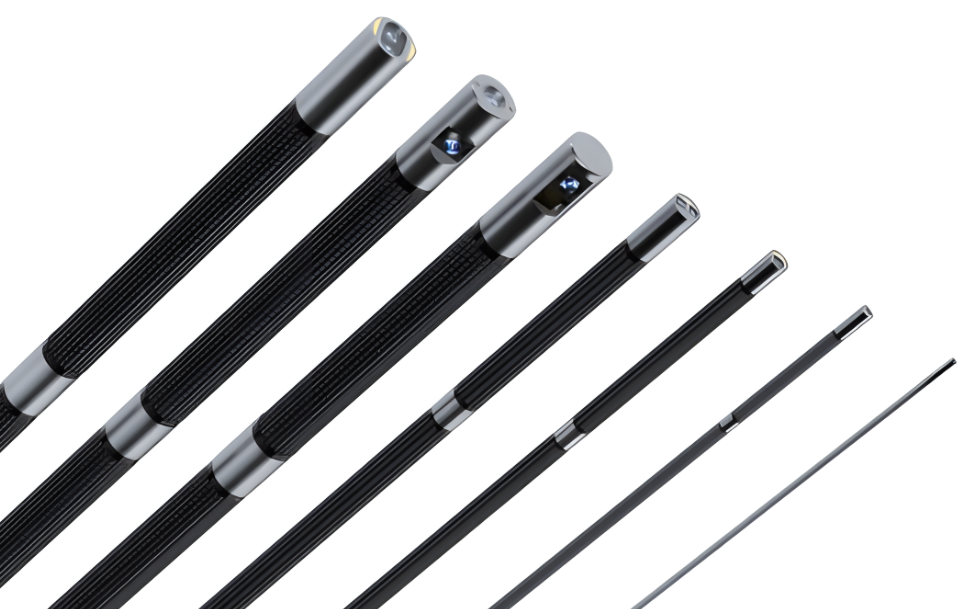
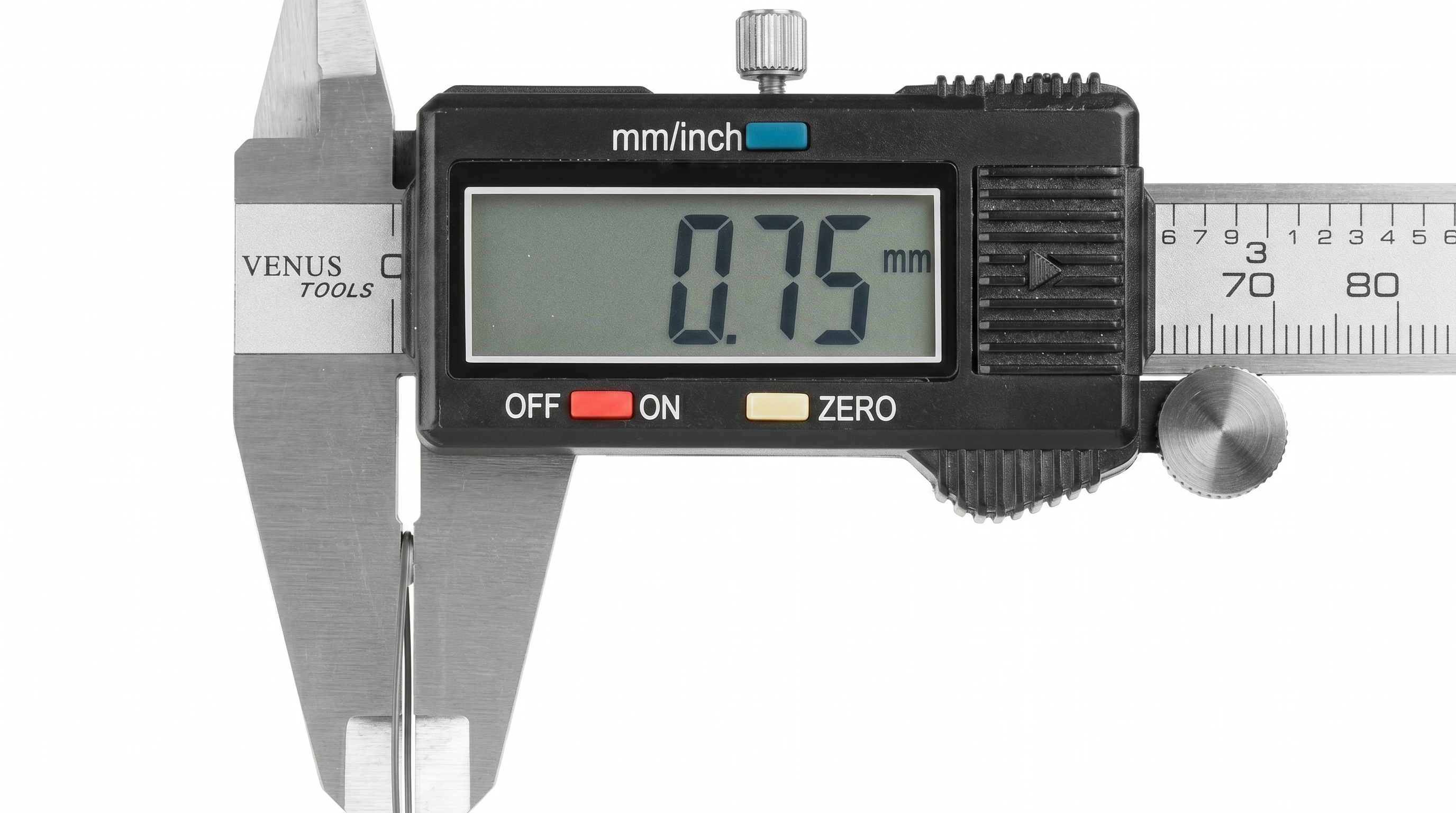
Probe diameter is one of the most important factors in industrial videoscope inspection. Two commonly compared probe sizes are ultra-thin 0.95 mm probes and versatile 2.8 mm probes.
Although both are designed for narrow access inspection, they serve very different inspection purposes and operational environments.
Choosing the correct diameter depends on:
Access limitation
Required image quality
Inspection distance
Durability requirements
Articulation needs
What is a 0.95 mm Videoscope?
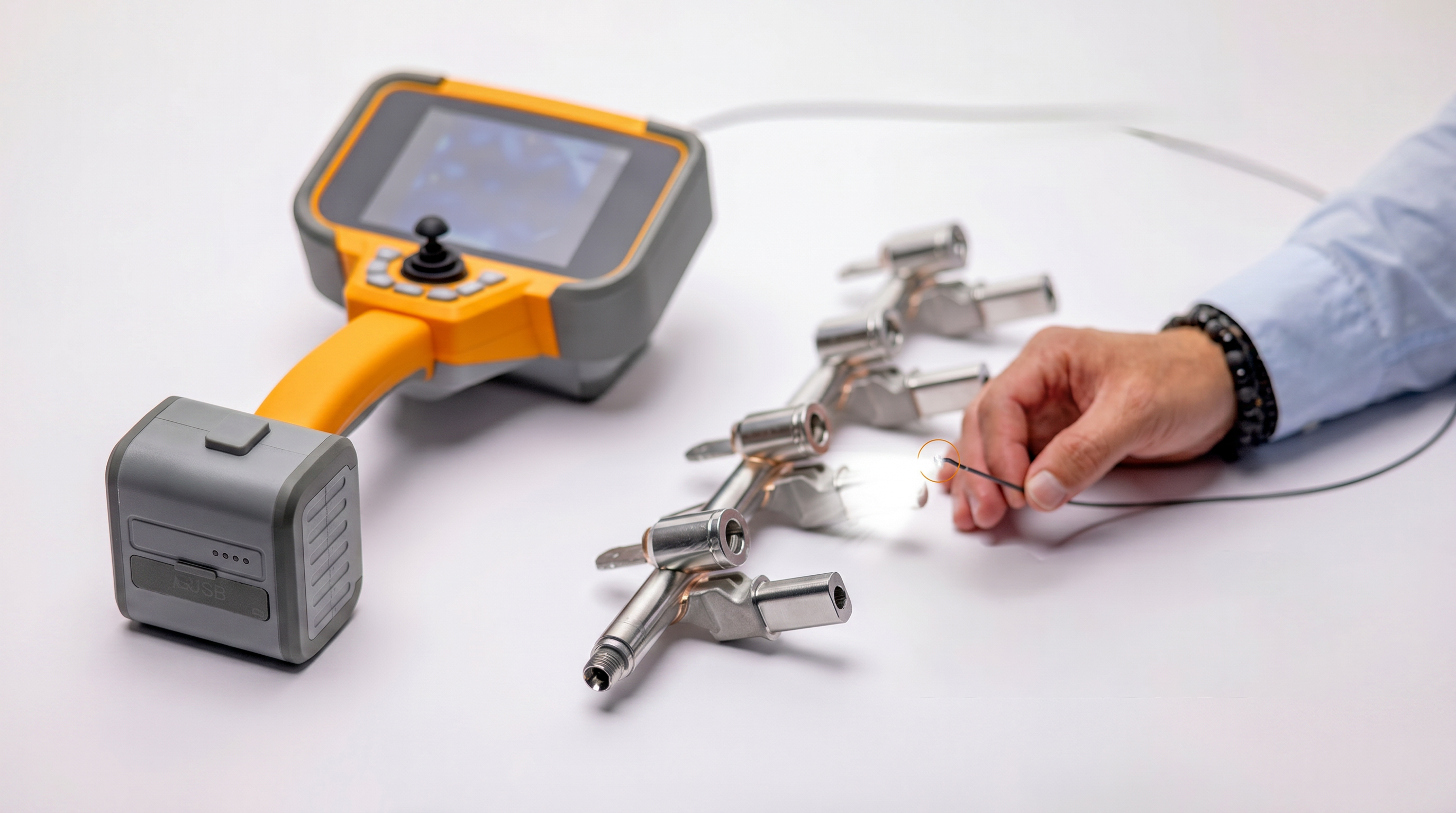
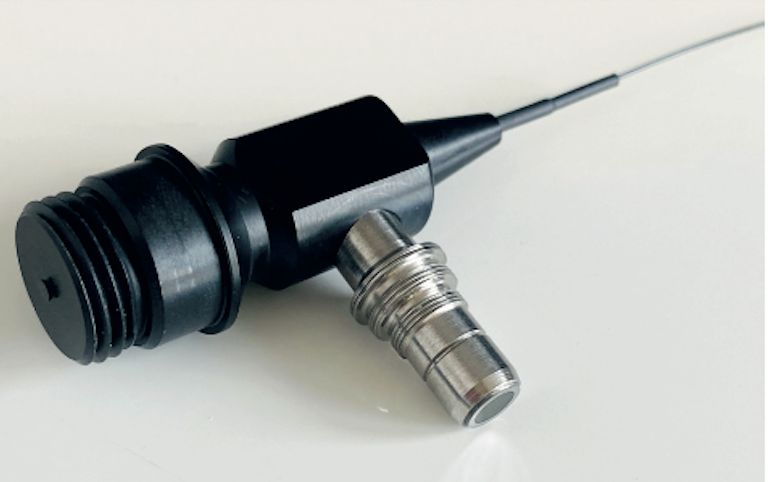
A 0.95 mm videoscope is an ultra-thin industrial inspection probe designed for extremely narrow access points where larger probes cannot physically enter.
Typical applications include:
Aerospace cooling holes
Fuel injector inspection
Precision mechanical components
Micro channel inspection
Research and laboratory applications
Advantages of 0.95 mm Probes
Extremely small access capability
Suitable for micro inspection tasks
Can access areas impossible for larger probes
Useful for highly restricted geometries
Limitations of 0.95 mm Probes
Lower image resolution
Limited illumination performance
More delicate structure
Higher repair cost
Limited articulation capability
Shorter service life in harsh environments
What is a 2.8 mm Videoscope?
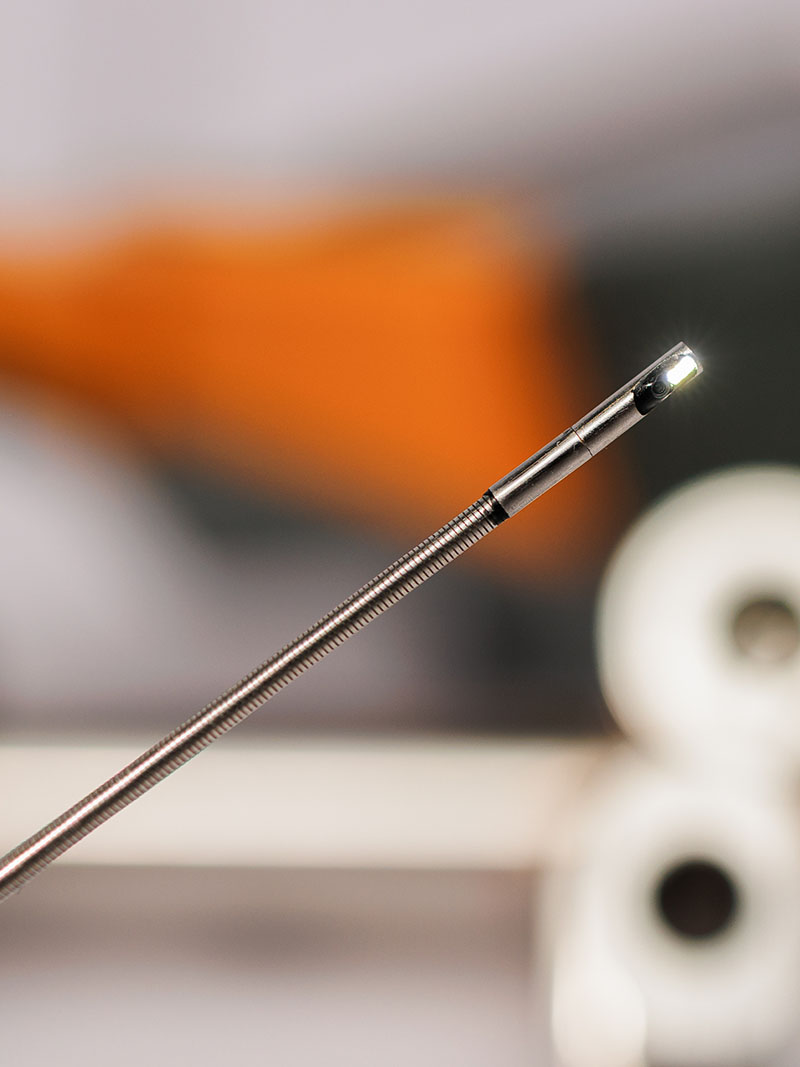
A 2.8 mm videoscope is considered a versatile small-diameter industrial inspection solution that balances accessibility and practical inspection performance.
Typical applications include:
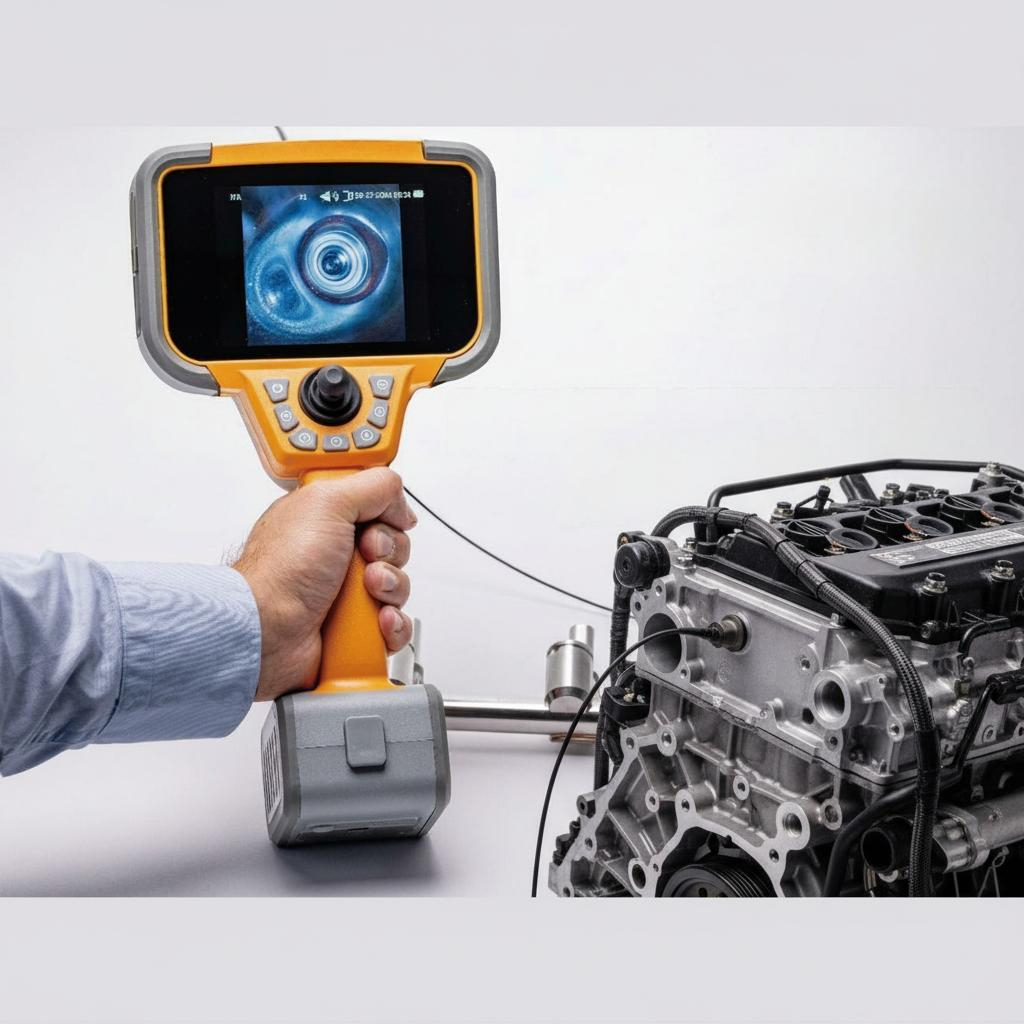
Automotive engine inspection
Casting inspection
Heat exchanger inspection
Industrial maintenance
General visual inspection
Advantages of 2.8 mm Probes
Better image quality
Stronger illumination
Better durability
Improved articulation capability
Suitable for wider industrial applications
More practical for daily industrial use
Limitations of 2.8 mm Probes
Cannot access ultra-small openings
Larger bending radius
Less suitable for micro channels
Comparison Between 0.95 mm and 2.8 mm Videoscopes
| Feature | 0.95 mm Videoscope | 2.8 mm Videoscope |
|---|---|---|
| Primary Purpose | Ultra-small access inspection | General narrow access inspection |
| Typical Resolution | 400 × 400 | 400 × 400 |
| Illumination Performance | Limited | Better |
| Durability | Delicate | More robust |
| Articulation Capability | Limited | Better flexibility |
| Typical Inspection Distance | Short range | Short to medium range |
| Repair Cost | Higher | Moderate |
| Industrial Versatility | Specialized | Highly versatile |
Why 0.95 mm Probes are Technically Challenging
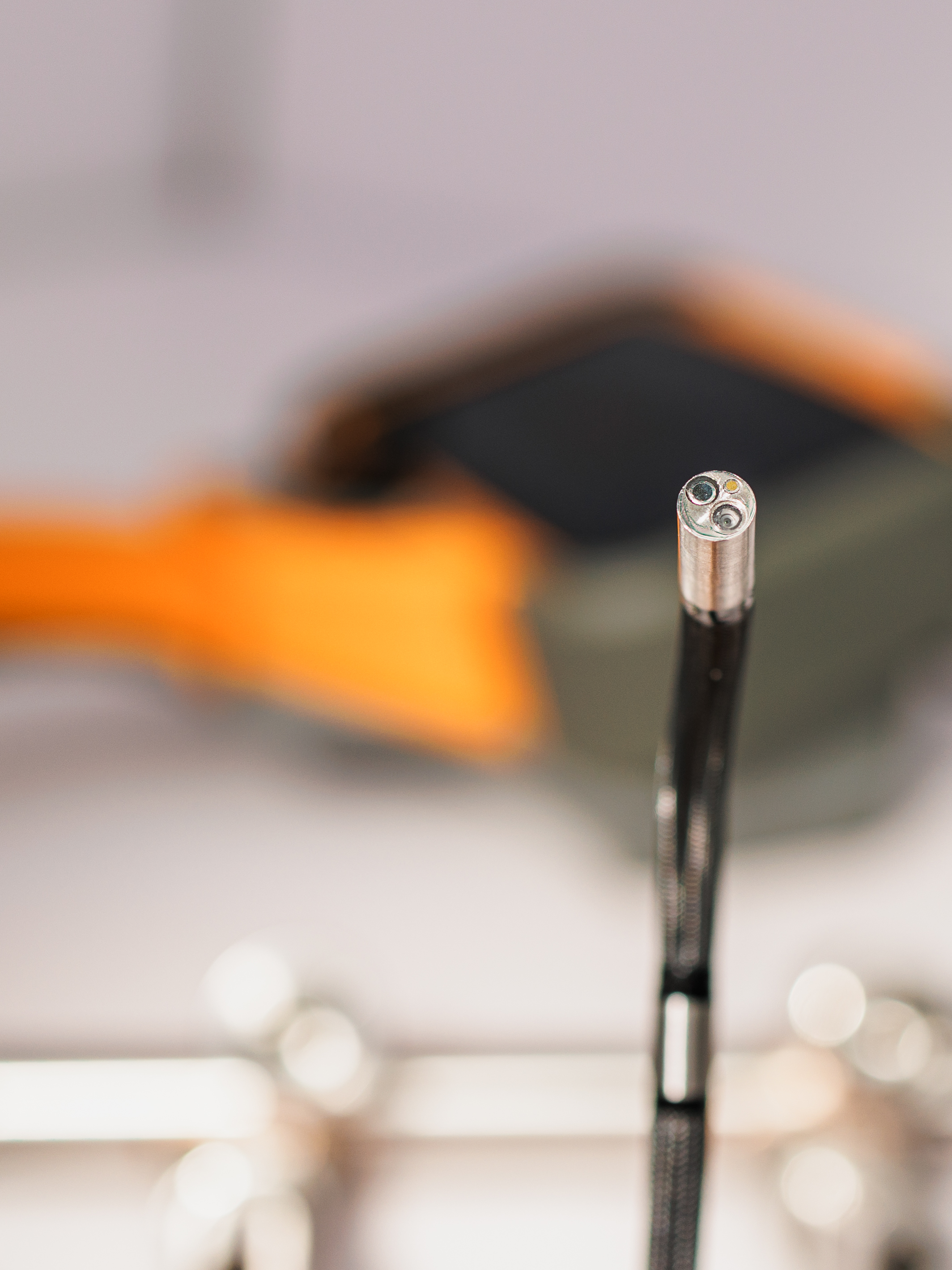
Inside a 0.95 mm probe, engineers must integrate:
Miniature camera sensor
Lens system
Fiber or LED illumination
Signal transmission wiring
Protective outer tube
The available internal space is extremely limited, making manufacturing and repair significantly more difficult than larger diameter probes.
Because of this complexity, ultra-thin probes are usually:
More expensive
More fragile
More sensitive to bending damage
Why 2.8 mm is Often Considered the Practical Industrial Balance
2.8 mm probes are widely used because they offer a strong balance between:
Access capability
Image quality
Durability
Operational reliability
In many industrial inspections, a 2.8 mm probe can still access narrow areas while providing much better handling and durability compared with ultra-thin probes.
Inspection Workflow Considerations
Ultra-thin probes are typically selected only when absolutely necessary.
In many cases, inspectors prefer larger probes whenever possible because they provide:
Better brightness
Stronger articulation
Longer lifetime
Lower operating risk
The general industrial rule remains:
Choose the largest probe diameter that can safely access the inspection area.
Typical Industry Applications
0.95 mm Probe Applications
Aircraft cooling hole inspection
Fuel nozzle inspection
Micro mechanical components
Laboratory inspection
2.8 mm Probe Applications
Automotive engine inspection
Heat exchanger inspection
Industrial maintenance
Casting inspection
General industrial RVI
Conclusion
0.95 mm and 2.8 mm videoscopes are designed for very different inspection priorities.
The 0.95 mm probe focuses on maximum access capability for extremely restricted environments, while the 2.8 mm probe offers a more balanced industrial solution with improved durability and operational practicality.
For most industrial inspections, 2.8 mm probes provide the better balance between accessibility and inspection performance. Ultra-thin 0.95 mm probes are typically reserved for highly specialized applications where no larger probe can physically enter.
FAQ
Is a 0.95 mm videoscope better than a 2.8 mm videoscope?
Not necessarily. A 0.95 mm videoscope is better for extremely small access points, while a 2.8 mm videoscope generally provides better durability, illumination, and overall inspection performance.
Why are ultra-thin probes more expensive?
Ultra-thin probes require extremely compact internal components and precision manufacturing, making production and repair more technically challenging.
Can a 0.95 mm videoscope provide HD image quality?
Currently, ultra-thin probes below 1 mm are generally limited to lower resolution sensors due to internal space constraints.
Which probe is more durable?
The 2.8 mm probe is significantly more durable and better suited for daily industrial inspection environments.
Which probe is better for turbine inspection?
Most turbine inspections are better suited to 2.8 mm, 4 mm, or 6 mm probes unless extremely narrow access holes require an ultra-thin probe.
Why do ultra-thin probes often use fiber illumination?
Because the probe diameter is extremely small, integrating LED illumination directly at the tip becomes difficult. Fiber illumination helps deliver light from a larger external source.
Should users always choose the smallest probe possible?
No. The recommended industrial practice is to choose the largest probe diameter that can safely access the inspection area for better image quality, durability, and operational reliability.