0.95 mm Videoscope vs Fiberscope
0.95 mm Videoscope vs Fiberscope
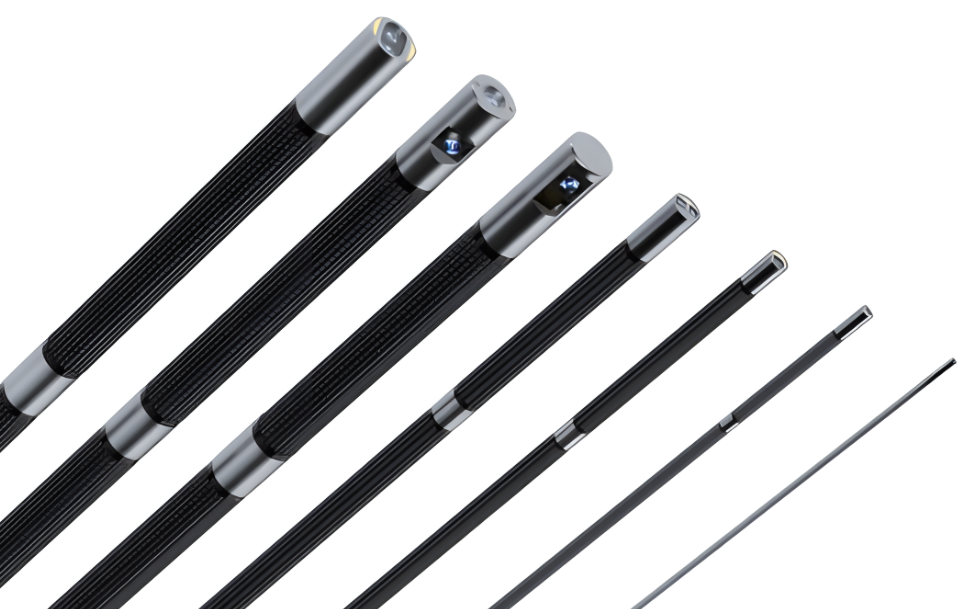
Ultra-thin inspection below 1 mm remains one of the most demanding areas in industrial visual inspection. For many years, this field was mainly dominated by fiberscopes because of their extremely small diameter and simple optical structure.
However, with the development of miniature CMOS imaging technology, ultra-thin videoscopes are increasingly becoming a practical alternative for industrial inspection tasks that require better image quality, easier documentation, and digital workflow integration.
Why Ultra-Thin Inspection Is Technically Challenging
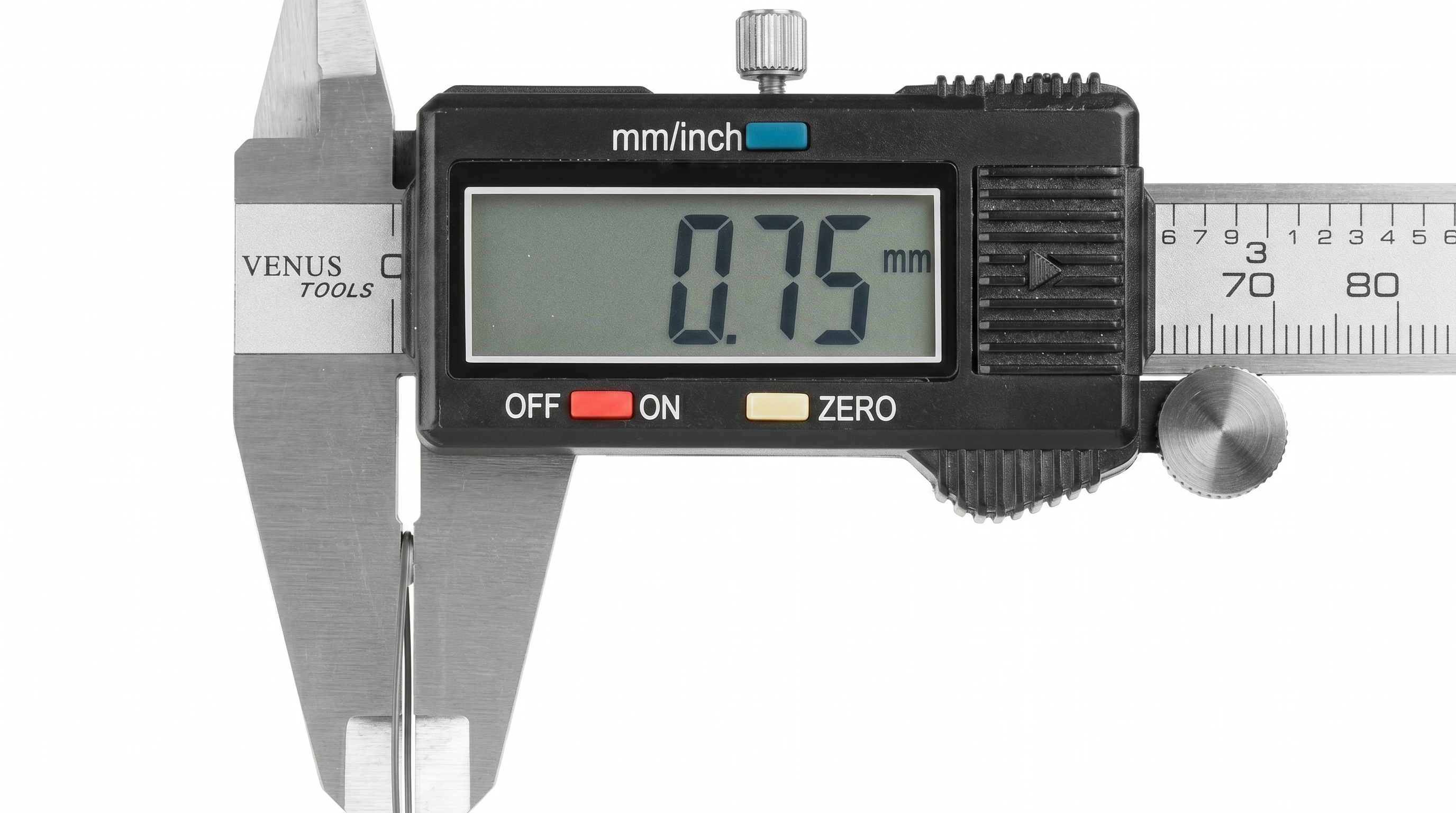
When the probe diameter is reduced to around 0.95 mm or 1.0 mm, almost every part of the system becomes difficult to design and manufacture.
Image transmission
Illumination
Mechanical flexibility
Probe durability
Signal stability
Manufacturing consistency
At this size level, even very small deformation or damage can affect image quality, illumination performance, and probe usability.
How Fiberscopes Work
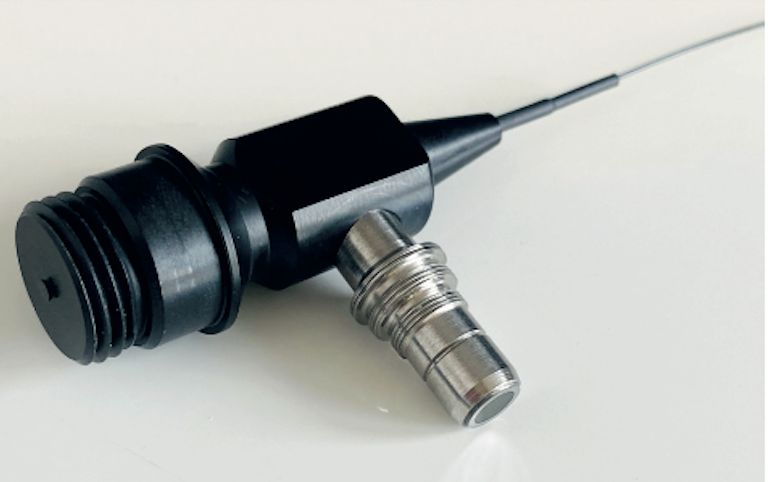
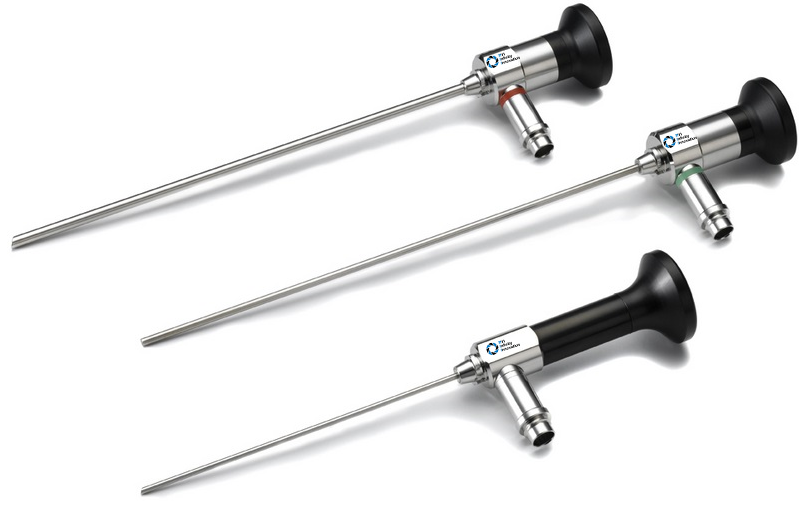
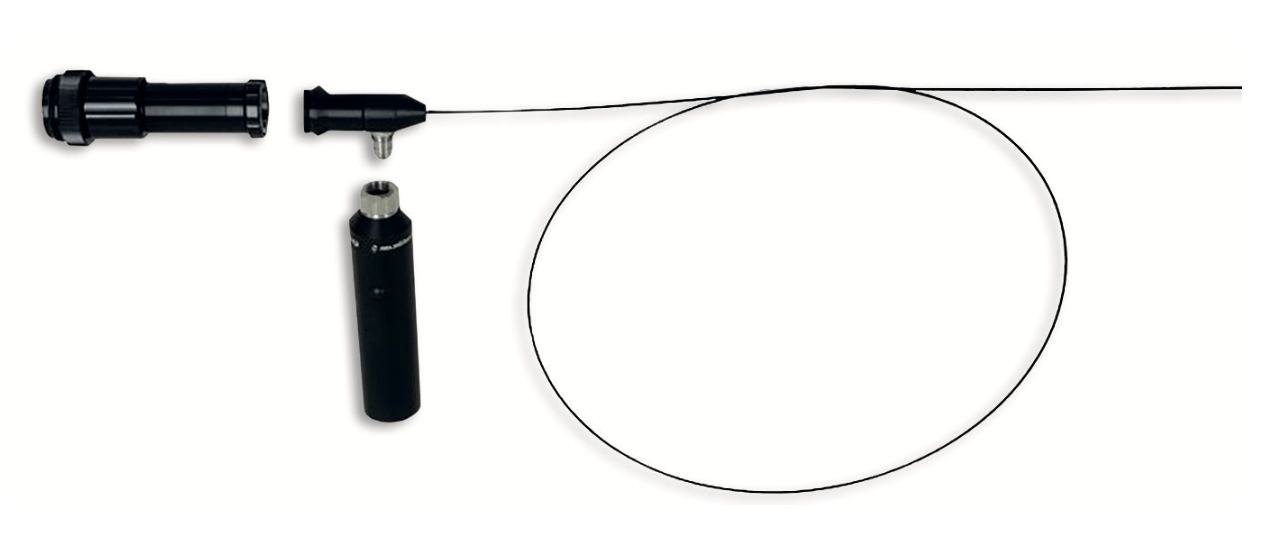
Traditional fiberscopes use coherent optical fiber bundles to transmit the image from the distal end to the eyepiece or camera adapter. Since there is no digital image sensor at the probe tip, fiberscopes can be manufactured in extremely small diameters.
This makes fiberscopes useful for applications where access is extremely limited and diameter is the most important requirement.
Limitations of Fiberscopes
Although fiberscopes are still useful in certain applications, they also have several limitations in modern industrial inspection.
Lower image brightness compared with digital imaging systems
Visible fiber pixelation pattern
Reduced image clarity
Sensitivity to fiber bundle damage
Limited digital documentation capability
Less convenient image and video recording workflow
For users who need clear digital records, inspection reports, and video documentation, these limitations can become important.
How Ultra-Thin Videoscopes Are Different
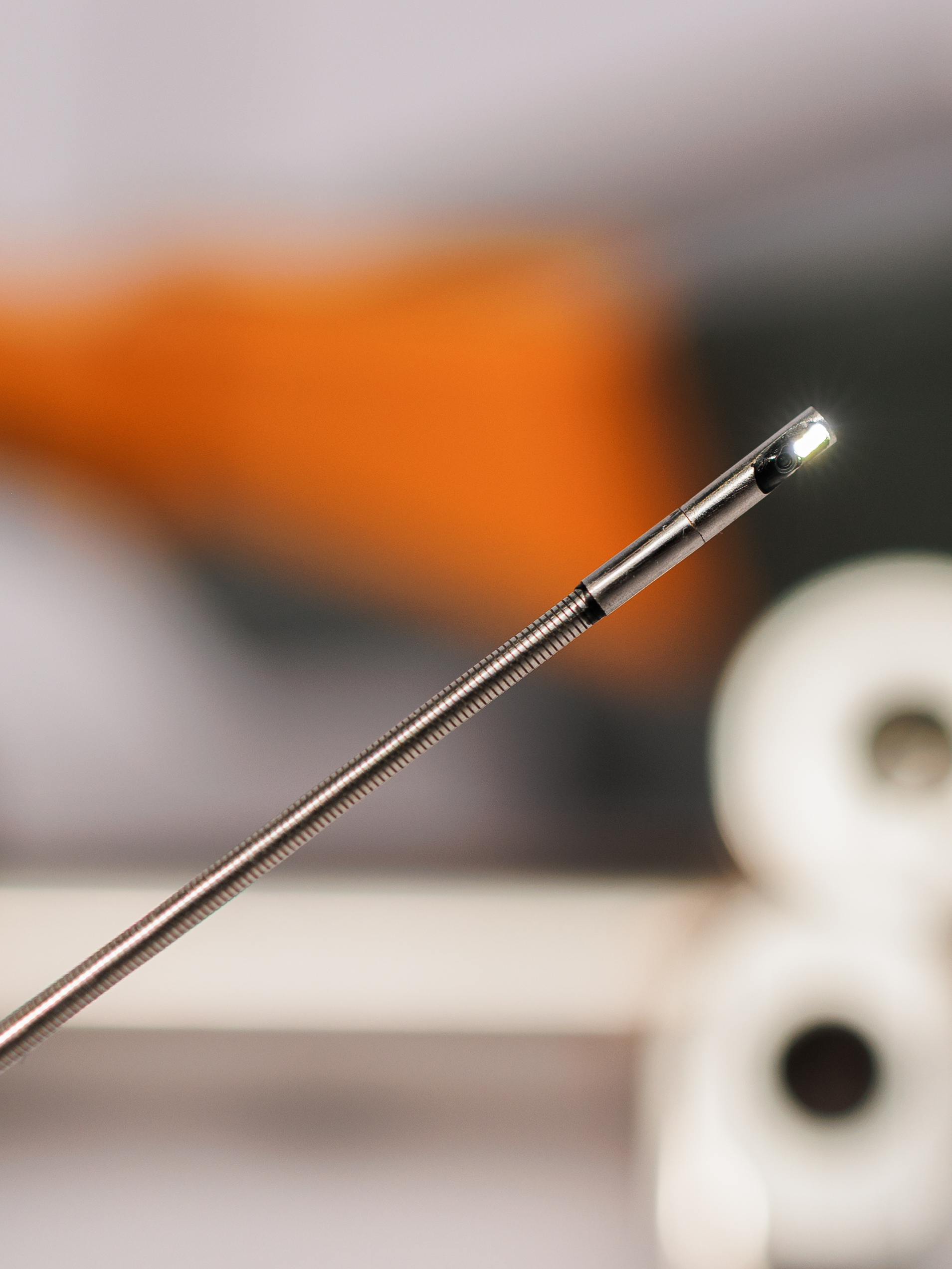
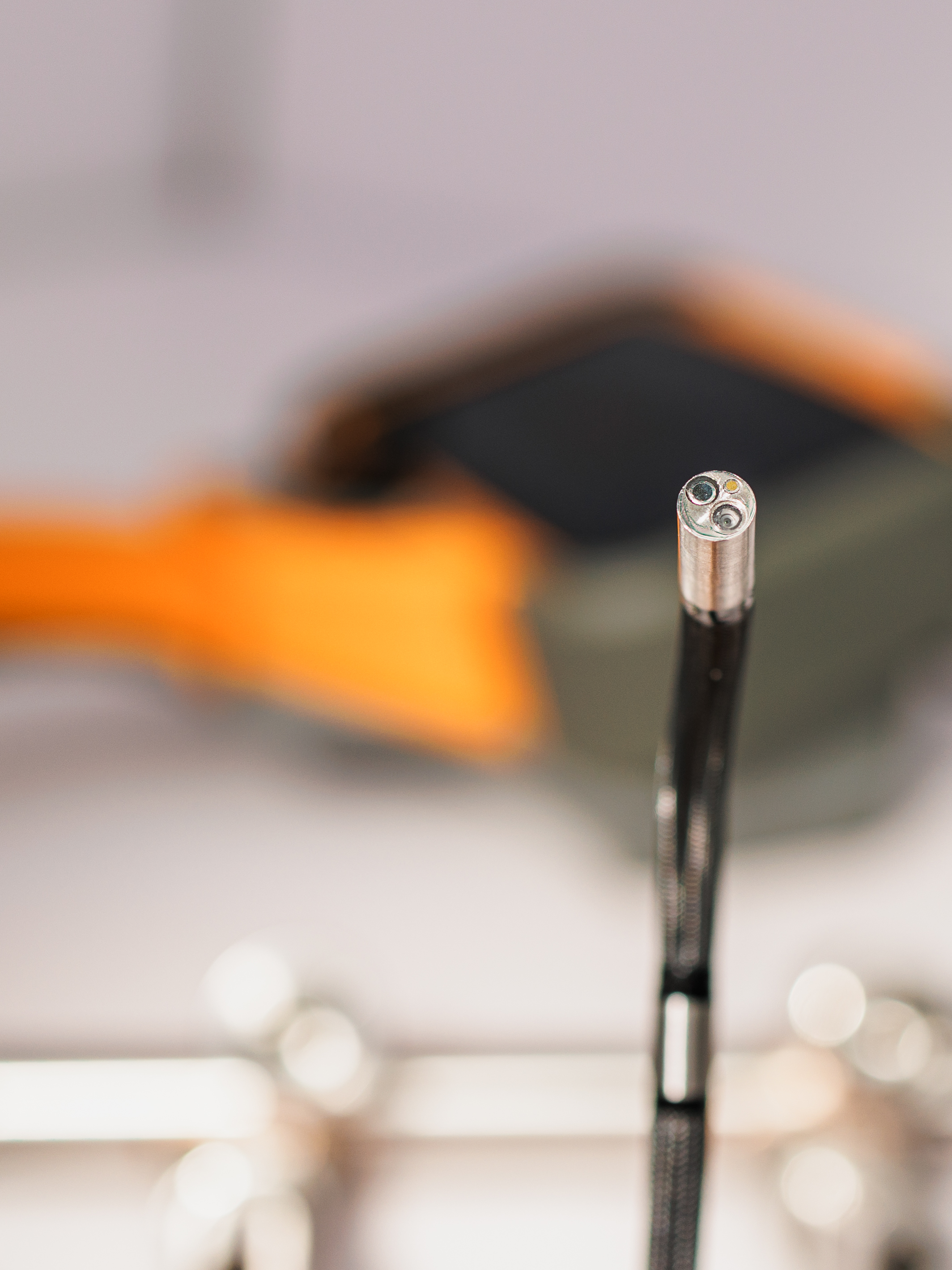
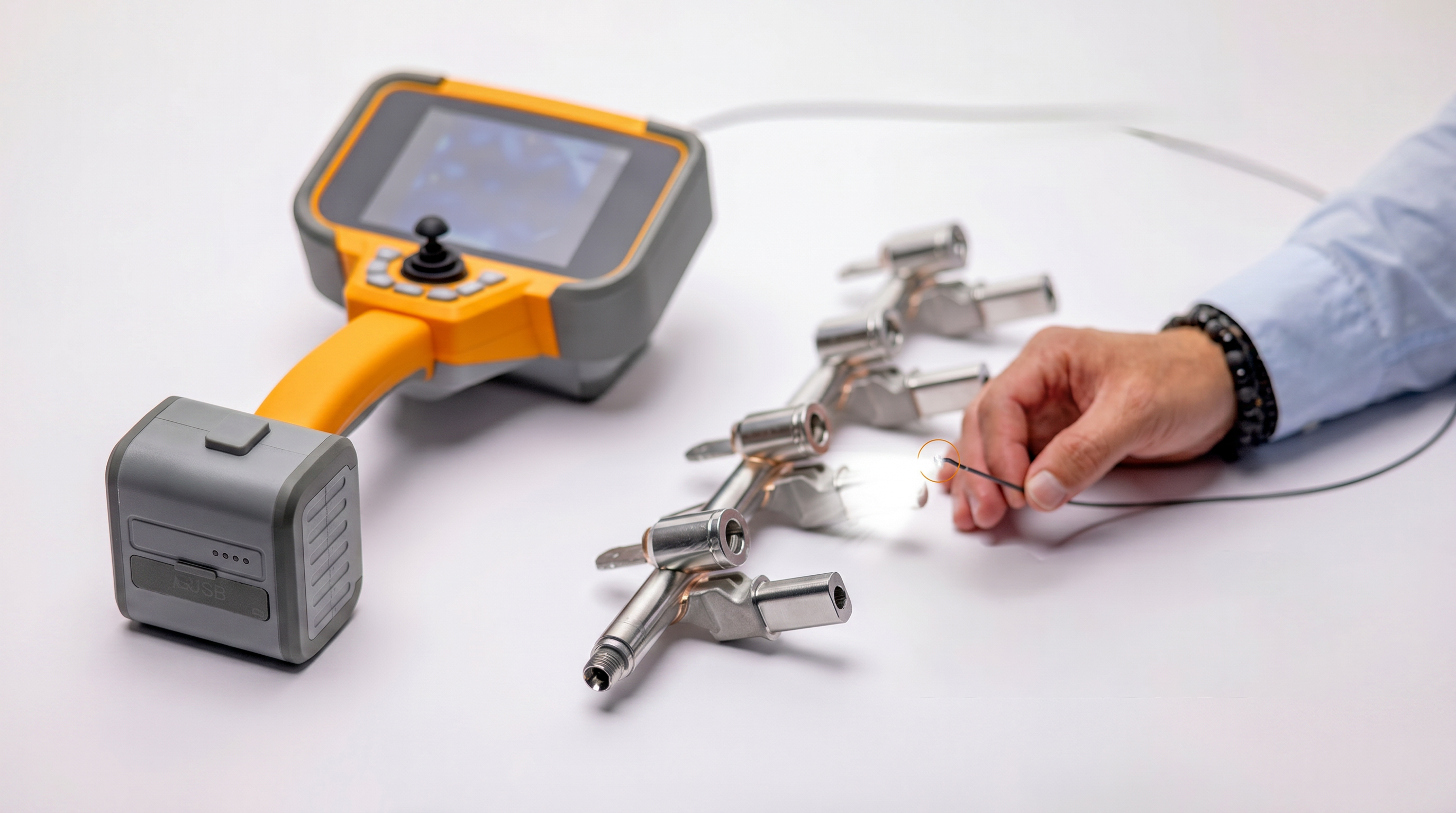
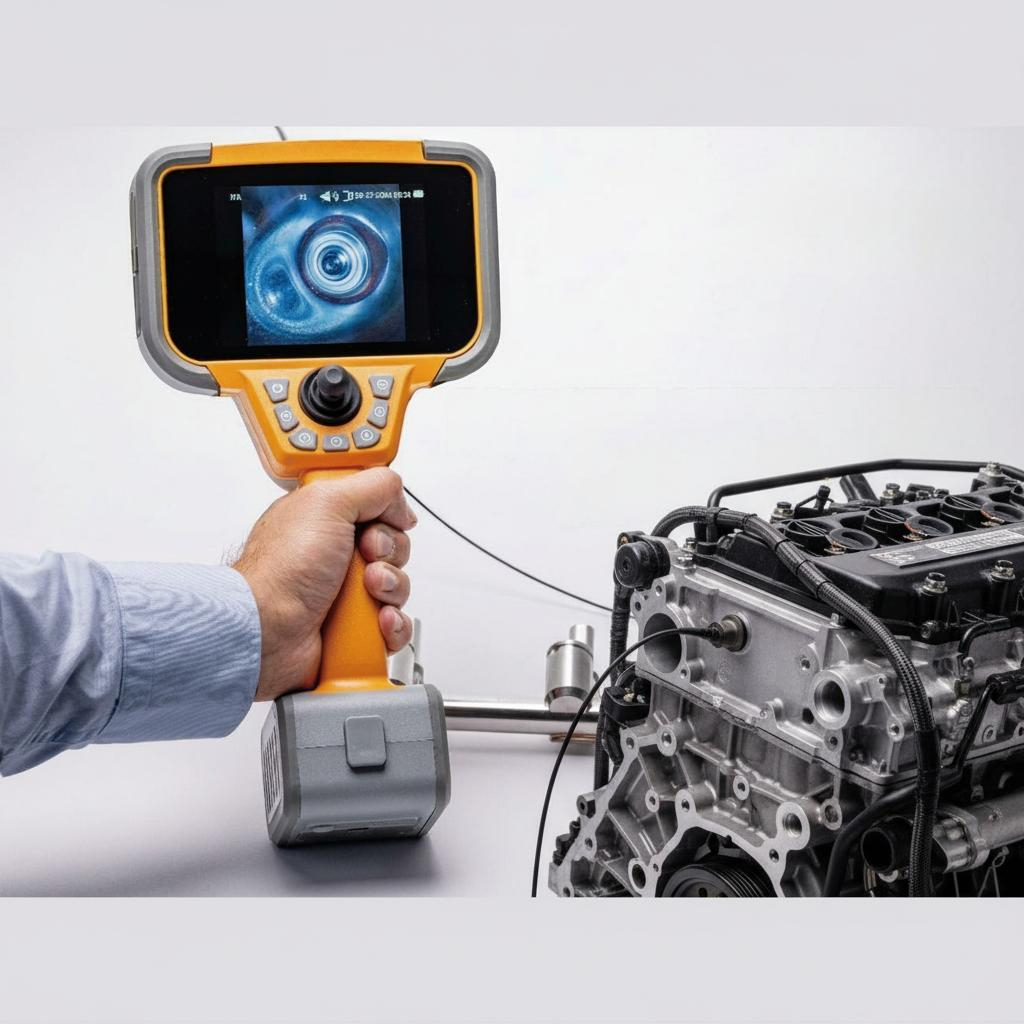
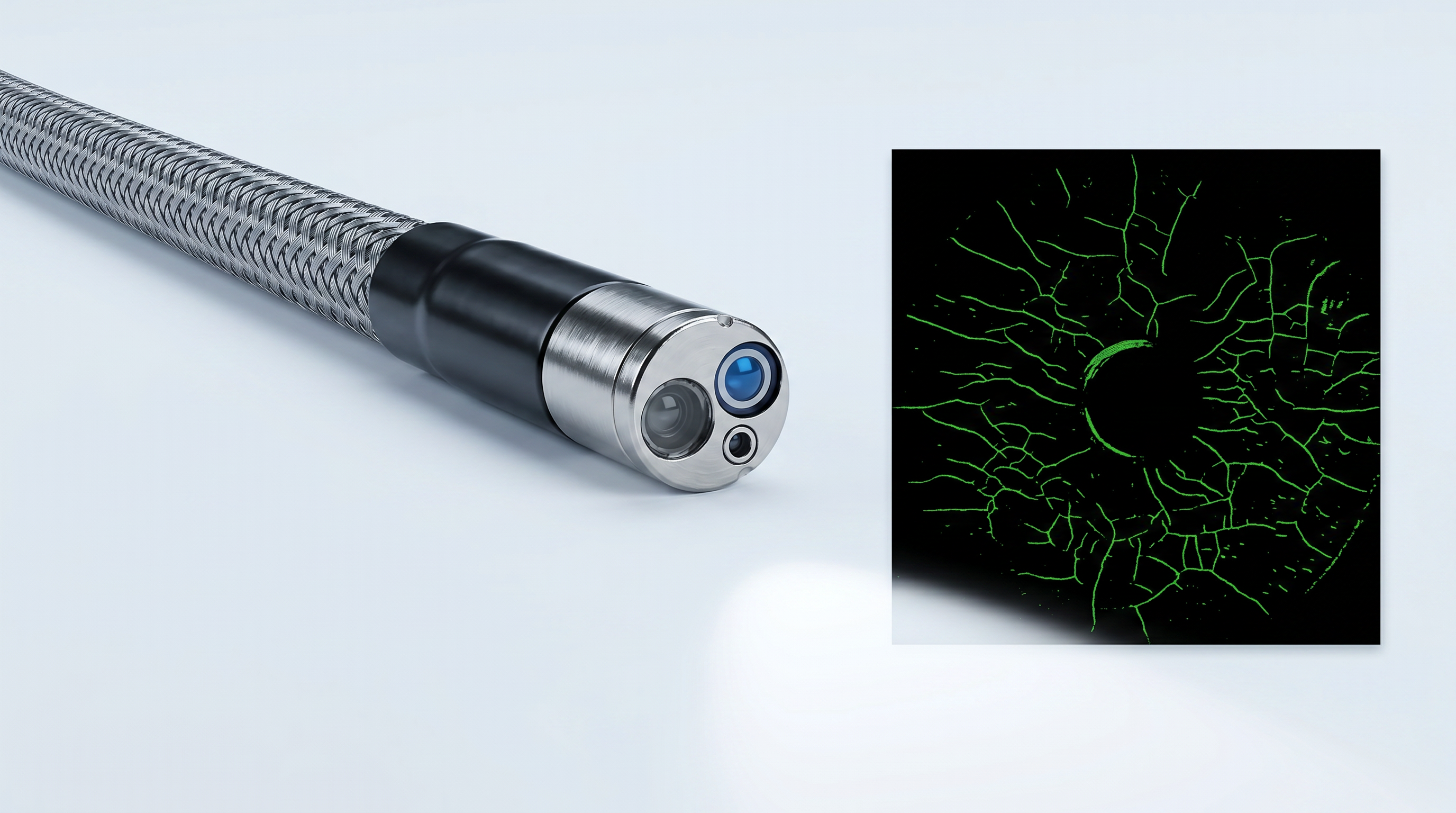
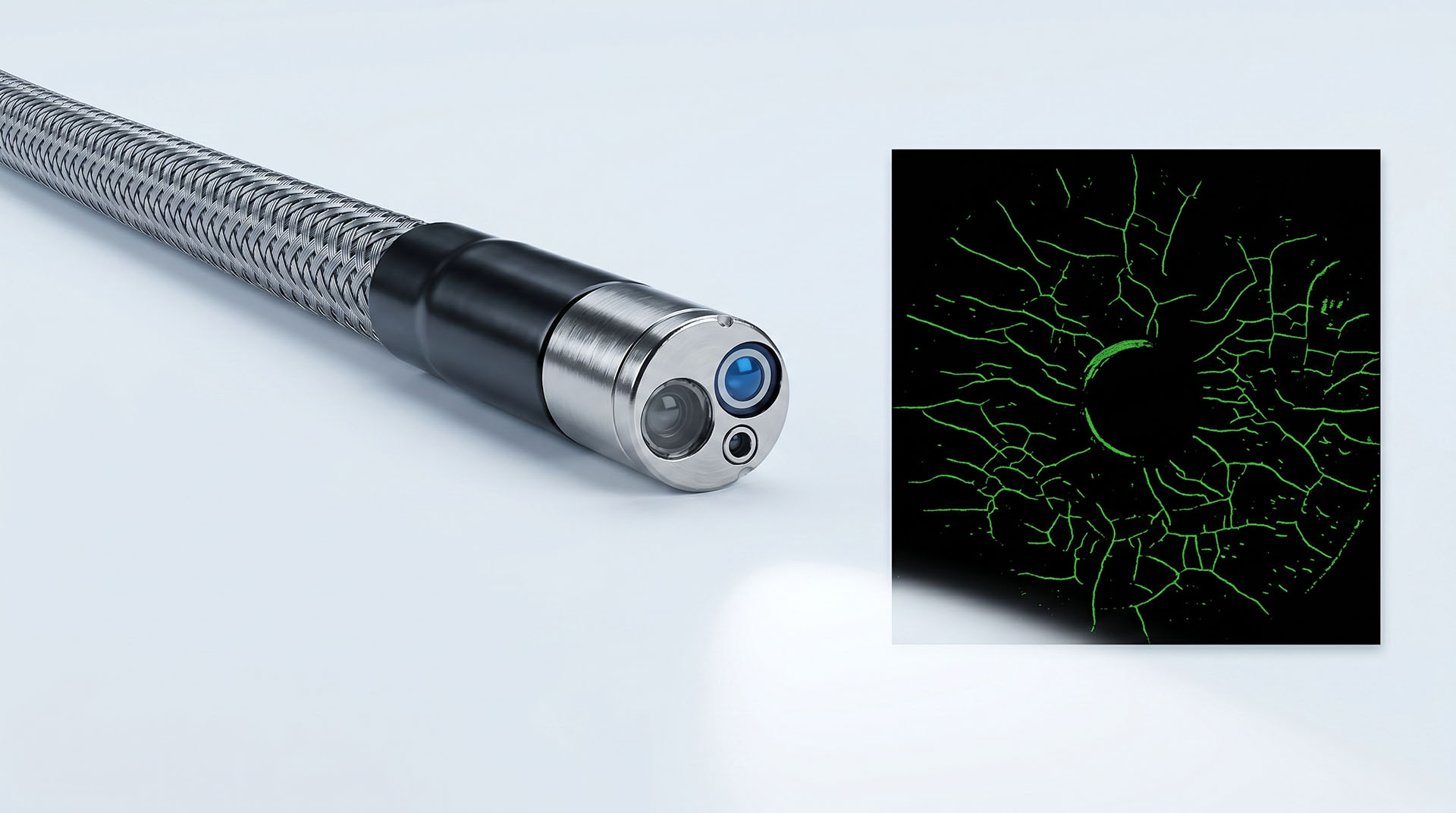
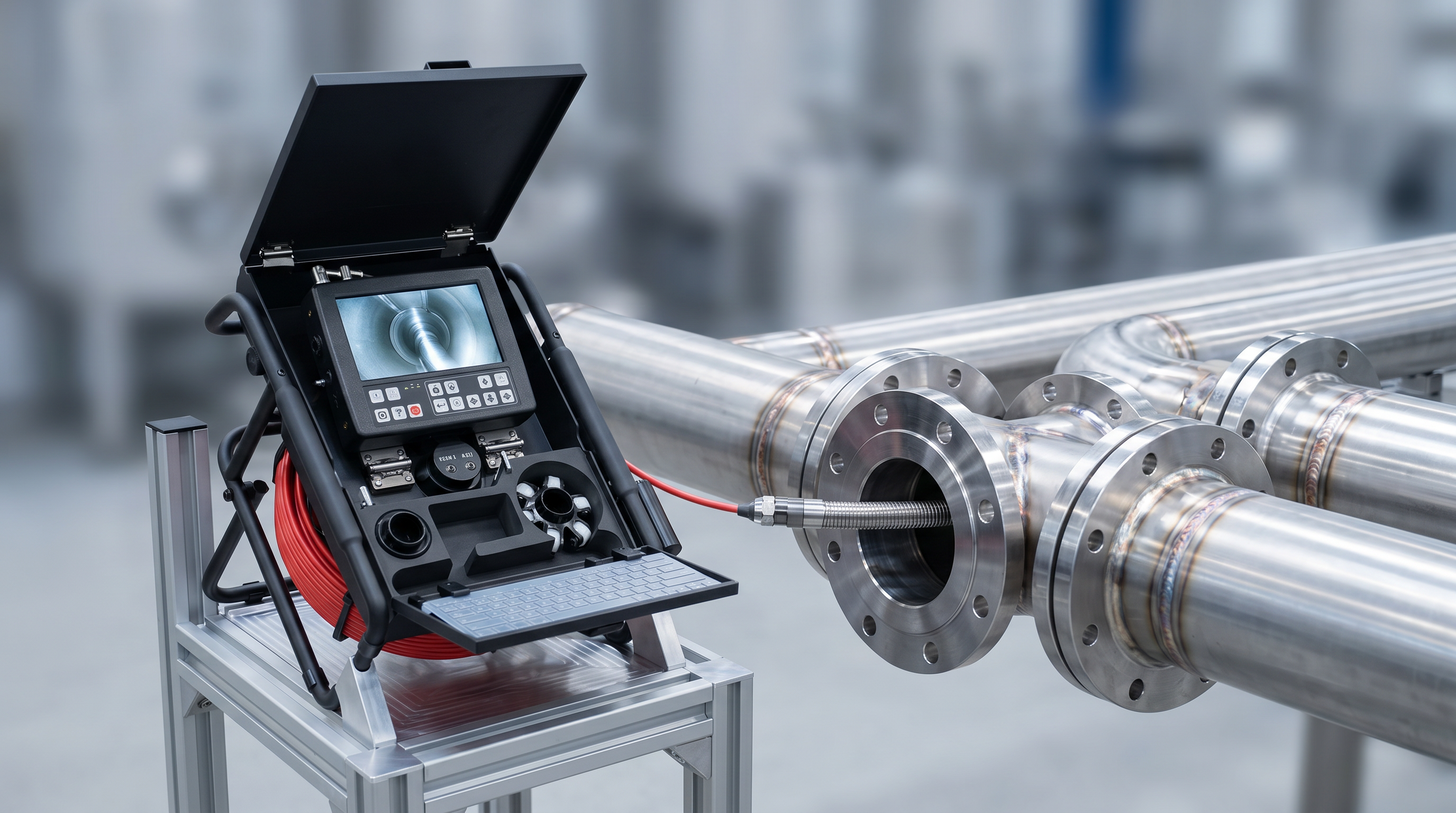
Modern ultra-thin videoscopes use miniature CMOS image sensors integrated near the probe tip. This allows the system to capture digital images directly and display them on a monitor in real time.
Compared with traditional fiberscopes, ultra-thin videoscopes can offer several practical advantages:
Digital image output
Improved contrast
Better image and video recording
Easier inspection documentation
More convenient workflow for industrial users
Illumination Remains a Key Challenge
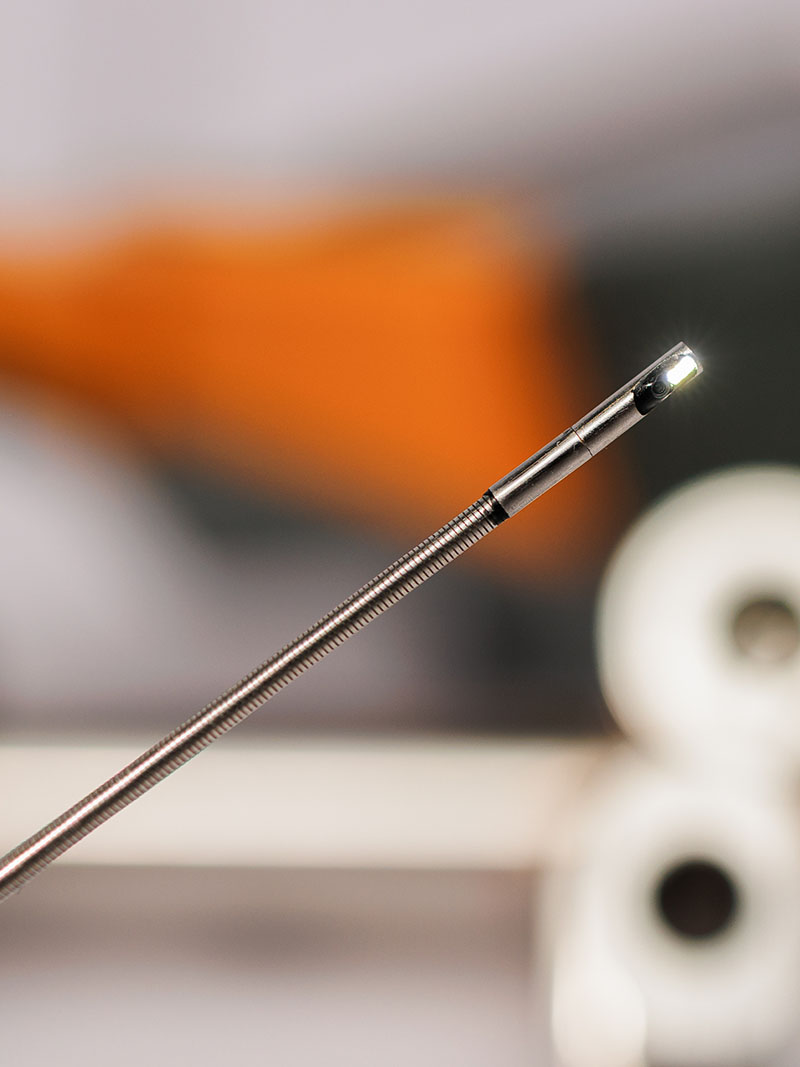
In ultra-thin probes around 0.95 mm, illumination is often one of the most difficult technical points. Unlike larger videoscopes that may use LEDs near the distal tip, ultra-thin probes often rely on optical fiber light transmission because there is very limited space for conventional lighting structures.
This is why ultra-thin probes can be sensitive to:
Impact damage
Excessive bending
Fiber crushing
Insertion tube deformation
Which Is Better: 0.95 mm Videoscope or Fiberscope?
There is no single answer. The better choice depends on the inspection task.
Fiberscopes are still suitable when the smallest possible diameter is the highest priority and digital documentation is less important.
Ultra-thin videoscopes are often the better choice when users need improved image quality, digital recording, easier reporting, and a more modern inspection workflow.
Typical Applications
Precision casting inspection
Micro-channel inspection
Small tube and cavity inspection
Aerospace component inspection
Automotive component inspection
Quality assurance for narrow internal structures
Conclusion
The future of ultra-thin inspection is not only about reducing probe diameter. It is about finding the right balance between image quality, durability, flexibility, illumination, and real industrial usability.
For applications where digital documentation and inspection efficiency are important, a 0.95 mm videoscope can provide a strong alternative to traditional fiberscope technology.