HD vs Standard Resolution
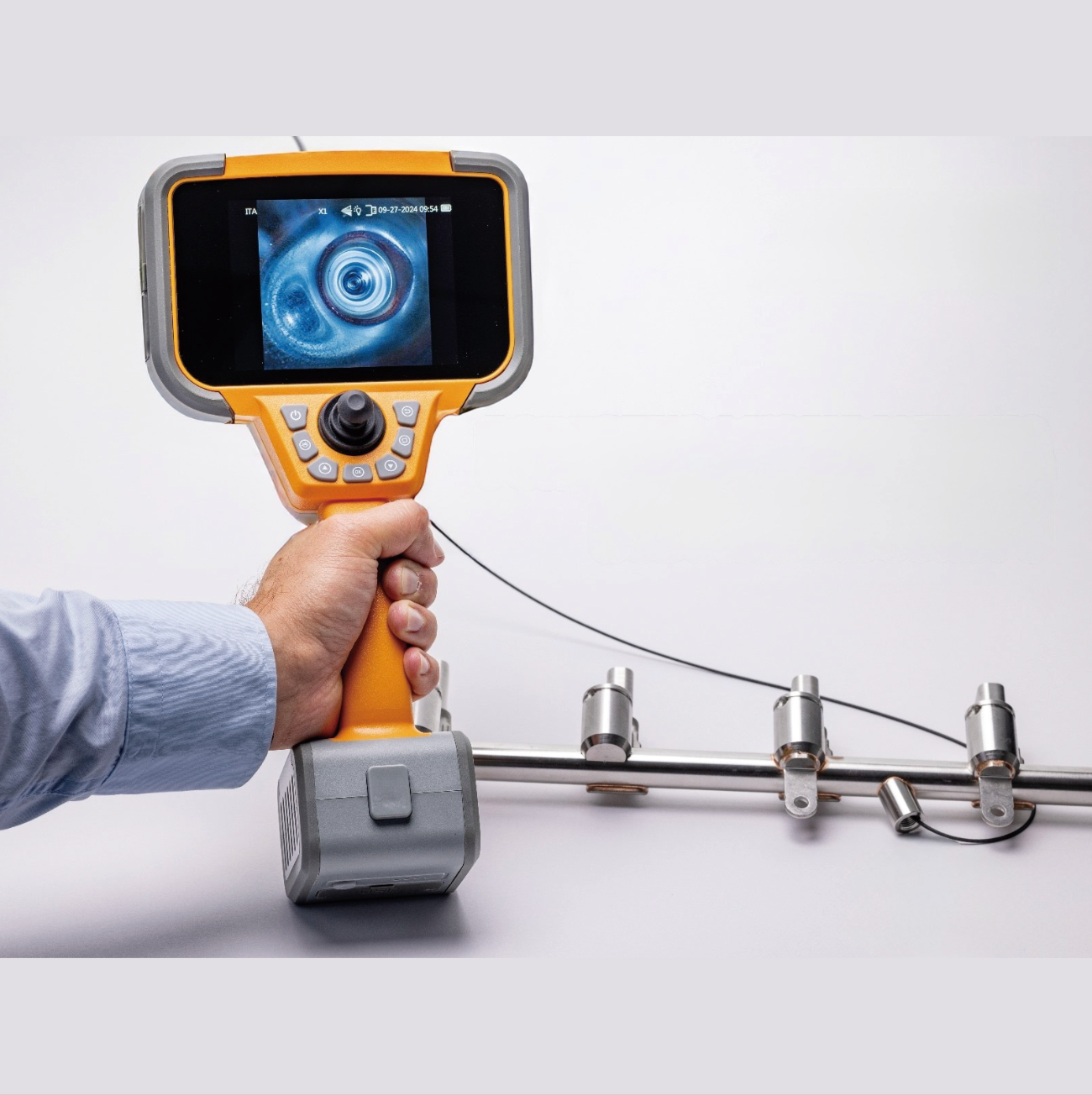
Learn the difference between HD and standard resolution in industrial videoscopes, including image clarity, defect detection, probe diameter limitations, documentation quality, and how to choose the right resolution for remote visual inspection.
HD vs Standard Resolution in Industrial Videoscopes
Image quality plays a critical role in industrial visual inspection. One of the most common questions when selecting a videoscope is whether HD resolution is necessary or if standard resolution is sufficient.
While higher resolution generally provides clearer images and better defect visibility, the best choice depends on the inspection application, probe diameter, inspection distance, and budget requirements.
What is Resolution in a Videoscope?
Resolution refers to the number of pixels used to create the image captured by the videoscope camera sensor.
Higher resolution means:
More image detail
Sharper defect visibility
Better zoom capability
Improved documentation quality
Lower resolution generally means:
Less image detail
Reduced ability to identify small defects
Lower image clarity during zoom
What is Standard Resolution?
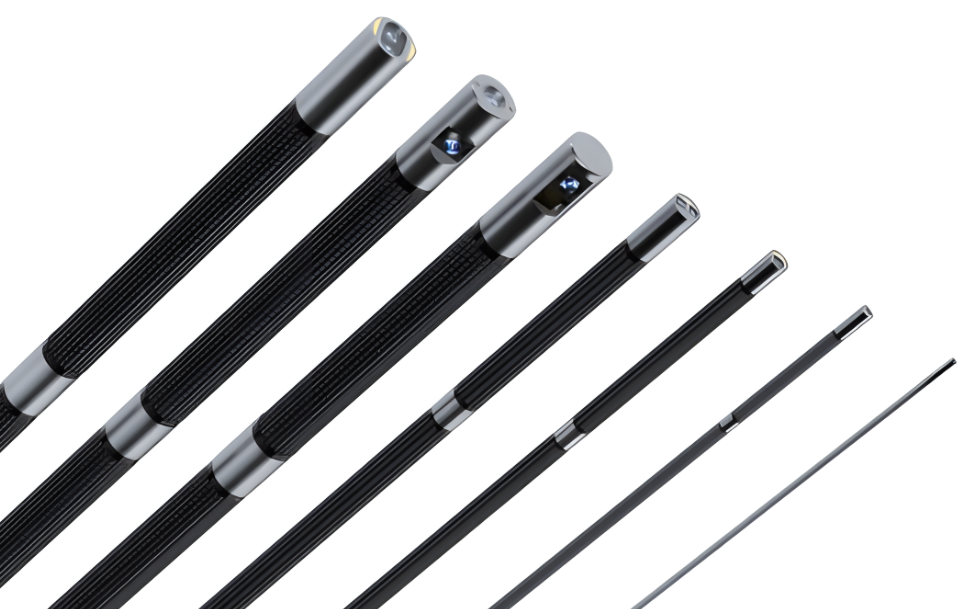
Standard resolution is commonly used in smaller diameter industrial videoscope probes where physical space is limited.
Typical standard resolutions include:
400 × 400 pixels
640 × 480 pixels
Standard resolution probes are often found in:
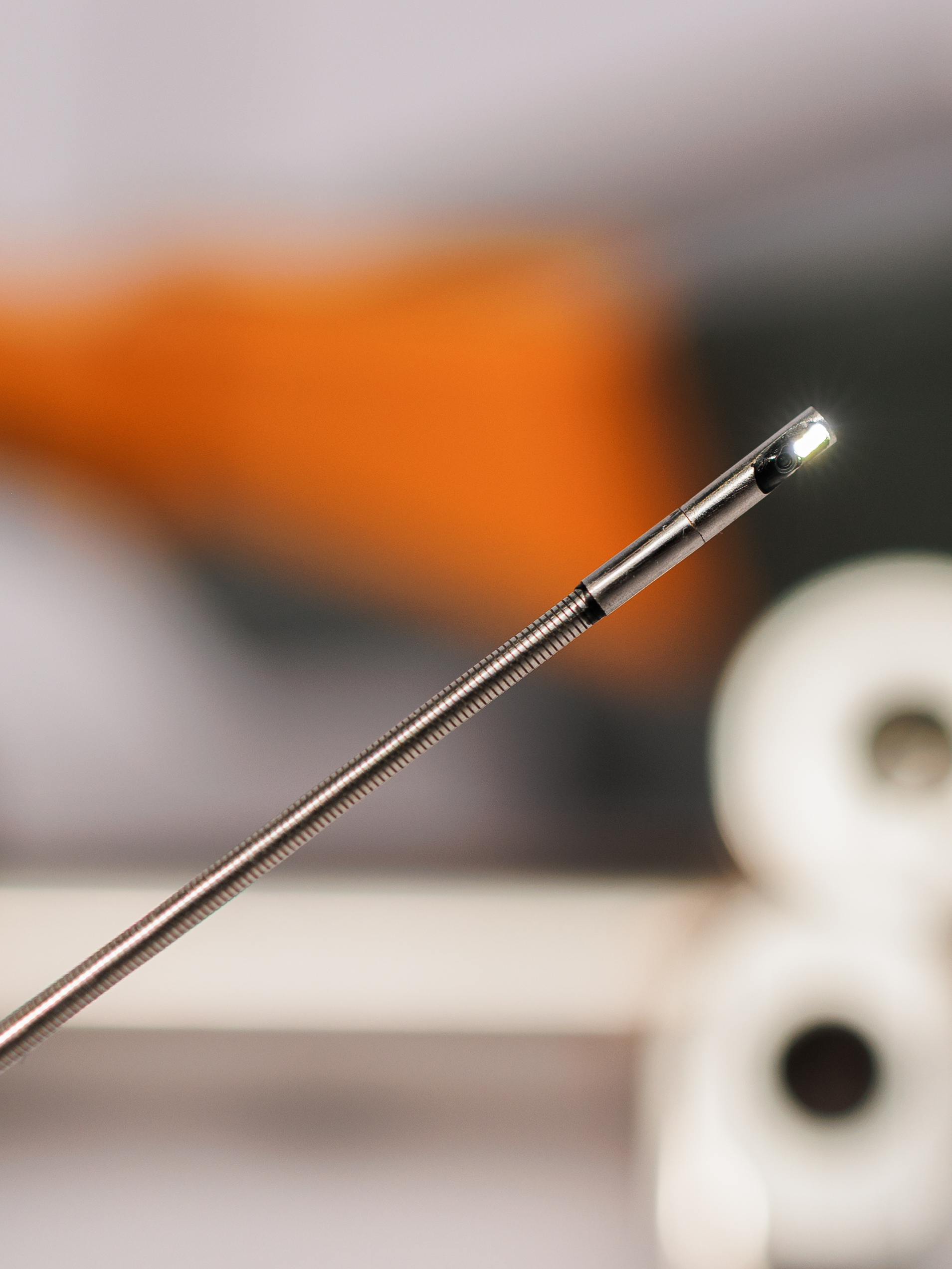
Ultra-thin videoscopes
Small diameter probes below 2.8 mm
Basic inspection systems
Advantages of Standard Resolution
Smaller camera module size
Suitable for ultra-thin probe designs
Lower system cost
Lower power consumption
Sufficient for basic inspection tasks
Limitations of Standard Resolution
Reduced image detail
Limited digital zoom capability
Harder defect identification
Lower reporting image quality
What is HD Resolution?
HD resolution typically refers to 1280 × 720 pixels or higher in industrial videoscopes.
HD imaging is commonly used in:
4 mm probes
6 mm probes
Aerospace inspection systems
High-performance industrial videoscopes
Advantages of HD Resolution
Sharper image detail
Improved defect recognition
Better digital zoom performance
Higher quality inspection reports
Improved viewing on larger displays
Limitations of HD Resolution
Larger image sensor requirements
Typically requires larger probe diameters
Higher system cost
Higher data storage requirements
Comparison Between HD and Standard Resolution
| Feature | Standard Resolution | HD Resolution |
|---|---|---|
| Typical Resolution | 400 × 400 / 640 × 480 | 1280 × 720 HD |
| Image Detail | Basic | Excellent |
| Defect Visibility | Moderate | High |
| Digital Zoom Quality | Limited | Better |
| Typical Probe Diameter | ≤2.8 mm | 4 mm / 6 mm |
| Inspection Complexity | Basic to moderate | Advanced |
| System Cost | Lower | Higher |
Why Smaller Probes Usually Use Standard Resolution
The internal space inside ultra-thin probes is extremely limited.
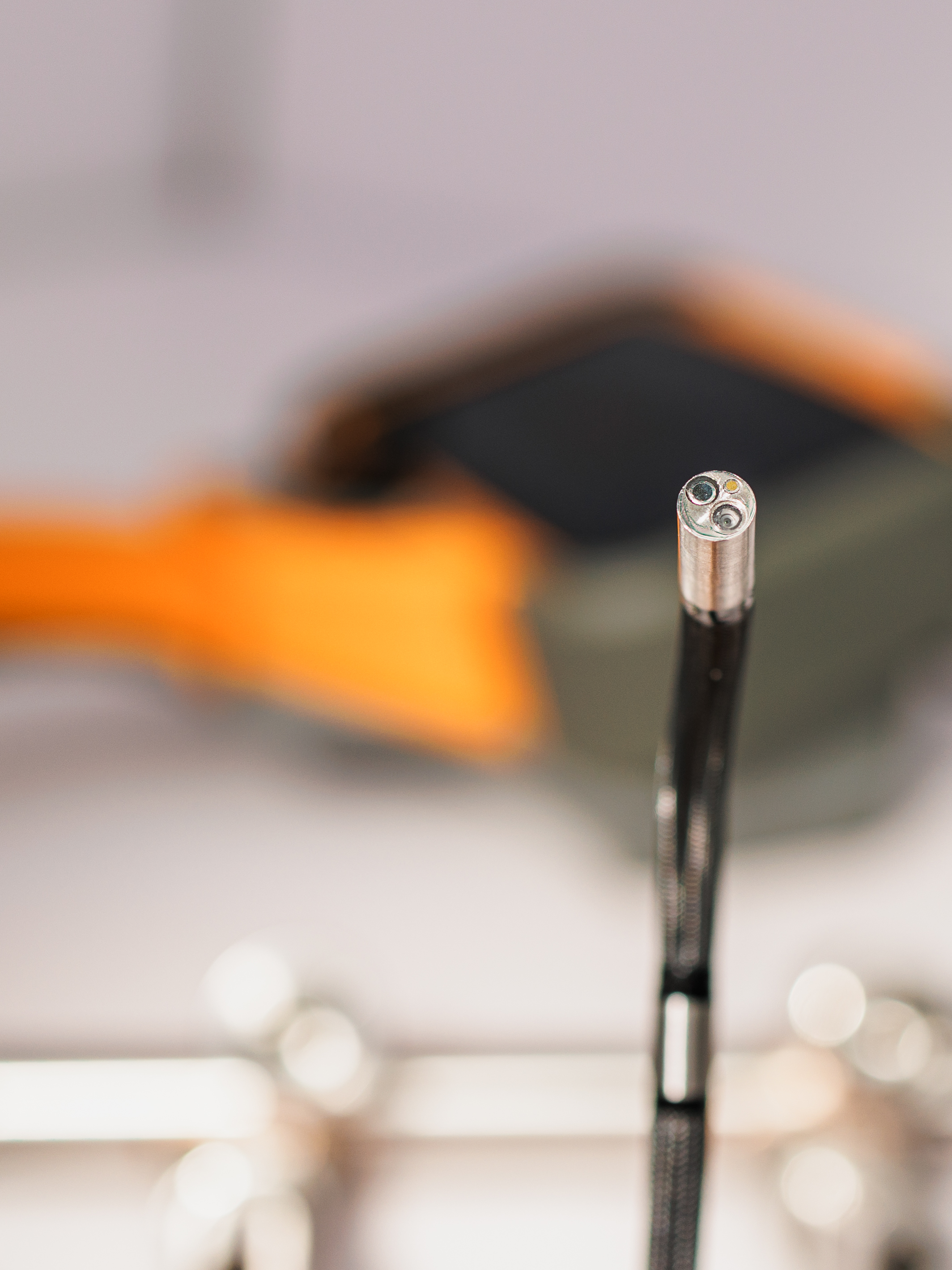
Smaller probe diameters must contain:
Camera sensor
Lens system
LED or fiber illumination
Articulation mechanism
Signal transmission components
As probe diameter decreases, integrating large HD image sensors becomes technically difficult. This is why ultra-thin probes often use standard resolution sensors.
When is Standard Resolution Sufficient?
Standard resolution is usually sufficient for:
Simple visual confirmation
Access-limited inspections
Basic maintenance tasks
Small channel inspection
Applications where access is more important than image quality
When is HD Resolution Recommended?
HD resolution is recommended for:
Turbine blade inspection
Aerospace maintenance
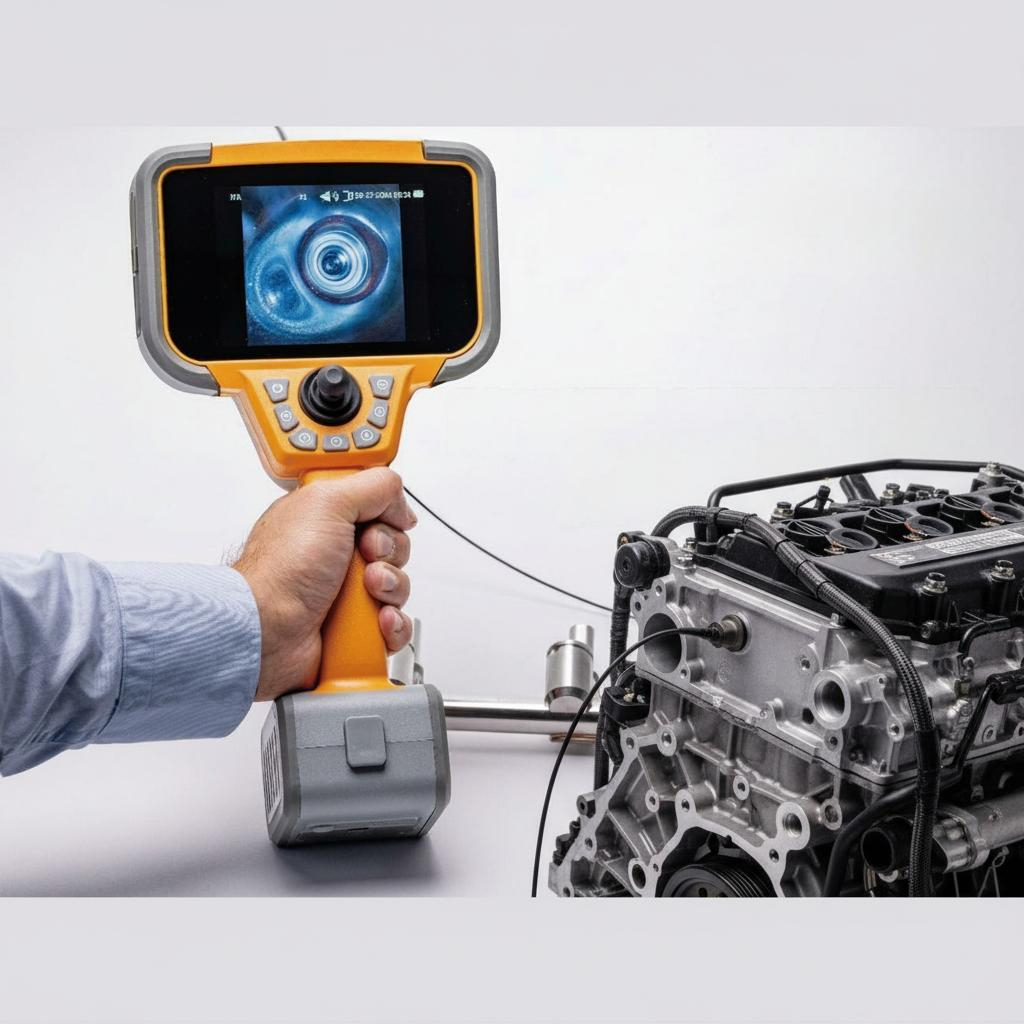
Engine inspection
Detailed defect analysis
Professional inspection reporting
High-value component inspection
Practical Industry Consideration
In real industrial environments, access capability is often more important than image resolution.
A smaller standard-resolution probe that can reach the inspection target is more useful than a larger HD probe that cannot physically access the inspection area.
The best approach is to balance:
Access capability
Image quality
Durability
Inspection requirements
Conclusion
Both HD and standard resolution videoscopes have important roles in industrial inspection.
HD systems provide superior image quality and defect visibility for advanced inspections, while standard resolution systems remain essential for ultra-thin and access-limited applications.
The ideal solution depends on the inspection environment, target geometry, and inspection objectives.
FAQ
Is HD resolution always better for industrial inspection?
HD resolution provides better image quality and defect visibility, but access capability is often more important. If a smaller probe is required to reach the inspection area, standard resolution may be the only practical solution.
Why do ultra-thin probes usually have lower resolution?
Ultra-thin probes have extremely limited internal space. Integrating HD image sensors, illumination, articulation systems, and signal transmission inside very small diameters is technically challenging.
Can standard resolution still detect defects effectively?
Yes. Standard resolution is sufficient for many maintenance and visual confirmation tasks, especially when inspection distances are short and defect size is relatively large.
What probe diameters commonly support HD resolution?
Industrial videoscopes with 4 mm and 6 mm probe diameters commonly support HD resolution such as 1280 × 720 pixels.
Does HD resolution improve digital zoom quality?
Yes. HD images contain more pixel information, allowing better digital zoom performance with less image degradation.
Which is more important: probe diameter or resolution?
Both are important, but access capability usually comes first. A probe must physically reach the inspection target before image quality becomes relevant.