Dual Camera vs Side View Adapter
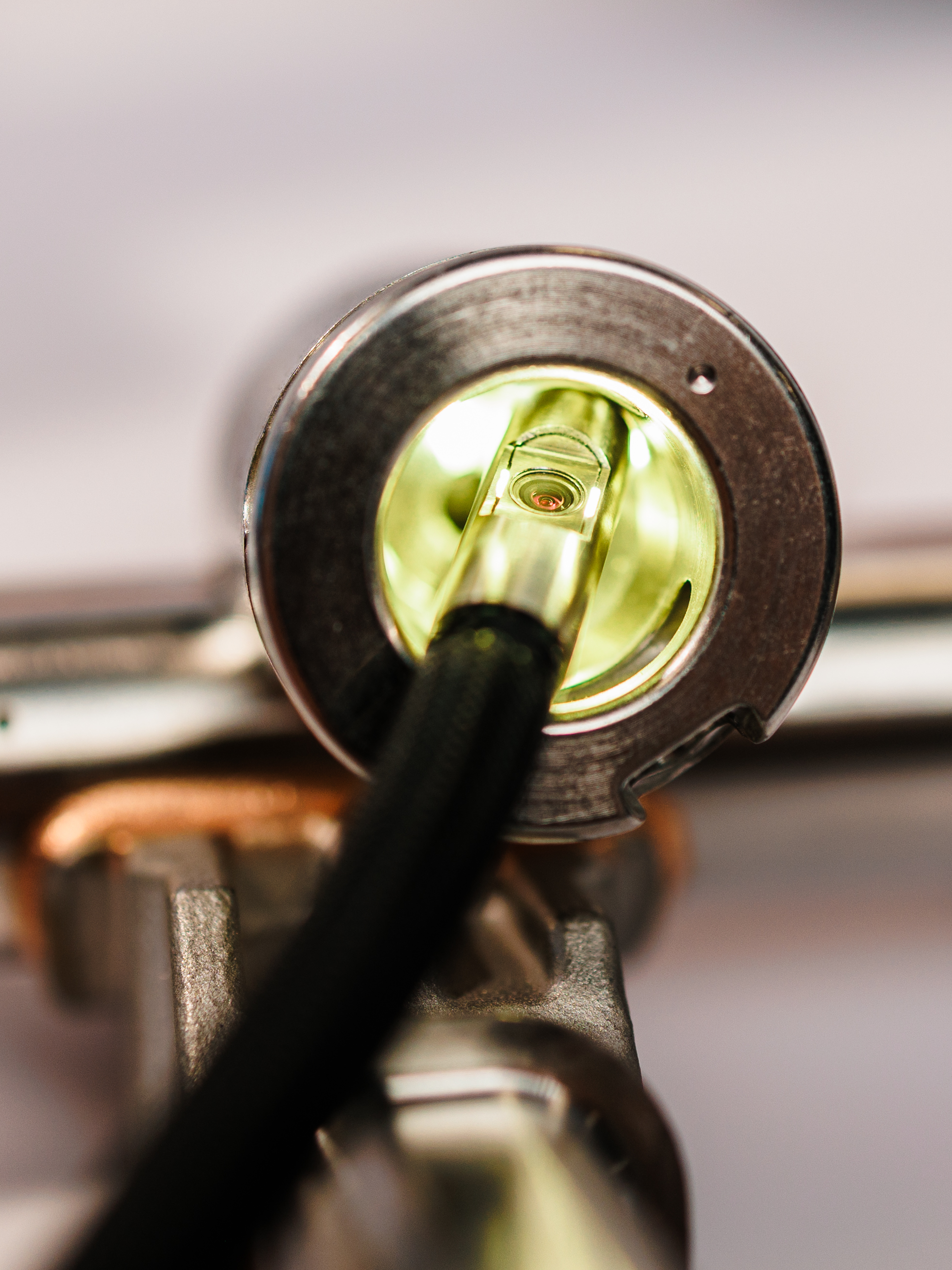
Learn the difference between dual camera videoscope probes and side view adapters, including viewing direction, image quality, inspection speed, probe diameter, durability, and how to choose the right solution for industrial inspection.
Dual Camera vs Side View Adapter in Industrial Videoscopes
In industrial visual inspection, inspectors often need to observe both forward and side viewing angles inside complex components such as turbines, engines, pipes, and castings.
Two common solutions are used to achieve side viewing capability:
Dual camera videoscope probes
Optical side view adapters
Both solutions have advantages and limitations depending on the inspection application, inspection efficiency requirements, and operational environment.
What is a Dual Camera Videoscope?
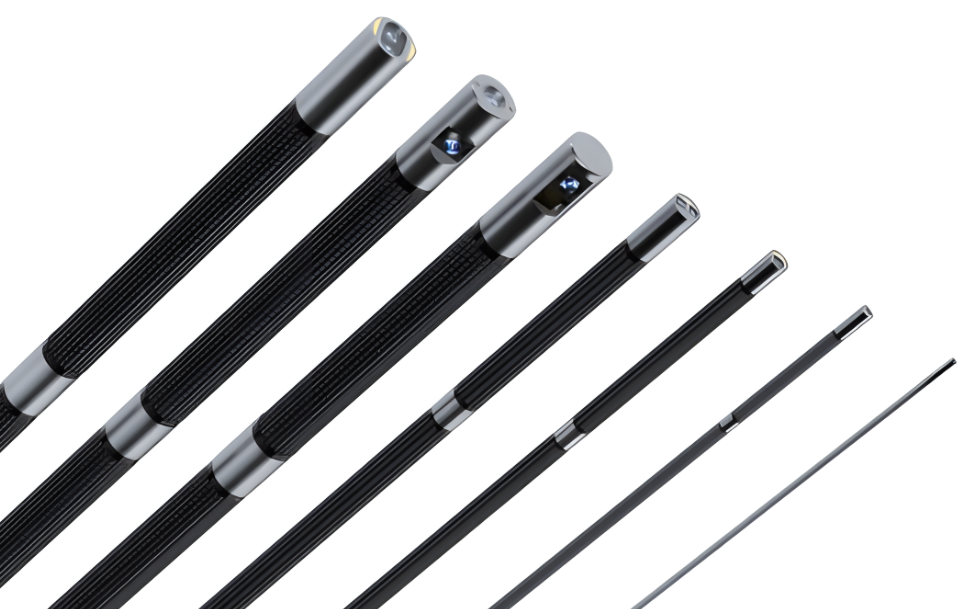
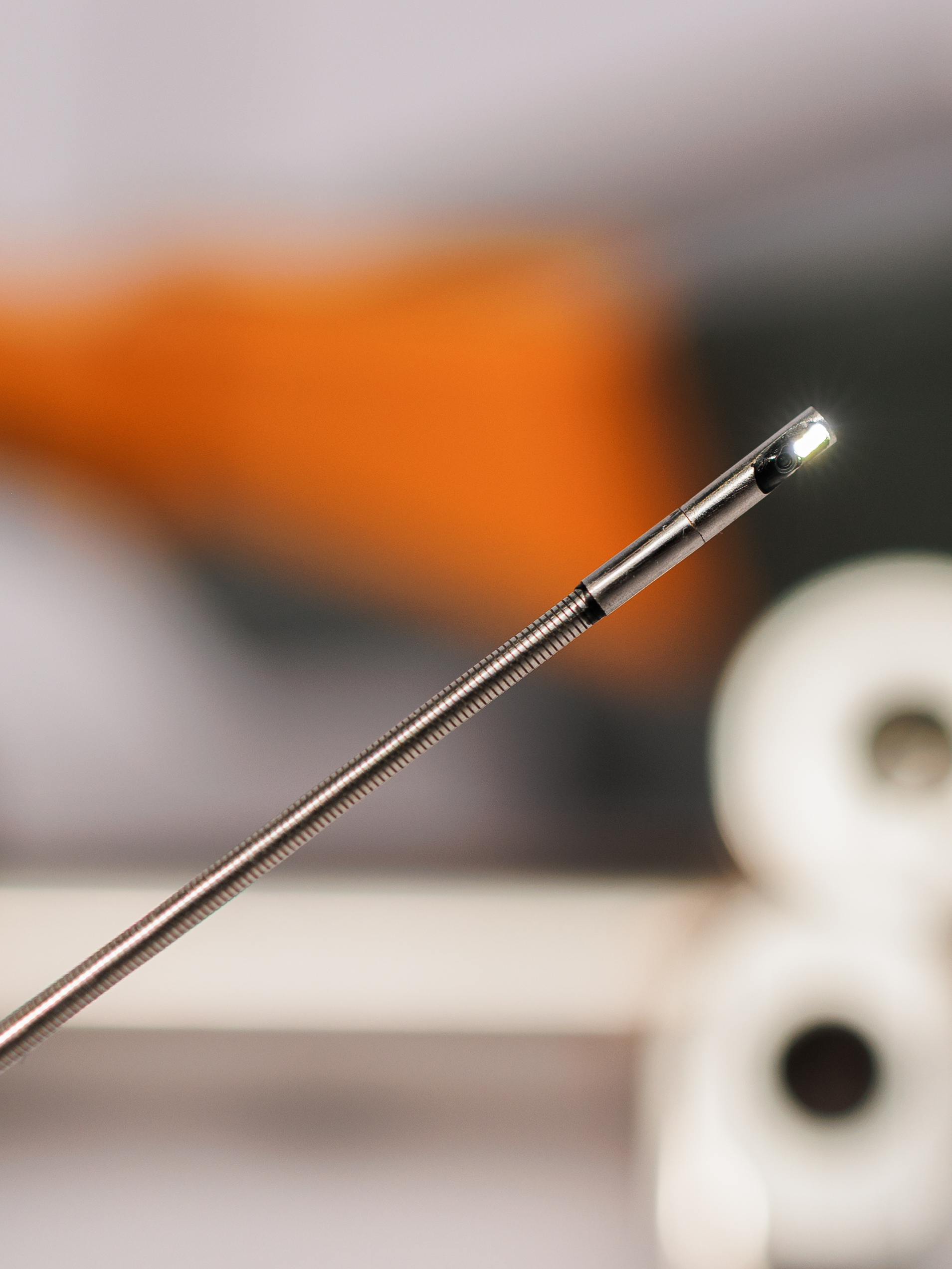
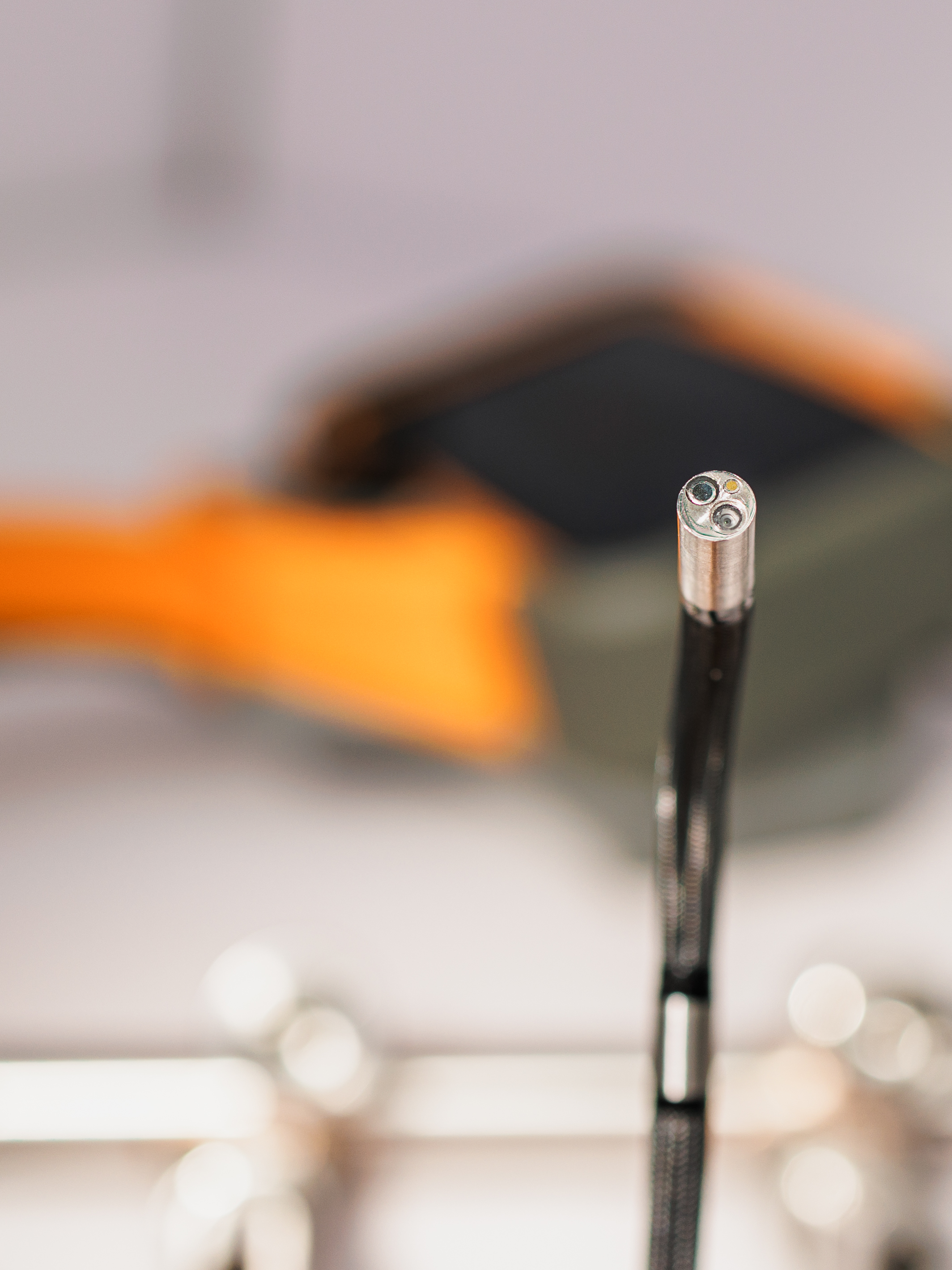
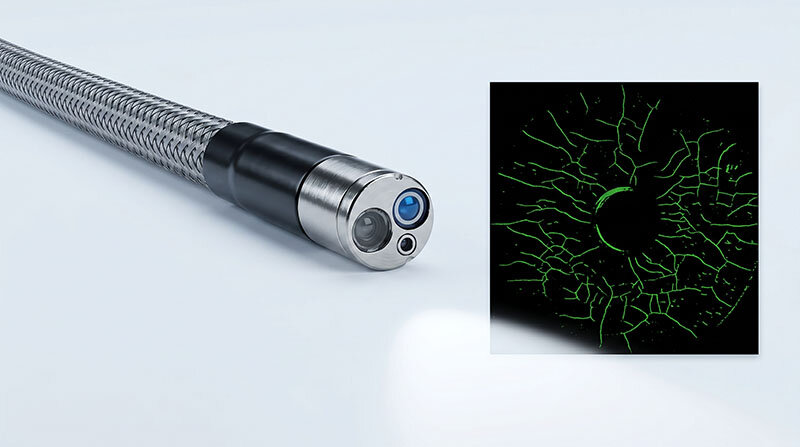
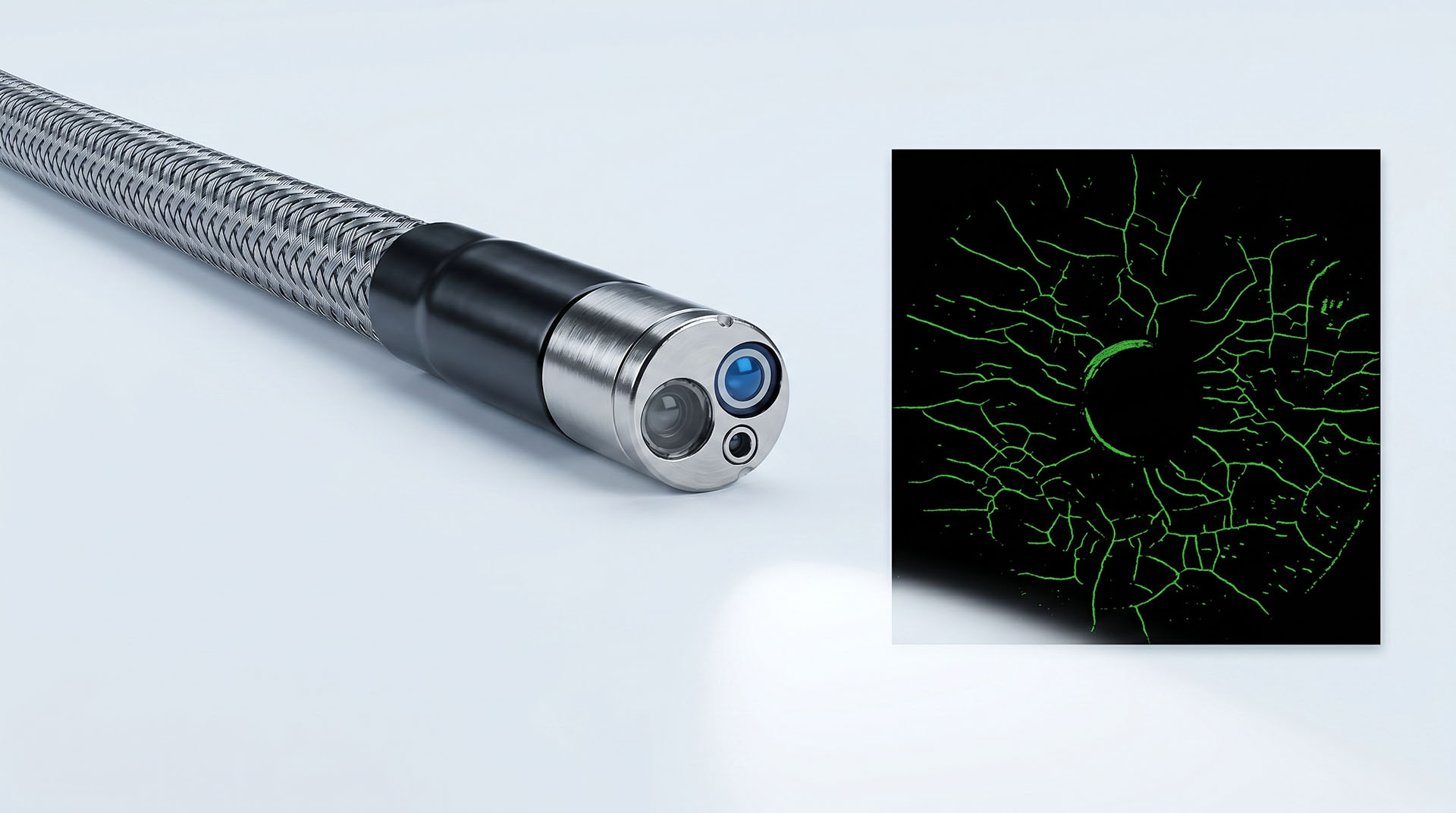
A dual camera videoscope integrates two separate cameras inside the probe tip:
Forward viewing camera
Side viewing camera
The user can electronically switch between the two camera views directly on the videoscope system without removing the probe.
Dual camera probes are commonly used in:
Turbine inspection
Aerospace maintenance
Automotive inspection
Complex industrial maintenance
Advantages of Dual Camera Systems
No need to remove the probe during inspection
Fast switching between forward and side view
Improved inspection efficiency
Reduced risk of losing probe position
Better navigation inside complex structures
Reduced inspection downtime
Limitations of Dual Camera Systems
More complex probe structure
Higher manufacturing cost
Larger tip integration complexity
May require slightly larger probe diameter
What is a Side View Adapter?
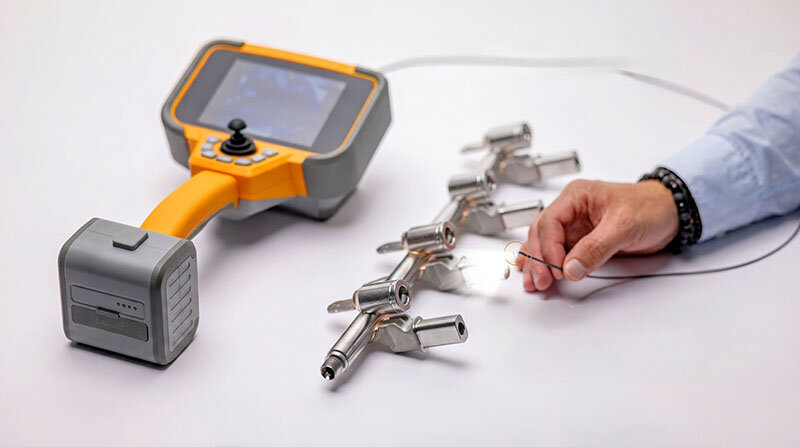
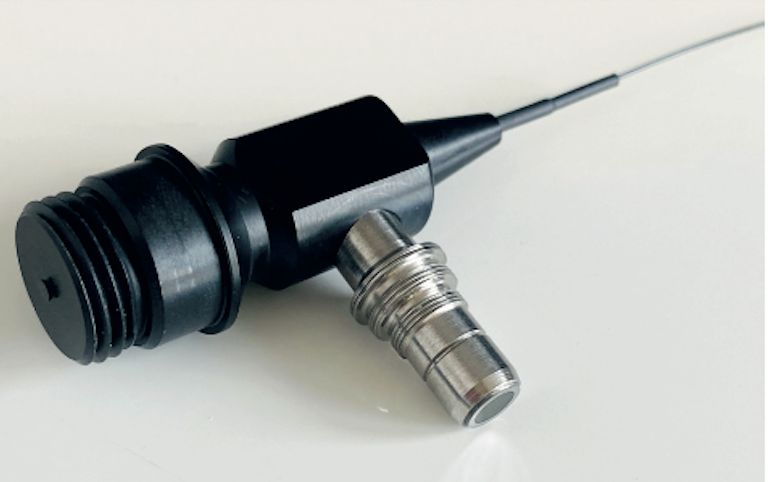
A side view adapter is an optical attachment installed at the tip of the videoscope probe.
The adapter redirects the viewing angle from forward viewing to side viewing using optical components such as mirrors or prism systems.
Typical viewing angles include:
90° side view
70° side view
110° backward view
Side view adapters are commonly used in:
Aerospace turbine inspection
Engine inspection
High-end industrial borescopes
Applications requiring interchangeable optical views
Advantages of Side View Adapters
Single camera system simplicity
High optical image quality
Multiple viewing angle options
Suitable for precision inspection tasks
Widely used in high-end aerospace inspection systems
Limitations of Side View Adapters
Probe must usually be removed to change viewing direction
Inspection process becomes slower
Risk of losing insertion position
Additional accessories must be managed
Adapter installation requires extra handling
Comparison Between Dual Camera and Side View Adapter
| Feature | Dual Camera | Side View Adapter |
|---|---|---|
| Viewing Method | Electronic camera switching | Optical redirection |
| Probe Removal Required | No | Usually yes |
| Inspection Speed | Fast | Slower |
| Position Retention | Excellent | May lose position during reinsertion |
| Mechanical Complexity | Higher | Lower |
| Accessory Handling | Minimal | Additional adapters required |
| Typical Application | General industrial maintenance | High-end aerospace inspection |
Why Dual Camera Systems are Becoming More Popular
Modern industrial inspections increasingly prioritize:
Inspection efficiency
Reduced downtime
Simplified operation
Faster inspection workflow
Dual camera systems allow inspectors to switch instantly between forward and side views without withdrawing the probe.
This is especially useful in:
Turbine blade inspection
Combustion chamber inspection
Heat exchanger inspection
Complex engine navigation
The ability to maintain probe position during view switching significantly improves inspection efficiency.
Why Side View Adapters are Still Important
Side view adapters remain widely used in aerospace and high-end borescope systems because they can provide:
Specialized viewing angles
Optical precision
Compatibility with certified inspection procedures
Established inspection workflows
Many aerospace inspection procedures are standardized around specific optical tip adapters.
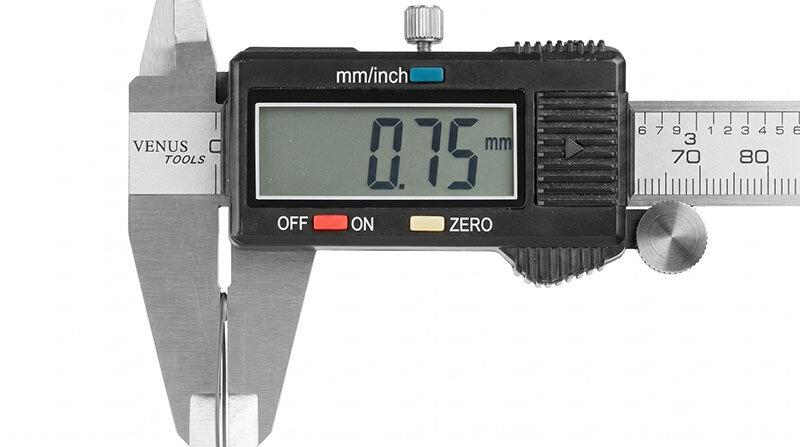
Probe Diameter Considerations
Dual camera integration becomes more challenging as probe diameter decreases.
Inside small probe diameters, the system must integrate:
Two camera modules
Two optical systems
Illumination components
Signal transmission wiring
Articulation mechanism
This increases internal design complexity compared with a single-camera side adapter system.
Practical Industry Trend
In many industrial maintenance environments, dual camera systems are becoming more popular because they reduce inspection time and simplify operation.
However, optical side view adapters still dominate certain aerospace and aviation inspection procedures where certified inspection standards and specific viewing geometries are required.
Conclusion
Both dual camera systems and side view adapters are effective solutions for industrial videoscope inspection.
Dual camera systems provide faster workflow and easier operation, while side view adapters offer optical flexibility and compatibility with traditional aerospace inspection procedures.
The best solution depends on the inspection environment, workflow requirements, and industry standards.
FAQ
What is the main advantage of a dual camera videoscope?
The main advantage is the ability to switch between forward and side view instantly without removing the probe from the inspection area.
Why are side view adapters still used in aerospace inspection?
Many aerospace inspection procedures were developed around optical side view adapters and certified viewing geometries. They remain widely accepted in aviation maintenance workflows.
Does a dual camera system require two separate cameras?
Yes. A dual camera videoscope typically integrates both a forward viewing camera and a side viewing camera inside the probe tip.
Can side view adapters reduce image quality?
High-quality optical adapters are designed to minimize image degradation, but additional optical elements may slightly affect brightness or image transmission compared with direct viewing.
Which solution is faster during inspection?
Dual camera systems are generally faster because the user can electronically switch viewing directions without probe removal.
Are dual camera probes more complex internally?
Yes. Dual camera systems require additional cameras, optics, wiring, and signal processing inside the probe tip, making the internal structure more complex.
Which system is better for turbine inspection?
Both systems are used successfully in turbine inspection. Dual camera systems improve workflow efficiency, while side view adapters are commonly used in certified aerospace inspection procedures.