Typical Casting Inspection Process
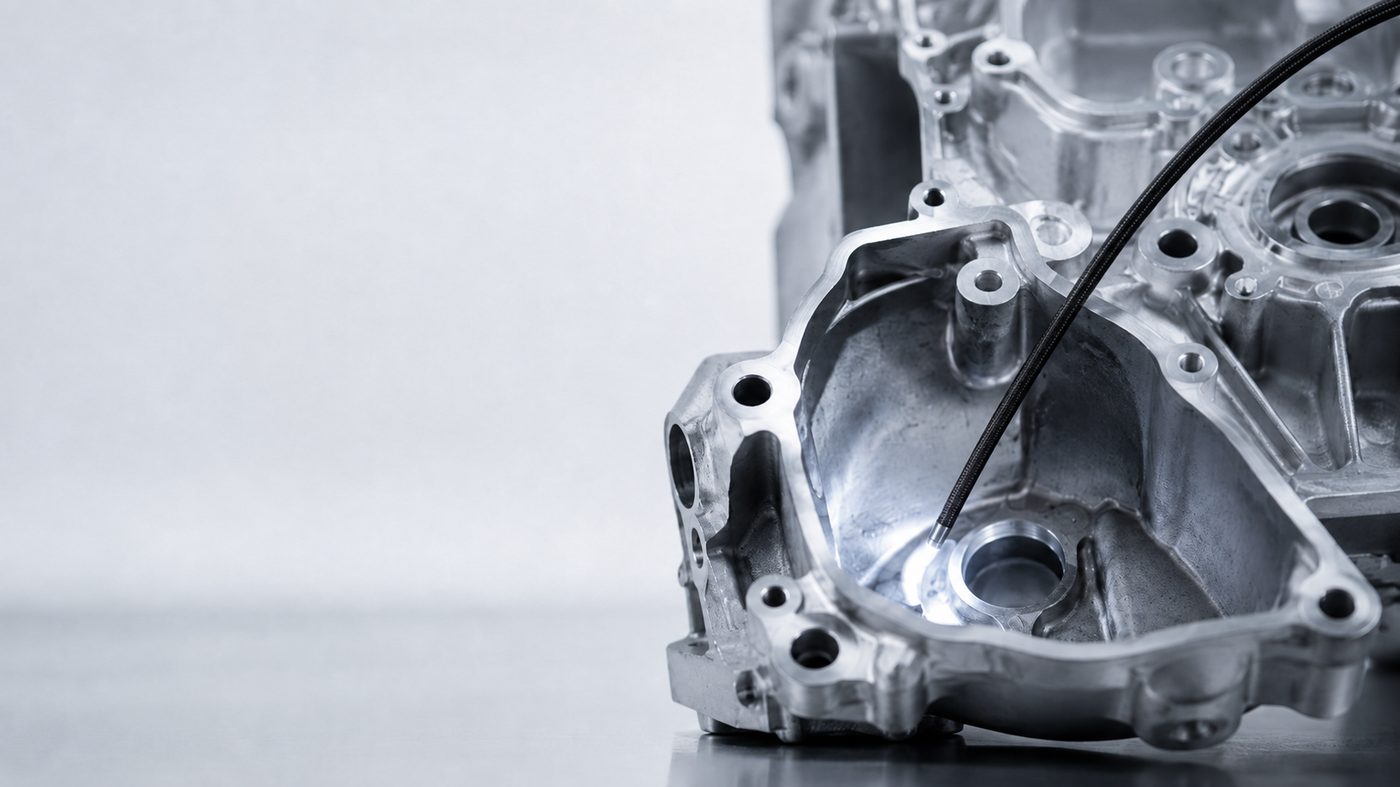
Learn the typical casting inspection process, including visual inspection of internal cavities, pores, cracks, inclusions, burrs, sand residues, and hard-to-access areas using industrial videoscopes for quality control.
Typical Casting Inspection Process
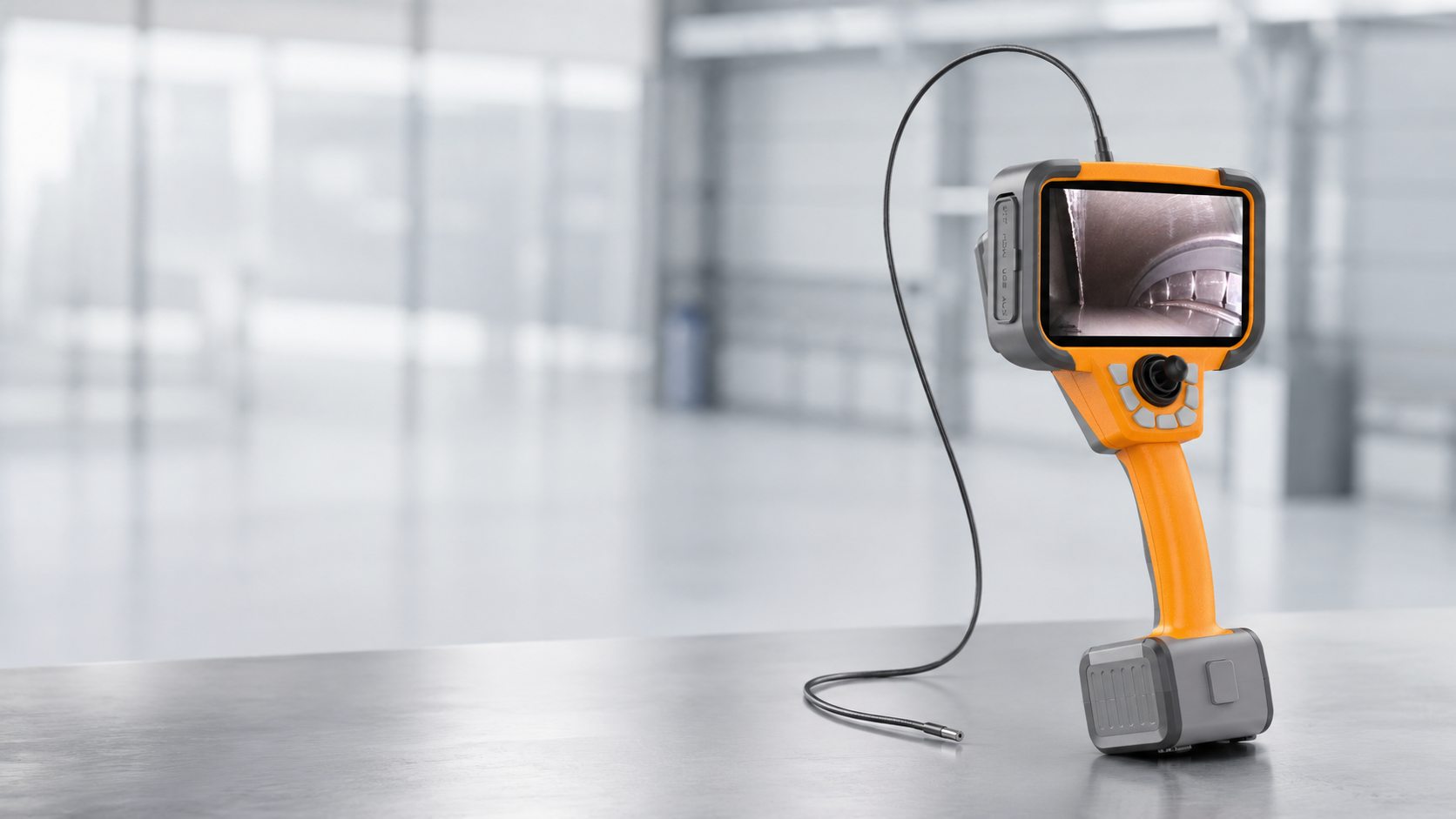
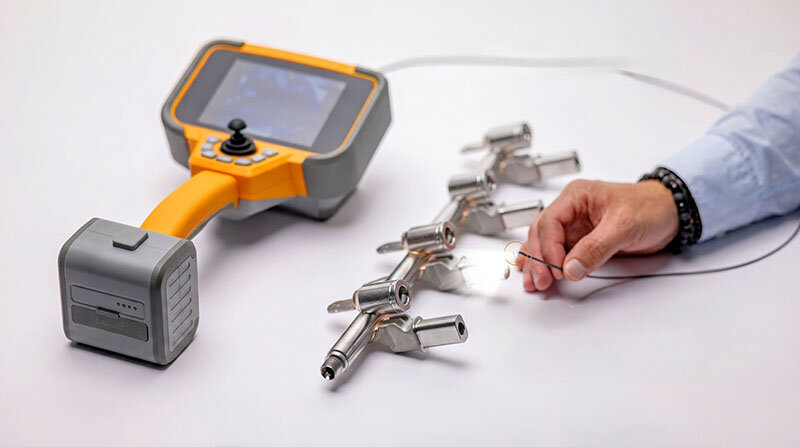
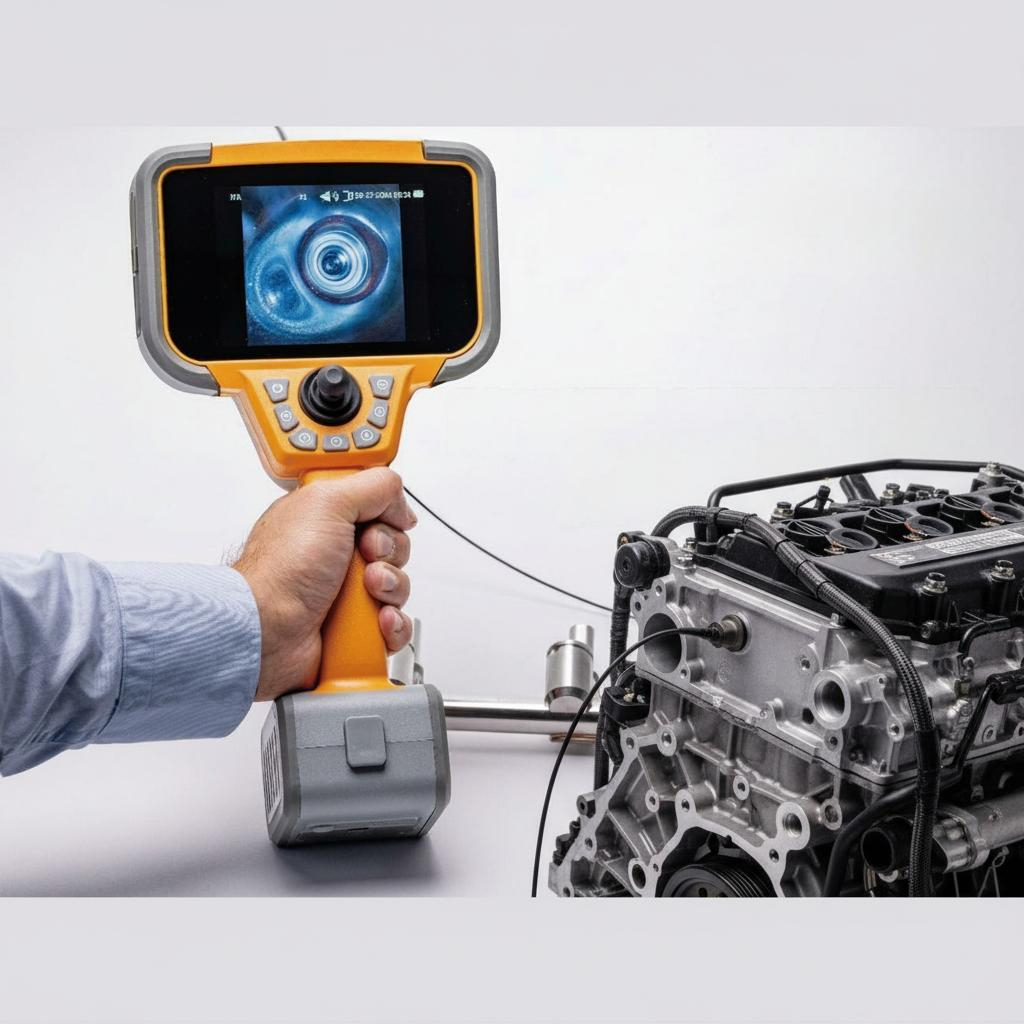
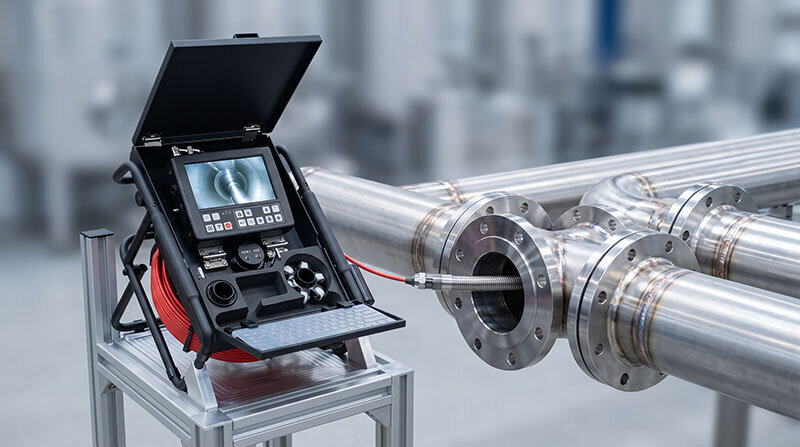
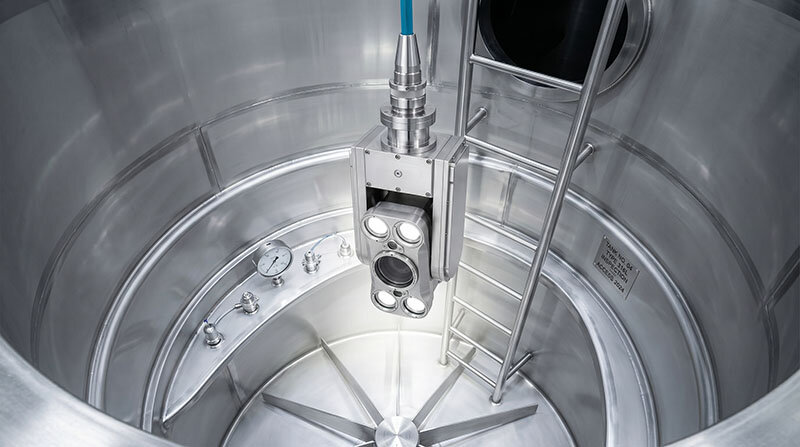
Casting inspection is an important quality control step in automotive, aerospace, machinery, and industrial manufacturing. Industrial videoscopes are used to inspect internal cavities, channels, and hidden areas of cast components without cutting or destroying the part.
Why Casting Inspection Is Important
Casting defects may affect product strength, sealing performance, and service life. Internal defects are often difficult to detect from the outside, making remote visual inspection a practical method for quality assurance.
Common Casting Defects
Porosity
Sand inclusion
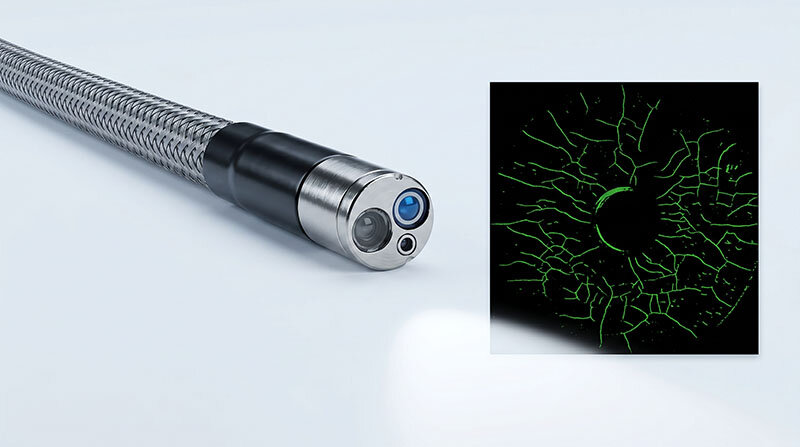
Cracks
Shrinkage cavities
Burrs and flash
Blocked internal channels
Surface roughness inside cavities
Typical Inspection Process
1. Define Inspection Area
Before inspection, the operator identifies the target areas such as internal channels, holes, cavities, or machined passages.
2. Select the Right Probe
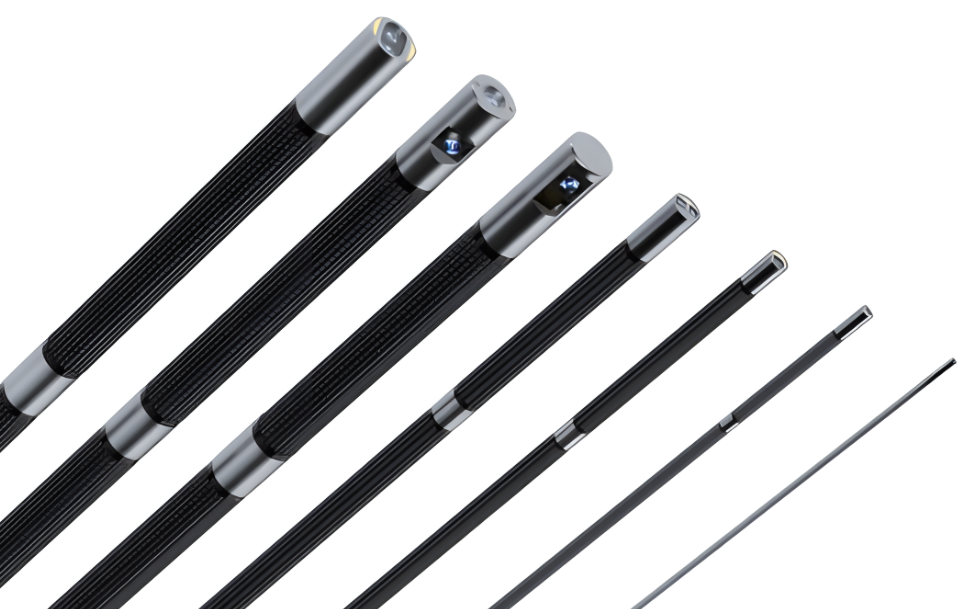
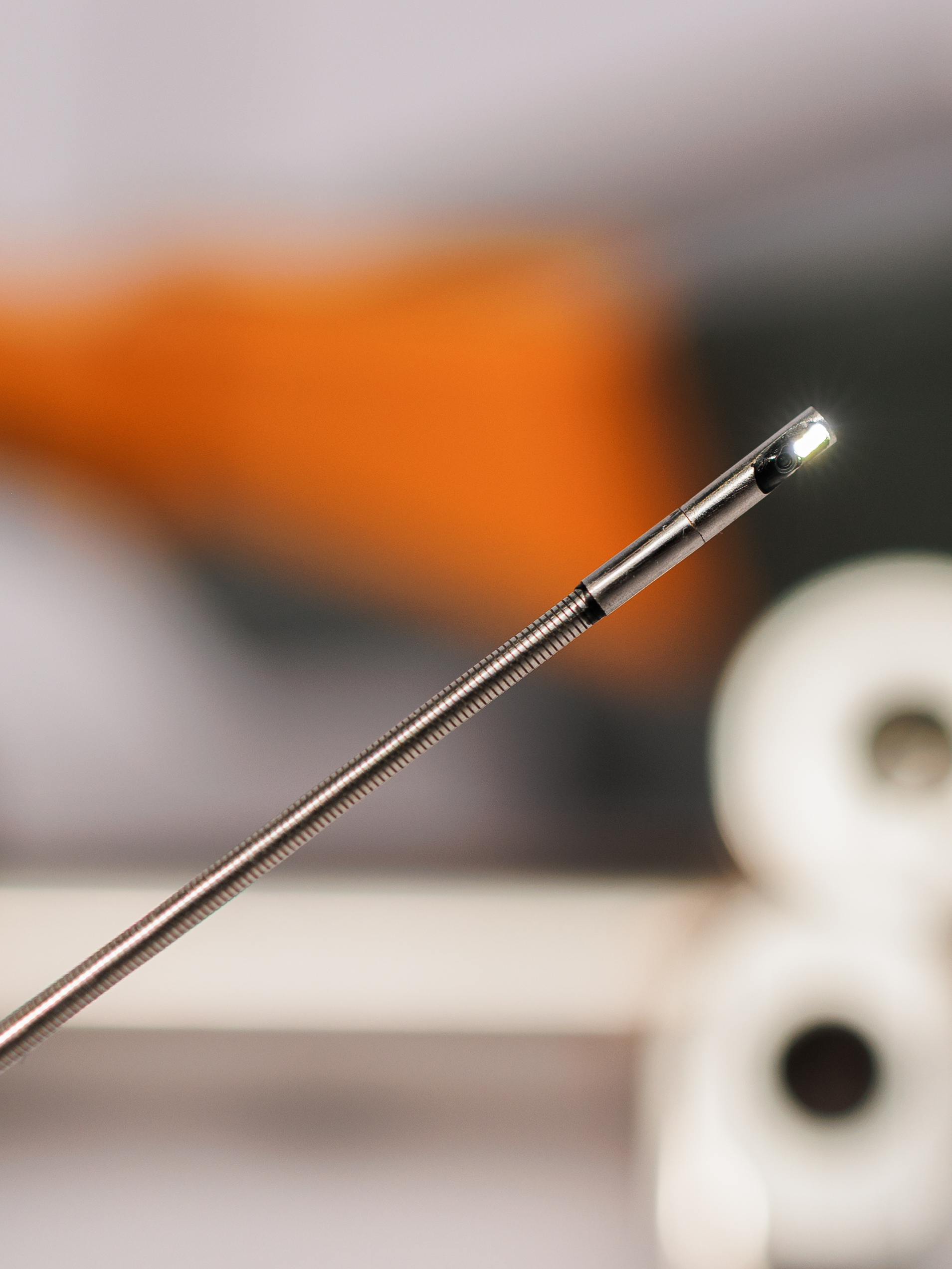
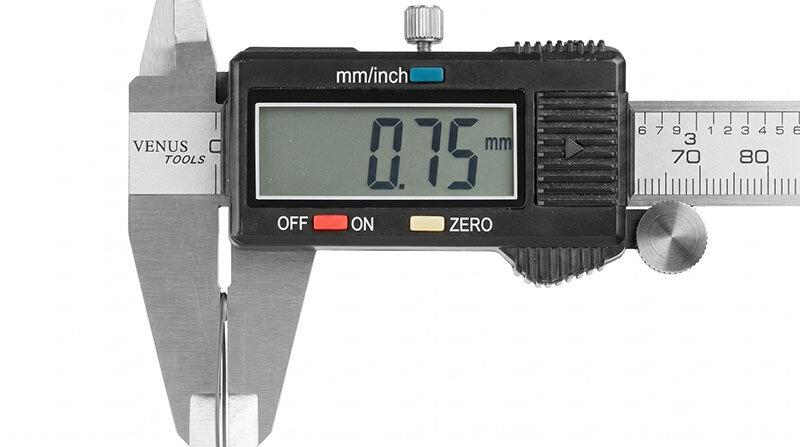
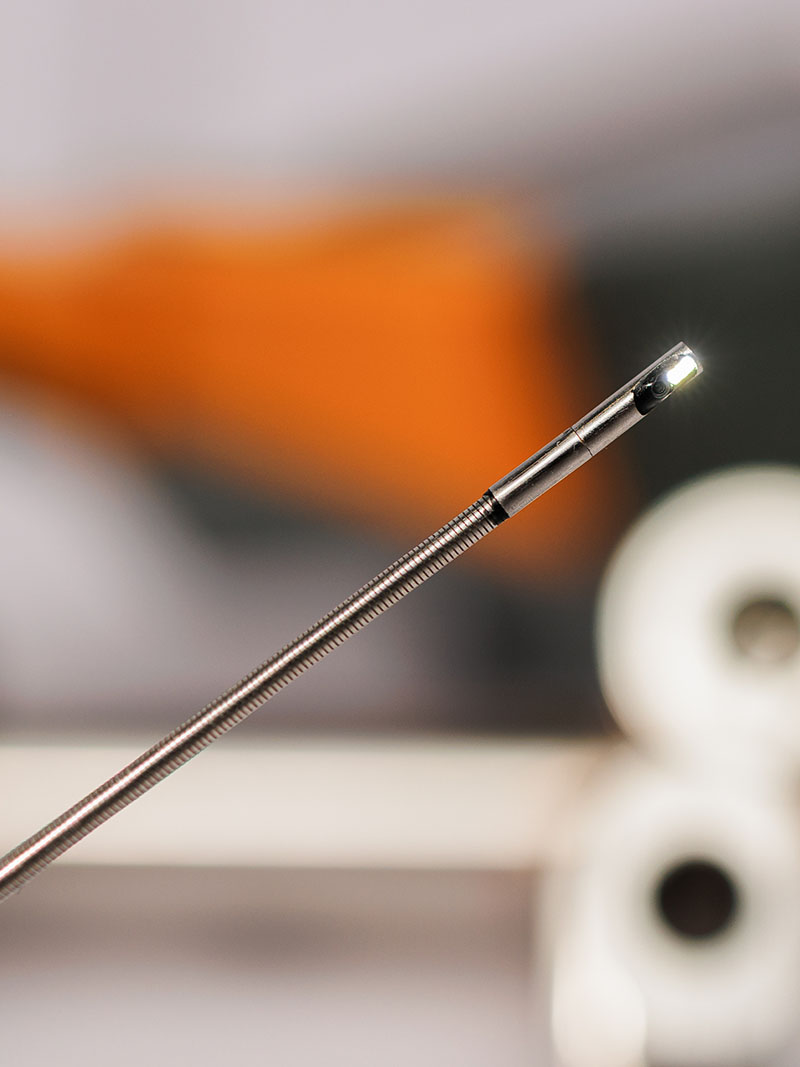
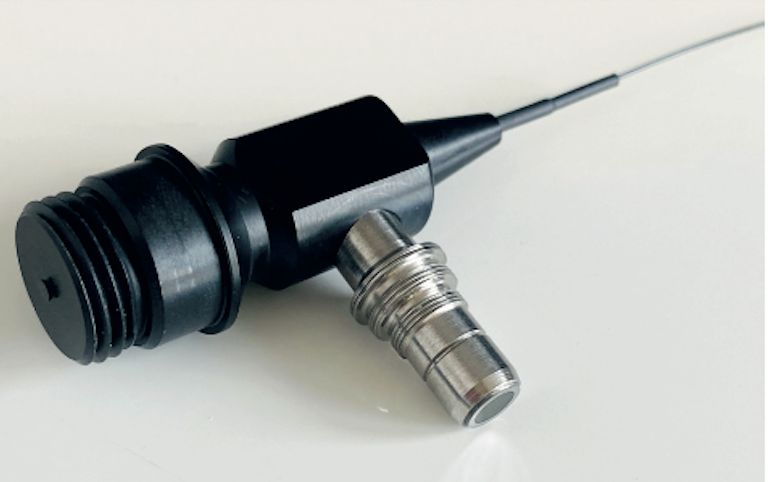
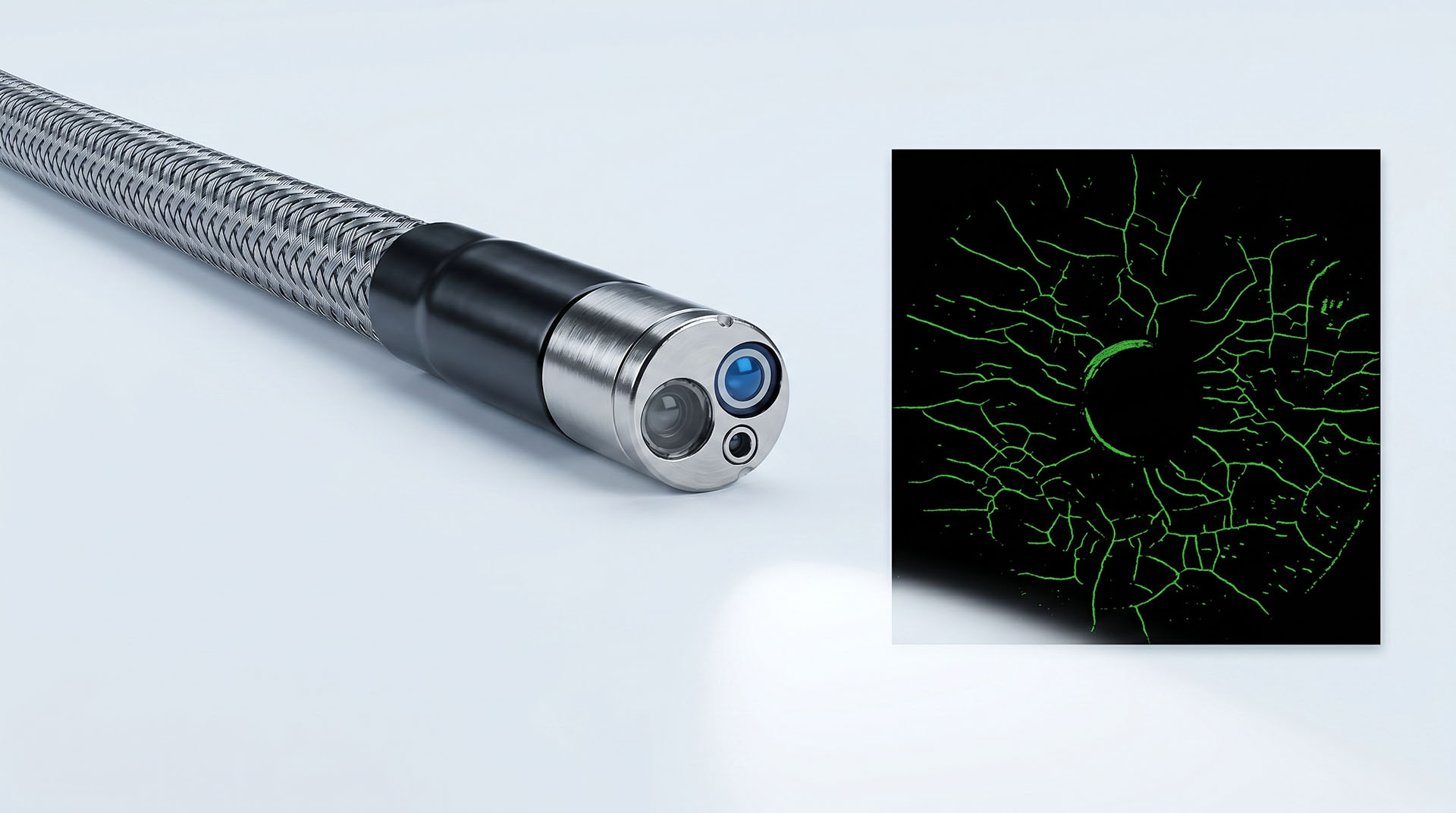
The probe diameter and length should match the access hole and inspection depth. For small castings or narrow channels, ultra-thin probes may be required.
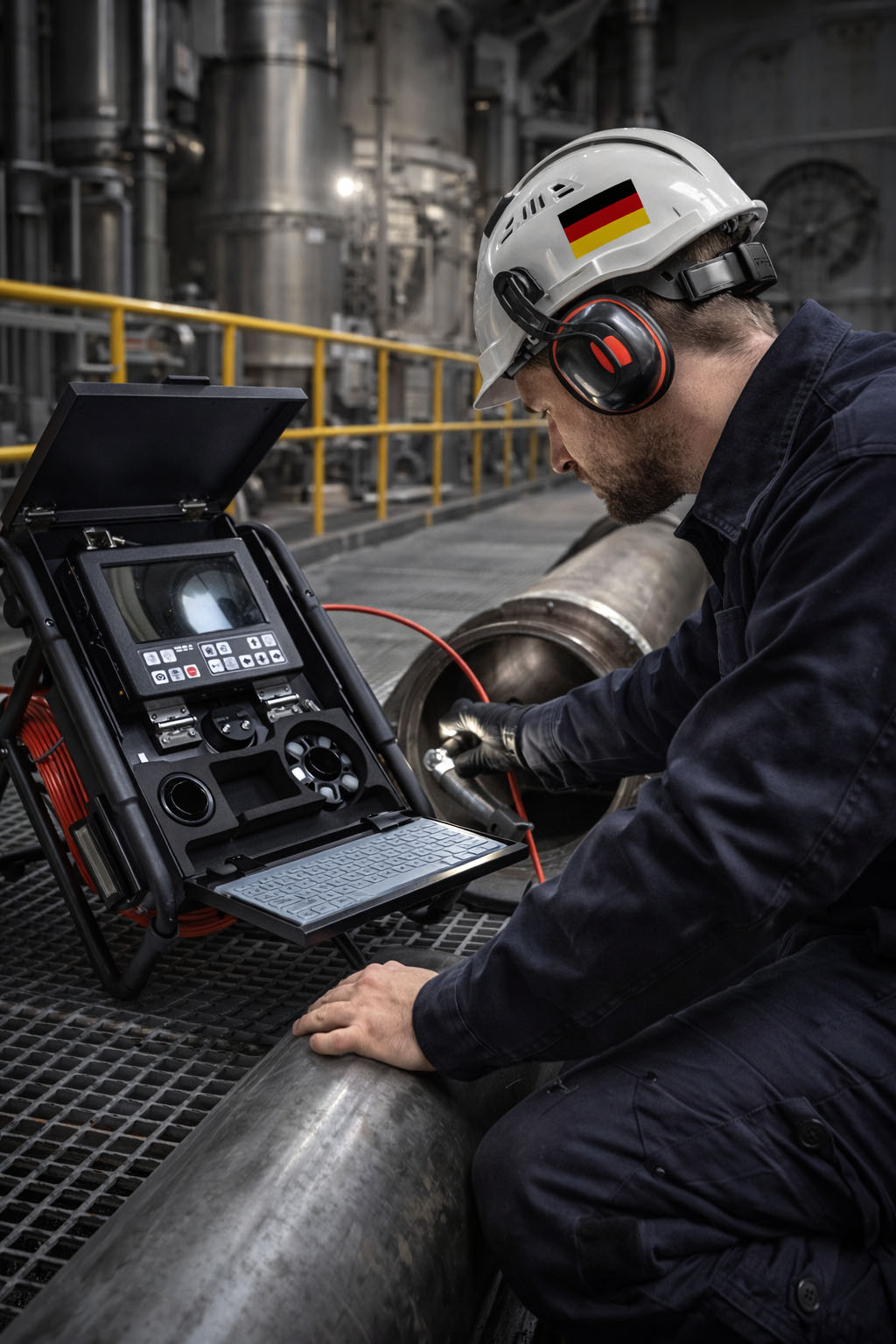
3. Insert the Videoscope
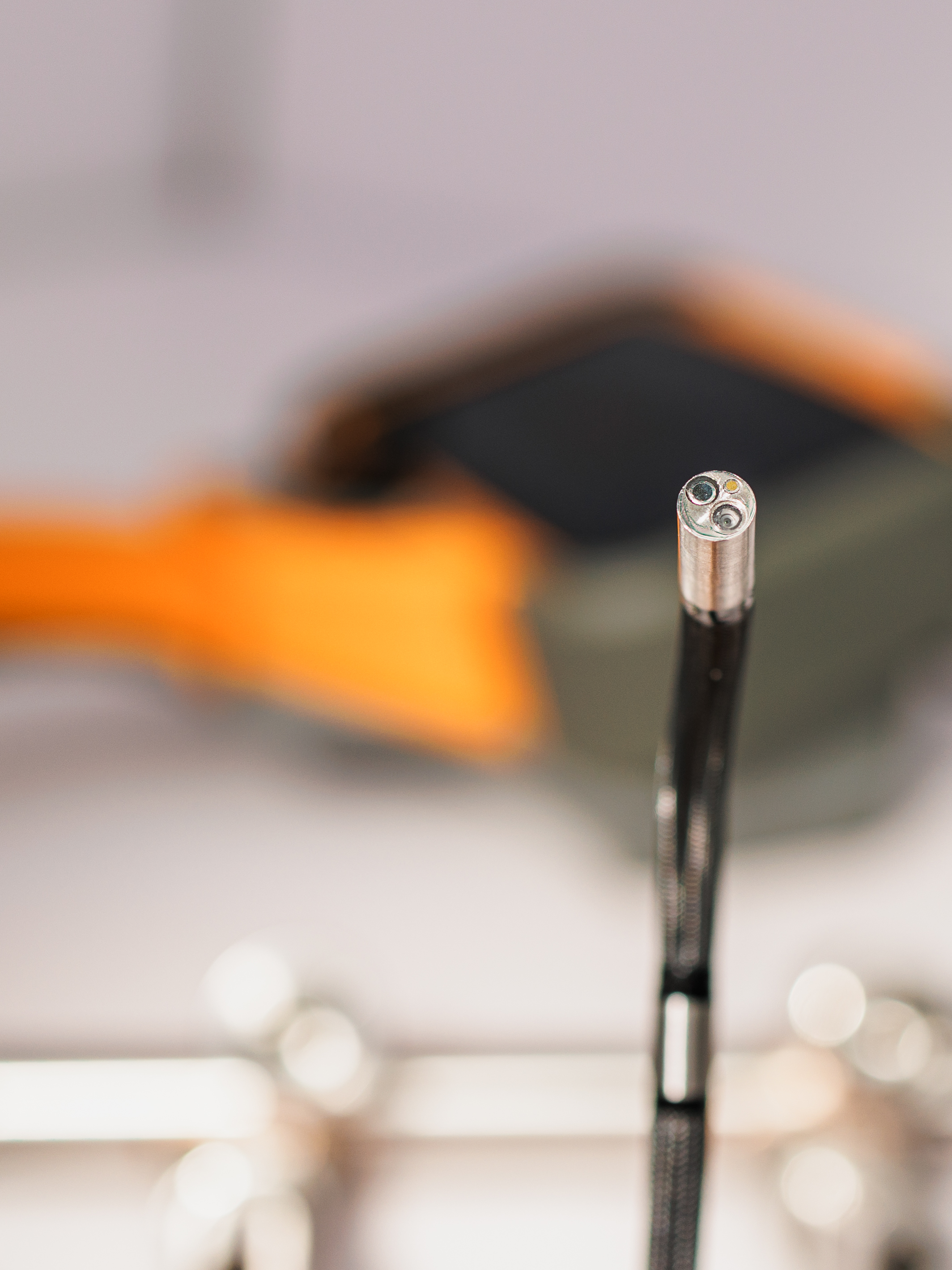
The probe is inserted carefully into the casting. Articulation helps the operator control the viewing direction and inspect side walls or hidden corners.
4. Capture Images and Videos
Defects can be recorded as images or videos for quality documentation, internal reports, or customer communication.
5. Evaluate and Report
The inspection results are reviewed and documented. Defective parts can be rejected, repaired, or further inspected using other NDT methods if necessary.
Recommended Videoscope Features
Small diameter probe
Short and flexible insertion tube
Clear image quality
Adjustable LED illumination
Side-view or dual-view options
Image and video recording
Conclusion
Videoscope inspection provides a fast and non-destructive way to check internal casting quality. It is especially useful for complex cast parts with internal channels or hidden surfaces.