Heat Exchanger Inspection Workflow
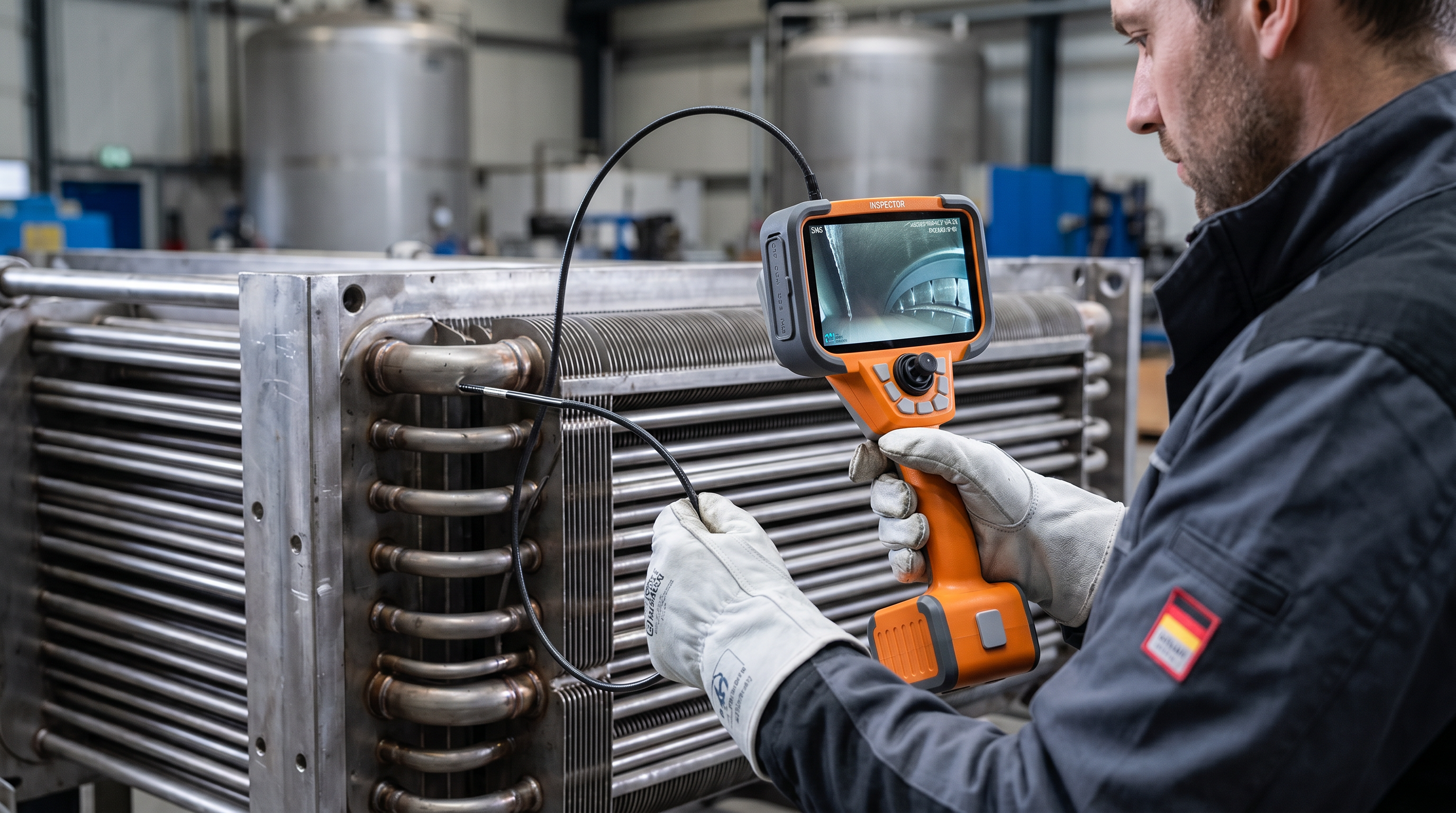
Learn the typical heat exchanger inspection workflow, including tube access preparation, internal visual inspection, corrosion checks, crack detection, deposit evaluation, blockage inspection, and documentation using industrial videoscopes.
Heat Exchanger Inspection Workflow
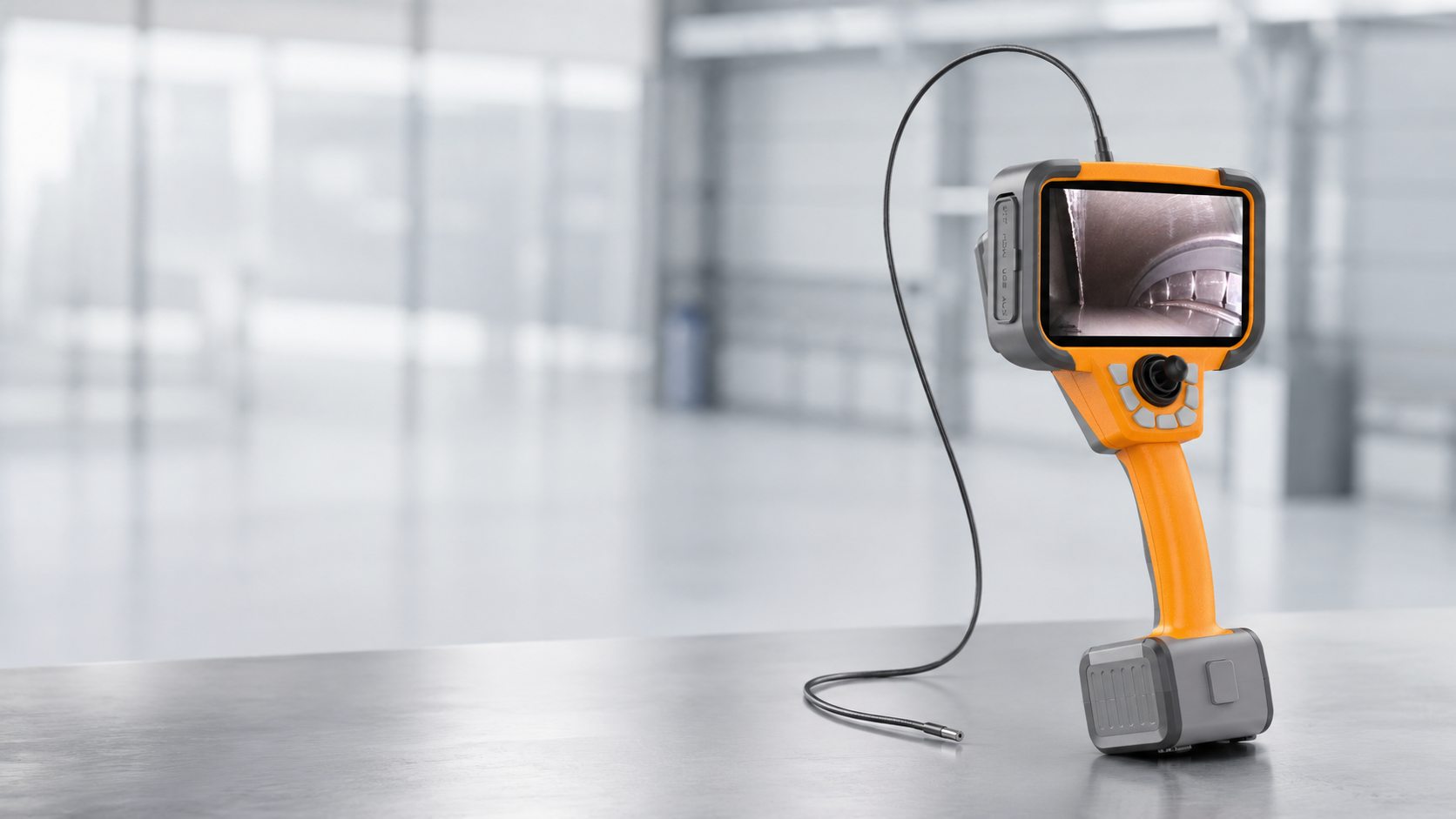
Heat exchanger inspection is essential for maintaining system efficiency, safety, and reliability. Industrial videoscopes are commonly used to inspect tubes, tube sheets, welds, and internal surfaces where direct visual access is limited.
Why Heat Exchanger Inspection Is Needed
Heat exchangers operate in demanding environments and are exposed to pressure, temperature changes, corrosion, and deposits. Regular inspection helps detect early signs of failure and supports preventive maintenance planning.
Common Inspection Targets
Heat exchanger tubes
Tube sheets
Welded joints
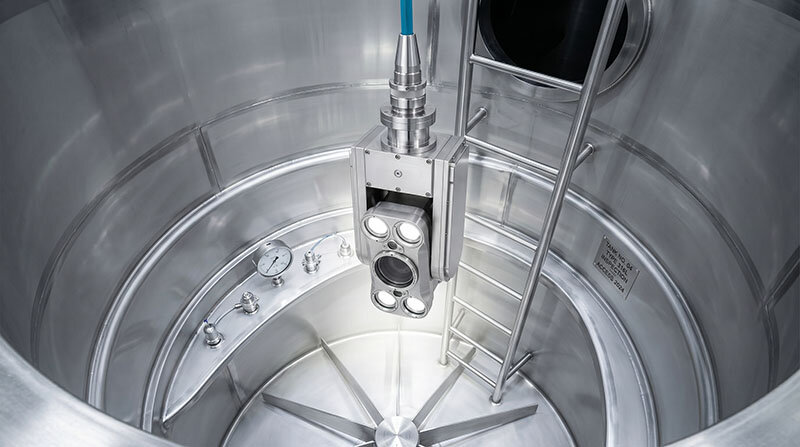
Internal surfaces
Inlet and outlet areas
Blocked or contaminated passages
Typical Defects Found
Corrosion
Scaling and deposits
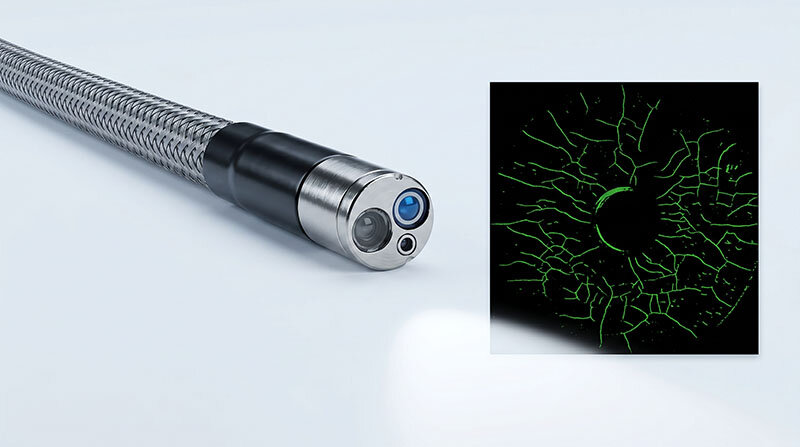
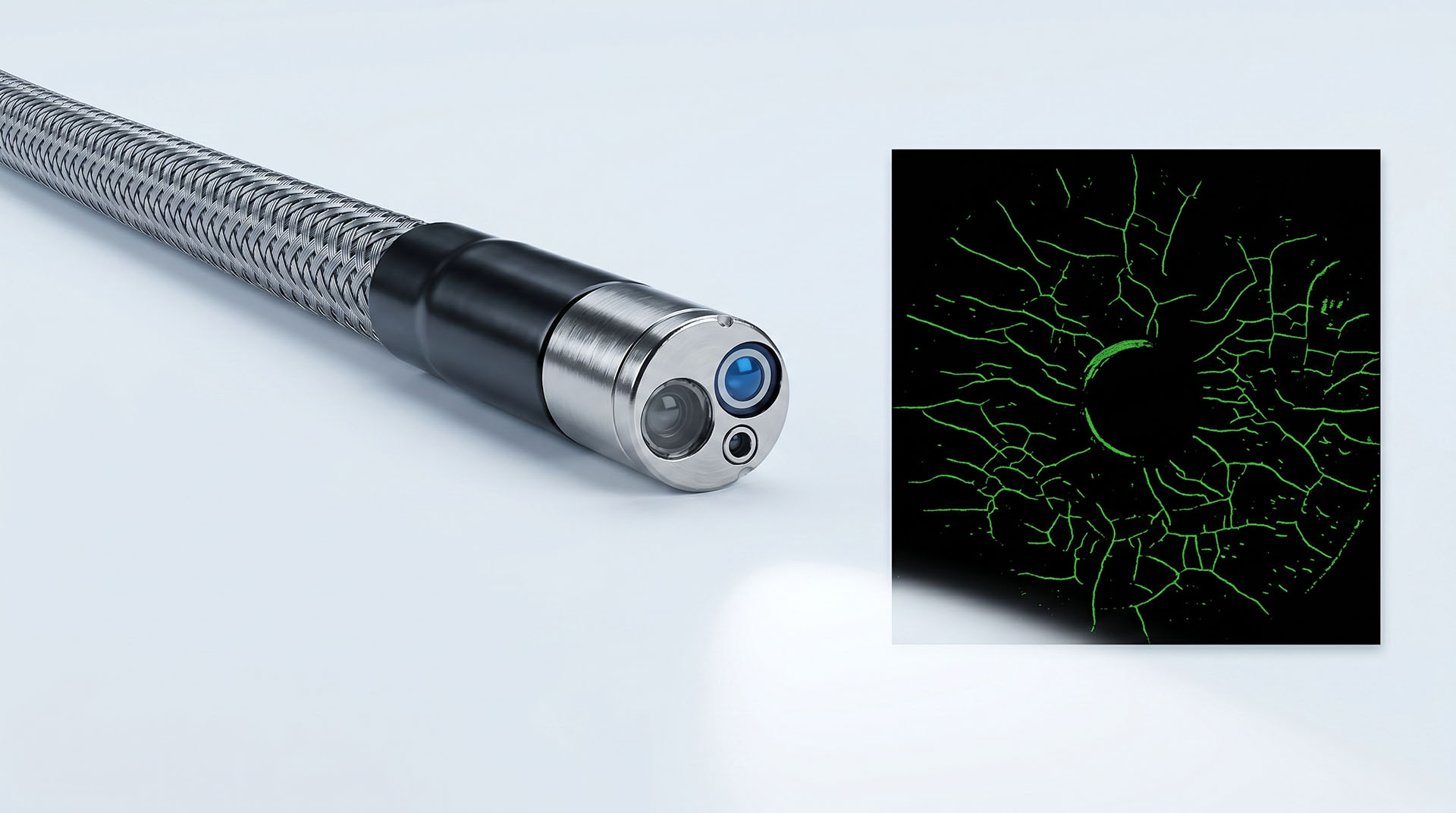
Cracks
Tube blockage
Weld defects
Surface erosion
Leak-related damage
Inspection Workflow
1. Preparation
The heat exchanger should be safely shut down, cooled, and cleaned if required. The inspection access points are identified before inserting the probe.
2. Probe Selection
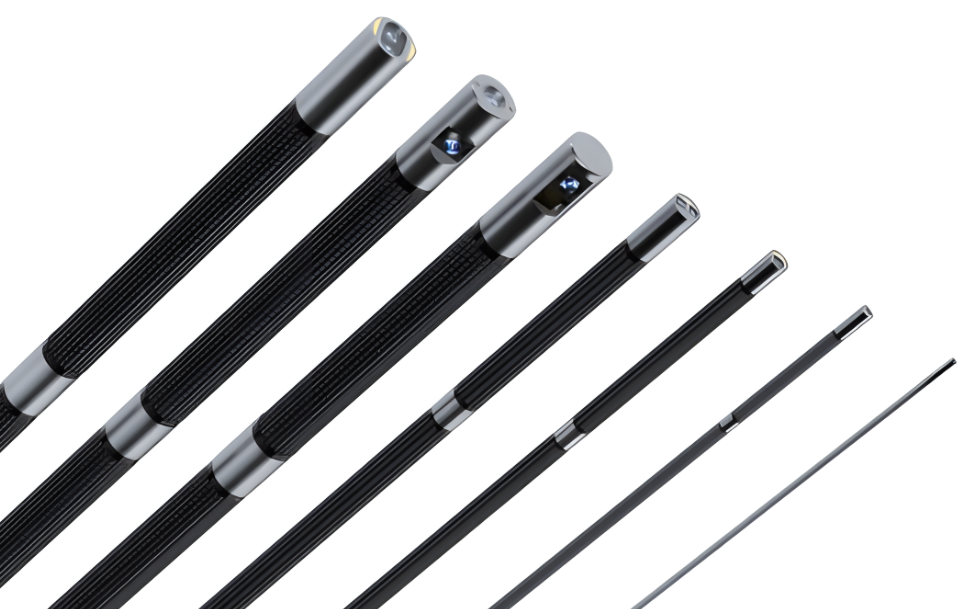
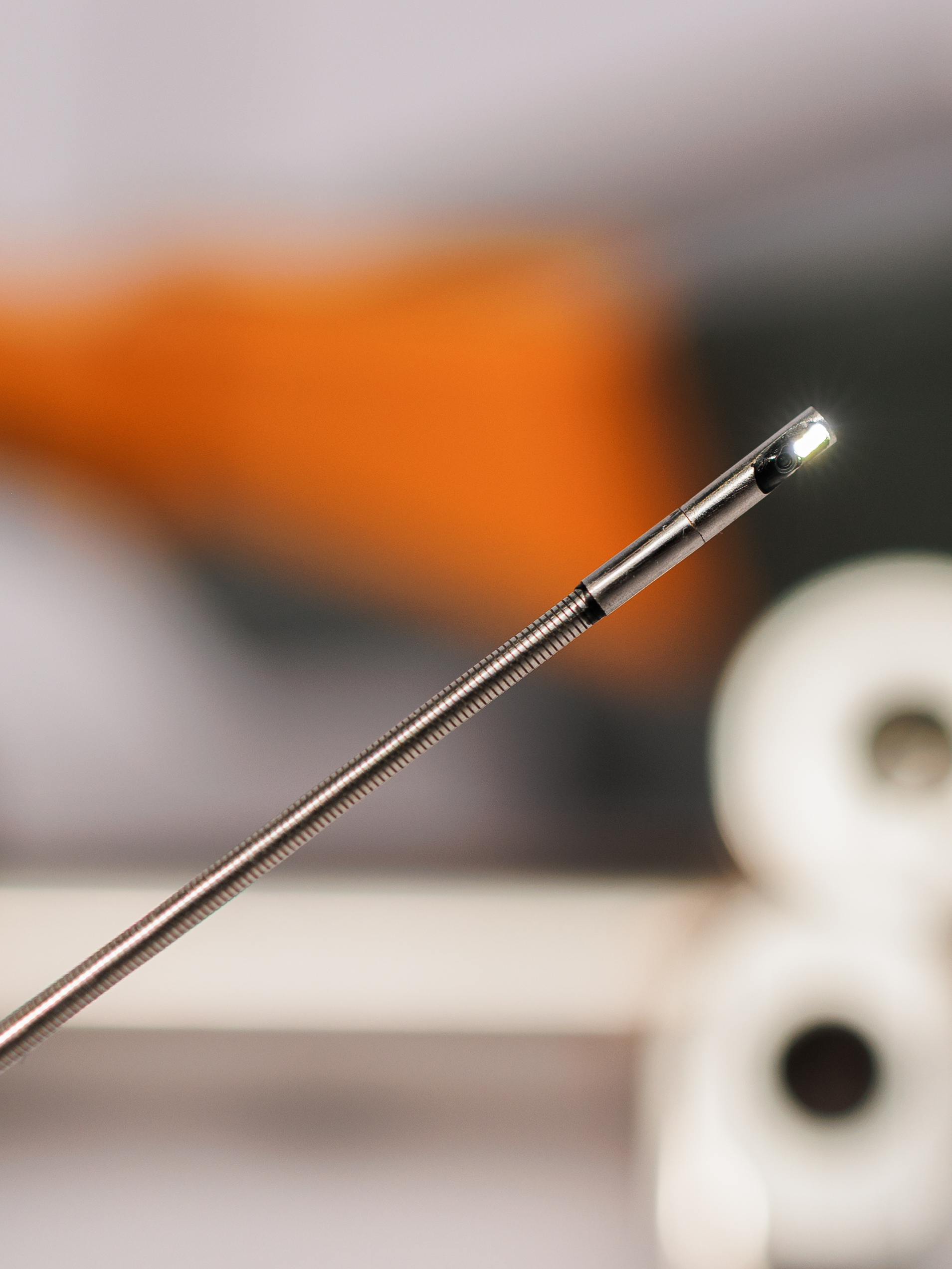
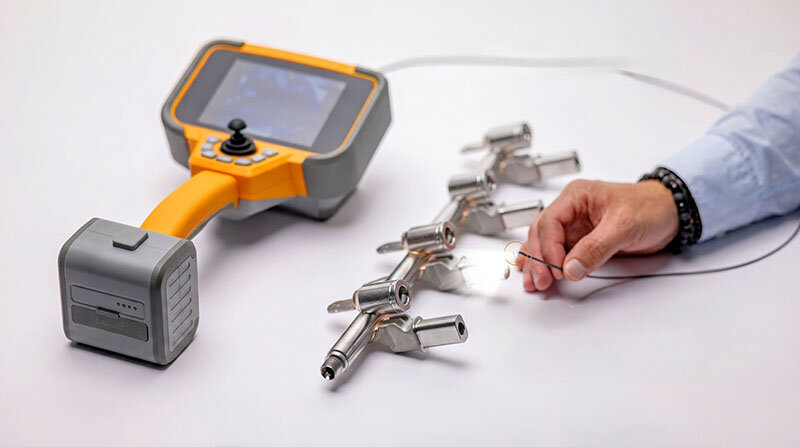
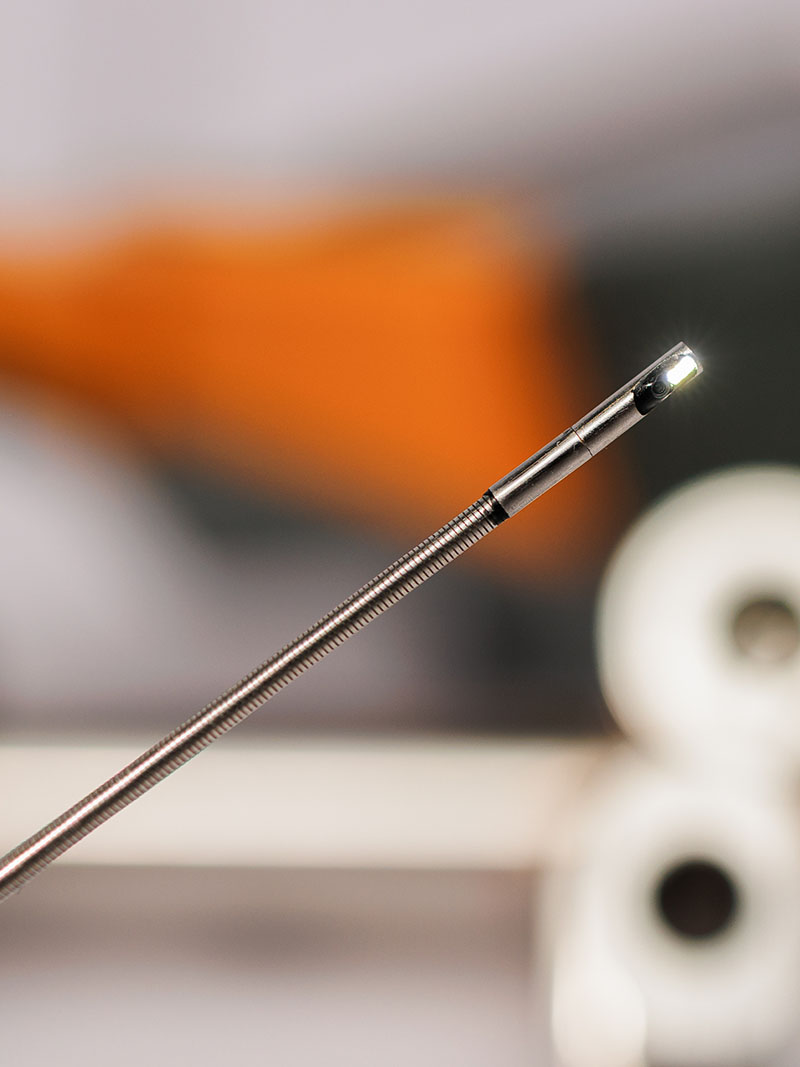
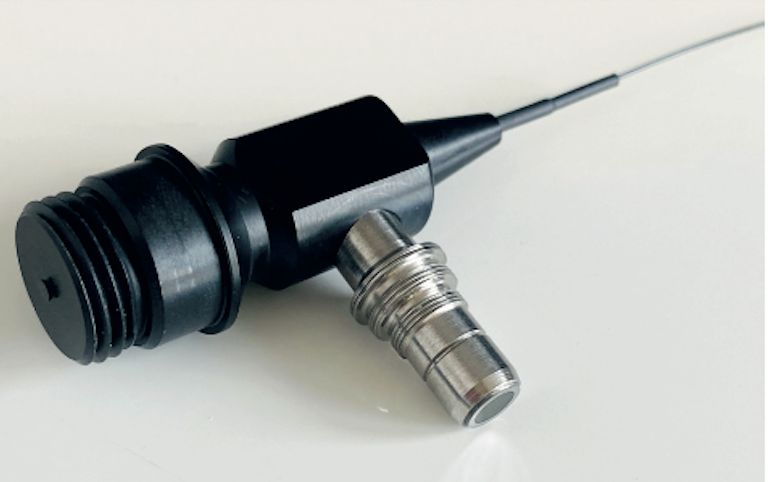
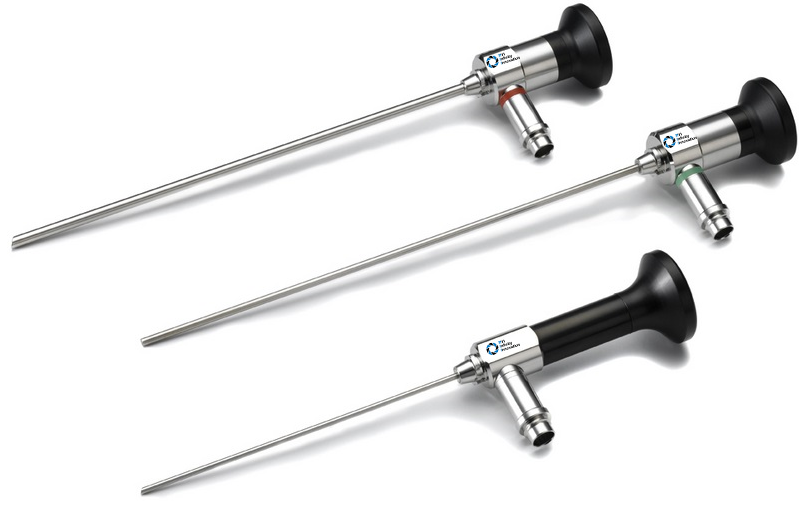
The probe diameter and length are selected according to the tube diameter, inspection distance, and required viewing direction. Long probes may be needed for deep tube inspection.
3. Internal Visual Inspection
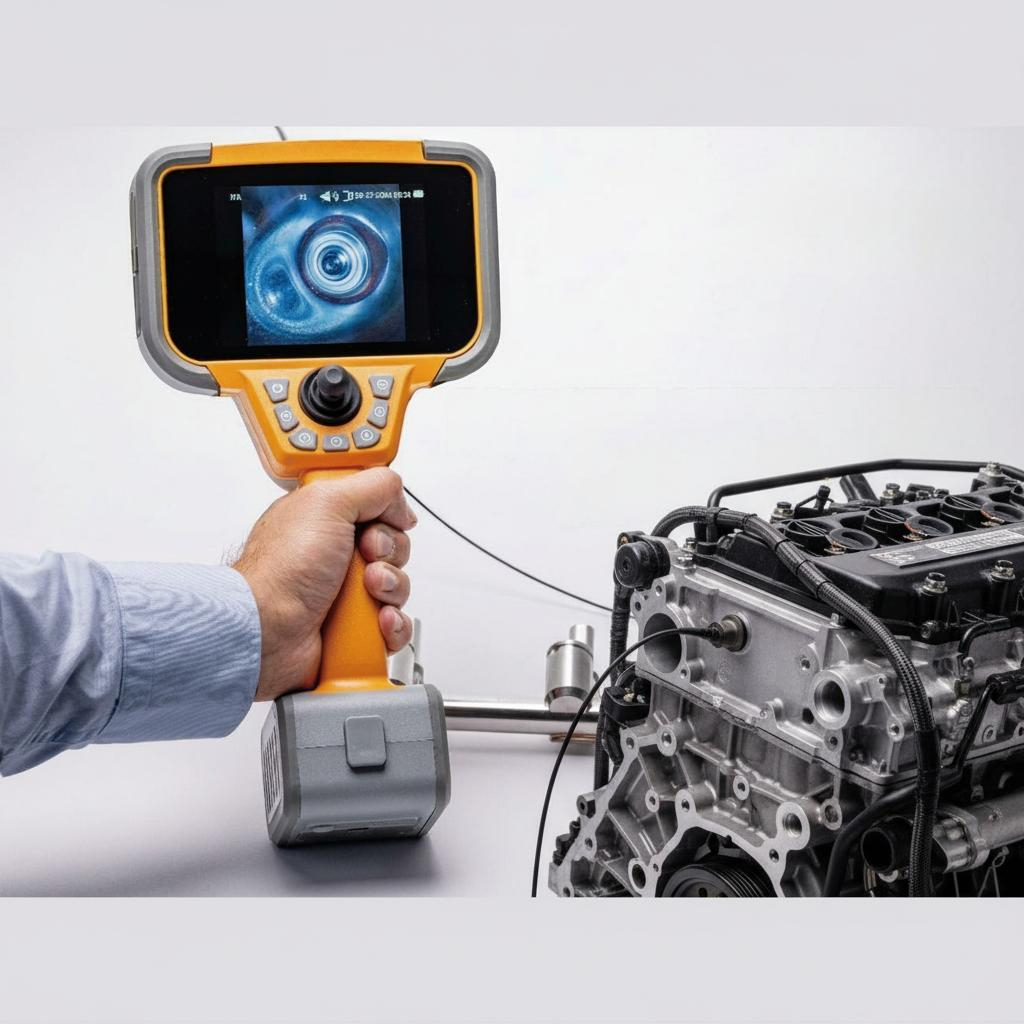
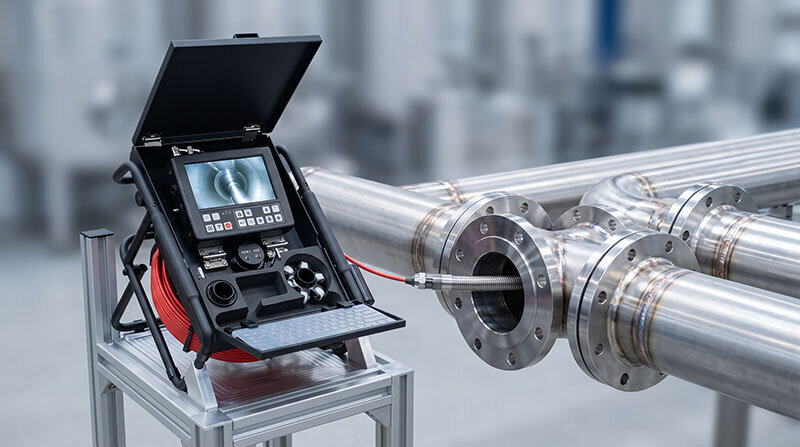
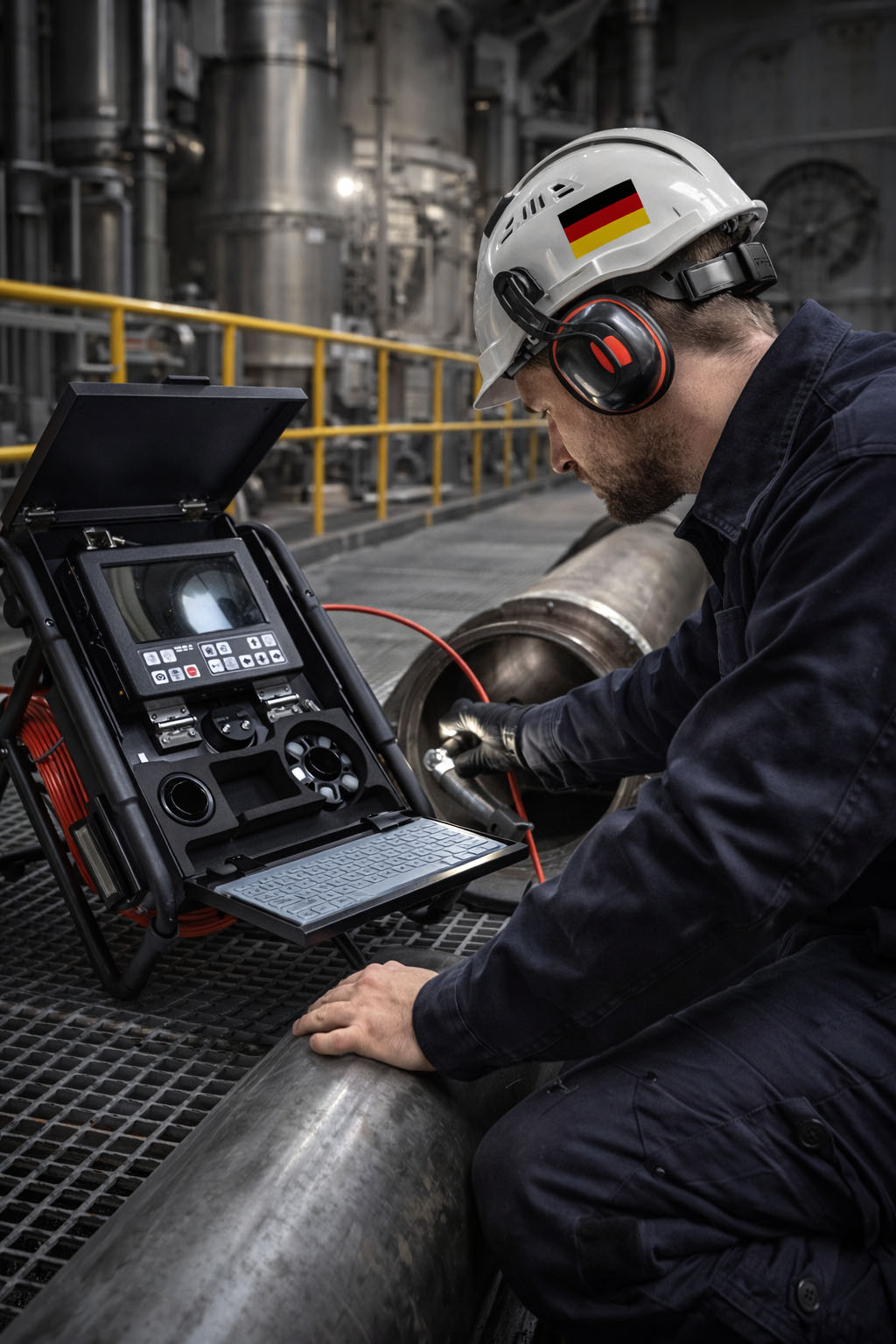
The videoscope probe is inserted into the tube or access point. The operator checks the internal surface condition, weld areas, deposits, and possible damage.
4. Image and Video Documentation
Important findings are recorded for maintenance records, customer reports, or comparison with future inspections.
5. Evaluation and Maintenance Decision
The inspection results help determine whether cleaning, repair, replacement, or further testing is required.
Recommended Videoscope Features
Long insertion tube options
Small diameter probe
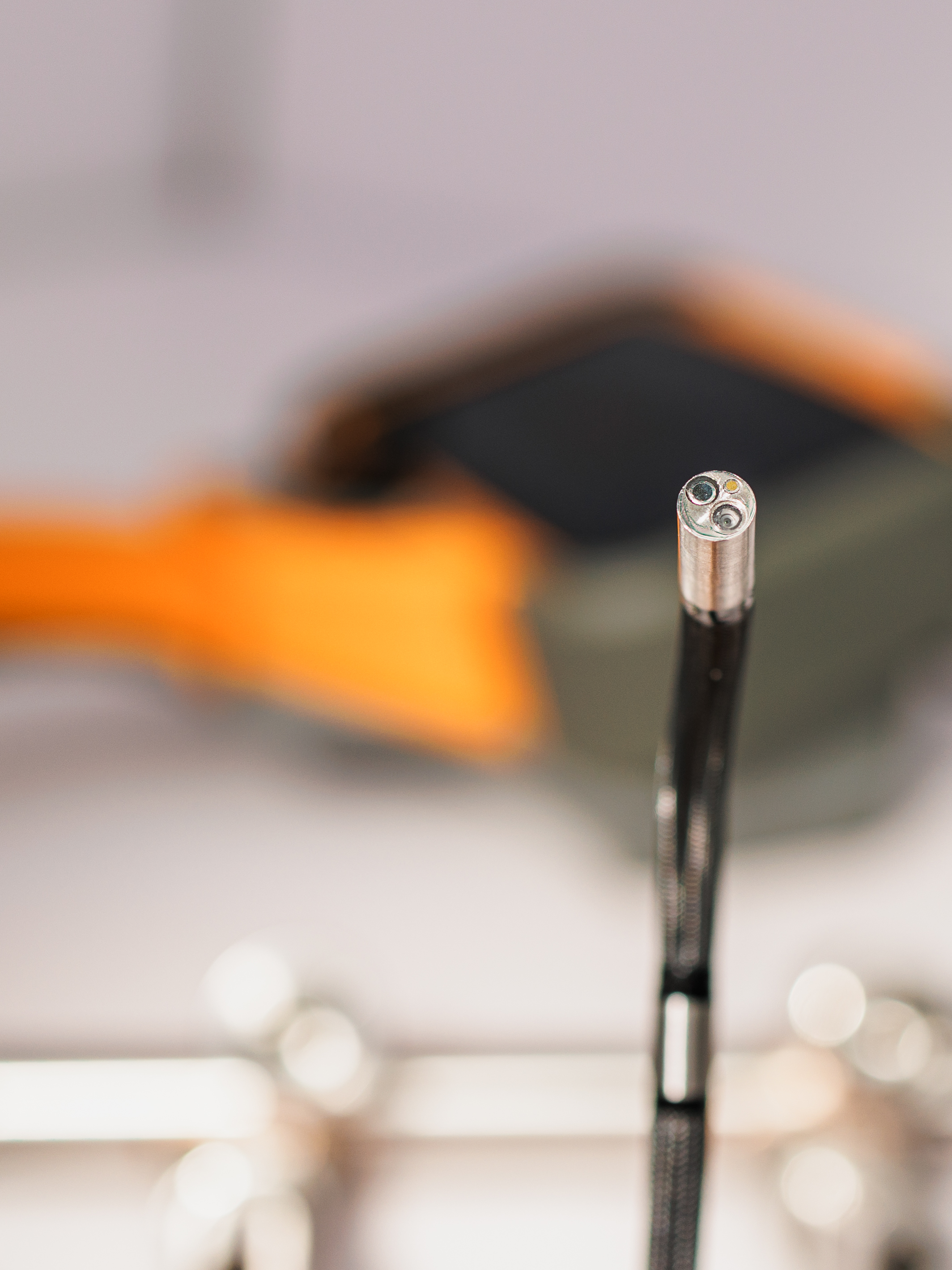
Good illumination for dark internal surfaces
High-resolution image quality
Durable probe construction
Image and video recording
Conclusion
Videoscope inspection helps maintenance teams evaluate heat exchanger condition quickly and non-destructively. It supports early defect detection, better maintenance planning, and reduced downtime.