Challenges of Aircraft Engine Inspection
Learn the key challenges of aircraft engine inspection, including limited access, complex internal geometry, turbine blade damage, deposits, cracks, heat exposure, and the need for reliable industrial videoscope inspection in aviation maintenance.
Challenges of Aircraft Engine Inspection
Aircraft engine inspection is one of the most demanding applications in industrial visual inspection. Modern turbine engines operate under extremely high temperatures, pressure, and rotational stress, requiring regular inspection to ensure flight safety, performance, and maintenance compliance.
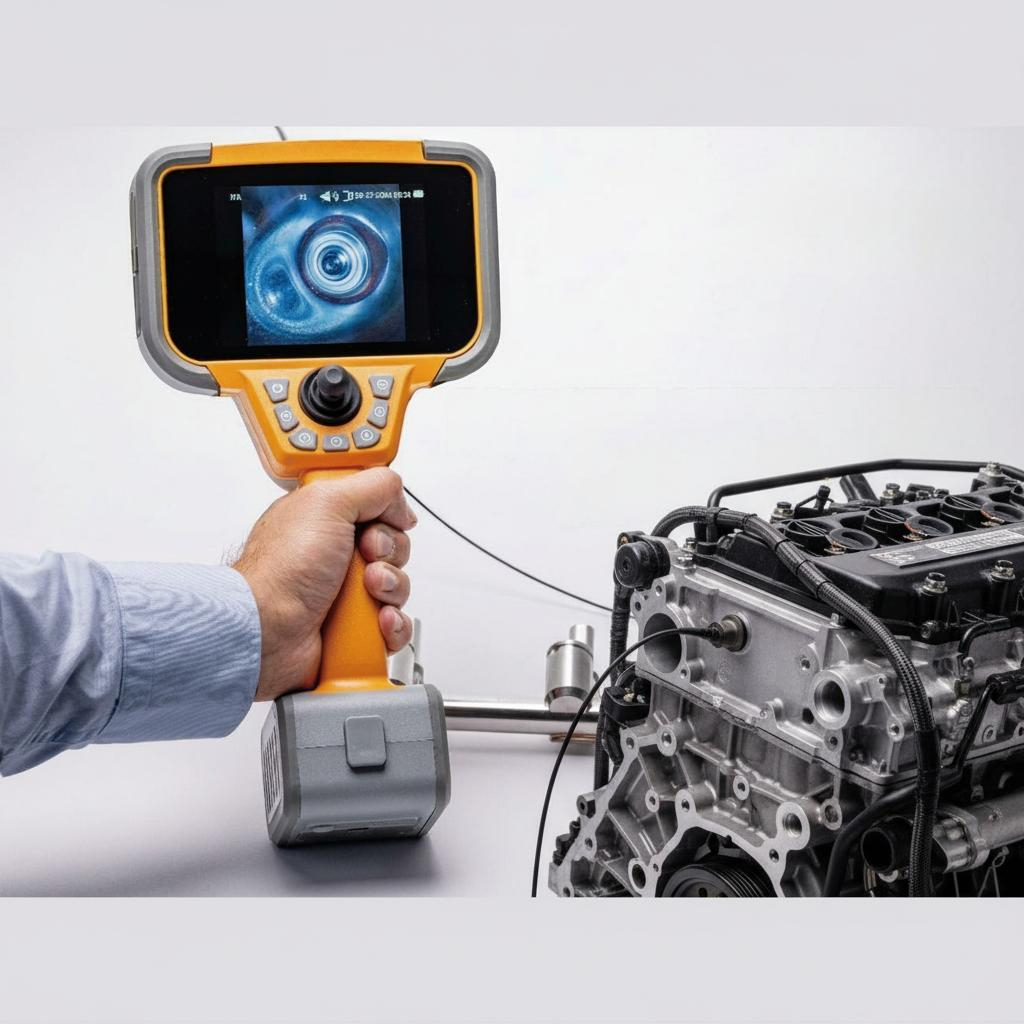
Because many internal engine components are difficult or impossible to access directly, industrial videoscopes have become an essential inspection tool in aviation maintenance and aerospace quality assurance.
Complex Internal Engine Geometry
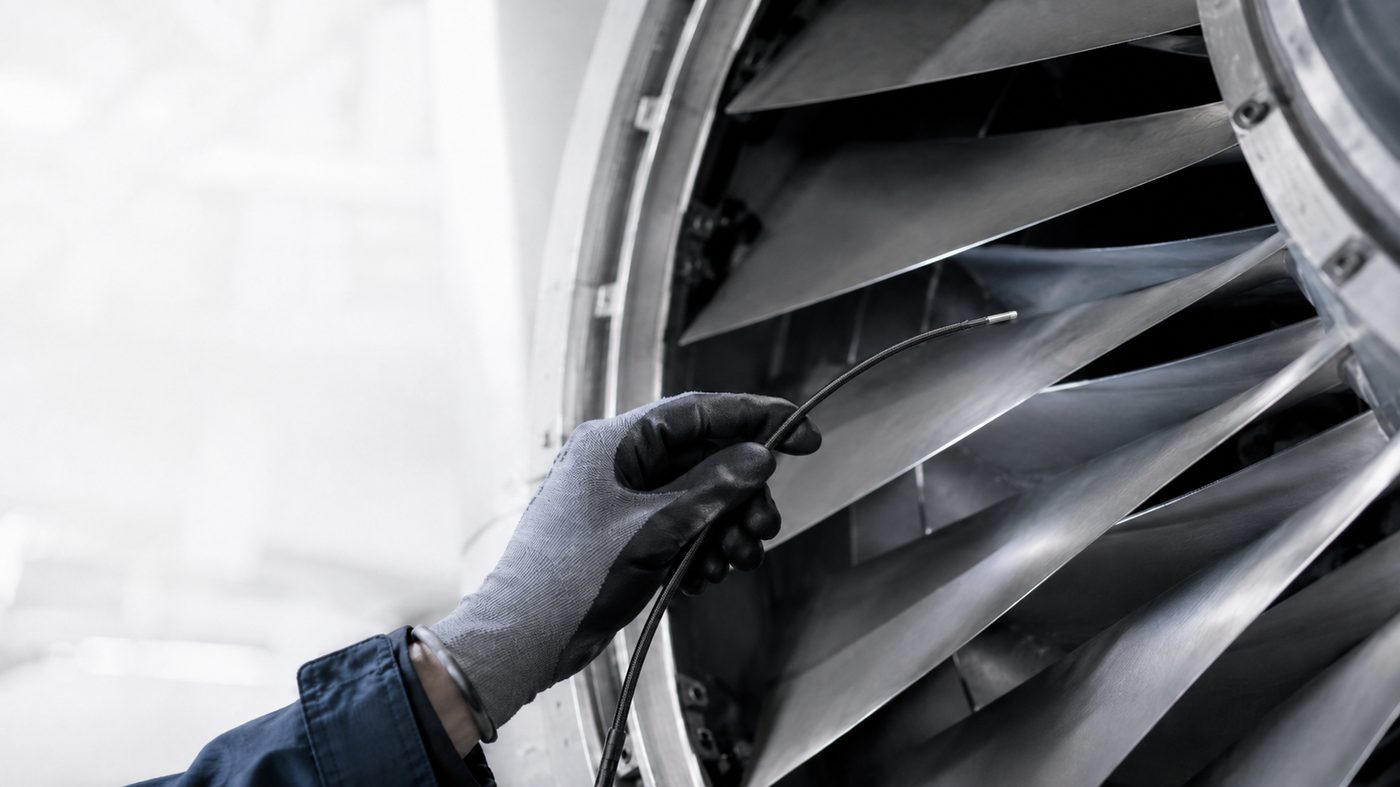
Aircraft engines contain highly compact internal structures with limited access openings. Inspectors often need to navigate through narrow pathways while maintaining orientation inside the engine.
Typical inspection targets include:
Compressor blades
Combustion chambers
Nozzle guide vanes (NGV)
Turbine blades
Trailing edges
Cooling holes and internal passages
The complexity of engine geometry makes probe navigation one of the main inspection challenges.
Limited Access Space
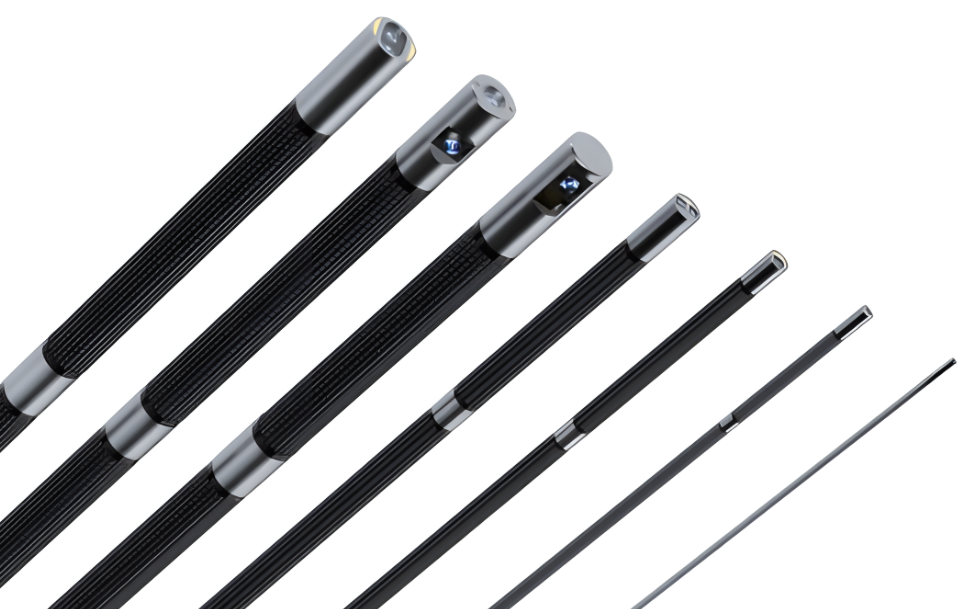
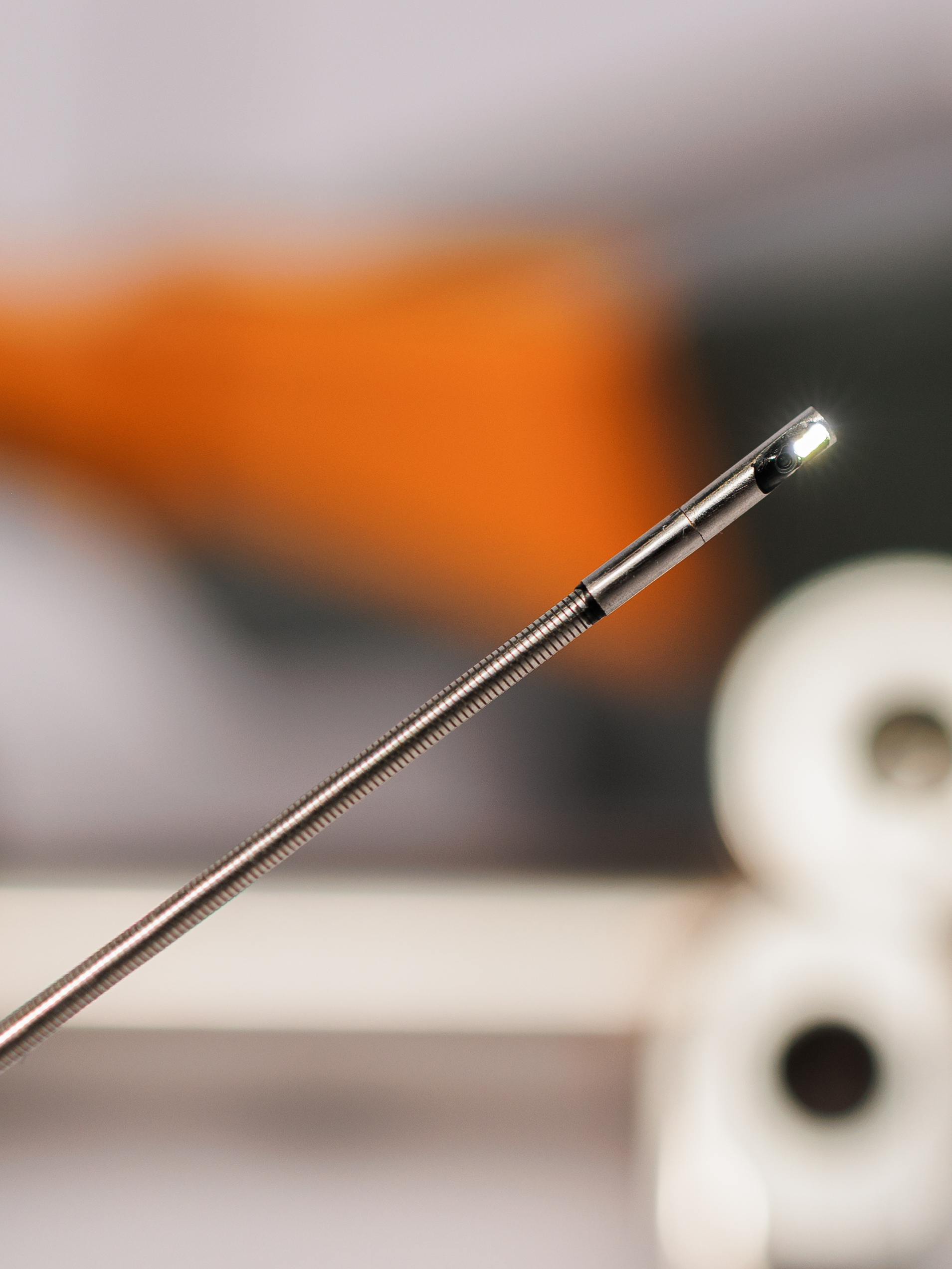
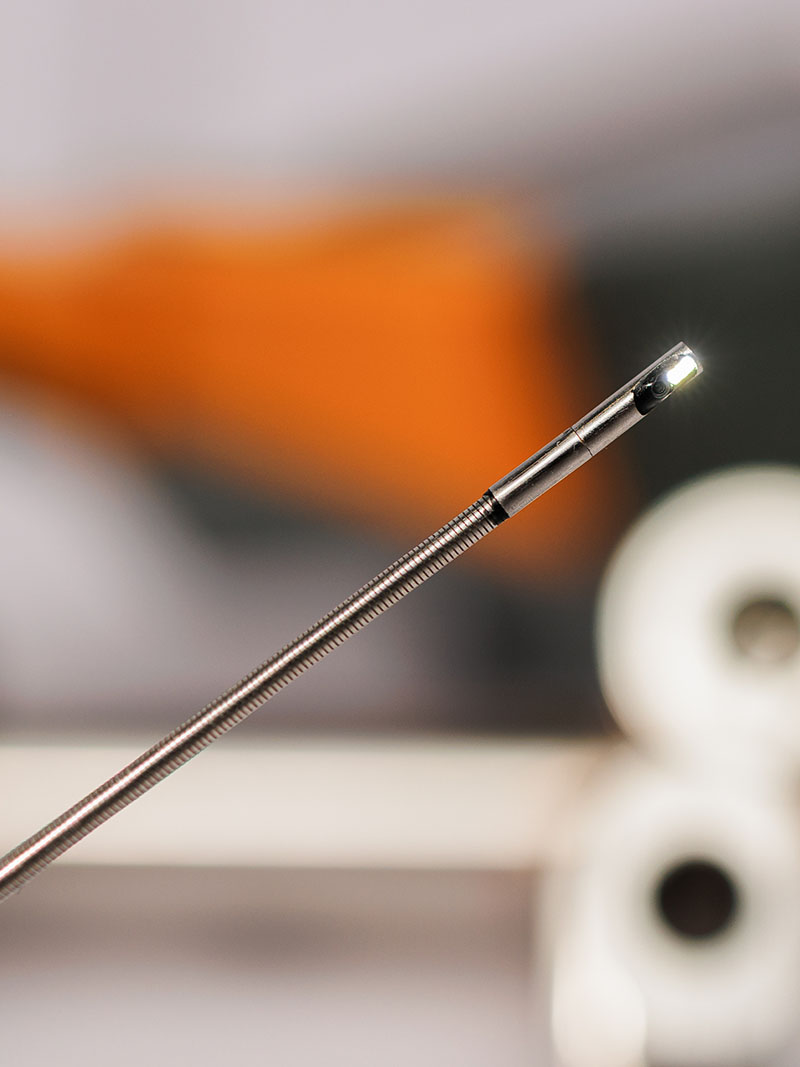
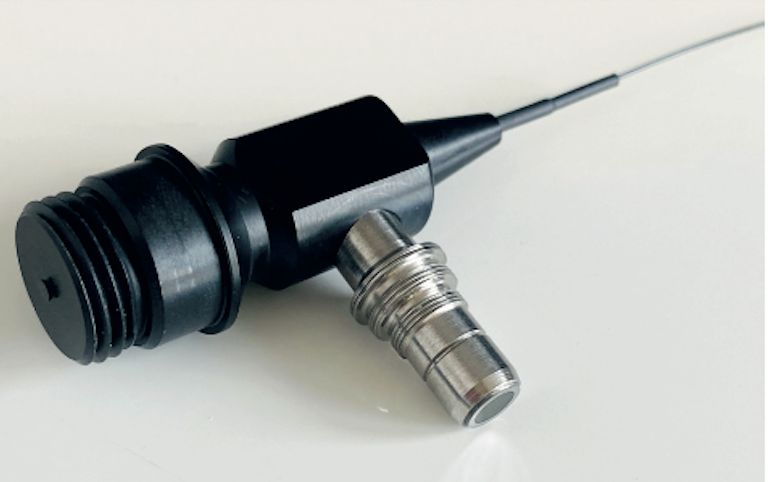
Many aviation inspection ports are extremely small. Inspectors must use small-diameter articulated probes to reach internal areas without disassembling the engine.
This creates several technical requirements:
Ultra-small probe diameter
High flexibility
4-way articulation
Precise probe control
Reliable insertion tube durability
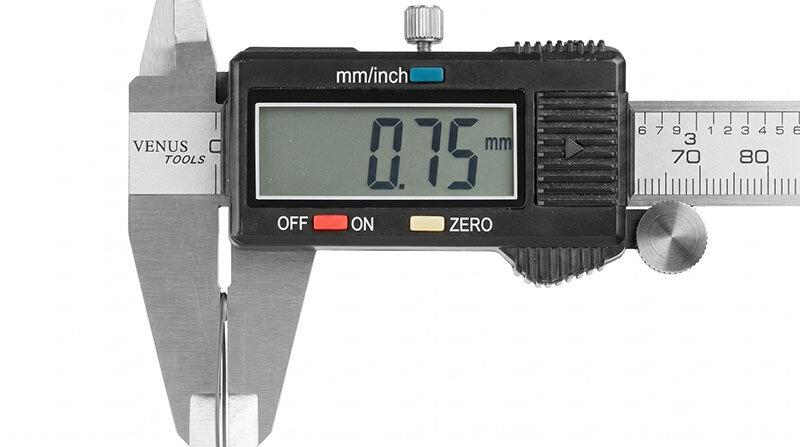
In some aerospace applications, probes below 2 mm may be required.
Orientation and Navigation Difficulty
Inside turbine engines, maintaining orientation can be difficult because the internal structure contains repeated blade patterns and curved pathways.
Inspectors often face challenges such as:
Losing orientation inside the engine
Difficulty locating specific defects
Limited viewing angle
Repeated probe insertion and withdrawal
Forward-view and side-view inspection techniques are often combined to improve inspection efficiency.
High Image Quality Requirements
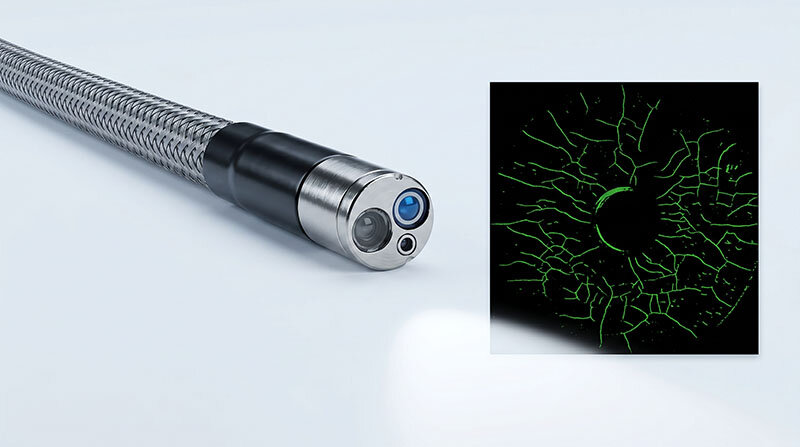
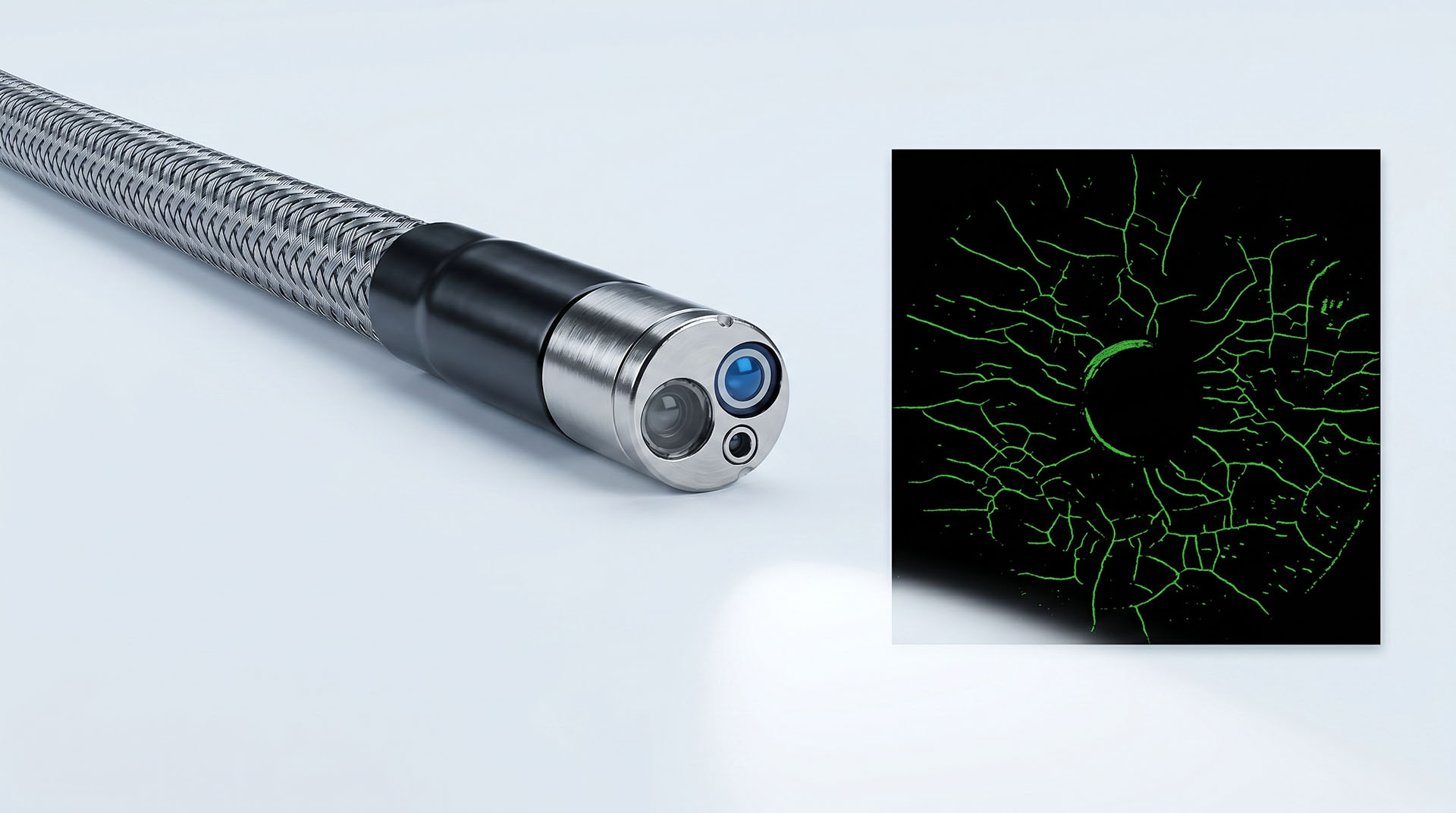
Aerospace inspections require clear visualization of very small defects. Even small cracks, coating damage, or foreign object damage (FOD) can become critical.
Typical defects inspected include:
Cracks
Burn marks
Blade edge damage
Corrosion
Coating deterioration
Foreign object impact
This requires:
High-resolution imaging
Stable illumination
Accurate focus
Good depth perception
Heat and Environmental Stress
Aircraft engines operate under extreme thermal and mechanical conditions. Inspection equipment must withstand demanding maintenance environments.
Probe systems may be exposed to:
Elevated temperatures
Oil contamination
Mechanical vibration
Tight bending conditions
Repeated insertion cycles
Durability and probe reliability are critical for reducing downtime and repair cost.
Inspection Time Pressure
Aircraft maintenance operations are highly time-sensitive. Reducing inspection time while maintaining inspection quality is extremely important for minimizing aircraft downtime.
Fast and efficient inspection workflows can help:
Reduce maintenance turnaround time
Improve inspection consistency
Reduce repeated insertion procedures
Increase maintenance efficiency
Importance of Digital Documentation
Modern aviation maintenance increasingly requires digital image and video documentation for reporting, traceability, and maintenance records.
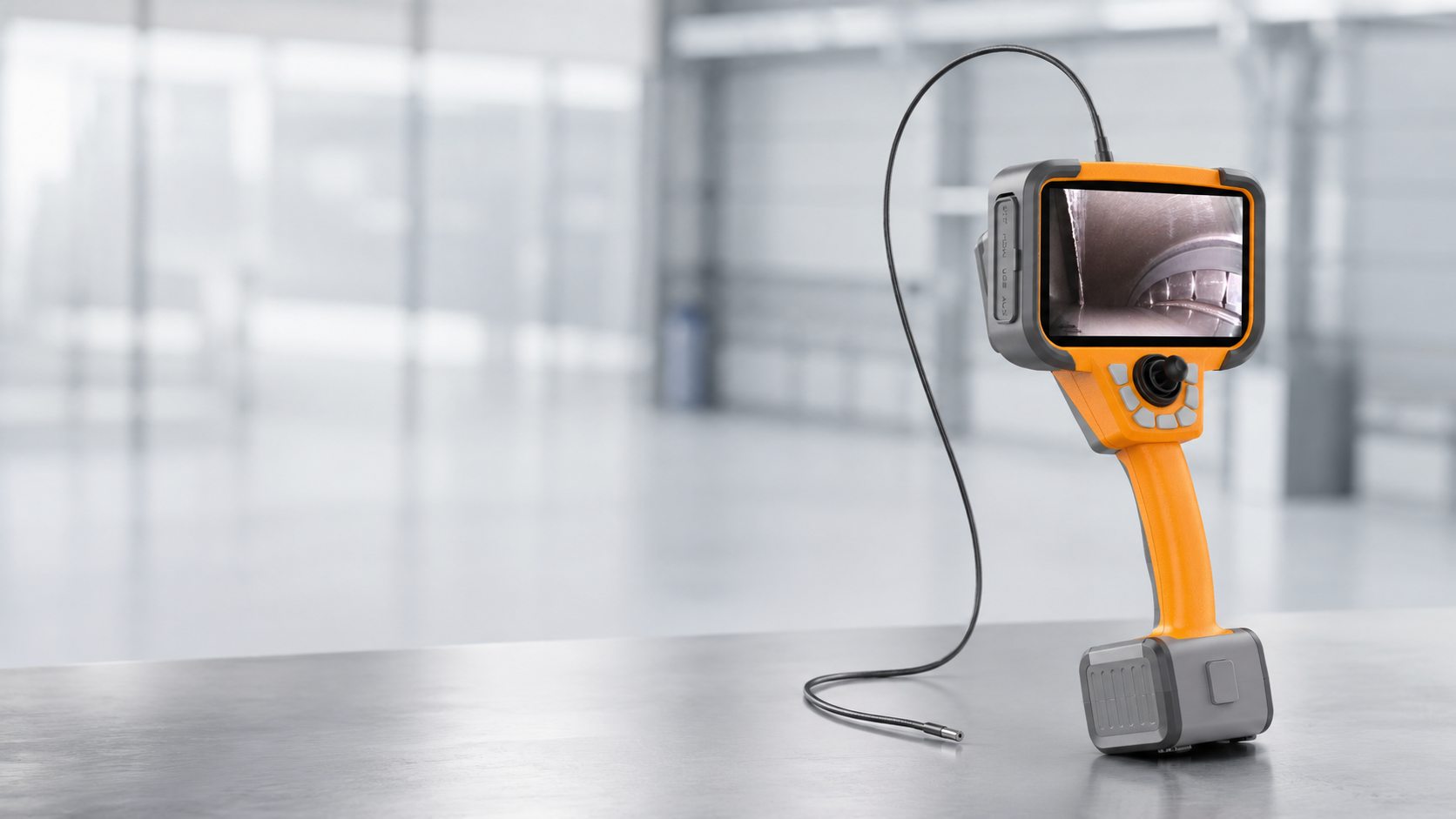
Industrial videoscopes support:
Image capture
Video recording
Inspection reporting
Defect documentation
Maintenance traceability
Typical Videoscope Requirements for Aircraft Engine Inspection
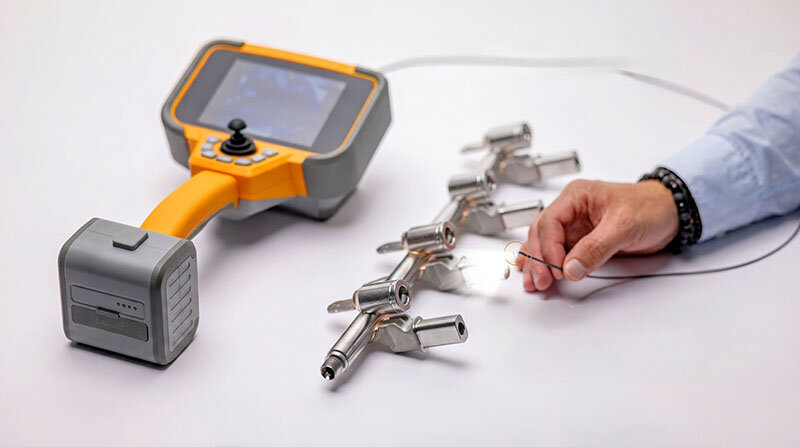
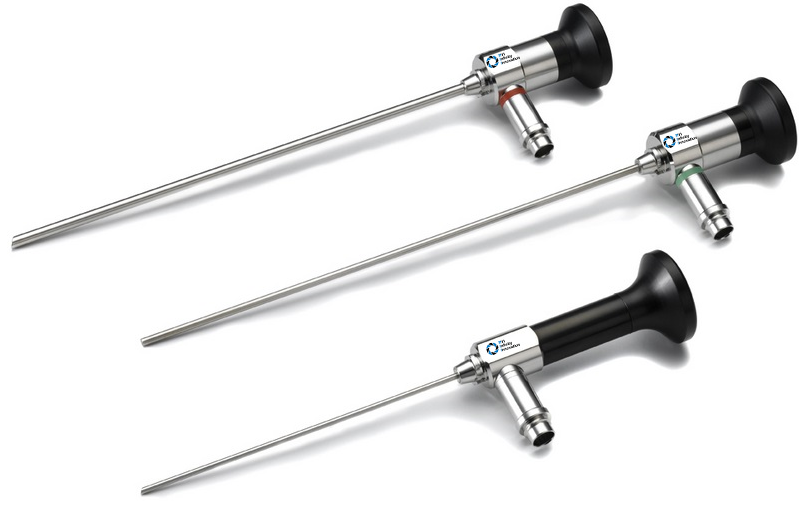
Small-diameter articulated probes
HD image quality
Reliable illumination
Durable insertion tube design
Portable inspection system
Easy image and video recording
Stable articulation control
Conclusion
Aircraft engine inspection combines some of the most challenging requirements in industrial visual inspection, including limited access, complex geometry, high image quality demands, and strict maintenance efficiency requirements.
Modern industrial videoscopes help aviation maintenance teams perform faster, safer, and more reliable inspections while reducing unnecessary engine disassembly and operational downtime.