Weld Inspection with Industrial Videoscope
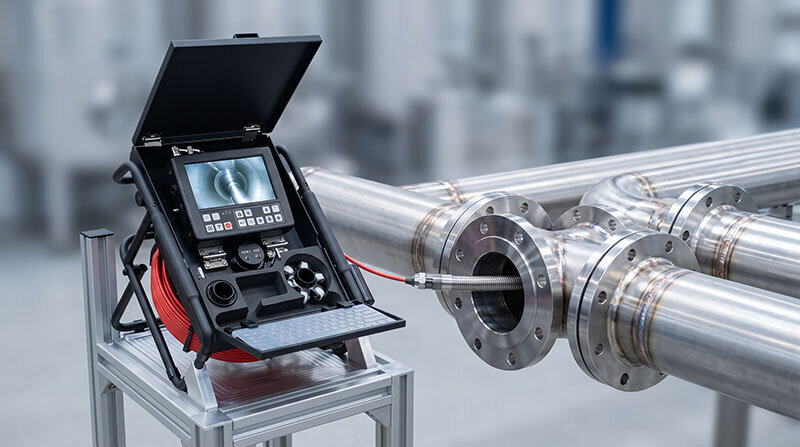
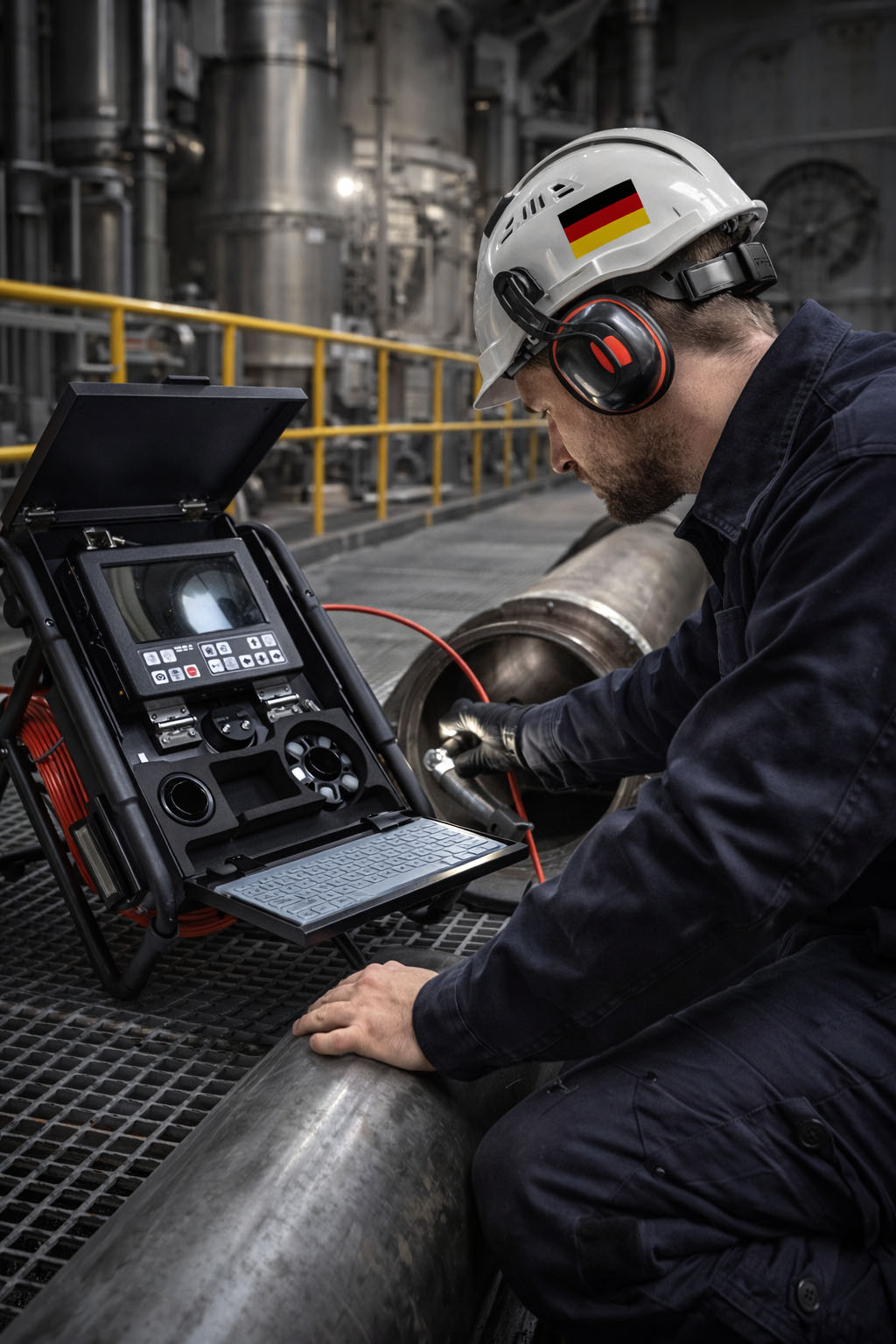
Weld inspection using industrial videoscopes enables precise and non-destructive evaluation of weld seams, root passes, and internal weld areas. It is widely used in pipeline construction, pressure vessels, industrial fabrication, oil & gas facilities, and manufacturing quality control to improve weld quality and structural integrity.
What is Weld Inspection?
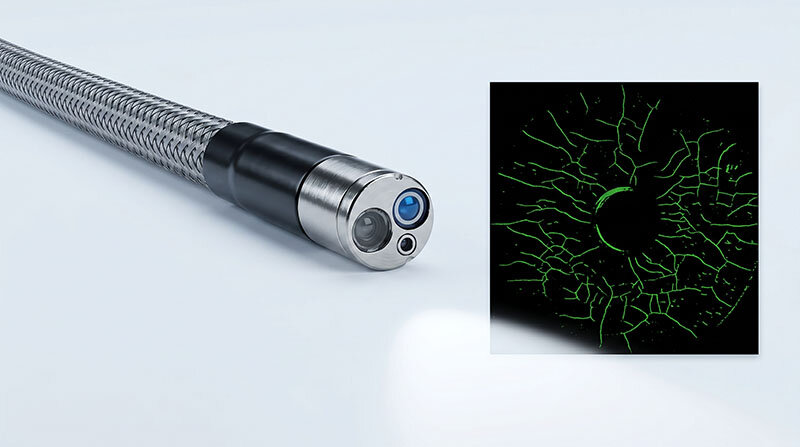
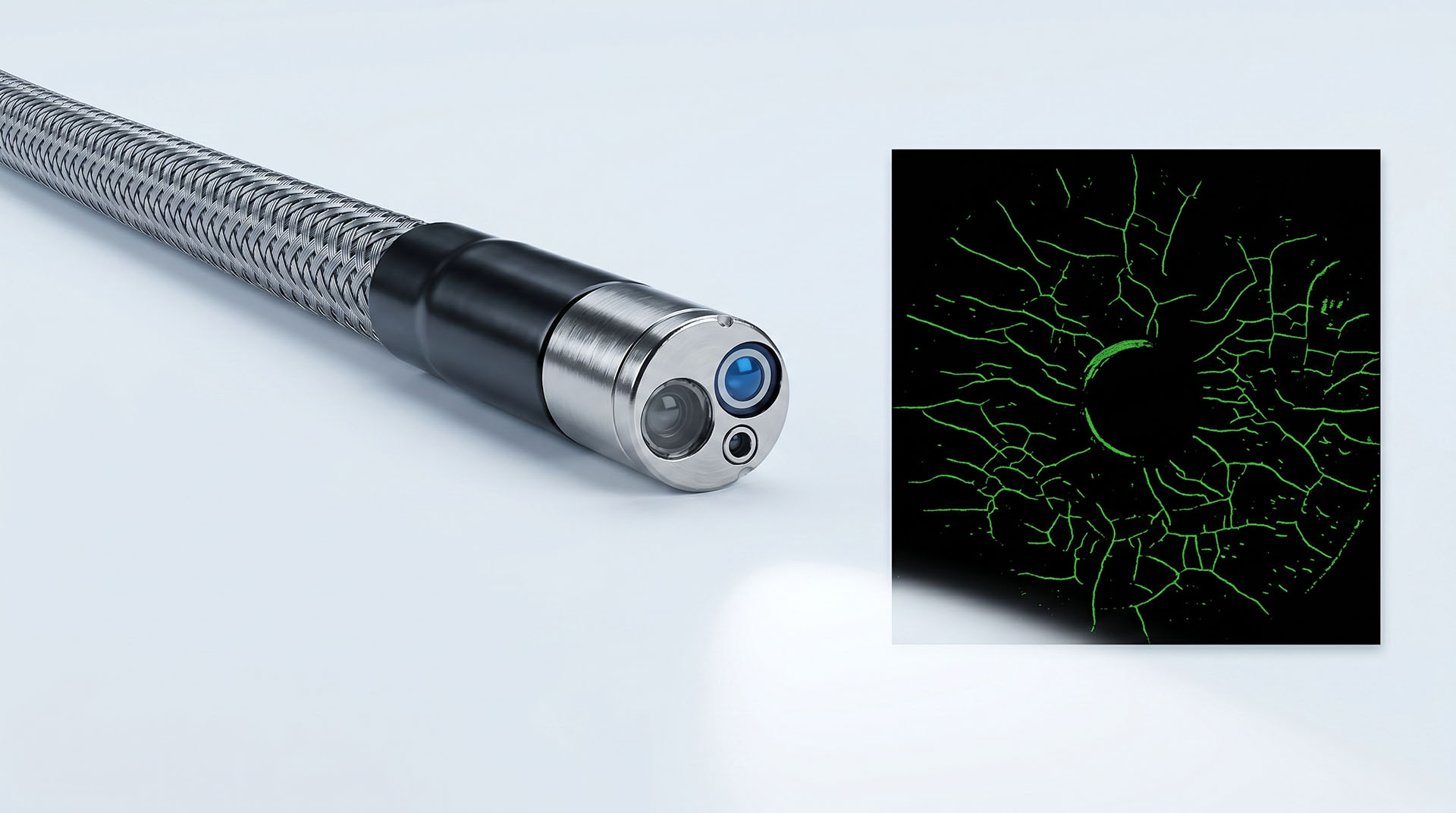
Weld inspection involves examining weld joints and internal weld areas for visible defects such as cracks, porosity, lack of fusion, inclusions, corrosion, and surface irregularities. Videoscopes provide direct visual access to confined or difficult-to-reach weld areas that are challenging to inspect using conventional visual inspection methods.
Typical Applications
Pipeline weld inspection
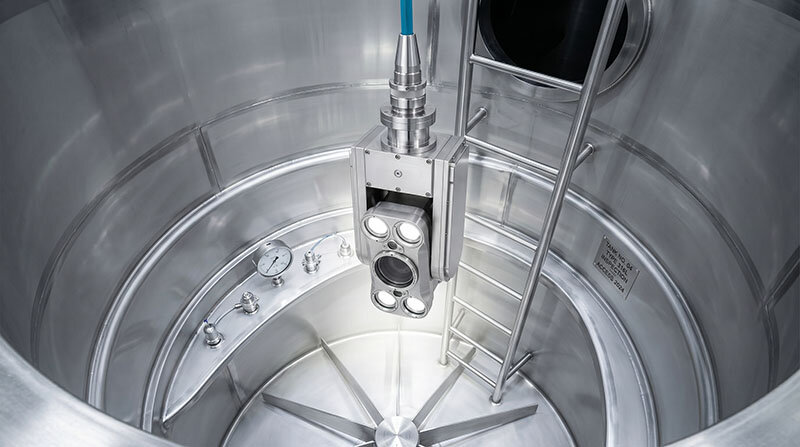
Pressure vessel inspection
Industrial fabrication quality control
Oil & gas infrastructure inspection
Internal weld examination
Preventive maintenance inspection
Why Use a Videoscope for Weld Inspection?
Inspect internal weld quality directly
Detect hidden or difficult-to-access defects
Reduce inspection time and maintenance downtime
Support non-destructive inspection procedures
Complement other NDT inspection methods
Provide visual inspection documentation and traceability
Key Features Required
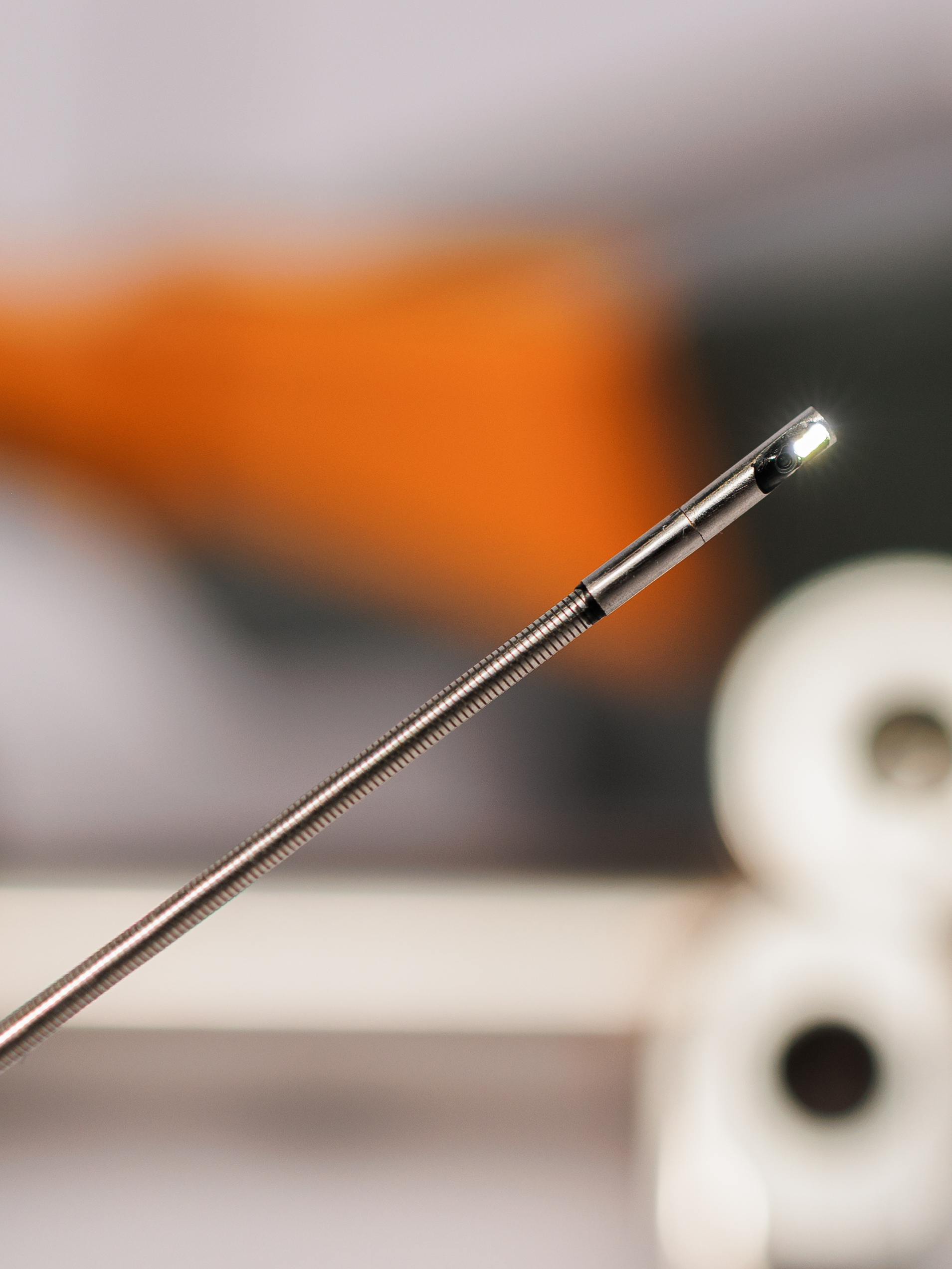
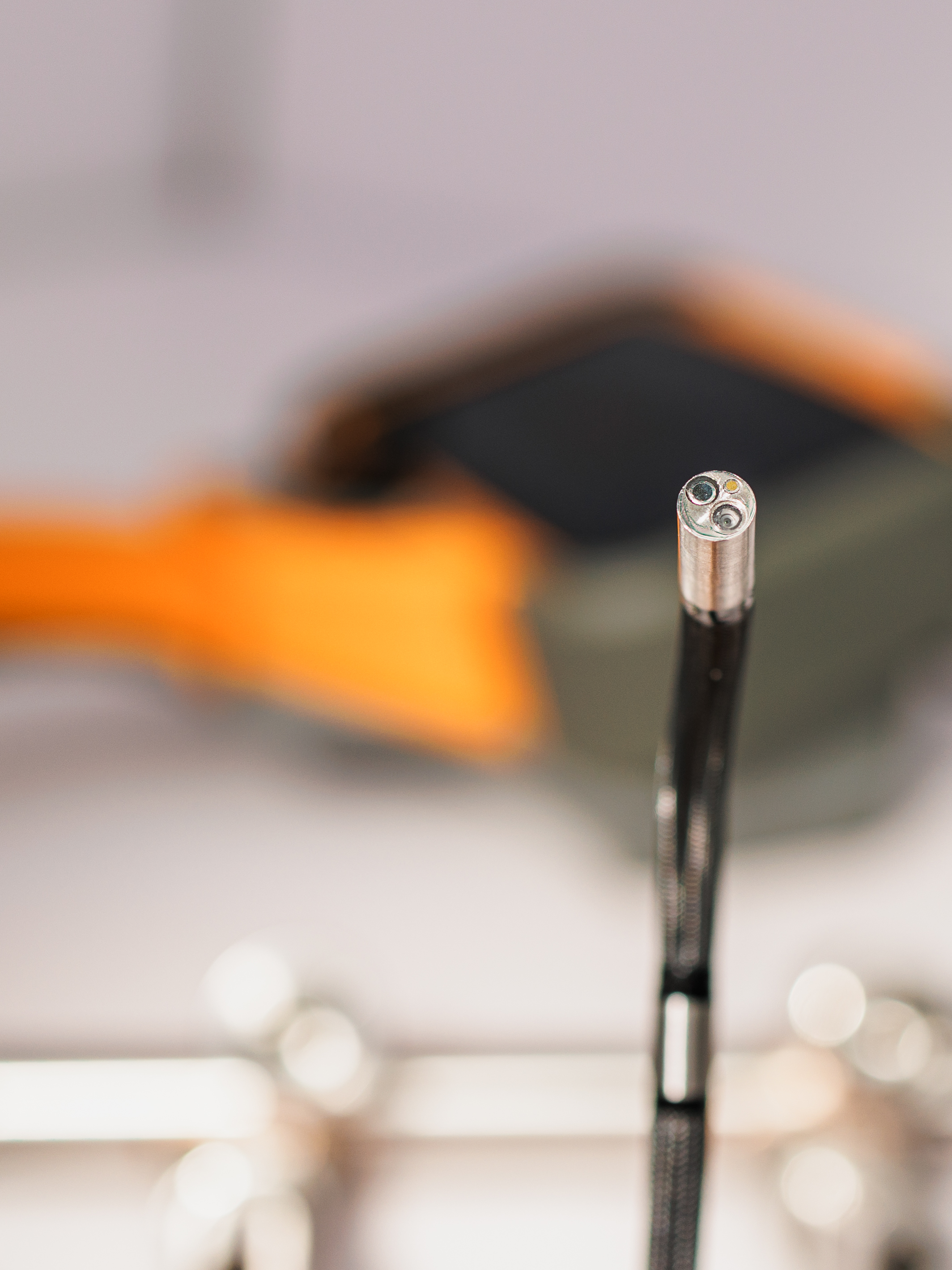
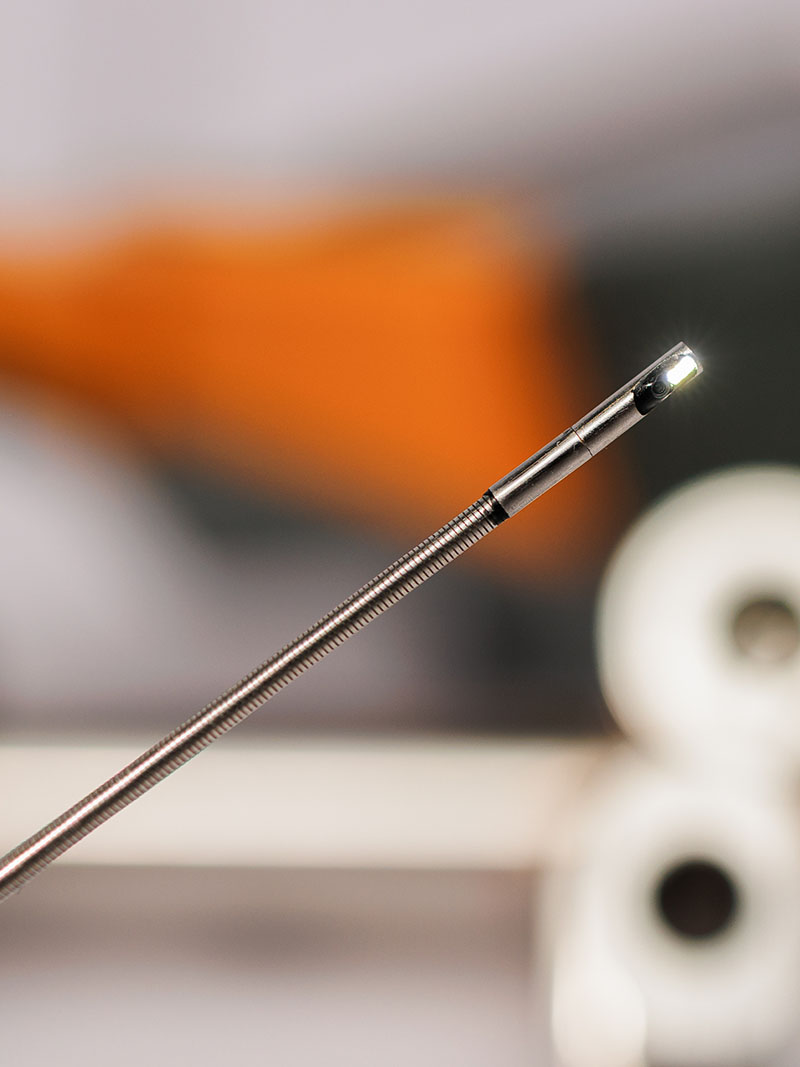
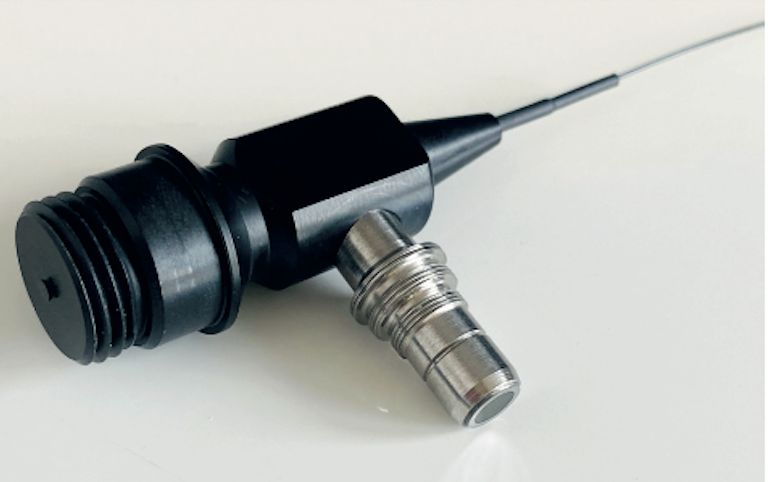
Small diameter probes for narrow access areas
High-resolution imaging for detailed weld evaluation
Flexible articulation for complex inspection paths
Durable probe construction for industrial environments
High brightness illumination inside confined spaces
Portable inspection system for field applications
Recommended Solutions
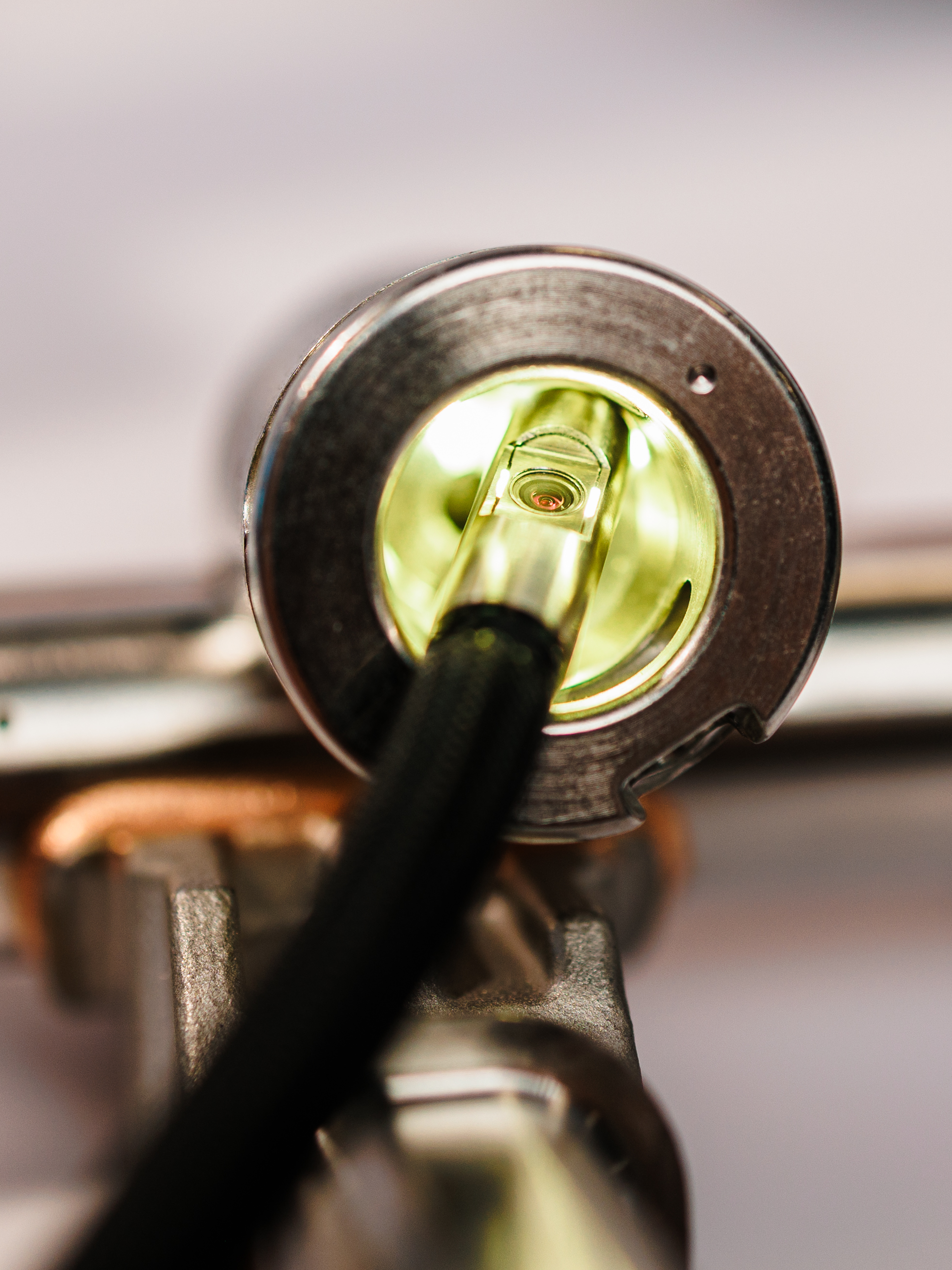
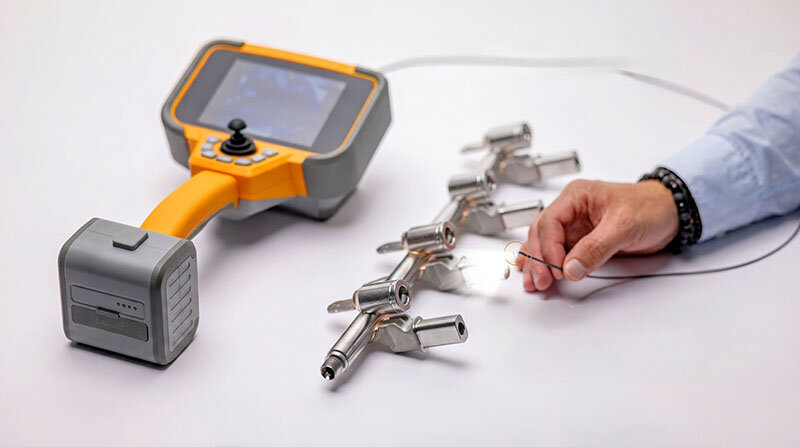
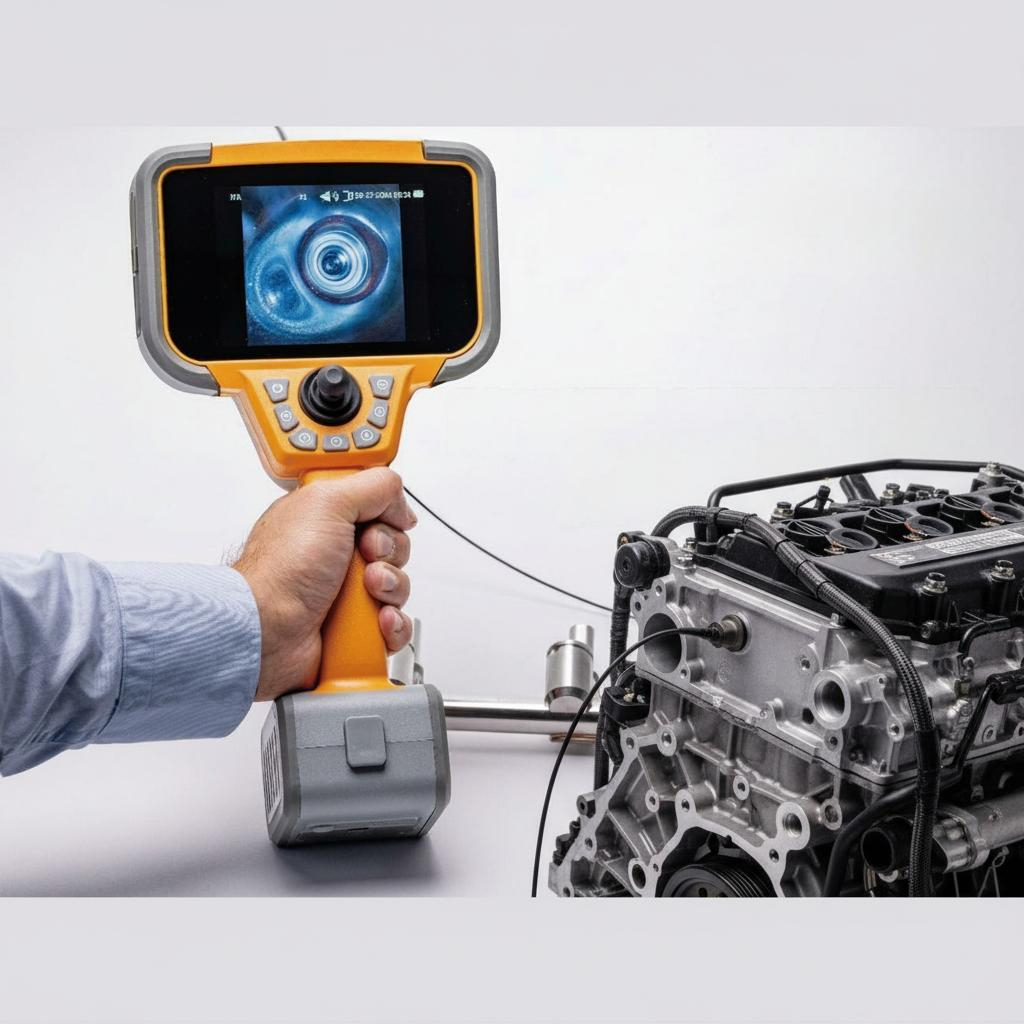
Inspector Plus and Inspector Touch systems provide reliable weld inspection solutions with flexible articulated probes, stable imaging performance, and interchangeable probe configurations for accurate internal weld inspection in industrial environments.
FAQ
What defects can be detected during weld inspection?
Common visible defects include cracks, porosity, lack of fusion, inclusions, corrosion, and surface irregularities inside or around weld joints.
Is videoscope inspection sufficient for weld testing?
Videoscope inspection is often used together with other NDT methods such as ultrasonic testing (UT), radiographic testing (RT), or dye penetrant inspection for comprehensive weld evaluation.
Can videoscope inspection access internal weld areas?
Yes. Videoscopes are widely used to inspect internal weld areas in pipes, pressure vessels, and confined structures where direct visual access is limited.
What probe is commonly used for weld inspection?
Small diameter articulated probes are commonly used depending on weld geometry, access size, and inspection depth requirements.