Pipe Inspection with Industrial Videoscope
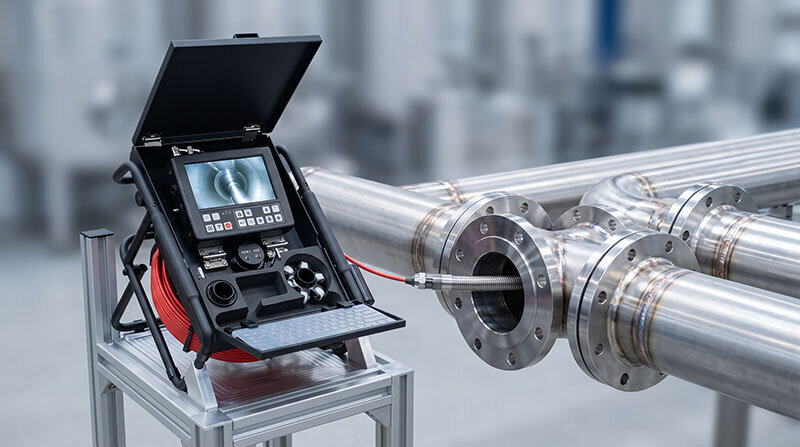
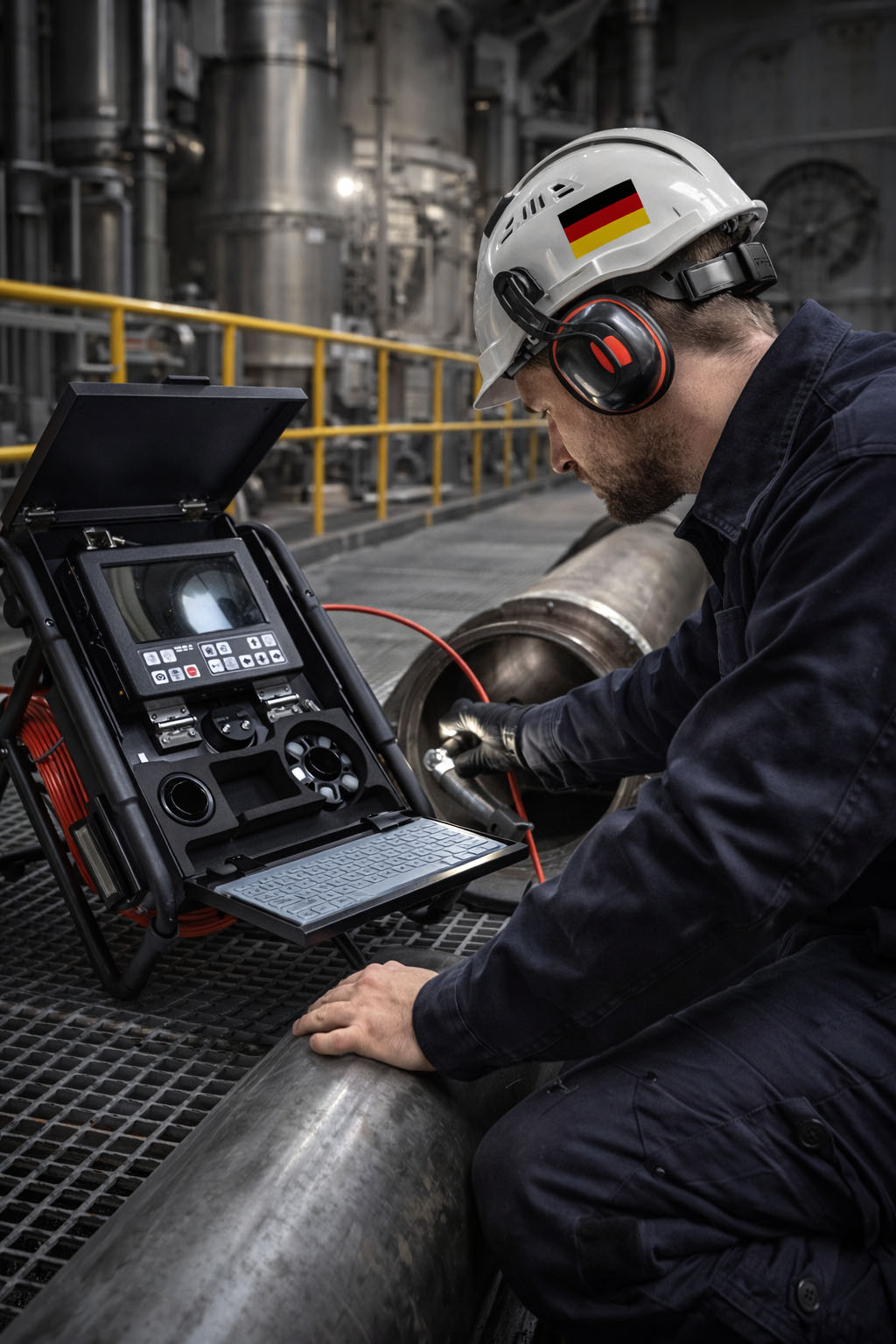
Pipe inspection using industrial videoscopes enables fast and non-destructive examination of internal pipe conditions in industrial systems. It is widely used in oil & gas, chemical processing, power generation, manufacturing, and industrial maintenance to detect corrosion, blockages, cracks, scaling, and deposits without dismantling pipelines.
What is Pipe Inspection?
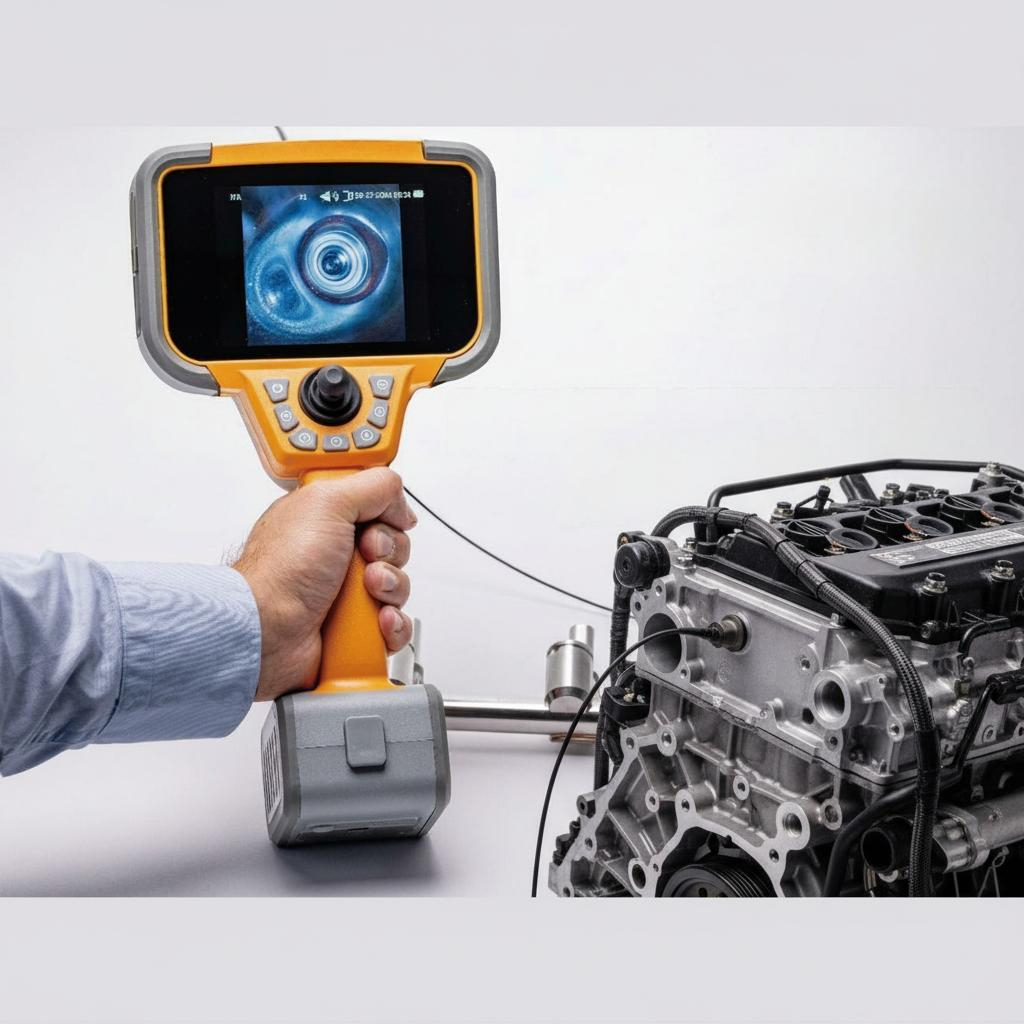
Pipe inspection involves the visual examination of internal pipe surfaces, welds, joints, and confined structures. Videoscopes provide real-time HD images, allowing technicians to assess internal conditions inside narrow or difficult-to-access pipelines and industrial piping systems.
Typical Applications
Oil & gas pipeline inspection
Chemical processing system inspection
Industrial piping maintenance
Power plant piping system inspection
Corrosion and blockage inspection
Preventive maintenance inspection
Why Use a Videoscope for Pipe Inspection?
Perform non-destructive inspection without damaging the pipe
No need for major pipe disassembly
Reduce maintenance downtime
Improve inspection efficiency
Detect internal defects at an early stage
Provide visual inspection documentation
Key Features Required
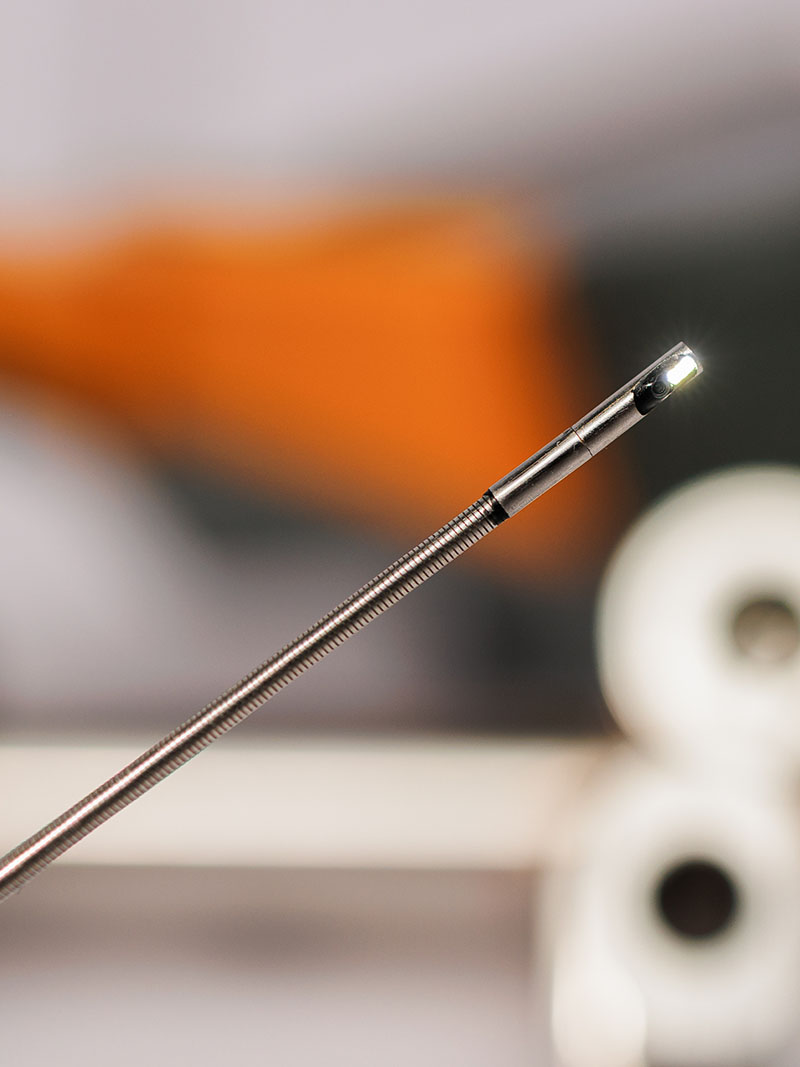
Long probe length, typically up to 10 m
Flexible insertion capability for narrow pipe systems
Durable probe construction for harsh industrial environments
High brightness illumination for dark internal areas
HD image quality for detailed inspection
Portable inspection system for field maintenance
Recommended Solutions
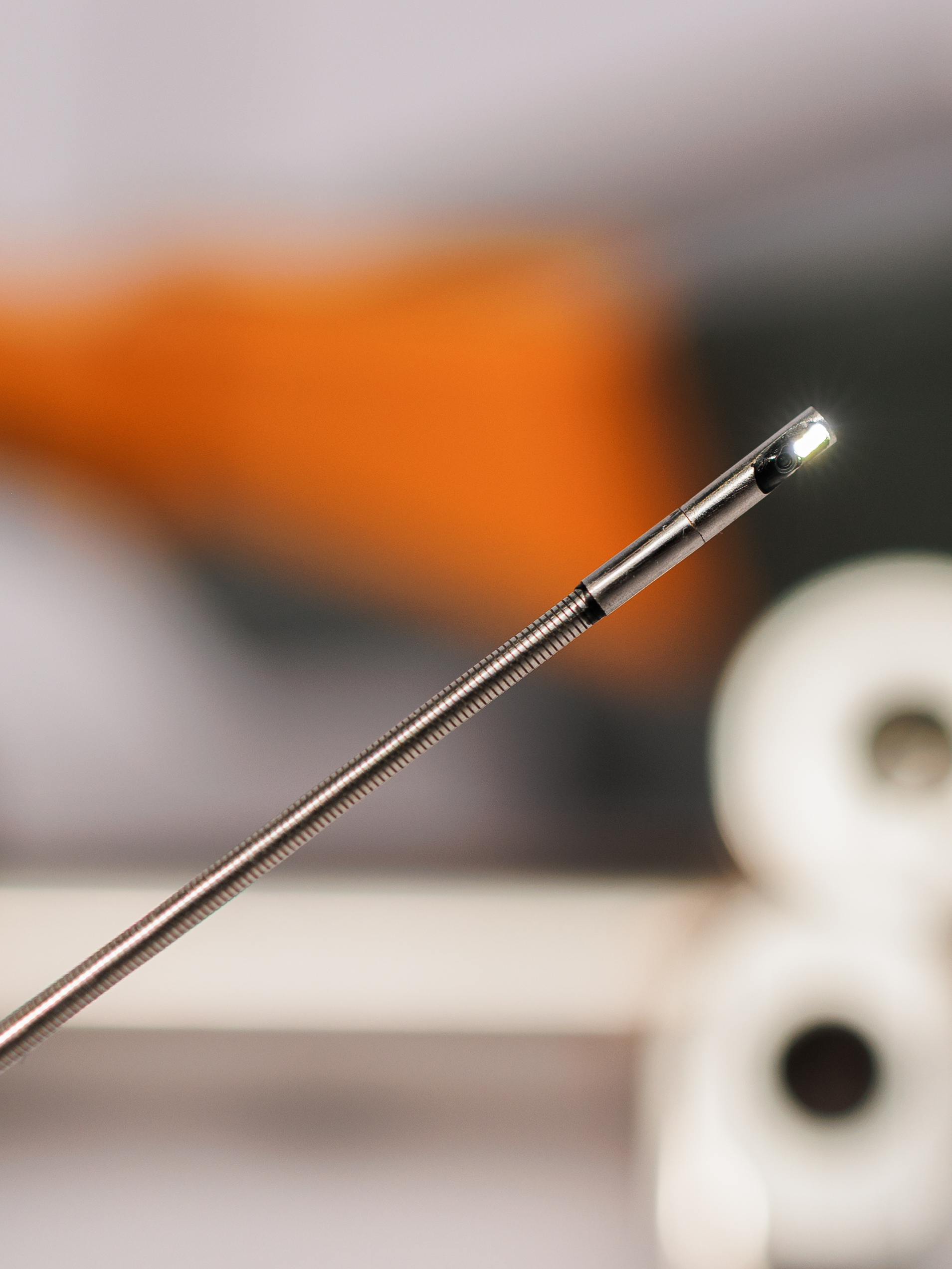
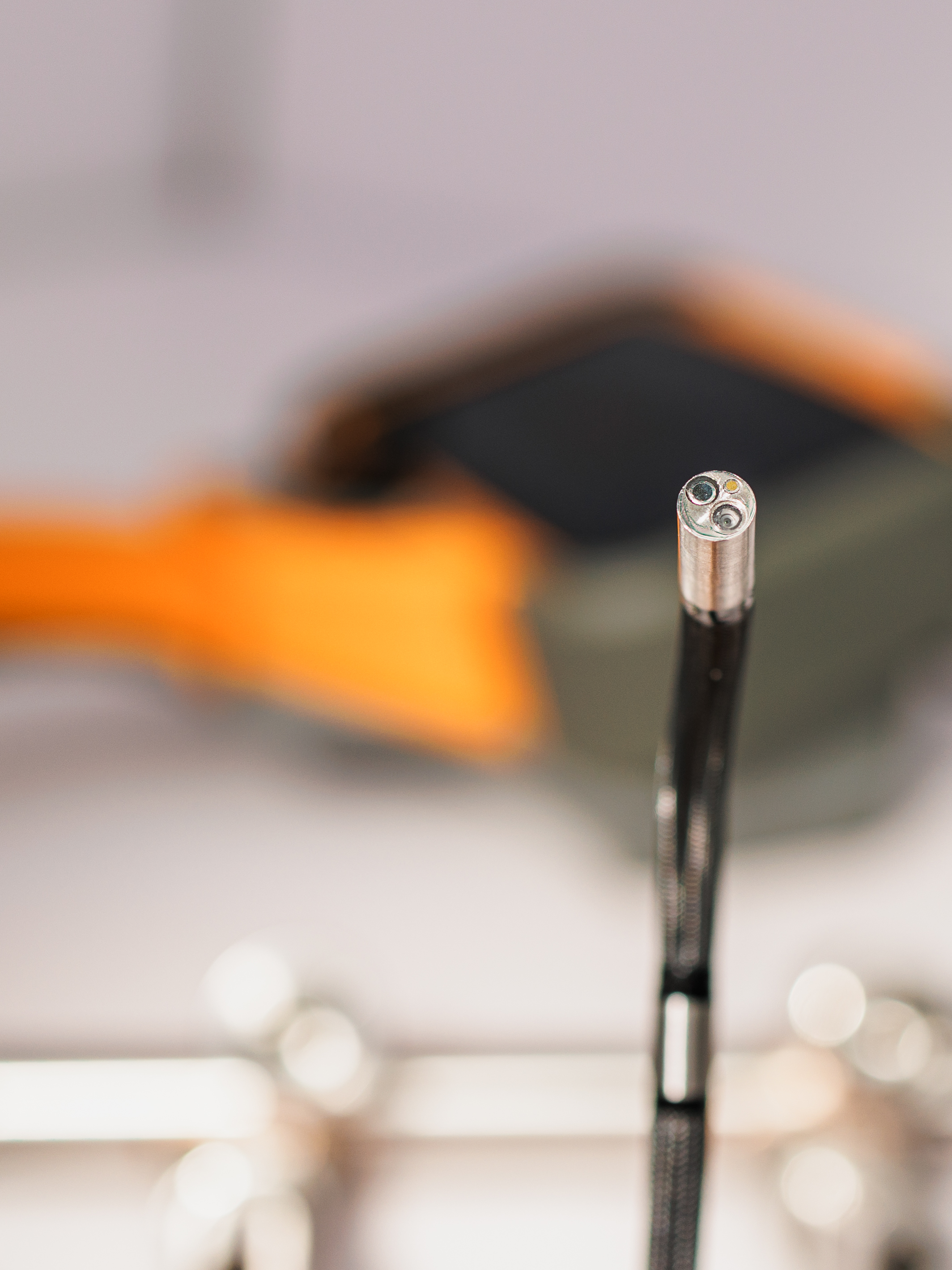
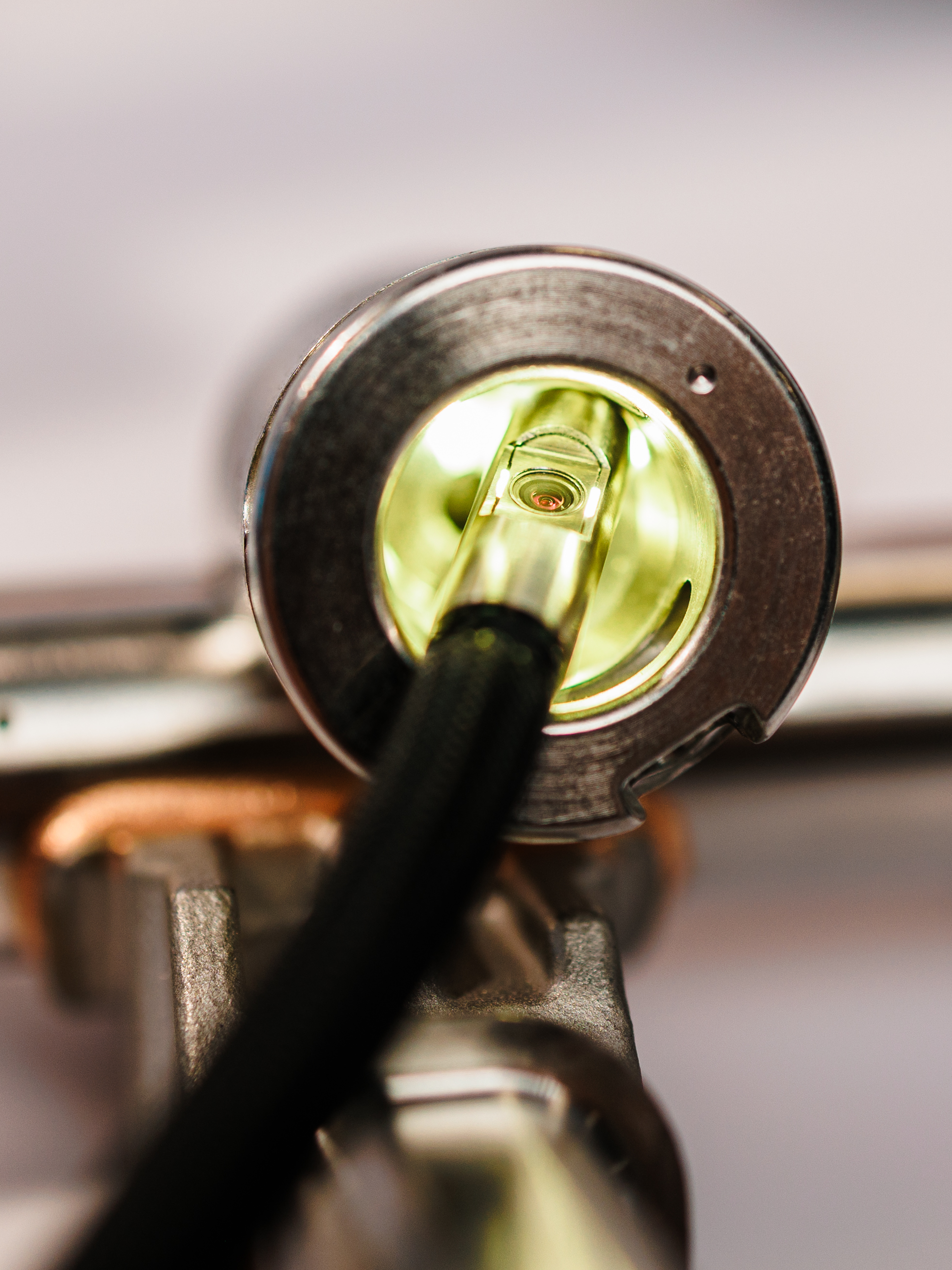
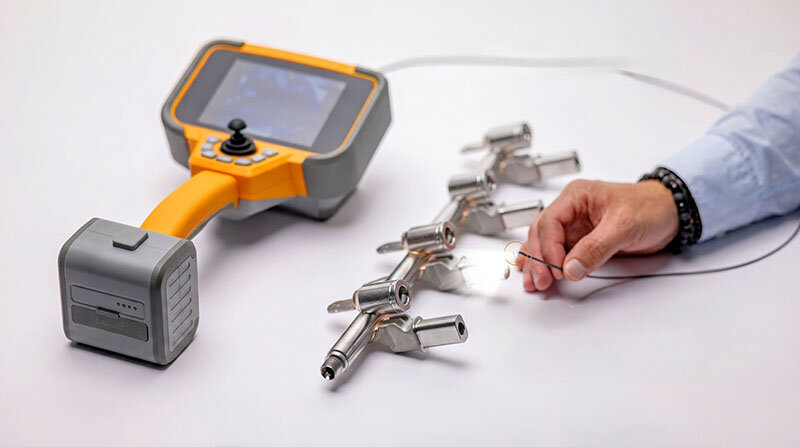
Inspector Plus and Inspector Touch systems provide reliable pipe inspection solutions with flexible articulated probes, interchangeable probe options, and stable imaging performance for industrial maintenance and pipeline inspection applications.
FAQ
What can be detected during pipe inspection?
Common visible conditions include corrosion, cracks, scaling, deposits, contamination, weld defects, and internal blockages.
What probe is suitable for pipe inspection?
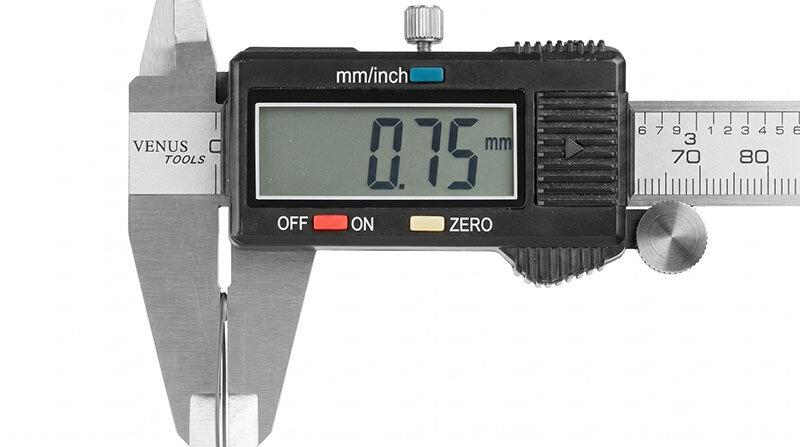
Typically, 4 mm or 6 mm probes are commonly used depending on pipe diameter, access size, and inspection depth.
Can videoscope inspection reduce maintenance downtime?
Yes. Videoscope inspection allows direct internal examination without extensive dismantling, helping reduce maintenance time and operational downtime.
Why is regular pipe inspection important?
Regular pipe inspection helps improve system reliability, identify internal damage early, prevent unexpected failures, and support preventive maintenance planning.