Heat Exchanger Inspection with Industrial Videoscope
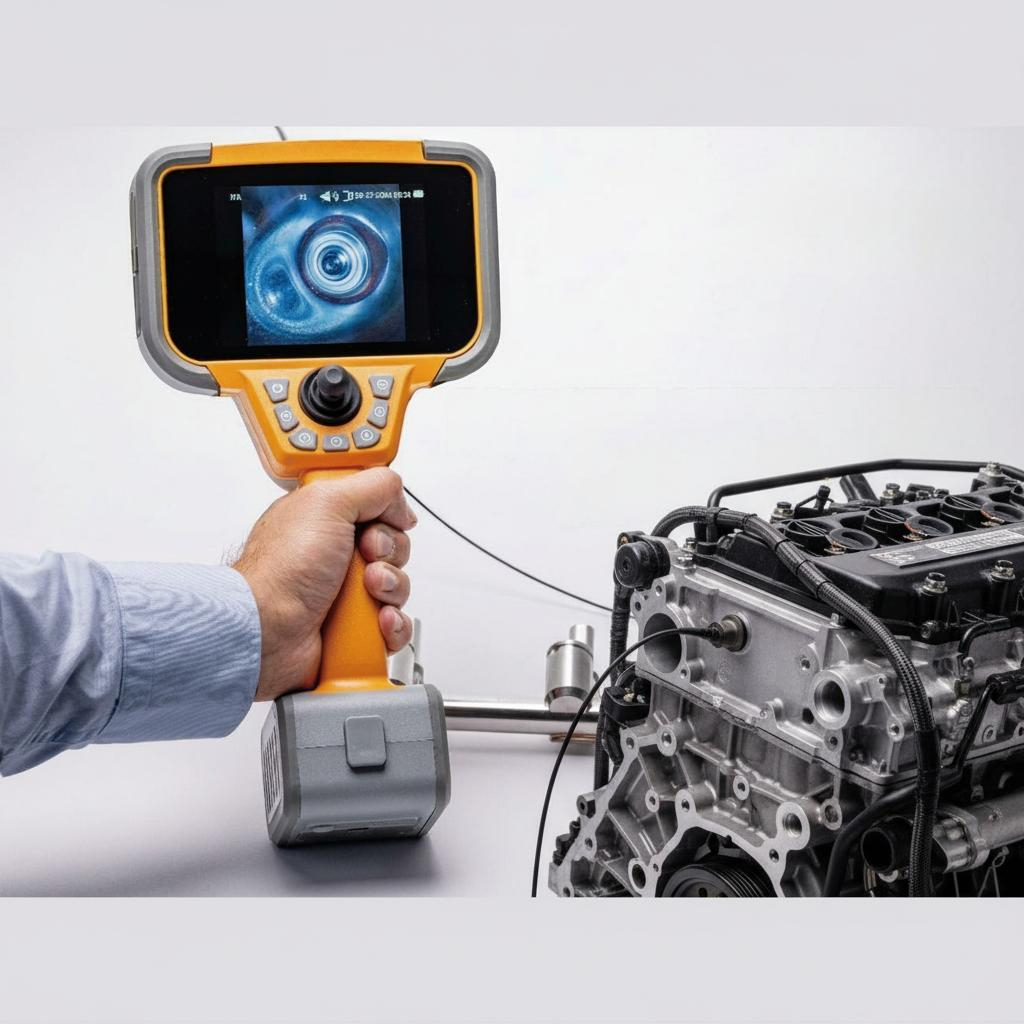
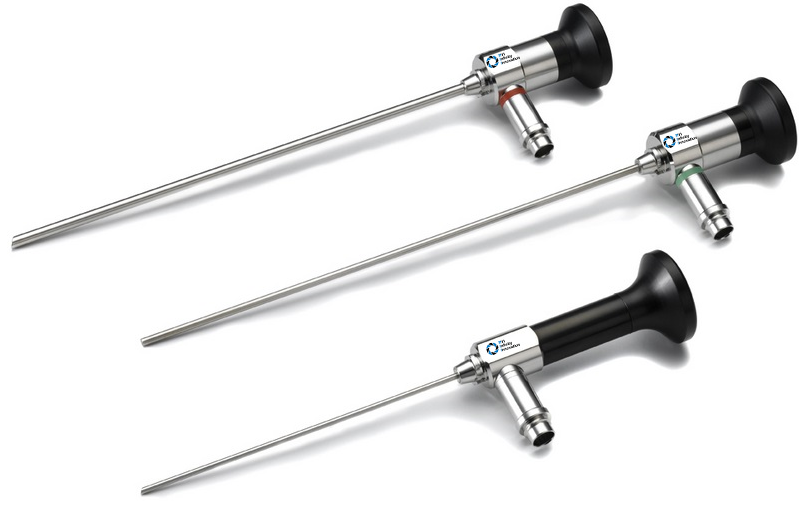
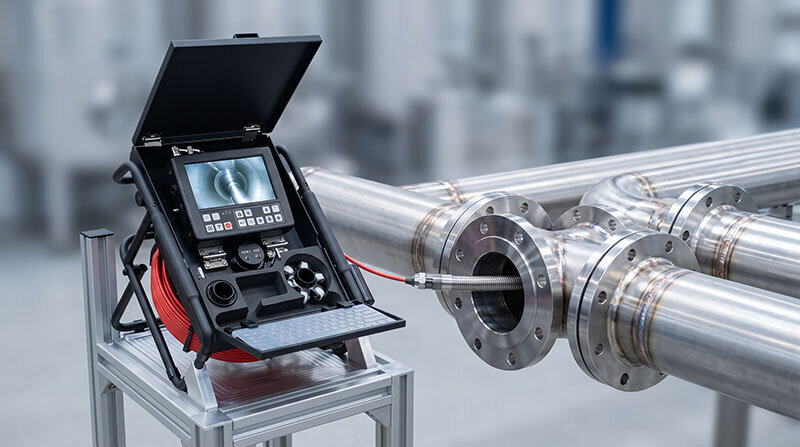
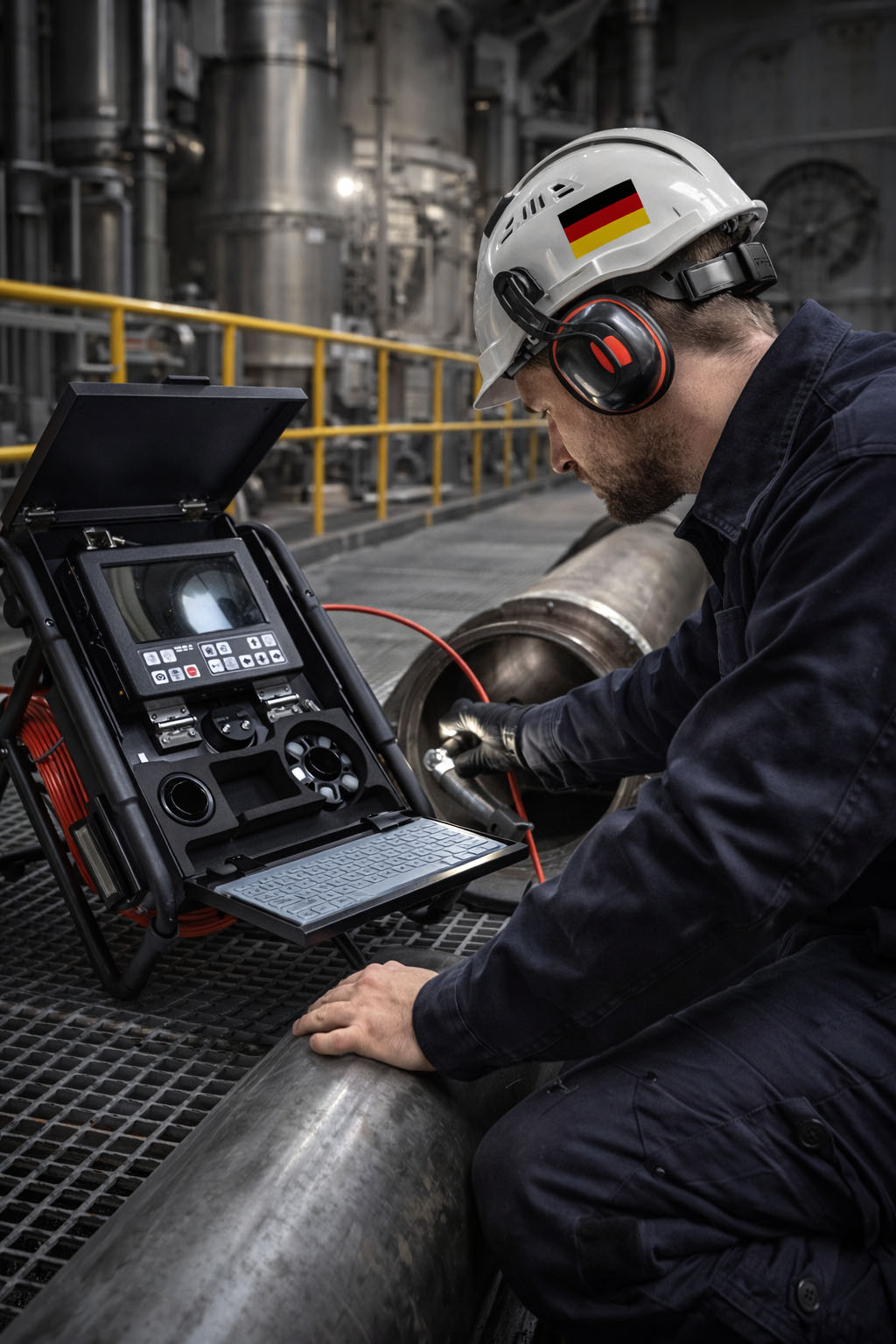
Heat exchanger inspection using industrial videoscopes enables fast and efficient inspection of internal tubes, channels, welds, and confined areas without major disassembly. It is widely used in power plants, oil & gas facilities, chemical processing industries, and industrial cooling systems to improve maintenance efficiency and prevent unexpected failures.
What is Heat Exchanger Inspection?
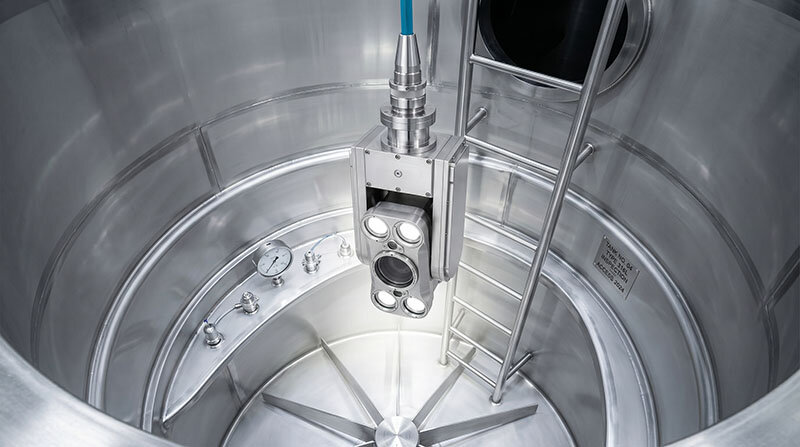
Heat exchanger inspection focuses on examining internal tubes and surfaces for fouling, corrosion, scaling, erosion, contamination, and blockages. Videoscopes provide direct visual access to narrow and complex internal structures that are difficult to inspect using conventional methods.
Typical Applications
Tube bundle inspection
Chemical plant maintenance
Oil & gas processing facilities
Industrial cooling system inspection
Corrosion and blockage inspection
Preventive maintenance inspection
Why Use a Videoscope for Heat Exchanger Inspection?
Detect fouling, scaling, and blockages inside tubes
Reduce maintenance time and downtime
Improve heat exchanger efficiency
Prevent unexpected equipment failures
Support non-destructive inspection procedures
Provide visual inspection documentation
Key Features Required
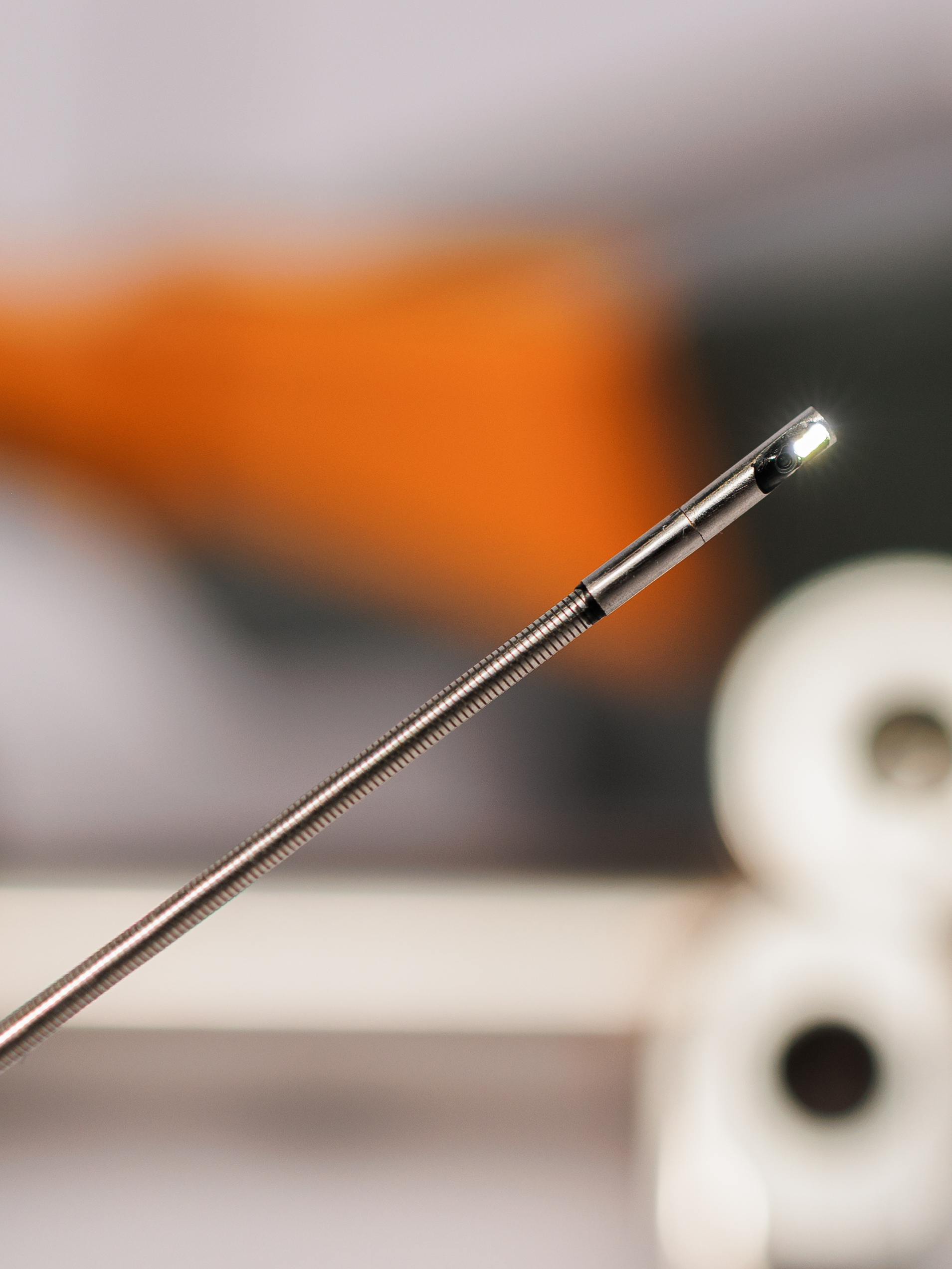
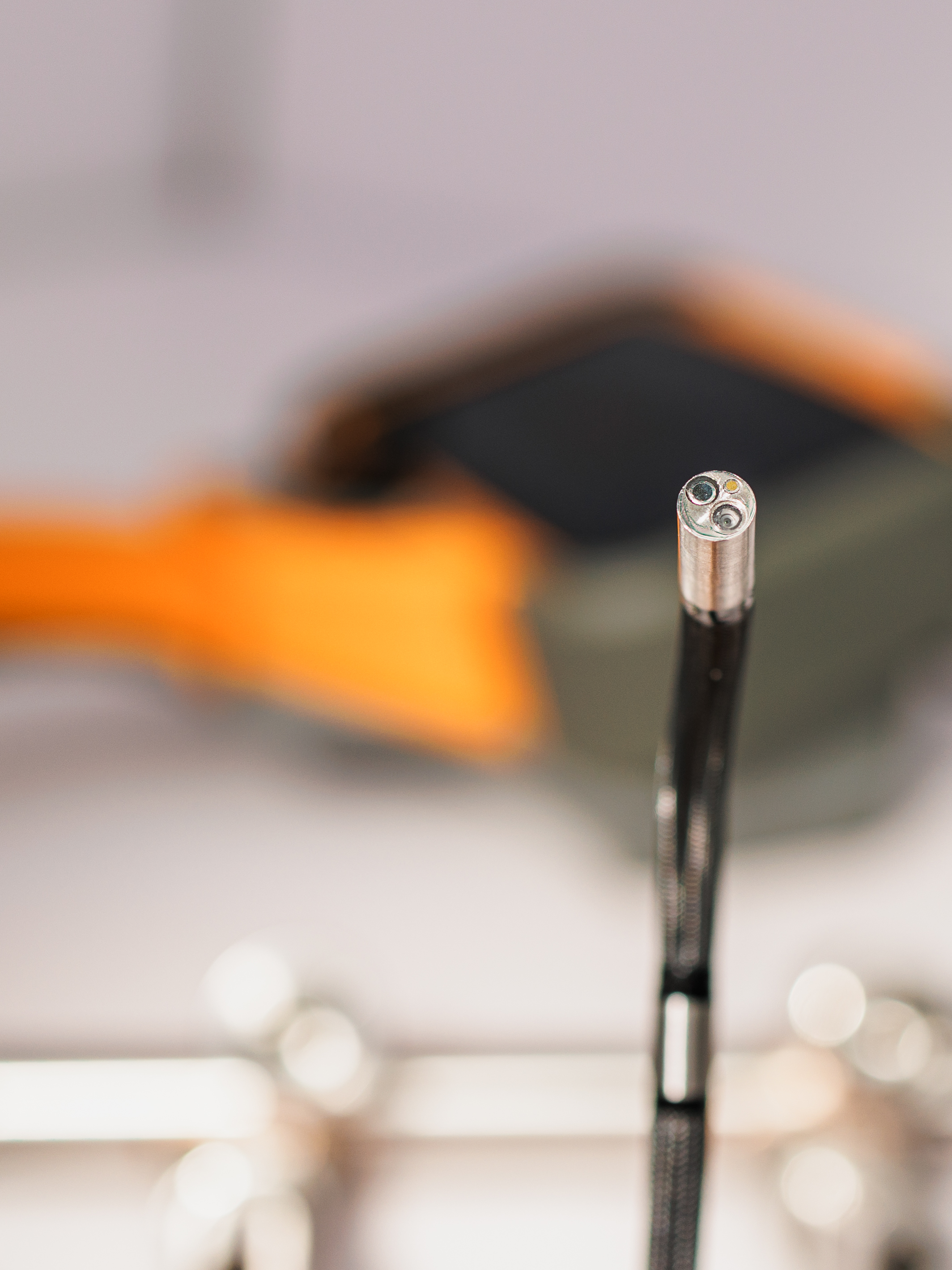
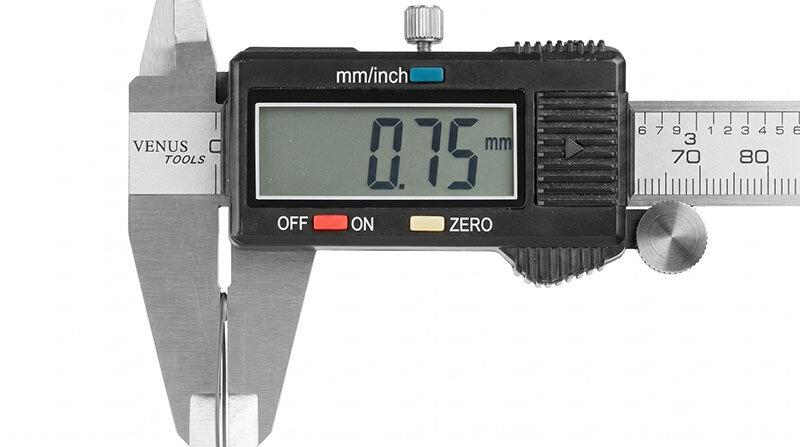
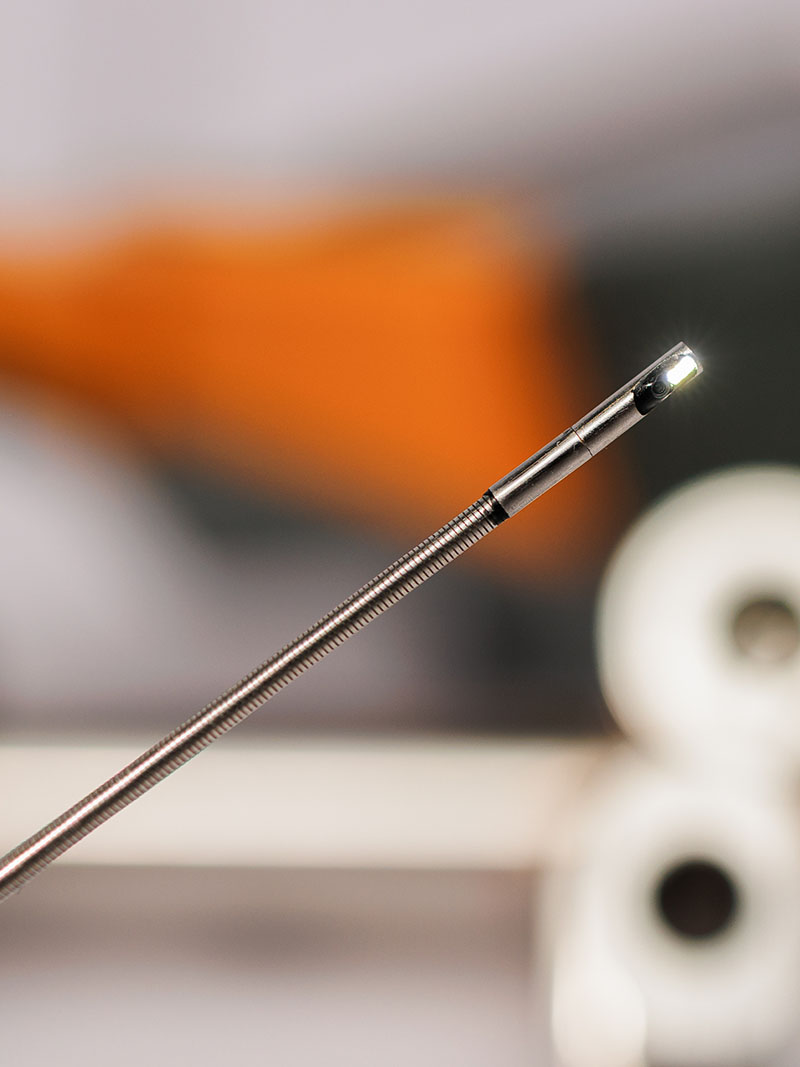
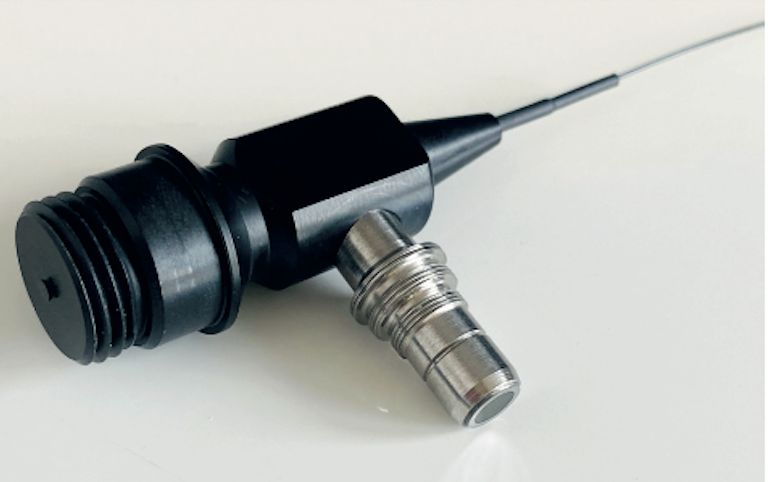
Small diameter probes, typically 2 mm to 4 mm
Long insertion length for deep tube inspection
High image clarity for detailed defect observation
Flexible maneuverability inside narrow tubes
Durable probe construction for industrial environments
Portable inspection system for field maintenance
Recommended Solutions
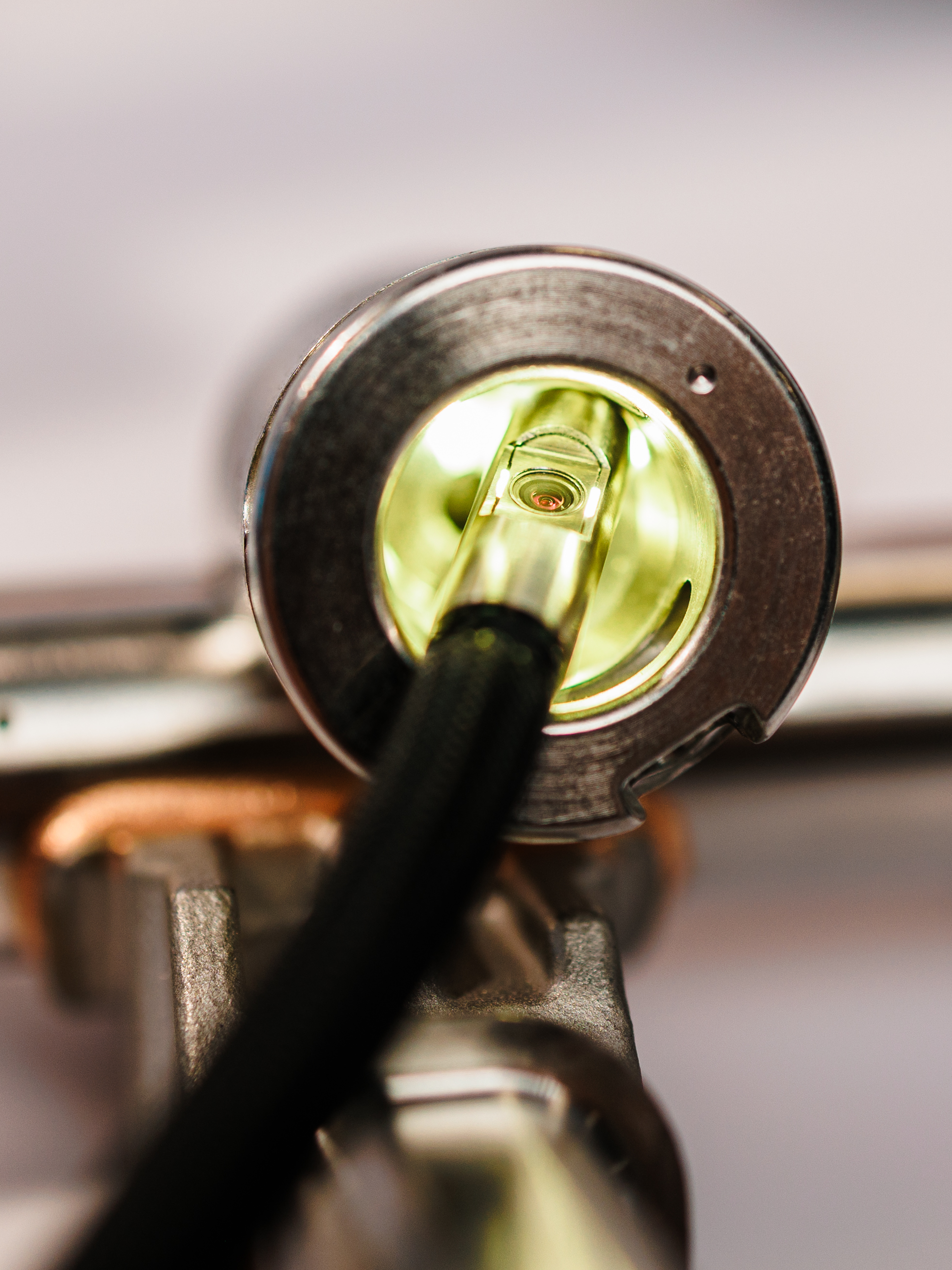
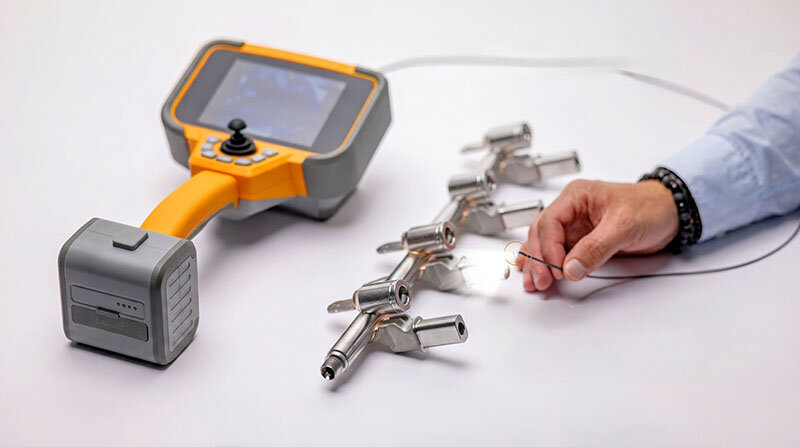
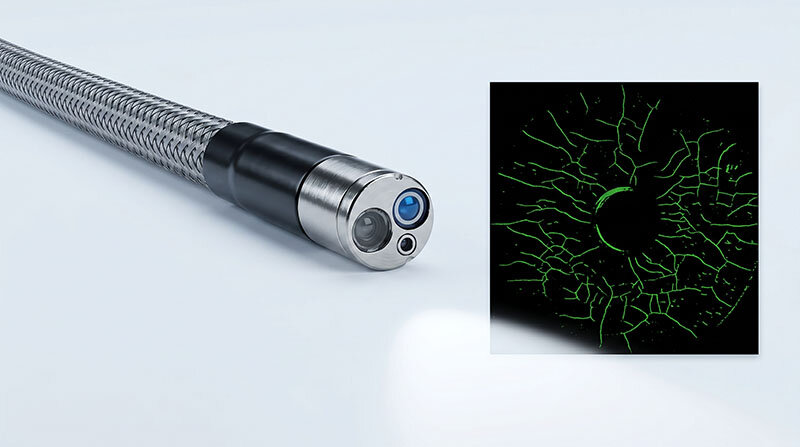
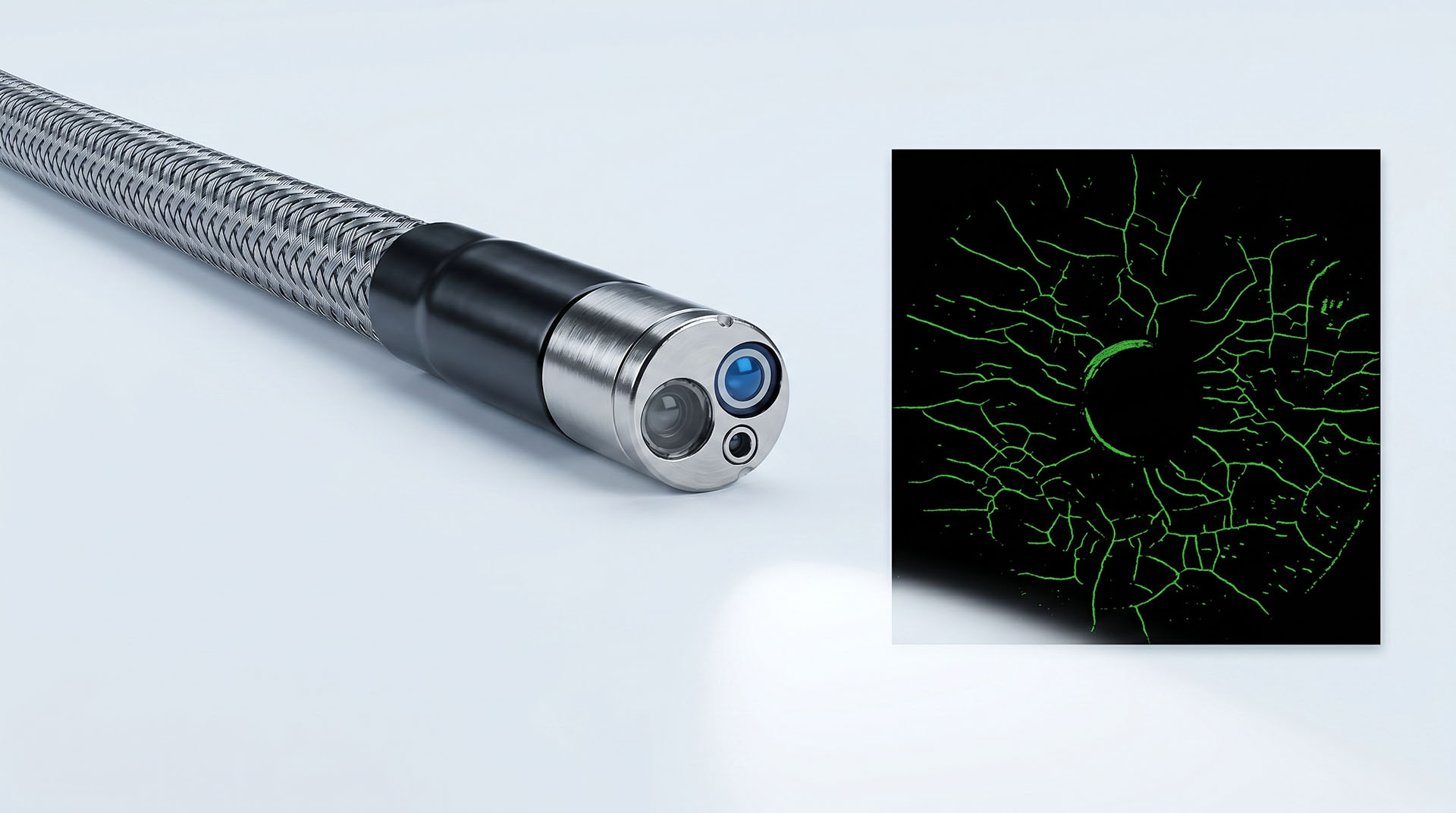
Inspector Plus and Inspector Touch systems provide practical heat exchanger inspection solutions with high-quality imaging, flexible probe configurations, and articulated probe options for narrow tube and confined space inspection applications.
FAQ
What is the best probe size for heat exchanger inspection?
Small diameter probes between 2 mm and 4 mm are commonly used depending on tube diameter and inspection requirements.
Can a videoscope detect fouling inside tubes?
Yes. Videoscopes can clearly identify deposits, fouling, scaling, contamination, and blockages inside heat exchanger tubes.
Why is regular heat exchanger inspection important?
Regular inspection helps maintain system efficiency, reduce energy loss, prevent unexpected shutdowns, and identify internal damage before major failures occur.
Can videoscope inspection reduce maintenance downtime?
Yes. Videoscope inspection allows direct internal examination without extensive disassembly, helping reduce maintenance time and operational downtime.