Aircraft Engine Inspection with Industrial Videoscope
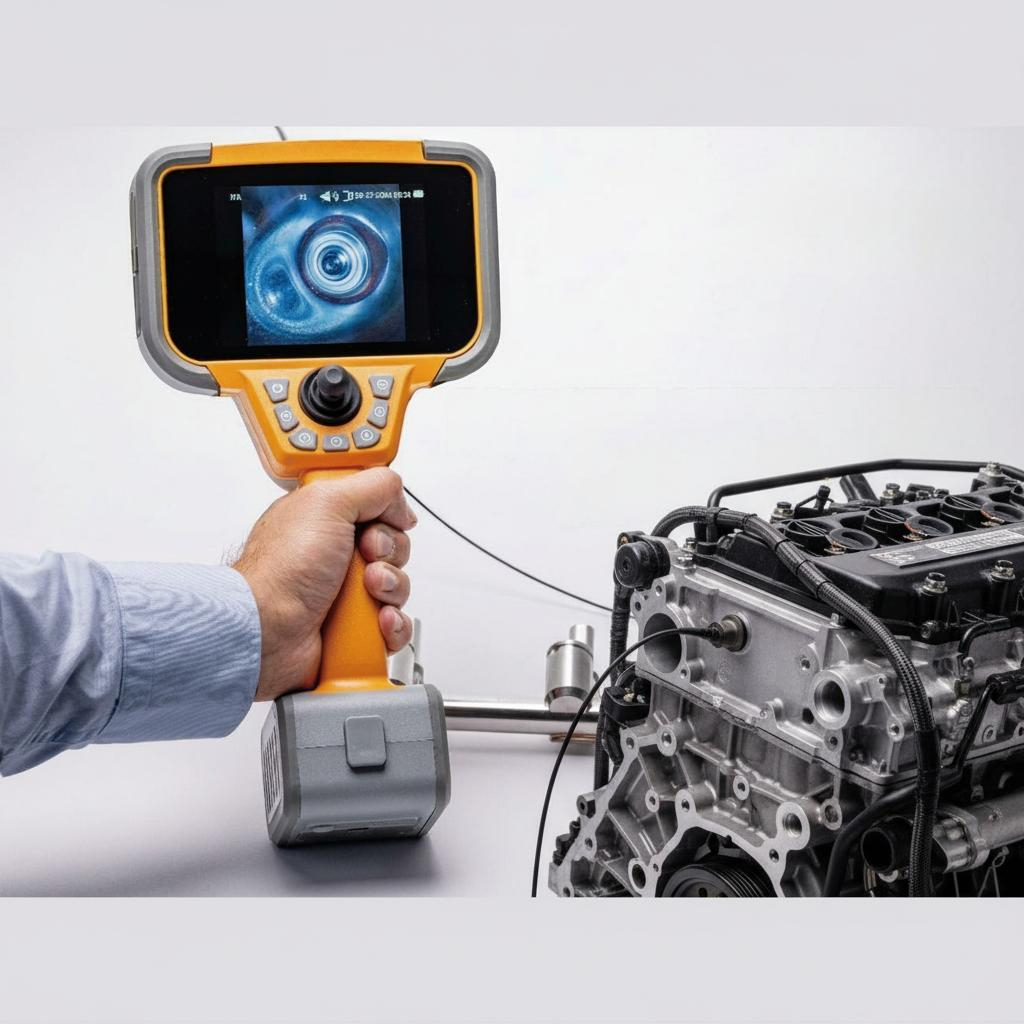
Aircraft engine inspection using industrial videoscopes is an essential method for non-destructive inspection of internal engine components. It allows aviation maintenance professionals to inspect turbines, combustion chambers, nozzles, and internal engine structures without major disassembly, helping improve safety, reduce downtime, and support efficient maintenance operations.
What is Aircraft Engine Inspection?
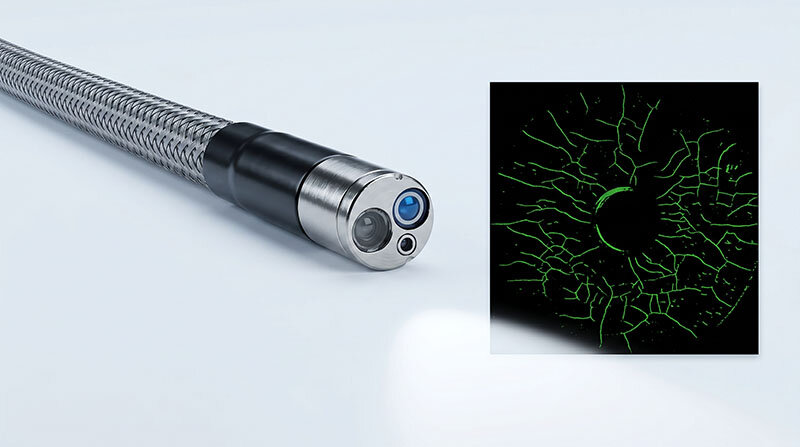
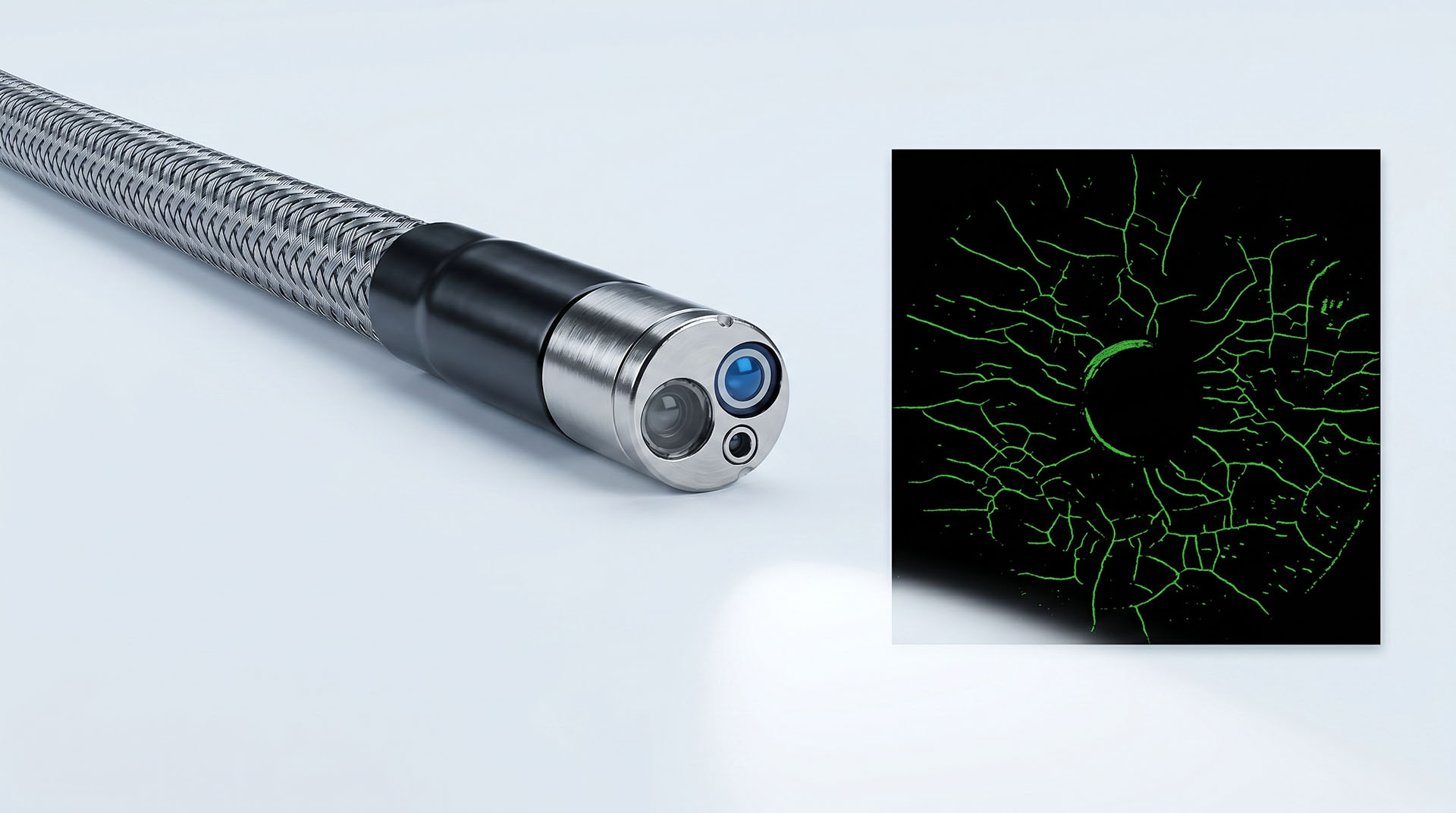
Aircraft engine inspection involves examining internal engine components such as turbine blades, combustion chambers, guide vanes, nozzles, and internal flow paths. Videoscopes provide real-time visual access and high-resolution imaging, enabling technicians to detect cracks, corrosion, deposits, erosion, foreign object damage (FOD), and other visible defects.
Typical Applications
Aircraft maintenance (MRO)
Aviation safety inspection
Engine overhaul and repair
Pre-flight and scheduled inspections
Turbine and combustion chamber inspection
Preventive maintenance inspection
Why Use a Videoscope for Aircraft Engine Inspection?
Perform non-destructive inspection (NDT)
Reduce aircraft downtime during maintenance
Improve maintenance accuracy and efficiency
Support aviation safety and regulatory compliance
Detect early-stage damage before critical failure
Provide visual inspection documentation and traceability
Key Features Required
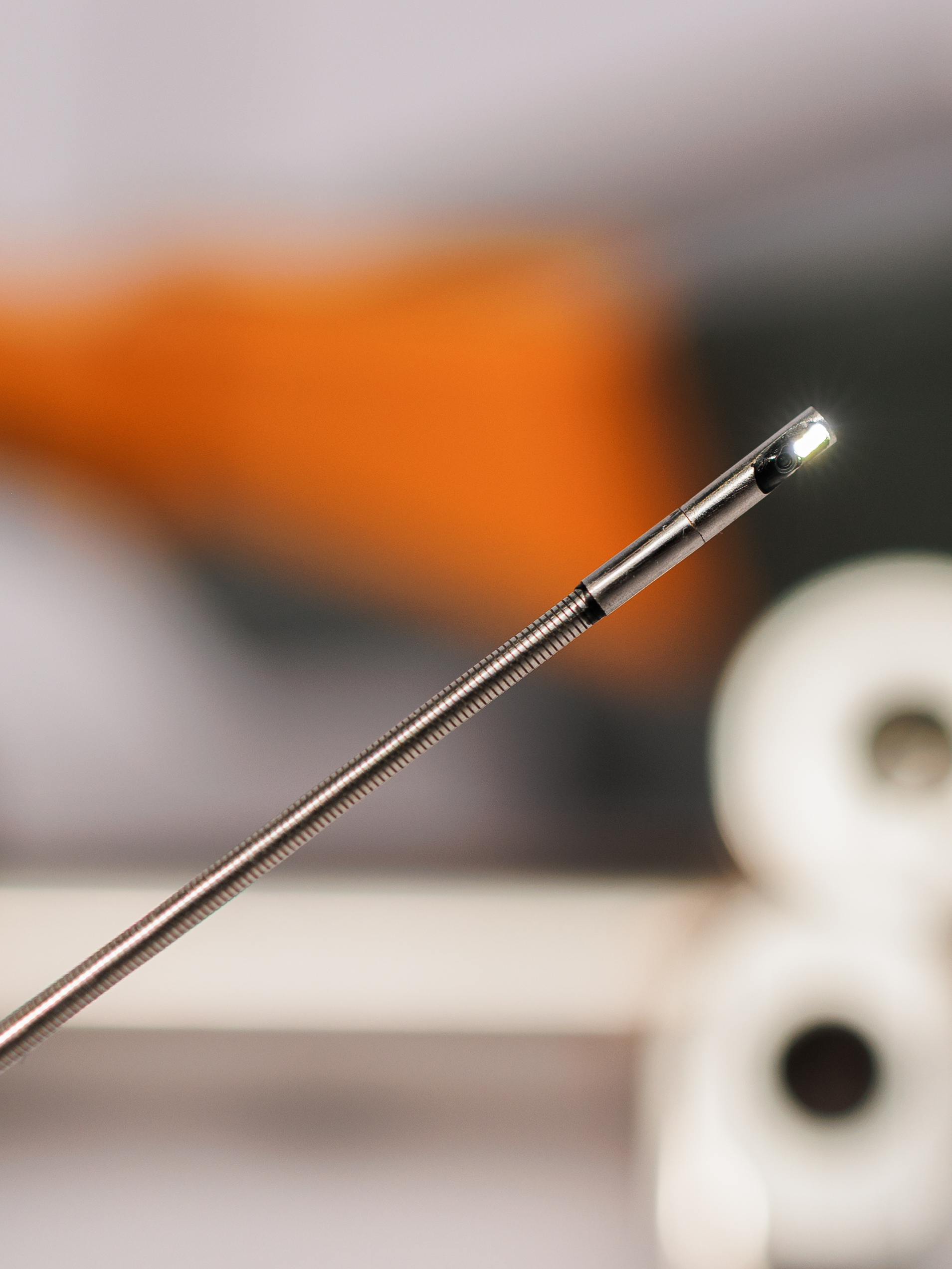
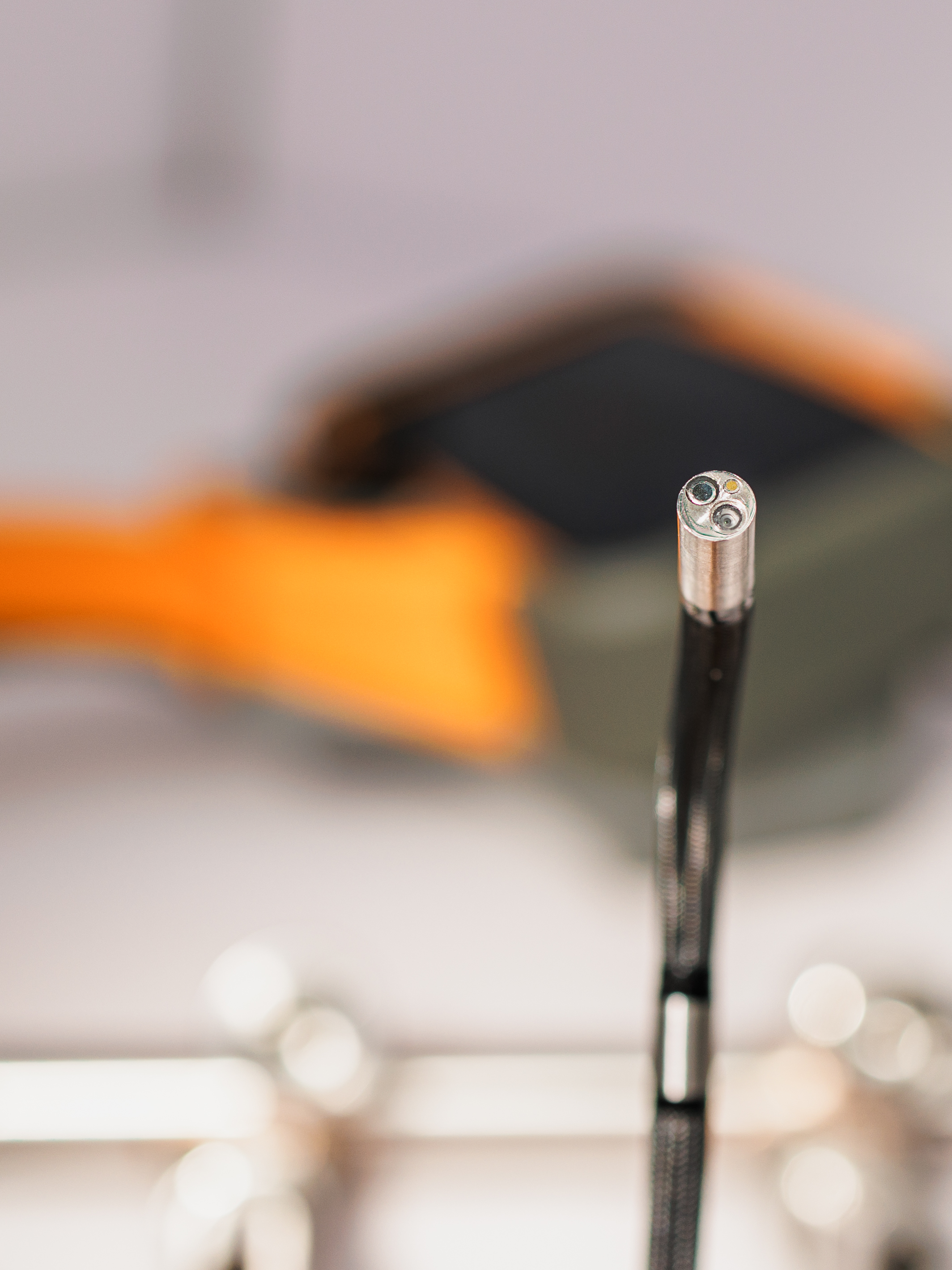
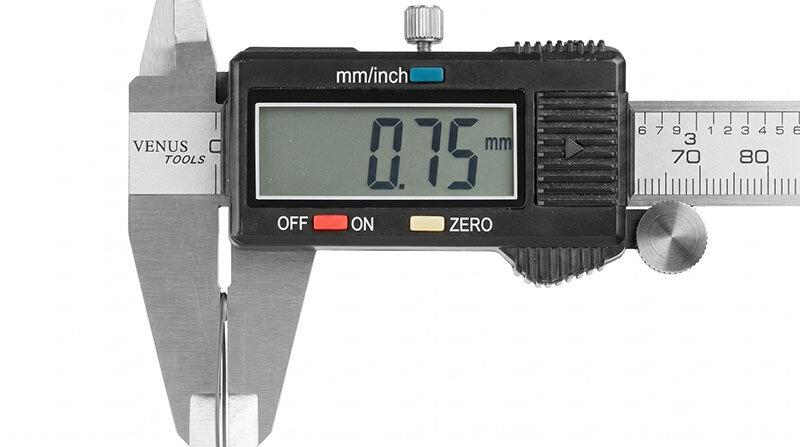
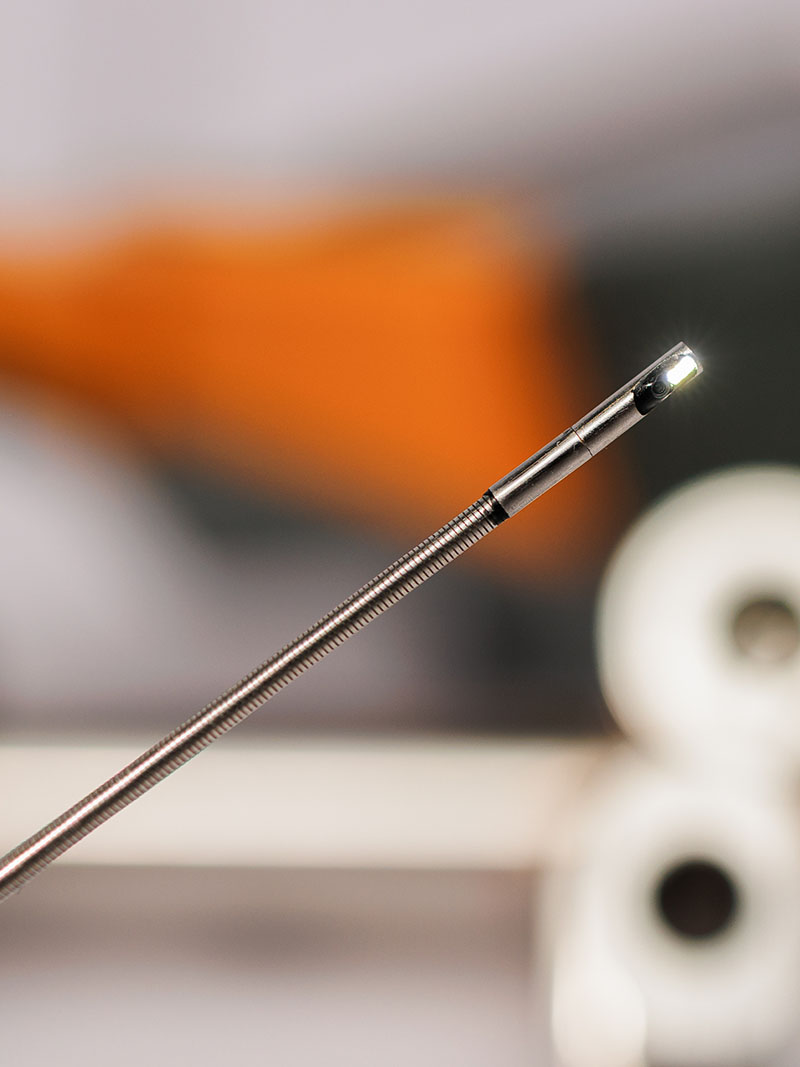
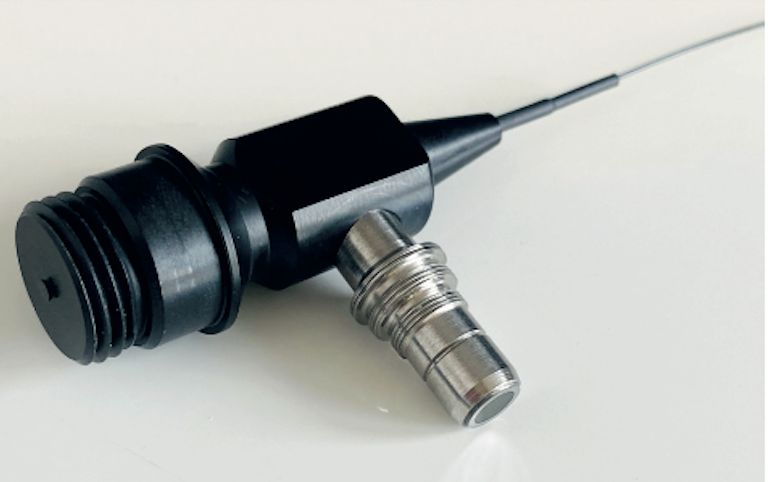
Ultra-small diameter probes, typically ≤4 mm
High-resolution imaging for detailed defect detection
4-way articulation for precise navigation
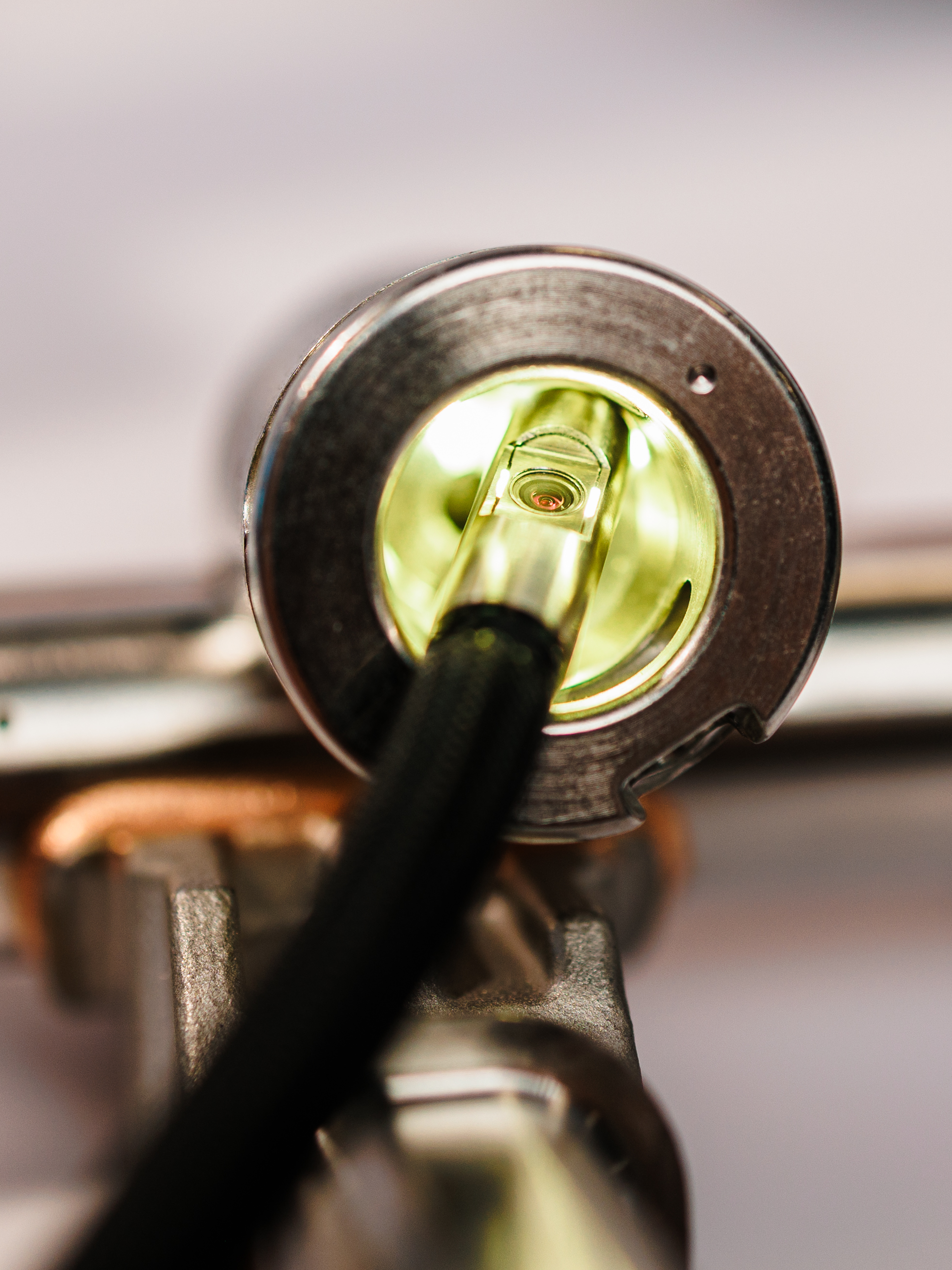
Flexible insertion capability for complex engine geometries
High brightness illumination inside dark engine sections
Portable and reliable inspection system
Recommended Solutions
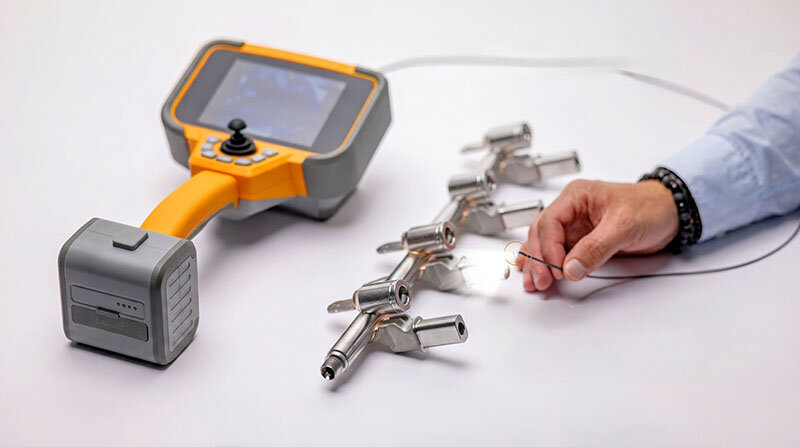
Inspector Plus and Inspector Touch systems provide practical and reliable aircraft engine inspection solutions with interchangeable probes, HD imaging, articulated probe options, and portable system platforms suitable for aviation maintenance and aerospace inspection applications.
FAQ
Can a videoscope be used for aircraft engine inspection?
Yes. Industrial videoscopes are widely used in aviation maintenance for internal inspection of turbines, combustion chambers, nozzles, and other aircraft engine components.
What defects can be detected inside aircraft engines?
Common visible defects include cracks, corrosion, erosion, deposits, coating damage, and foreign object damage (FOD).
What probe size is commonly used for aircraft engine inspection?
Small diameter articulated probes between 2.8 mm and 4 mm are commonly used depending on engine access size and inspection requirements.
Why is regular aircraft engine inspection important?
Regular inspection helps improve aviation safety, reduce unexpected failures, support maintenance planning, and maintain long-term engine reliability.