
Engine Inspection with Industrial Videoscope
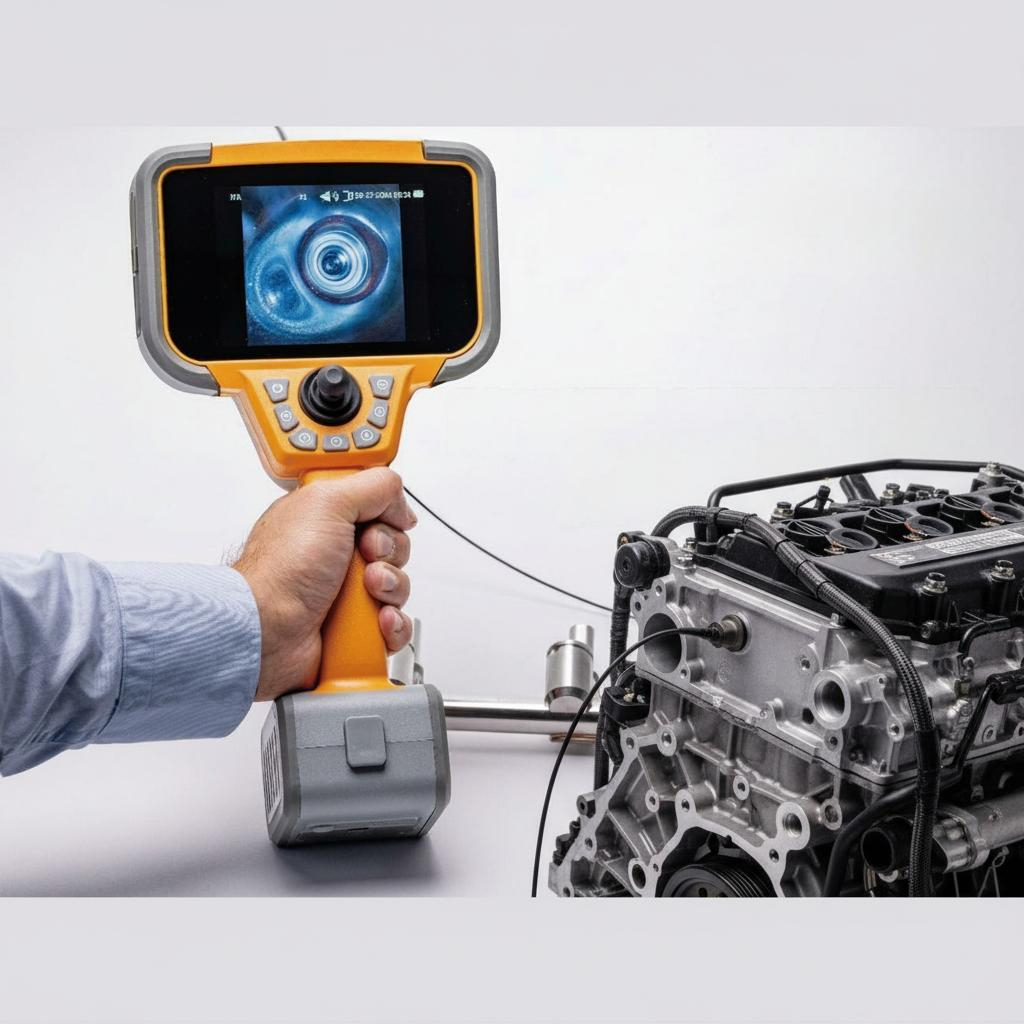
Engine inspection using an industrial videoscope allows fast and non-destructive access to internal components such as pistons, valves, combustion chambers, cylinder walls, and injector areas. It is widely used in automotive maintenance, manufacturing, quality control, and used vehicle inspection to reduce downtime and improve diagnostic efficiency.
What is Engine Inspection?
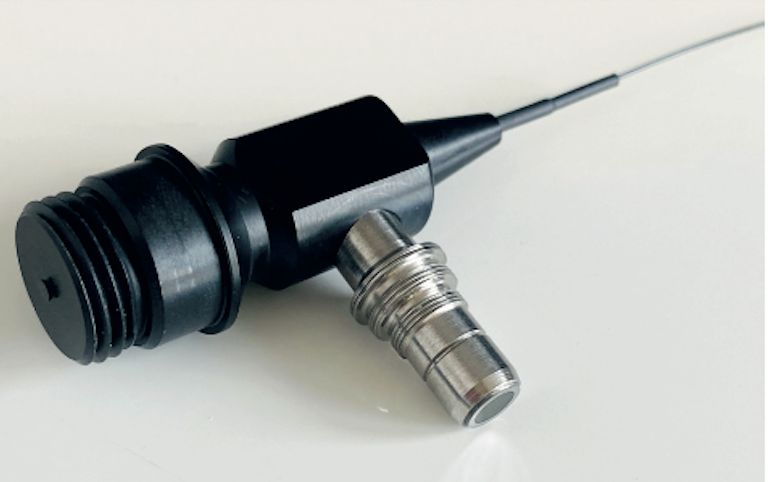
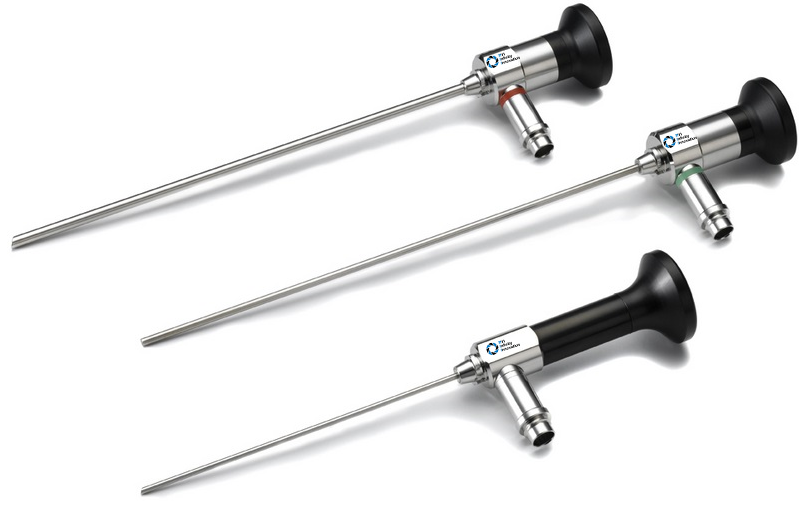
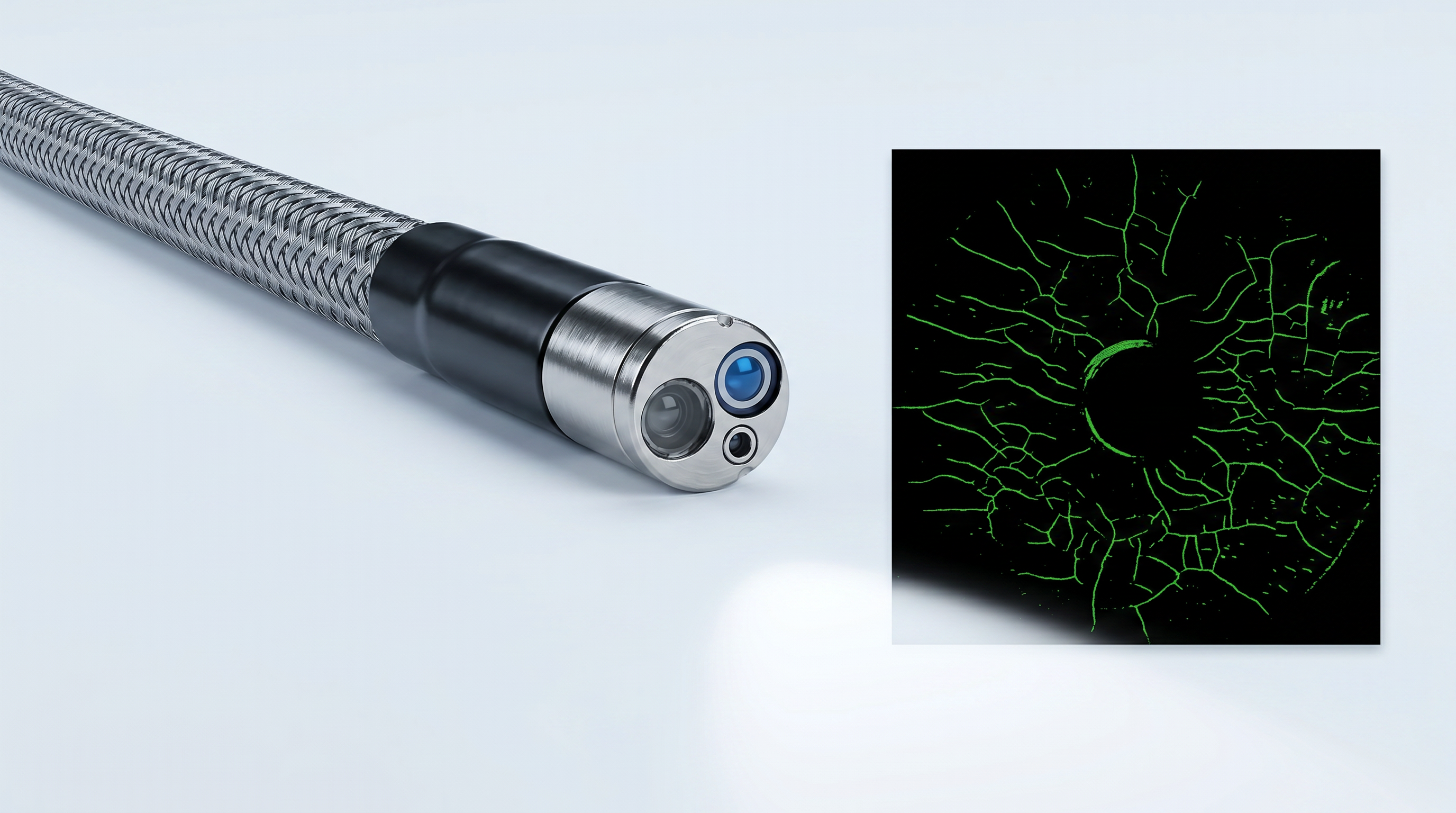
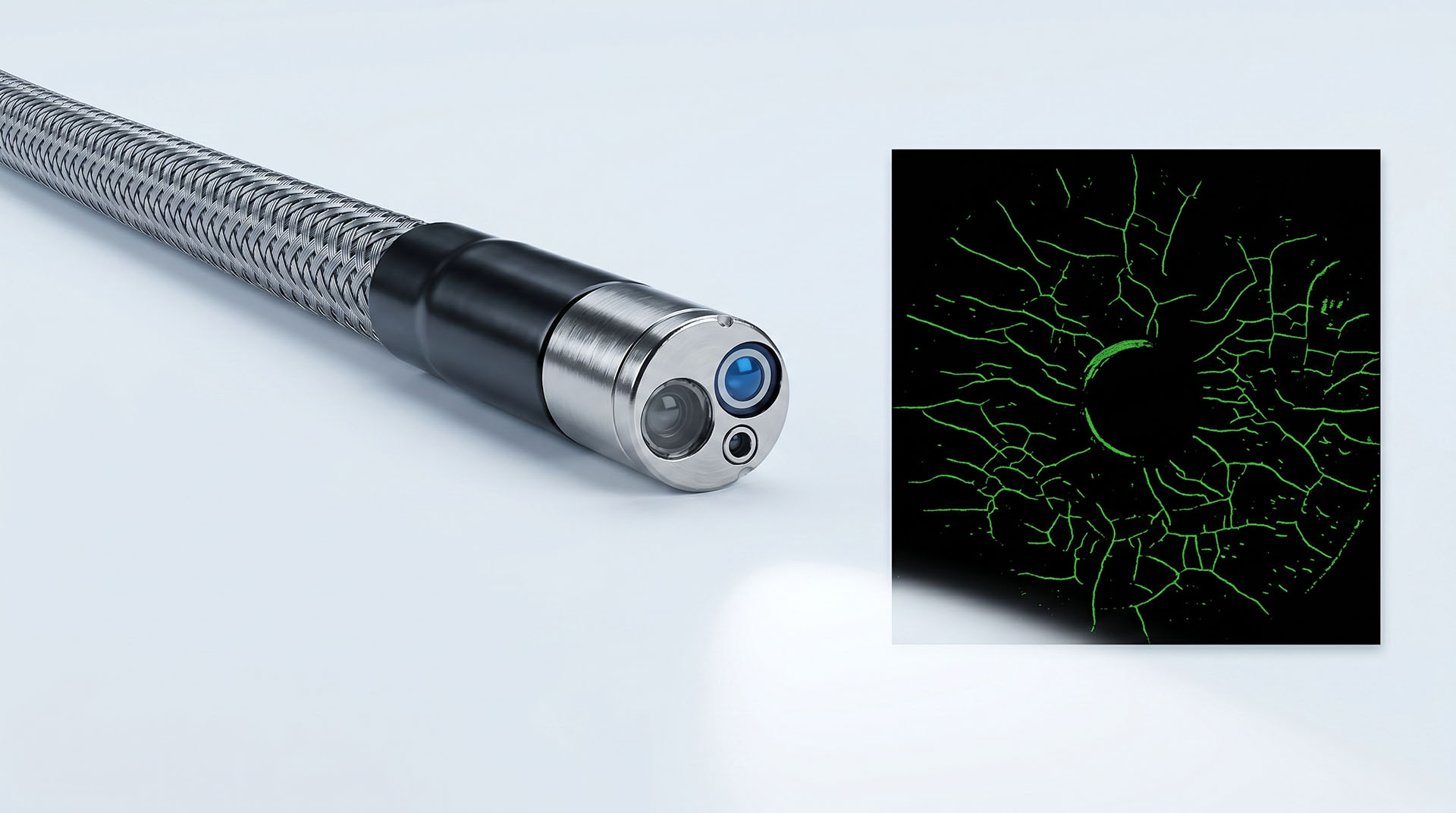
Engine inspection involves visual examination of internal engine parts without disassembly. By inserting a small-diameter videoscope through spark plug holes, injector ports, or other access points, technicians can observe internal conditions in real time and identify defects such as wear, cracks, carbon deposits, corrosion, oil leakage, or foreign object damage.
Typical Applications
- Automotive workshop diagnostics
- Engine manufacturing quality control
- Used vehicle inspection
- Maintenance and repair inspection
- Combustion chamber inspection
- Piston, valve, and cylinder wall inspection
Why Use a Videoscope for Engine Inspection?
- No need for complete engine teardown
- Faster inspection process
- Reduced maintenance cost
- Improved diagnostic accuracy
- Real-time visual documentation
- Useful for preventive maintenance and failure analysis
Key Features Required
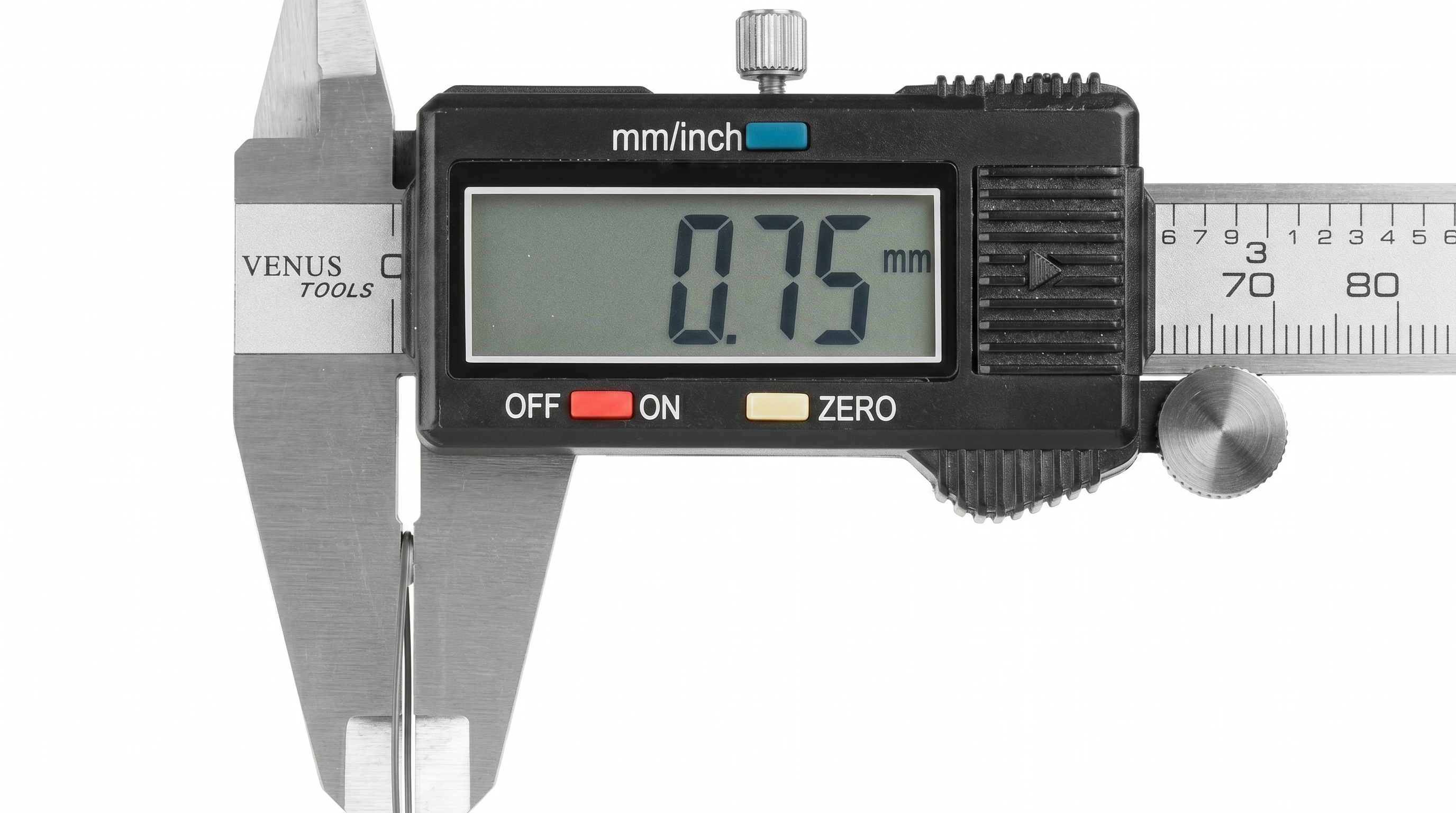
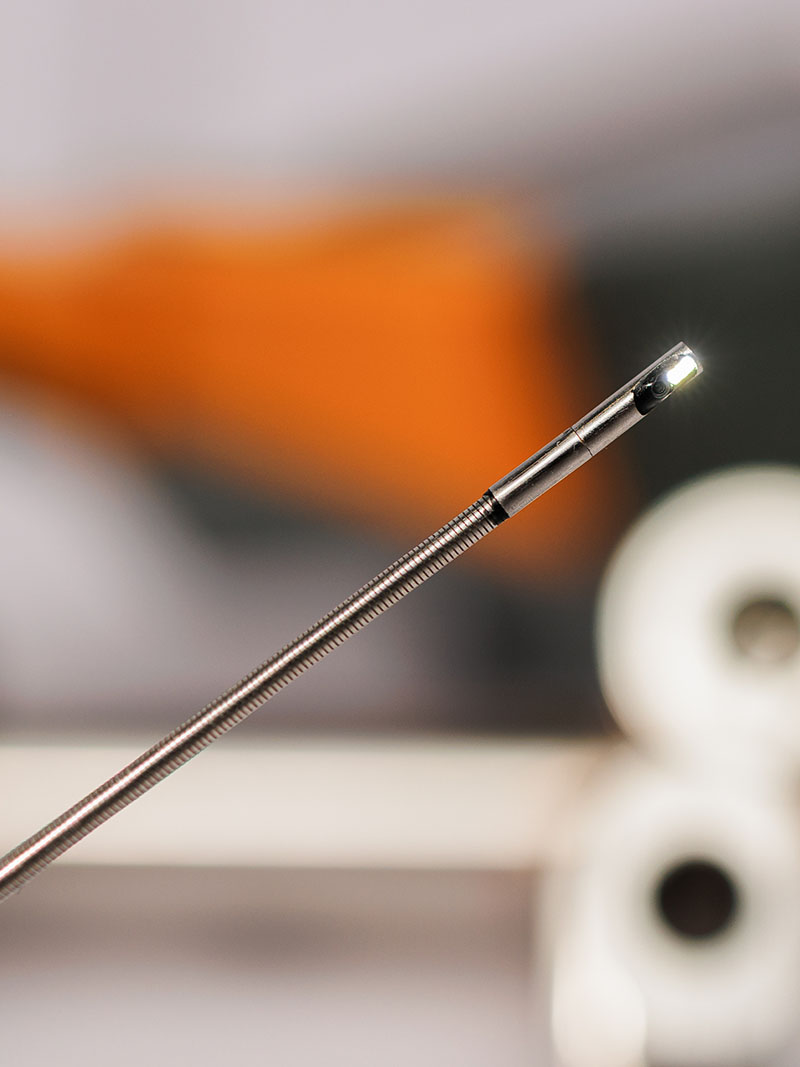
- Small diameter probe, typically 4 mm or 6 mm
- 4-way articulation for better steering inside engine cavities
- High-resolution imaging for clear defect observation
- Strong LED illumination
- Portable system for workshop and field use
- Interchangeable probe design for different inspection tasks
Recommended Solutions
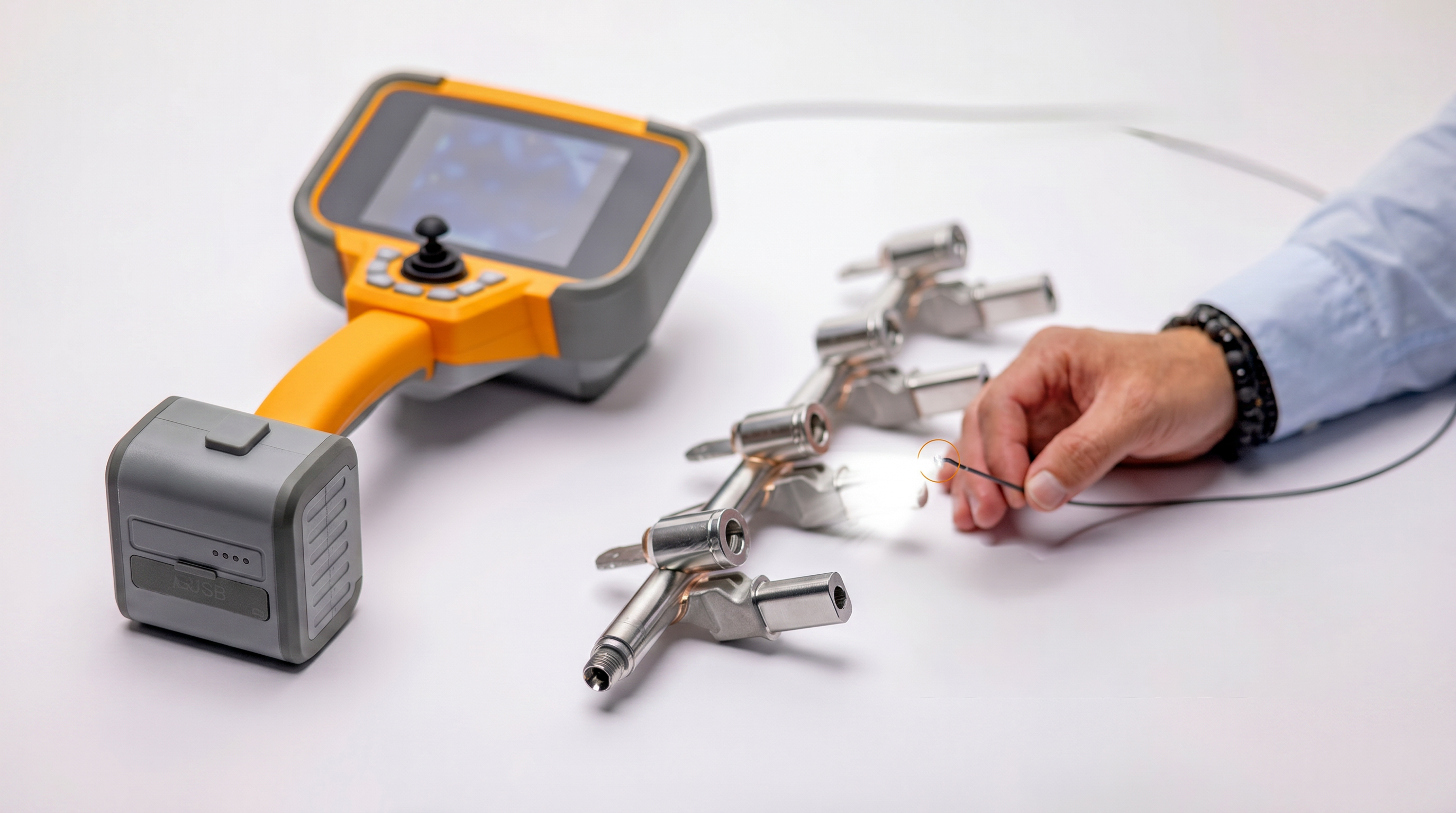
Inspector Plus and Inspector Touch provide reliable performance for automotive engine inspection. With interchangeable probes, HD imaging, 4-way articulation, and portable system design, they help technicians inspect internal engine components quickly and efficiently without unnecessary disassembly.
FAQ
What probe diameter is best for engine inspection?
For most automotive engine inspections, 4 mm or 6 mm probes are commonly used, depending on the available access point and inspection area.
Can a videoscope detect engine damage?
Yes. A videoscope can help detect visible damage such as cracks, carbon deposits, corrosion, wear marks, oil leakage, and foreign object damage inside the engine.
Is engine disassembly required?
In many cases, no. A videoscope allows technicians to inspect internal engine areas through existing openings such as spark plug holes or injector ports.
Which RVI system is recommended?
Inspector Plus is suitable for standard workshop and maintenance inspection, while Inspector Touch offers a larger touchscreen interface and more interactive operation for advanced users.