
Casting Inspection with Industrial Videoscope
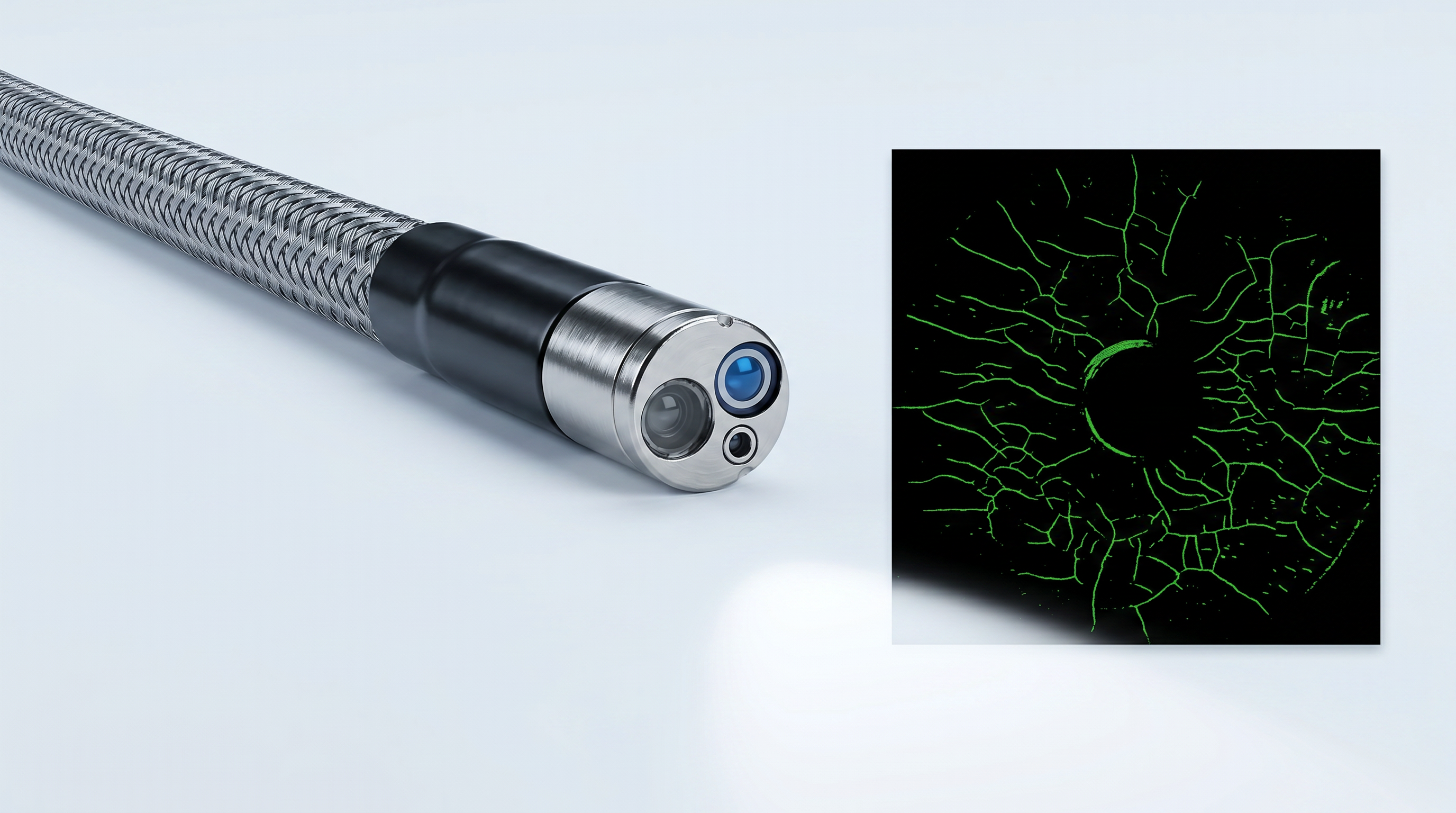
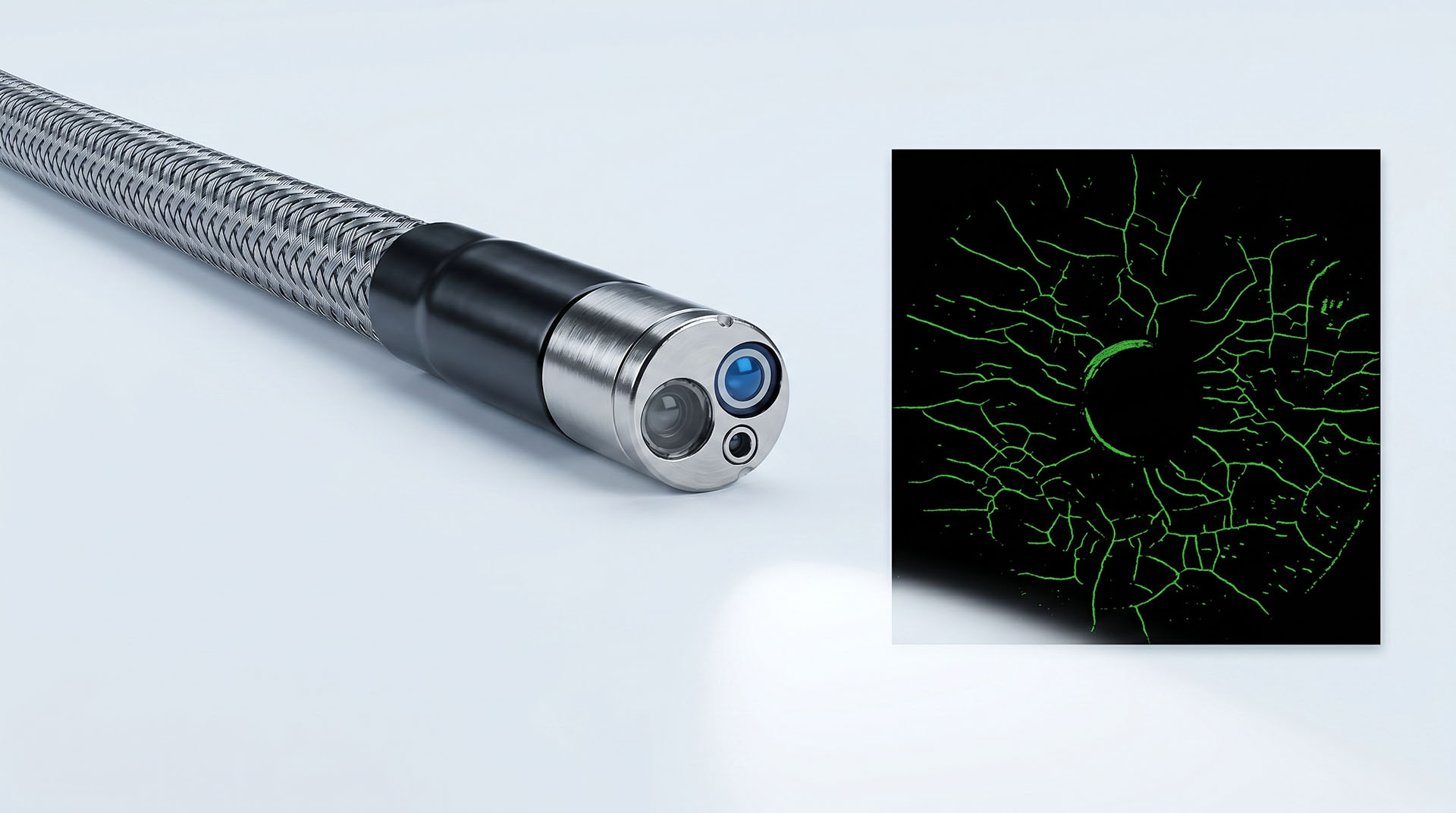
Casting inspection using industrial videoscopes is essential for detecting internal defects in metal components during manufacturing. It allows manufacturers to identify flaws such as porosity, cracks, inclusions, voids, burrs, and surface irregularities without damaging the part.
What is Casting Inspection?
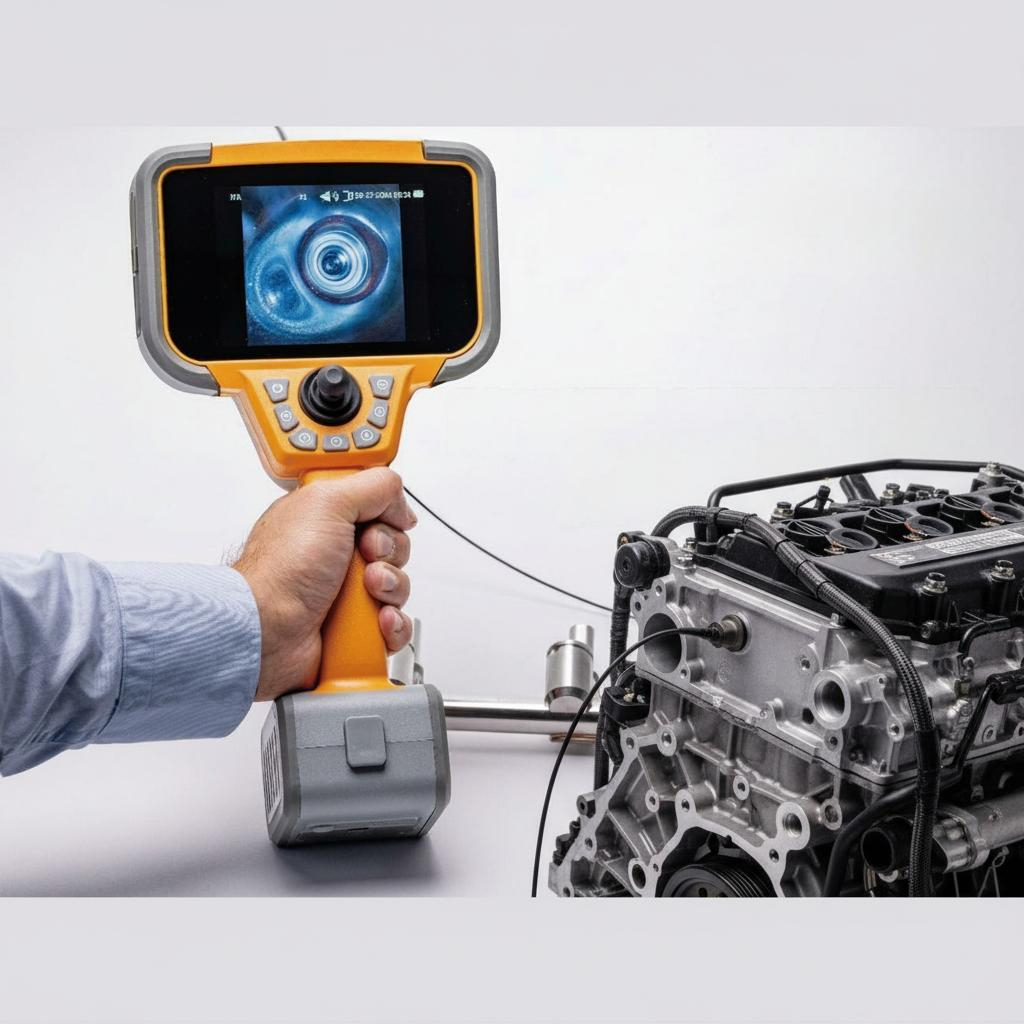
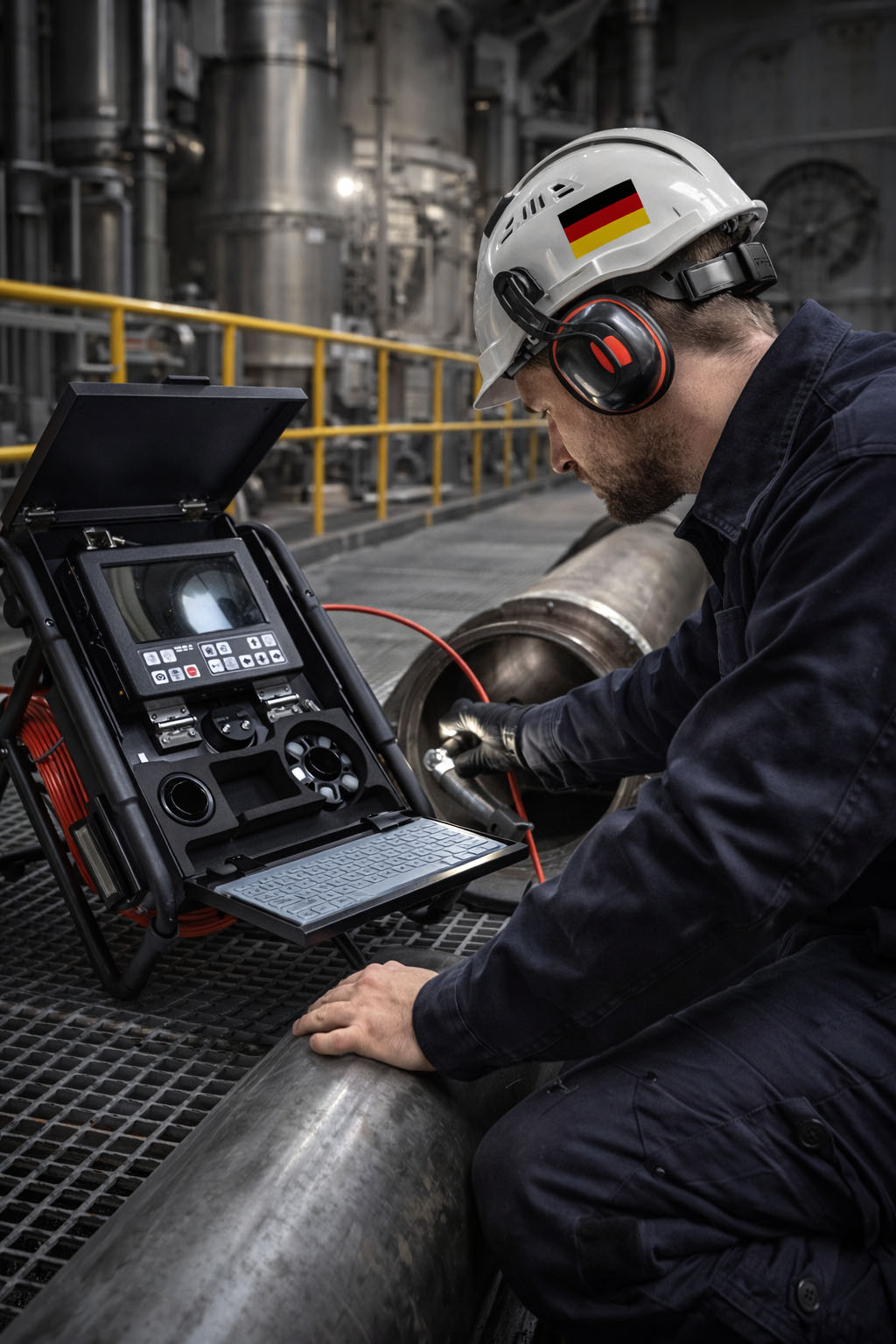
Casting inspection is the process of examining internal structures, cavities, channels, and complex geometries of cast components. Videoscopes provide direct visual access to areas that are difficult or impossible to inspect from the outside, helping manufacturers evaluate internal quality efficiently and non-destructively.
Typical Applications
- Foundry quality control
- Automotive parts manufacturing
- Aerospace component inspection
- Heavy machinery production
- Internal cavity inspection
- Machined casting inspection
Why Use a Videoscope for Casting Inspection?
- Detect internal defects at an early stage
- Improve product quality and process control
- Reduce scrap, rework, and production cost
- Enable fast and non-destructive visual inspection
- Support quality documentation and traceability
- Inspect complex internal geometries without cutting the part
Key Features Required
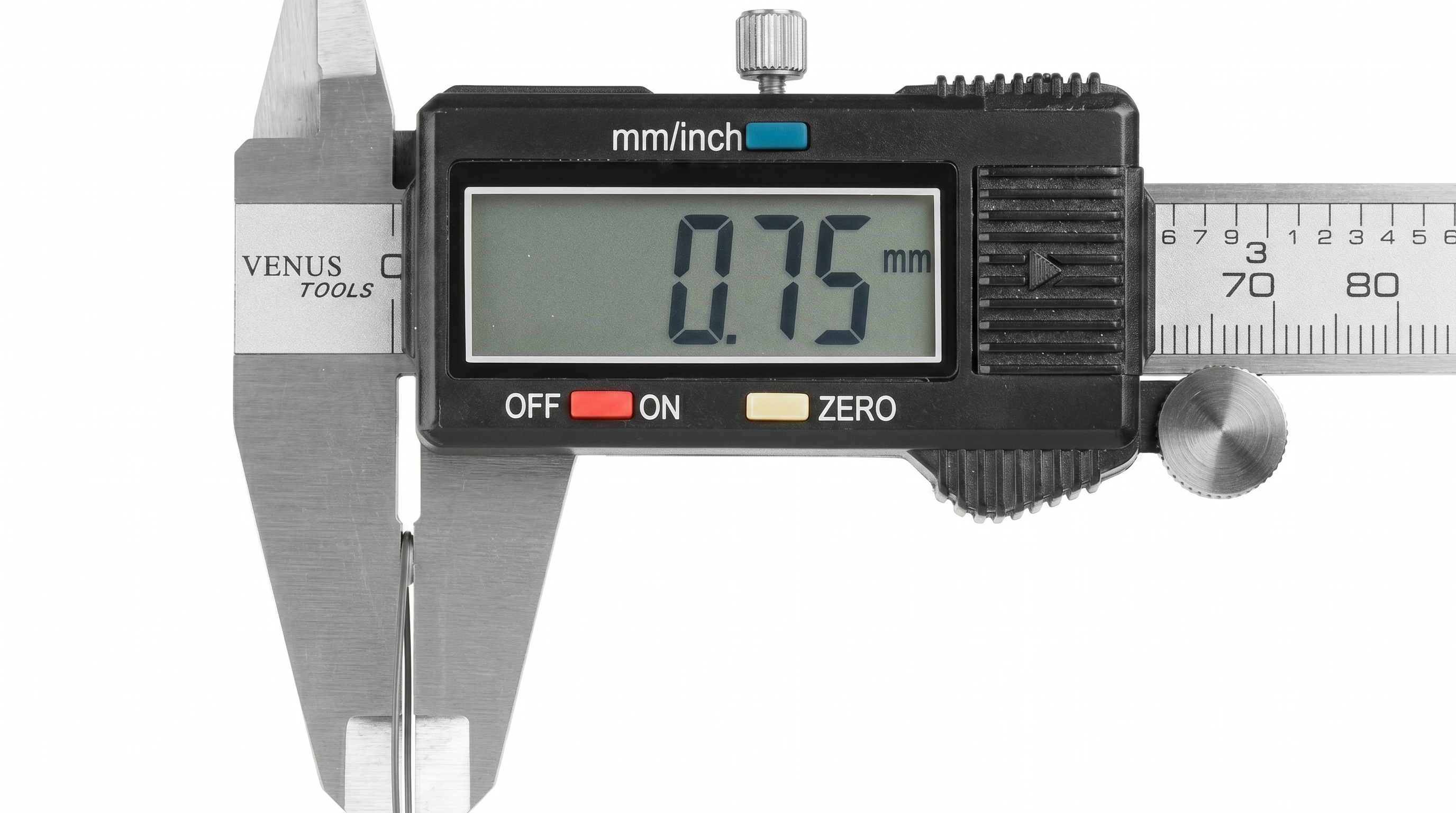
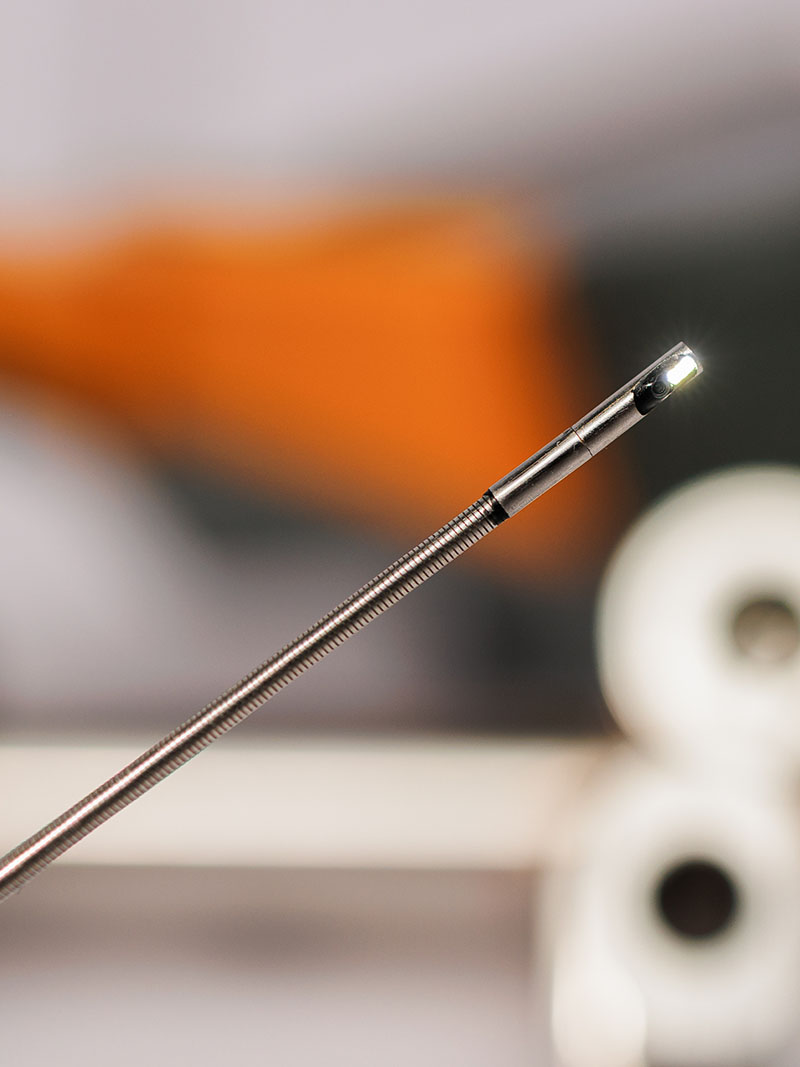
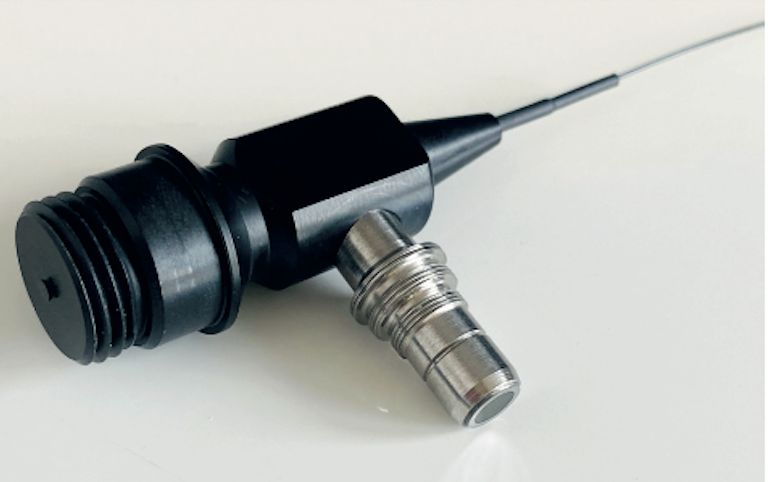
- Small diameter probes for tight cavities and narrow channels
- High-resolution imaging for clear defect observation
- Durable probe construction for industrial environments
- Flexible insertion capability for complex internal structures
- Strong illumination for dark internal cavities
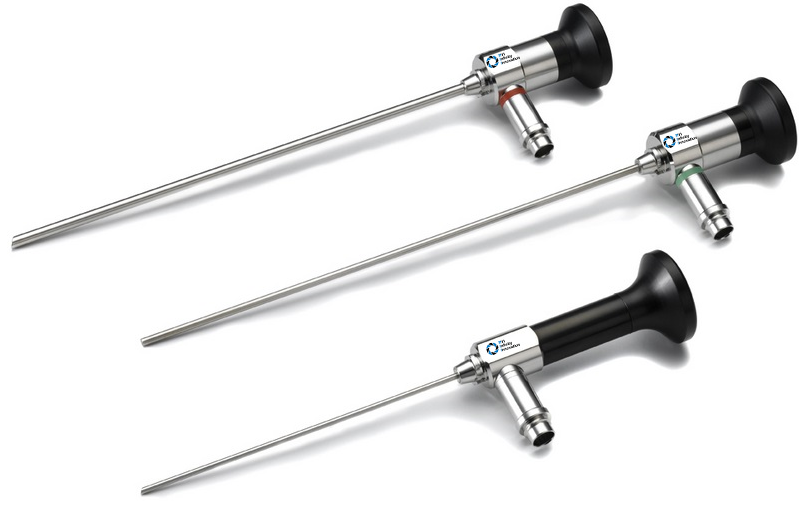
- Interchangeable probe options for different casting geometries
Recommended Solutions
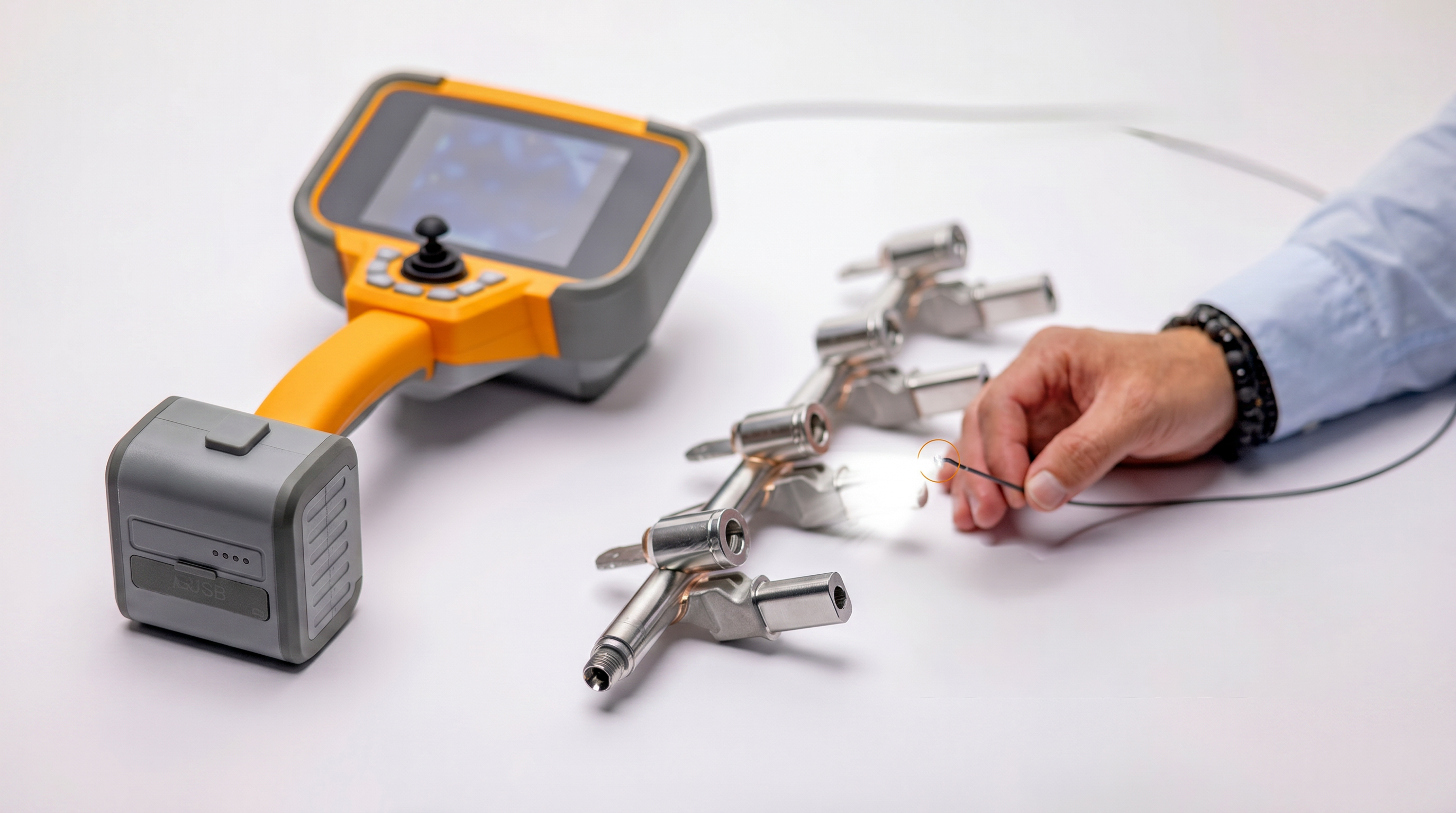
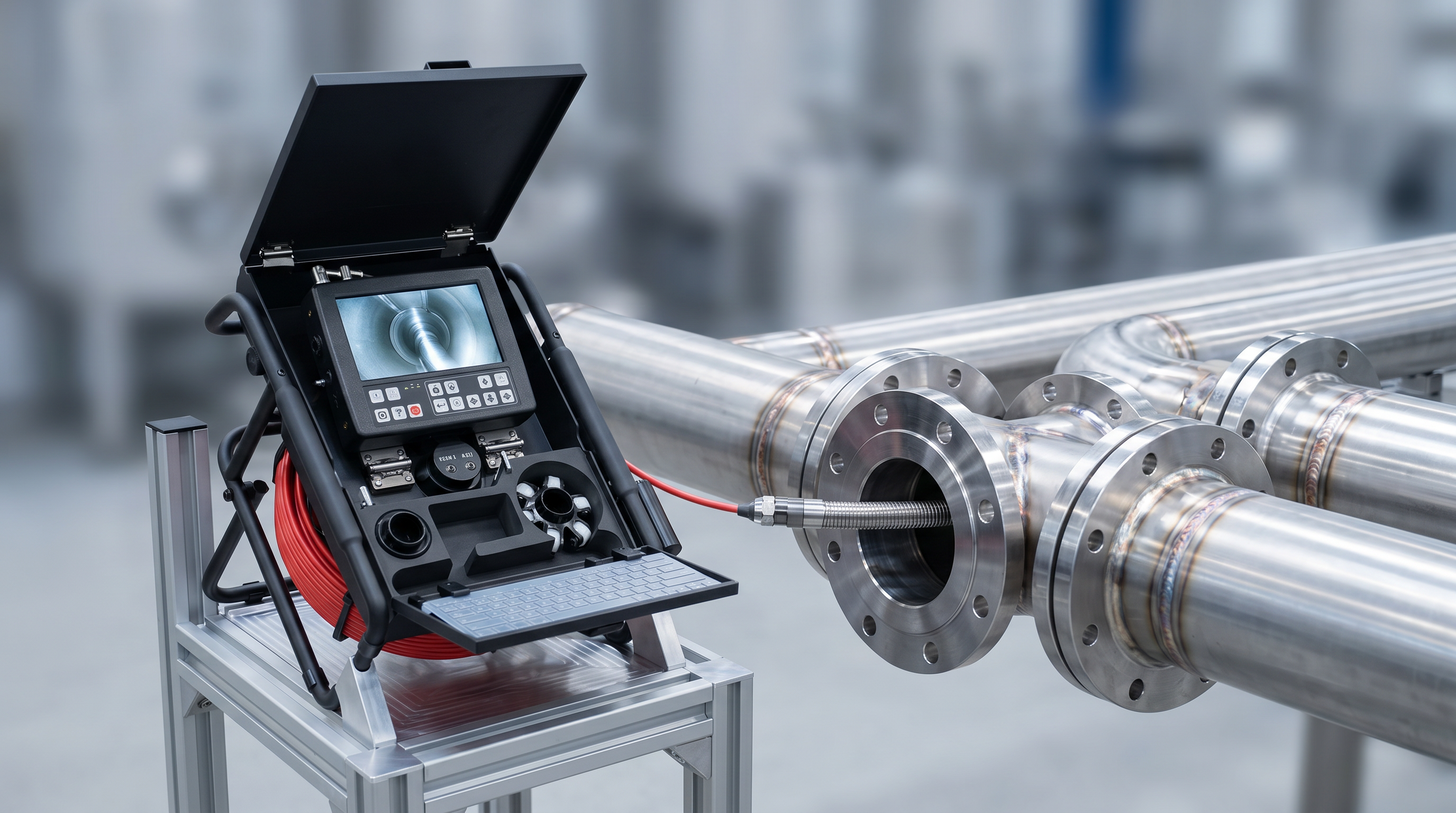
Inspector Plus and Inspector Touch are suitable solutions for casting inspection. With modular probe options, stable imaging performance, flexible insertion capability, and portable system design, they help manufacturers inspect internal cavities and complex cast structures efficiently in demanding industrial environments.
FAQ
What defects can be detected in casting inspection?
Common visible defects include porosity, cracks, inclusions, voids, burrs, surface irregularities, contamination, and incomplete material formation inside the casting.
Why use a videoscope instead of other inspection methods?
A videoscope provides fast, direct visual inspection of internal areas without damaging the component. It is especially useful for cavities, channels, and geometries that are difficult to access with standard visual inspection methods.
Can videoscope inspection replace X-ray or CT inspection?
Videoscope inspection is a practical visual inspection method for accessible internal areas. For hidden volumetric defects inside solid material, X-ray or CT inspection may still be required. In many quality control workflows, videoscope inspection is used as a fast complementary method.
Which probe diameter is suitable for casting inspection?
The suitable probe diameter depends on the cavity size and inspection depth. Small diameter probes are recommended for narrow channels, while 4 mm or 6 mm probes are commonly used when larger access points are available.